Buying a home is always a big decision, but buying an old house in Toronto and renovating it completely? That’s a whole different challenge. Even with our experience in architecture and construction, this process has been eye-opening.
We’ve designed homes from scratch, built from the ground up, and managed countless renovations for clients. But when it came to buying and renovating our own home here, we realized there were still gaps in our knowledge—things that were more abstract before are now becoming real as we experience them firsthand.
And if you’re thinking about buying a home and renovating it, I want to share our journey with you—the good, the bad, and the lessons we’re learning along the way.
Buying Under Pressure & The Reality of an Old Home
Toronto’s real estate market is fast-paced. When we were house hunting, there was this constant sense of urgency—our realtor kept reminding us that prices were rising and that if we waited, we might miss out. And I won’t lie, we felt the pressure.
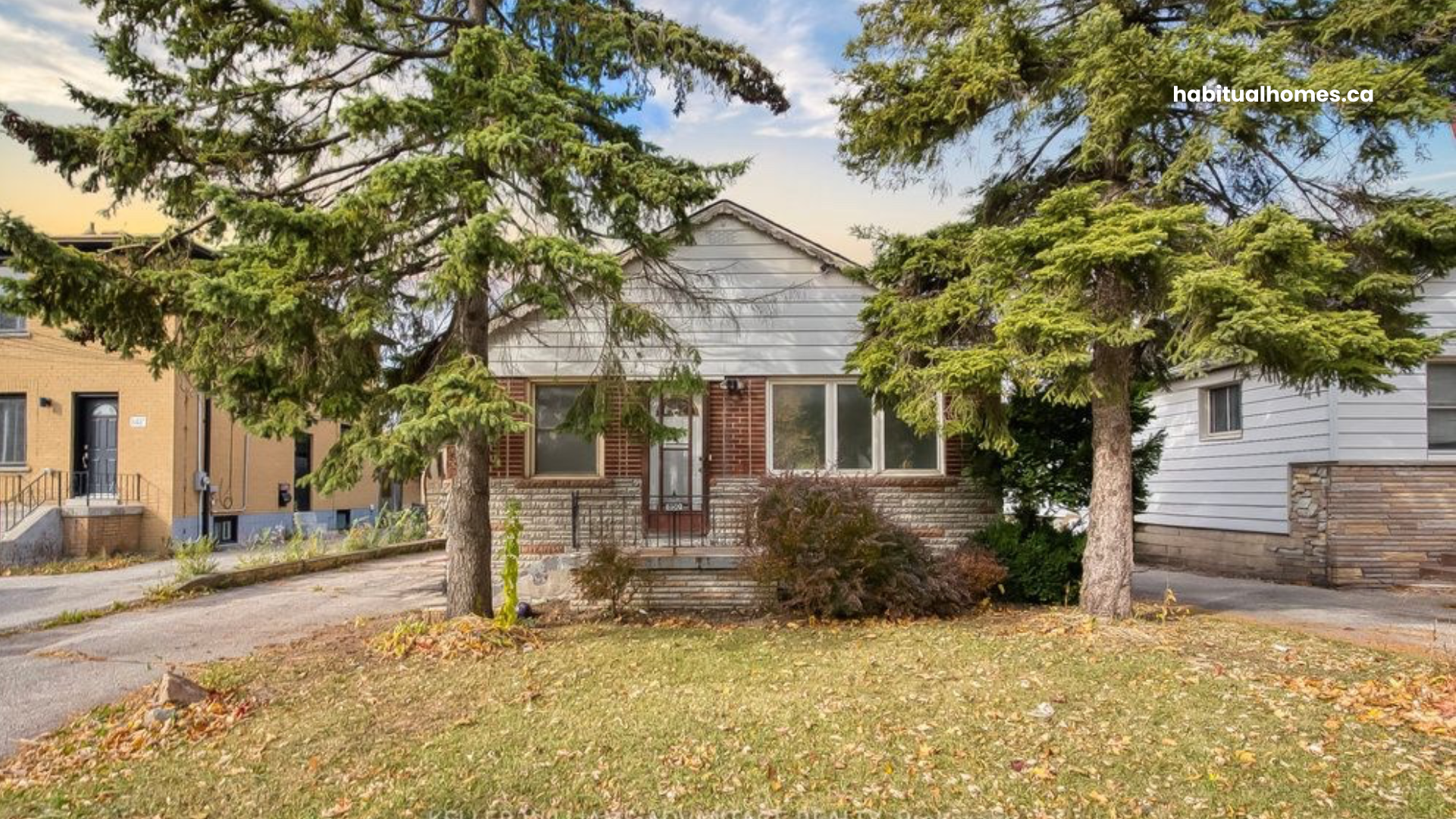
We ended up buying a 1950s house that needed a complete renovation. At first glance, it didn’t seem too bad. But once we started opening up walls and really assessing the structure, we realized just how much work it needed.
- The roof was in bad shape.
- The basement was finished—but very poorly (honestly, we don’t think it was ever meant to be finished in the first place).
- Water was seeping through the basement walls every time the snow melted.
- The plumbing and electrical were outdated and needed full replacement.
At that point, we had two choices: patch things up or gut the house and do it properly. We chose the latter.
Redesigning the Layout to Work for Us
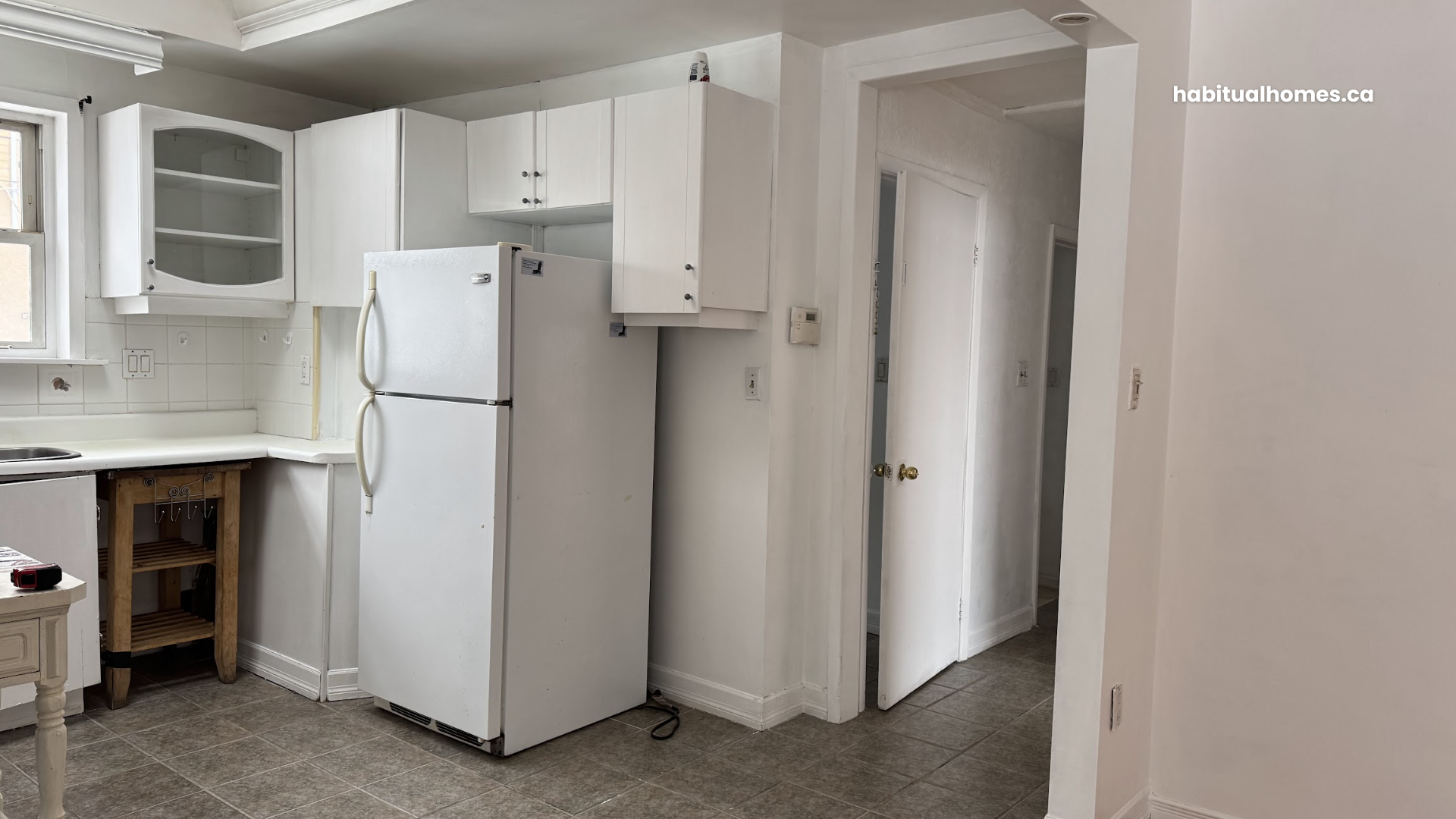
This house was originally a three-bedroom, one-bathroom home, which didn’t make sense for us. So, we reworked the layout:
- Converted it into a two-bedroom, two-bathroom home—because, let’s be honest, a single bathroom for a household just isn’t practical.
- Eliminated the formal dining room to create a more open space. Instead, we’re integrating the kitchen and living area with a peninsula that works as a casual dining space.
When you’re dealing with a small home, every inch counts. You have to make intentional choices, and that’s exactly what we’re doing.
Lessons We’re Learning About Renovating in Toronto
Even with our experience, this project has pushed us in new ways. Here are some key takeaways so far:
- You Don’t Know What’s Behind the Walls Until You Open Them
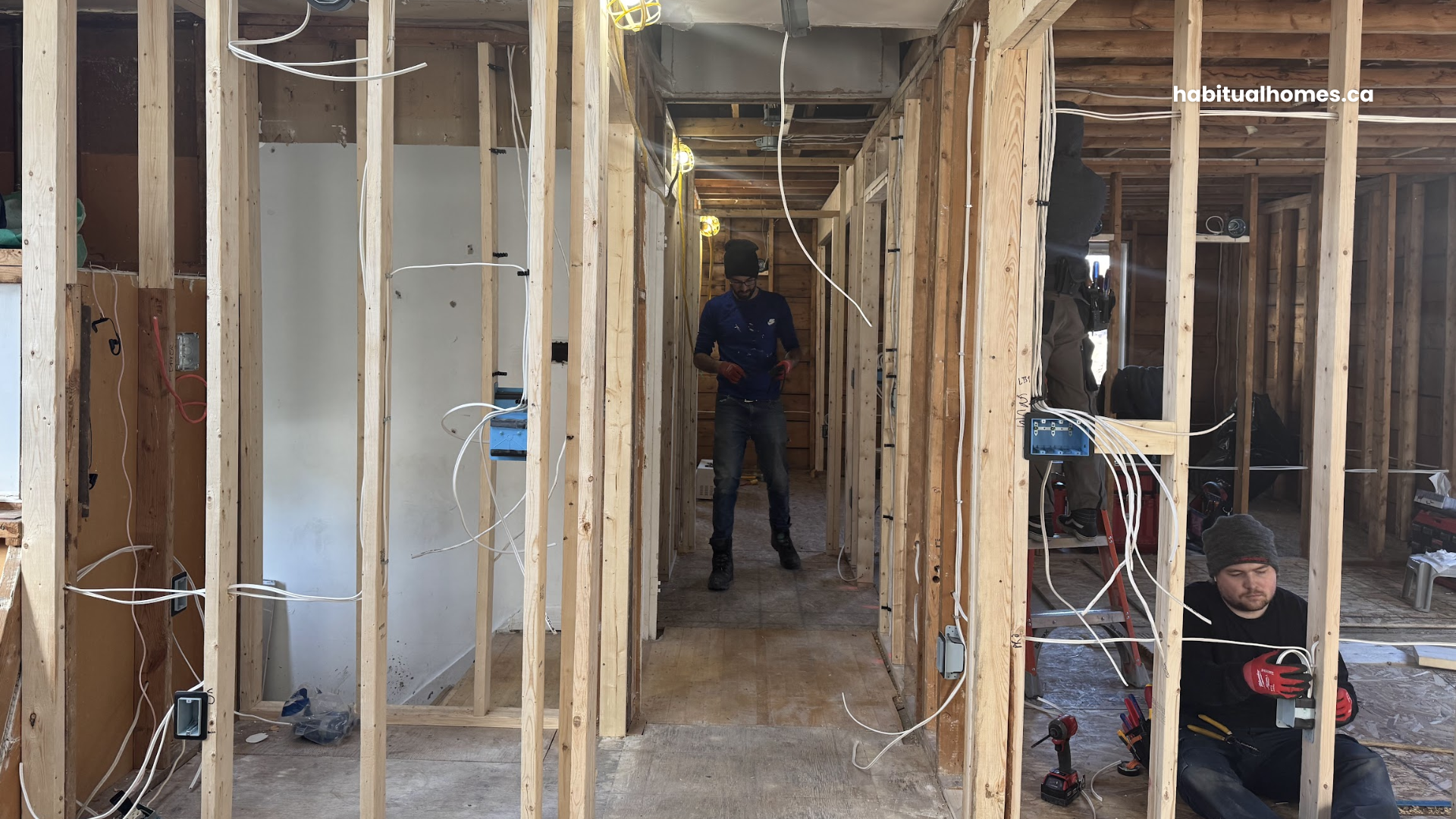
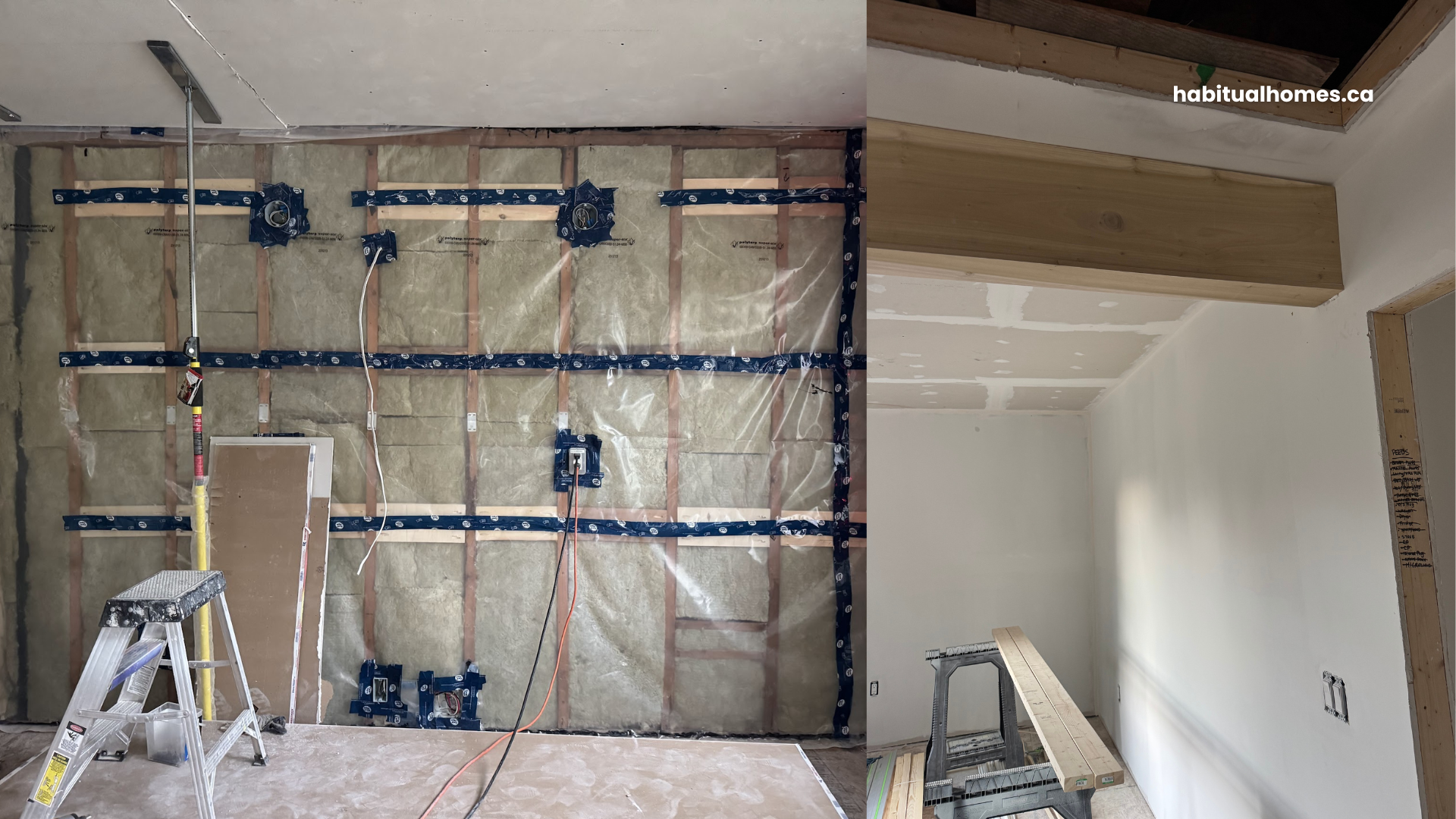
New construction is predictable. But with older homes, there are always surprises. Once we started the demo, we found bad insulation, outdated wiring, and plumbing that just didn’t make sense. We had to redo everything to bring it up to today’s standards.
- Basements Are a Whole Different Challenge
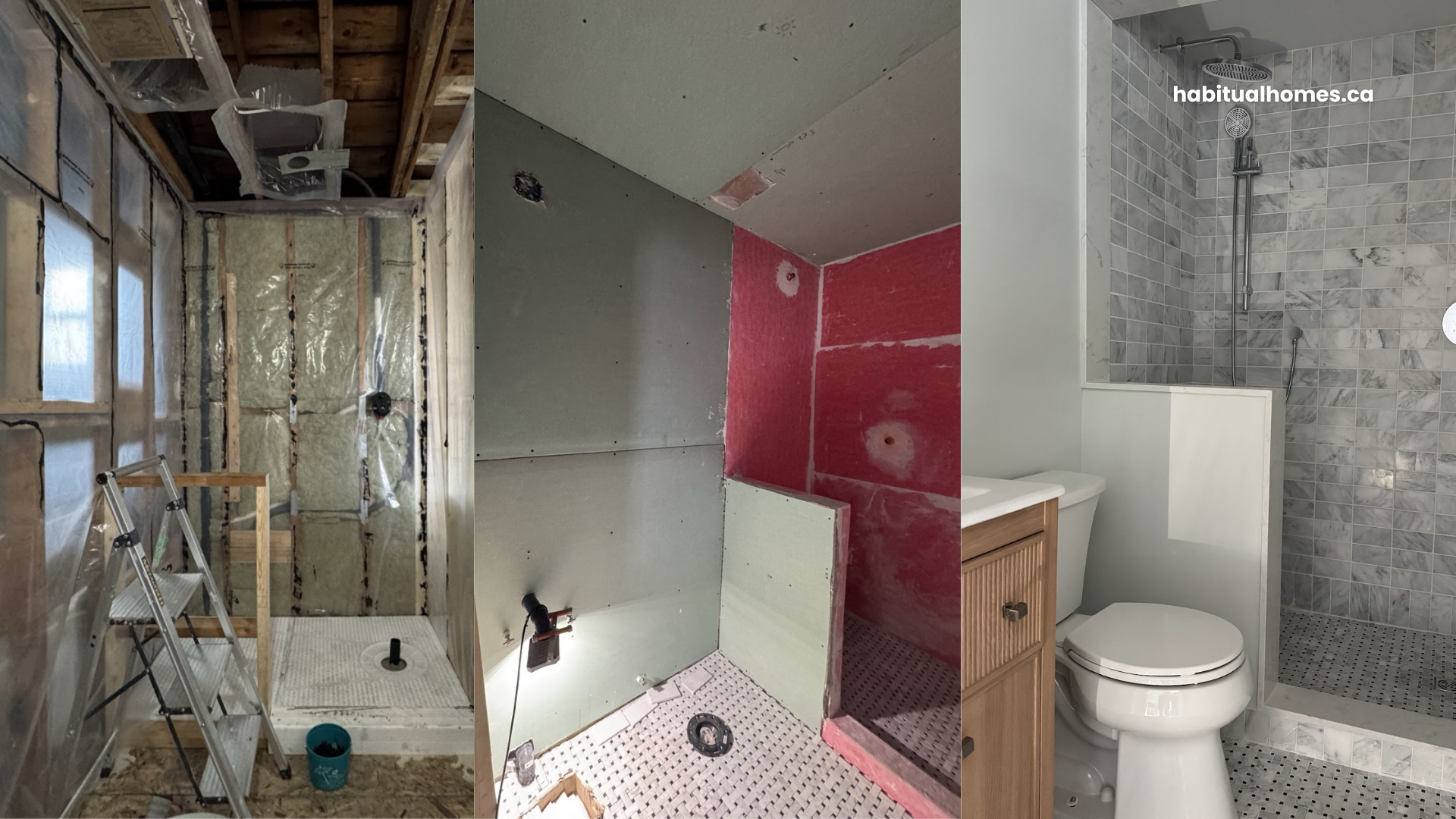
A lot of older Toronto homes weren’t built with finished basements in mind, and ours was a perfect example. The previous owners had finished it, but it was poorly insulated and prone to flooding. We had to strip it down, waterproof it, and start fresh. If you’re planning a basement renovation, budget for surprises—they will come.
- Small Homes Need Smart Design
There’s no room for wasted space in a house like this. Every decision we make has to be intentional—how we design storage, how we use open space, even how we place outlets and lighting.
- Even When It’s Your Job, It’s Still Stressful
Balancing this renovation while running our business and managing client projects has been a lot. And even though we know the process inside and out, it still feels overwhelming at times. This experience is giving me even more appreciation for what our clients go through.
Where We Are NoWhat a project like this actually costs
A full gut renovation on a 1950s Toronto home — our size is just under 1,100 sq ft — typically lands in the $250,000–$400,000+ range once you account for structural surprises, full mechanical replacement (plumbing, electrical, HVAC), permits, design, and mid-range finishes. That number moves significantly depending on what demo reveals and how much of the layout you’re changing.
What most people don’t budget for: the basement waterproofing we needed added cost we hadn’t anticipated, and temporary housing while construction is underway is a real expense that rarely makes it into early estimates. We now build both into every client budget from day one.
→ See our full Toronto gut renovation cost breakdown
Thinking about buying an older Toronto home and renovating it?
That’s one of the most common conversations we have with clients — and one of the most important ones to have before you make an offer, not after. We offer pre-purchase feasibility reviews specifically for this situation: a realistic look at what a home will actually take, what it will cost, and whether the numbers make sense for your goals.
If you’re in that early research stage, start with a free 15-minute consultation. No pressure, no pitch — just an honest conversation about what you’re looking at.