Are Black Bathroom Fixtures a Good Idea? Let’s Talk About It.
There’s no denying it—black fixtures are everywhere right now. Scroll through Pinterest or flip through a design magazine, and you’ll see sleek black faucets, bold shower frames, matte towel bars, and even black toilets.
The look is dramatic, clean, and definitely on-trend. But if you’re someone who values a timeless aesthetic—something that still looks just as good in ten years as it does today—then you might want to pause before committing.
Let’s walk through a few of the most common questions I get about black fixtures and why, in many cases, they’re not the best choice for a long-lasting bathroom design.
Are Black Bathroom Fixtures a Good Idea?
Black fixtures can be beautiful in the right context. If you’re designing a modern, urban-style bathroom with lots of contrast—maybe white walls, dark tile, sharp lines—then black fixtures can work.
They create a statement and anchor the space visually. But the key phrase here is “in the right context.”
Here’s the thing: black is very specific. It’s bold, it’s graphic, and it doesn’t play nicely with every finish.
Unlike brushed nickel or chrome, which are versatile and blend effortlessly into most palettes, black demands attention.
And when it’s used without proper repetition or without relating to the other finishes in your space, it tends to feel disconnected—like it was thrown in just to follow a trend.
More importantly, if you don’t already have black in your hard finishes—your tile, countertops, cabinetry, or flooring—then adding black fixtures might not make any visual sense. In timeless design, every element should feel intentional and connected.
If your hard finishes are soft, warm, or neutral, suddenly adding bold black metal feels jarring.
So yes, black fixtures can be a good idea—but only when they’re supported by a palette that makes them look natural, not forced.
Are Black Bathroom Fixtures Still in Style?
Yes. Black fixtures are very much in style right now. They’re trendy, they photograph well, and they’ve become almost a go-to choice for modern bathroom makeovers in the last few years.
But that’s exactly the problem.
Trendy isn’t timeless. If you’re renovating your bathroom with the intention of selling your home in five years—or you’re someone who doesn’t want to redo their fixtures every time the trends change—then installing black fixtures might not be the wisest investment.
We’ve already seen this cycle before. Remember the oil-rubbed bronze explosion in the 2000s? Or polished brass in the ’90s? They were everywhere—until they weren’t.
When a finish becomes too popular, it also becomes dated more quickly.
And if your goal is to create a bathroom that stands the test of time, you need to choose finishes that have already proven they can outlast the trends.
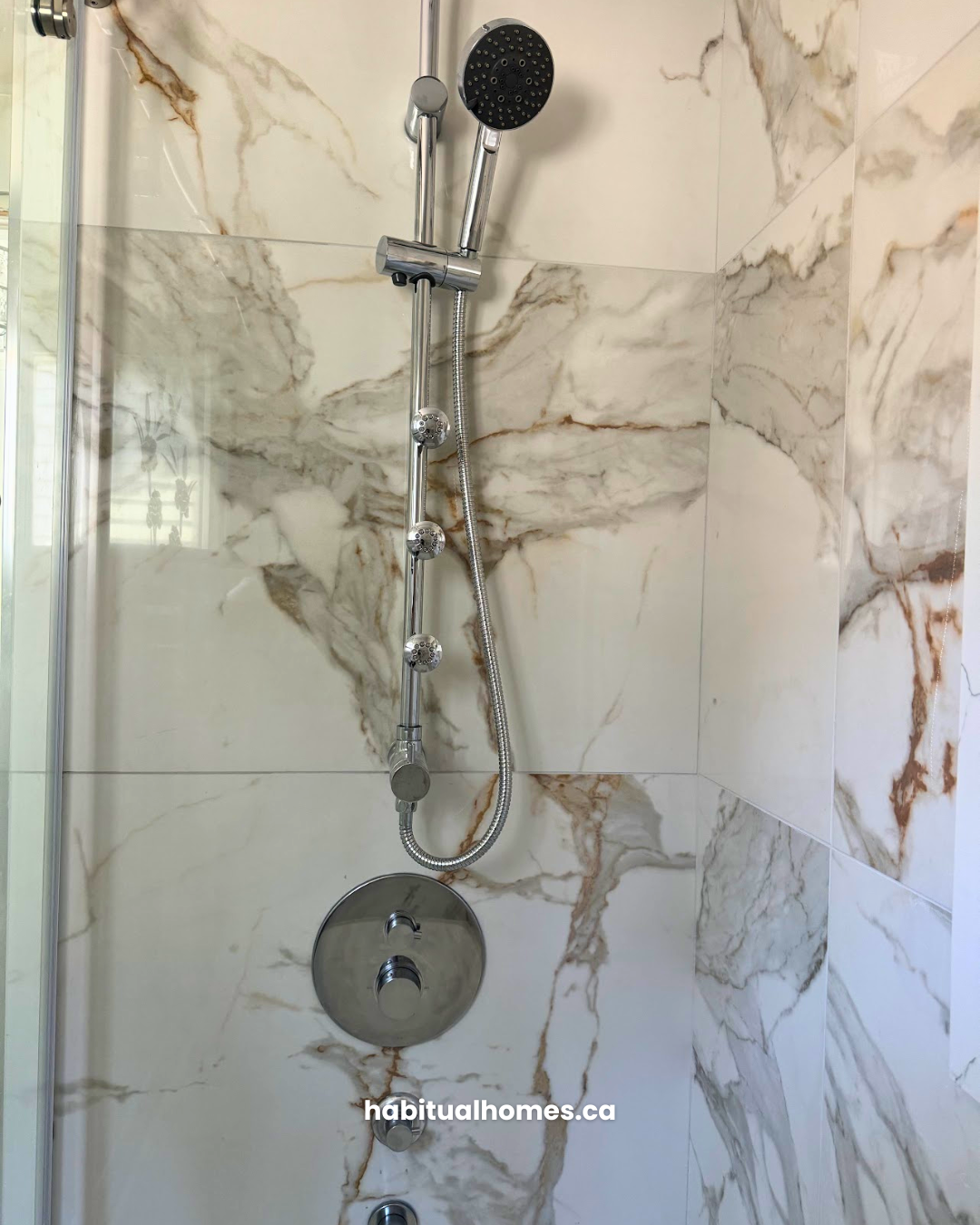
That means sticking with classics—like polished chrome, brushed nickel, or even warm brass when used correctly—finishes that have been around for decades and continue to look fresh because they adapt to the room around them.
What Colour Goes with Black Fixtures in a Bathroom?
If you’re set on using black fixtures, it’s absolutely critical to get the supporting colours right—especially your hard finishes.
So what colours actually work with black?
Black pairs best with true white, light greige, or soft beige that doesn’t lean pink or yellow. It also looks great when combined with warm, natural wood tones that soften its starkness and add an organic feel to the space.
These combinations can create a look that feels rich and balanced if done well.
But here’s where things get tricky: black looks terrible with the wrong undertones.
If your floor tile has a creamy or yellow undertone, or if your countertop is a warm taupe and your walls are greige, black is going to fight with those elements. It’ll look off.
It won’t feel harmonious. And that’s the kind of design mistake that makes a space feel dated fast.
So yes, black can work—but it takes careful planning, and it’s not nearly as flexible as classic metal finishes that quietly support the room instead of dominating it.
Is Black a Good Colour for a Bathroom?
Black, as a colour, brings a lot of visual weight. It grounds a space and creates contrast.
But in a bathroom—a space that’s usually smaller and filled with hard, reflective surfaces—too much contrast can quickly become harsh.
If you’re not using black anywhere in your hard finishes, adding black faucets or a black shower frame can feel out of place. And once you start adding it in one spot, you almost feel obligated to repeat it everywhere—light fixtures, cabinet hardware, mirror frames—just so it doesn’t feel random.
That’s when a design starts to feel over-styled.
And here’s the bigger problem: when black doesn’t relate to anything in the room, it doesn’t look like a well-thought-out decision—it looks like a trendy choice that won’t age well.
Contrast that with a bathroom designed using classic white tile, soft marble, light wood, and brushed nickel or polished chrome.
It feels soft, fresh, and timeless—now and ten years from now.
So, is black a good colour for a bathroom? Only when it’s been considered as part of the bigger picture. If it’s just tossed in because it’s “what’s trending,” the result is a space that dates itself before you even finish the renovation.
Final Thoughts
A bathroom with black fixtures might look chic today, but if your goal is a bathroom that lasts, it’s worth stepping back and asking: Does this finish actually relate to the rest of the room? Does it belong here?
Trendy can be fun—but timeless is peaceful. It feels effortless. And the last thing you want is to renovate now, only to wish you’d chosen something more classic a few years down the road.
Stick with finishes that have already proven themselves. Coordinate your undertones. And design with your future self in mind—because trends come and go, but good design lasts.
The Allure of the Trend:
Black fixtures bring contrast and drama to a space. They stand out against light tiles and create a clean, contemporary aesthetic.
Many homeowners are drawn to black because it feels like a bold design choice. And right now, it is.
But like many bold trends, it comes with an expiration date.
Why It’s Not Timeless:
Timeless design is about balance, longevity, and subtle elegance.
Classic chrome and brushed nickel have stood the test of time because they blend with various styles and can evolve with your space.
In contrast, black fixtures are more of a statement—and statements don’t always age gracefully. They can start to feel dated or overly specific to a certain era.
Maintenance Matters:
Beyond style, black fixtures tend to show water spots, soap scum, and fingerprints more readily than other finishes.
This can make them high maintenance, especially in high-traffic family bathrooms.
What to Consider Instead:
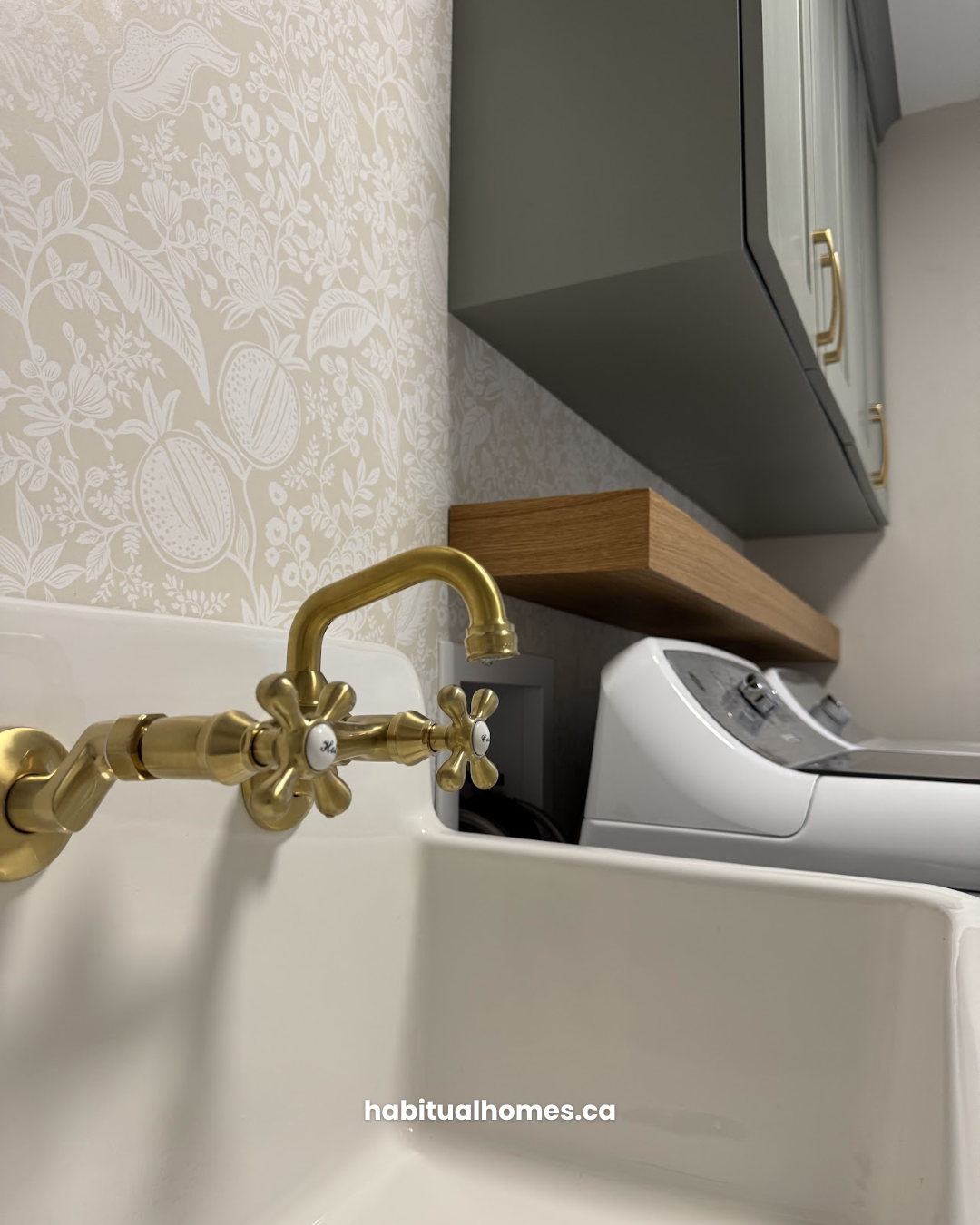
If you love the idea of contrast but want something more flexible, consider soft brushed brass or classic polished chrome.
These finishes offer warmth and shine without locking you into a look that might feel “so 2020s” in just a few years.
While a bathroom with black fixtures might feel like the perfect Instagram-worthy update today, it’s important to ask if it aligns with your long-term vision. If timelessness is your goal, this might be one trend you want to admire from afar.
FAQ Section
Q: Are black fixtures a good idea for a modern bathroom?
A: Yes, black fixtures can work if you are looking to create a modern, bold look. Just keep in mind, they may not feel timeless over the long run.
Q: Do black bathroom fixtures go out of style?
A: Like most trends, black fixtures can date a space over time. They may not have the same longevity as classic finishes like chrome or nickel.
Q: Are black fixtures hard to maintain?
A: They can show water spots, fingerprints, and soap residue more easily, requiring regular cleaning to stay looking sharp.
Q: What are more timeless alternatives to black fixtures?
A: Brushed nickel, chrome, and warm-toned brass are classic options that work across various styles and eras.
Q: Can I mix black fixtures with other finishes?
A: Yes, but do it thoughtfully. Mixing finishes can add depth, but balance is key to avoid a mismatched look.