If you’re planning a bathroom renovation in Toronto, one of the biggest decisions you’ll face is choosing tile. And if you’re like most homeowners I work with, you’re worried about making a choice that will look dated in five or ten years.
I get it. Tile is expensive to install and even more expensive to replace. You want something that will stand the test of time.
So let me show you three tile styles that have been around for 50+ years—some for centuries—and explain why they’ve lasted. These aren’t trends. They’re materials and patterns with proven track records.
The Three Tile Styles That Last
1. Small-Format Tiles
Small-format tiles—hexagons, penny rounds, one-inch squares—go all the way back to Greek and Roman mosaics. But they really became common in residential bathrooms during the Victorian era in the late 1800s.
Why they’ve lasted:
The reason these tiles work is practical. Small tiles can handle movement in older buildings without cracking. But beyond that, the scale just works. When you’re standing in a bathroom, these proportions feel right. They don’t overwhelm the space.
Because each tile is small, the grout lines create a texture that reads as classic rather than stark. You see them on floors, as wainscoting, even on shower walls. White is the most common, but they also come in black, soft colors, or natural stone.
The key is the size and the grid—it’s been working for over a century.
2. Subway Tile
Subway tile—those 3-by-6-inch white rectangles in a running bond pattern—came out of the early 1900s when New York was building its subway system. They needed something durable, easy to clean, and bright enough to reflect light underground. So they used white glazed ceramic tiles.
Why it’s lasted:
It moved into residential bathrooms shortly after and has been there ever since. The reason? Simplicity.
Subway tile doesn’t fight with anything else in the room. It’s not trying to be decorative on its own—it’s just a clean, functional background. The proportions are straightforward, the white reflects light, and it doesn’t demand attention.
You can use it floor to ceiling, or just as a tub surround, or as a backsplash. It’s unpretentious. That’s why it’s lasted.
3. Natural Stone
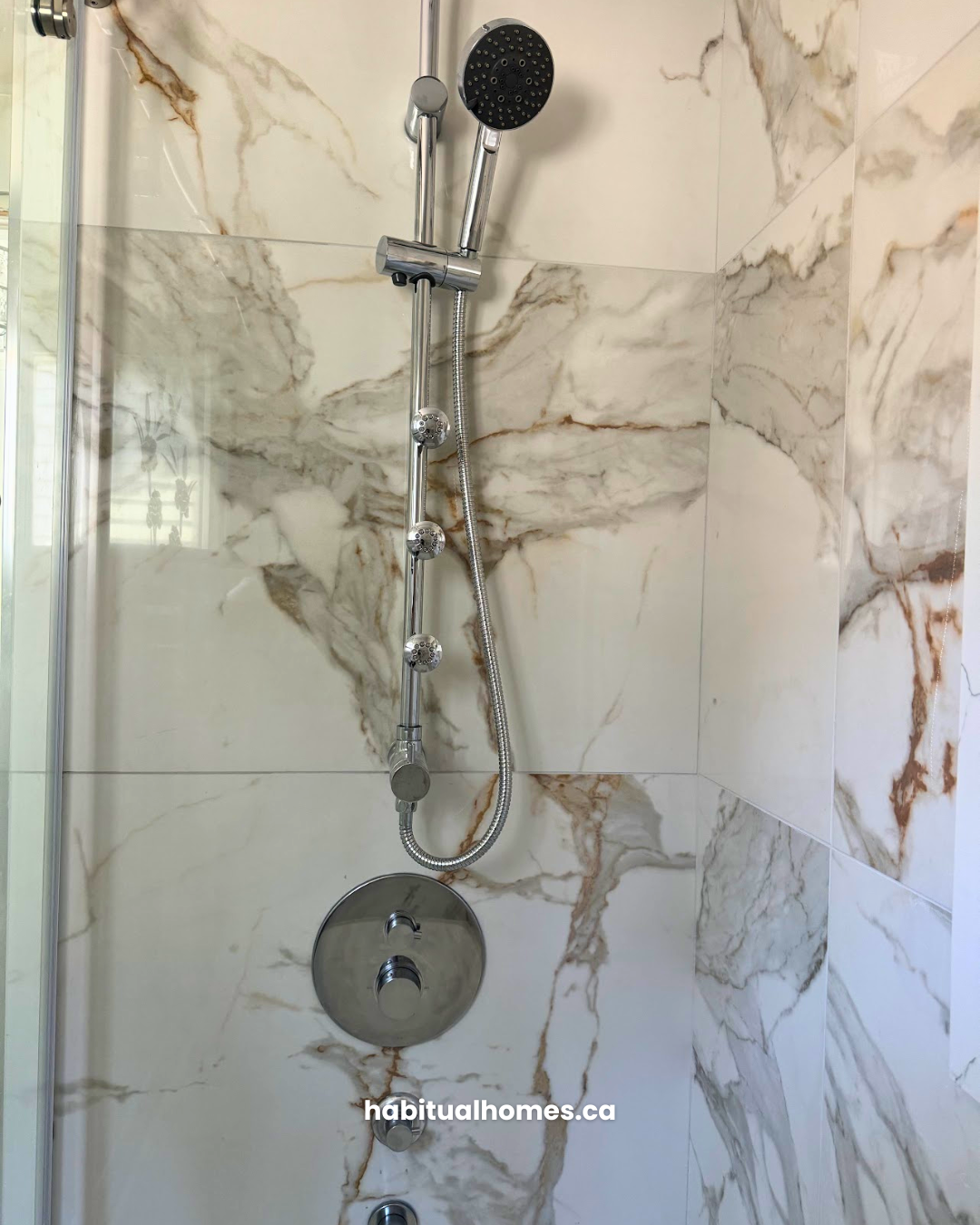
Natural stone—marble, limestone, travertine—is the oldest material on this list. Stone was used in baths long before manufactured tile even existed. Roman baths, Turkish hammams, European estates—stone has been the go-to for centuries.
Why it lasts:
The reason it endures is that it’s a material, not a style. It ages. It develops a patina. It doesn’t look “new” in the way that a manufactured product does, so it doesn’t feel dated when trends shift.
The key here is sticking to neutral tones—whites, warm creams, soft beiges, taupes. Stone that has warmth and natural variation. When you choose stone that looks like it could have come from anywhere in the last two hundred years, it won’t feel locked to this particular decade.
What to Avoid If You Want Your Tile to Age Well
Understanding why something doesn’t last is just as useful as knowing what does. Here’s what I’ve seen date quickly:
Trendy Patterns and Shapes
Geometric patterns, arabesque or fish-scale shapes, oversized subway tiles in unusual layouts—these can look great, but they’re often a reaction to what came before. And that means they’re tied to a moment.
The more a tile is trying to make a statement, the more likely it is to feel dated once the next thing comes along.
Trendy Finishes
High-gloss everything, ultra-matte surfaces, heavily textured tiles that feel very tactile—finishes tend to cycle faster than shapes or colors.
A simple glaze on a classic tile shape will outlast a finish that’s trying too hard to be current.
Colors with Clashing or Busy Undertones
This is the biggest one. Tile colors that box you in—not because they’re trendy, but because the undertones clash with everything else or the pattern is so busy that you can’t change anything without the whole room falling apart.
For example:
- Grey tile with a cool, flat undertone that fights with warm wood or brass fixtures
- Beige tile with a strong orange undertone that only works with certain colors
- Busy patterned tiles in multiple colors where everything else has to work around that palette
You lose flexibility.
Neutral stone or clean white tile gives you room to evolve the space over time—change paint, swap fixtures, update textiles—without ripping out tile.
The Pattern I See
The tiles that last are simple in shape, neutral in color, and made from materials that have been around long enough to prove themselves.
They’re not trying to be the focal point. They’re creating a backdrop that lets you change everything else around them.
Watch the Full Video
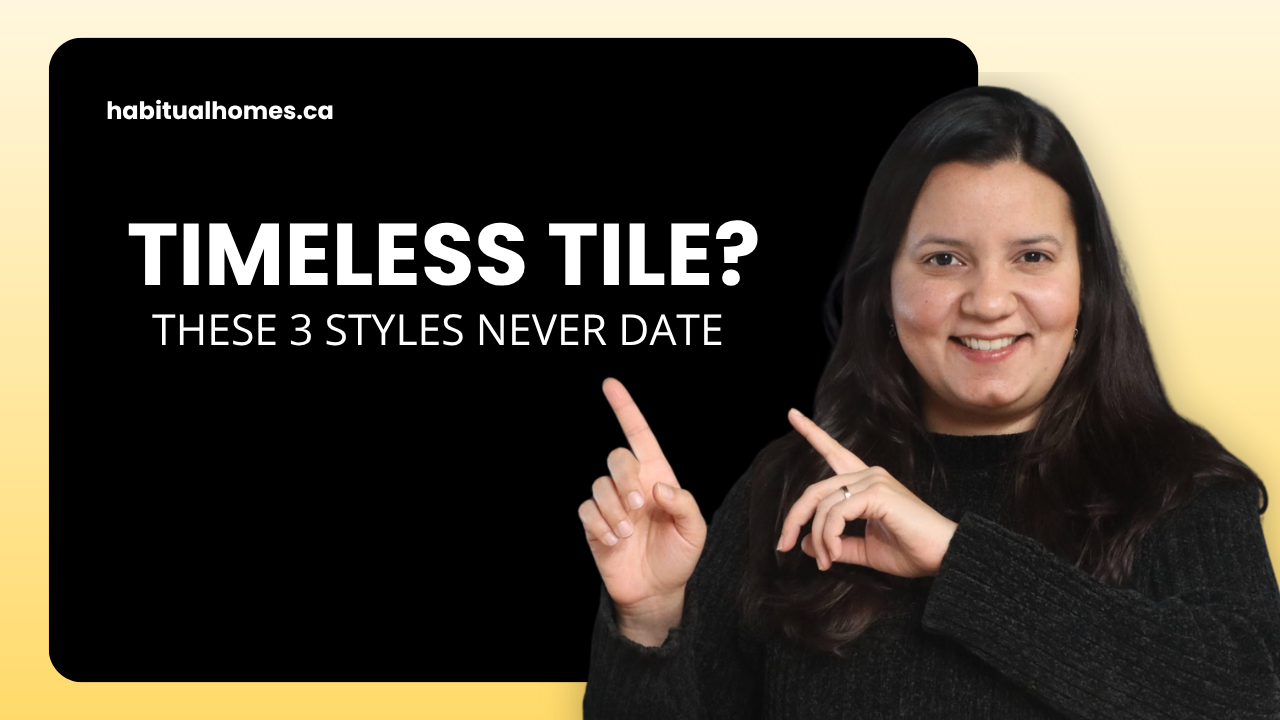
I break down all of this in more detail in my YouTube video, including reference images of each tile type and examples of what to avoid:
Watch: What Bathroom Tile Never Goes Out of Style?
In the video, I show you:
- Historic examples of each tile style still looking beautiful after 50-100+ years
- Specific patterns and finishes that tend to date quickly
- How to think about tile choices in the context of flexibility and longevity
- Real observations from bathrooms I’ve worked on and studied
Planning a Bathroom Renovation in Toronto?
If you’re planning a bathroom renovation and want to talk through your tile options—or any other part of your project—you can book a consultation with us.
I’m happy to walk through your space and help you think through the choices that will serve you well for decades, not just years.
Habitual Homes
Design-build firm specializing in custom homes and renovations
Toronto & GTA
habitualhomes.ca