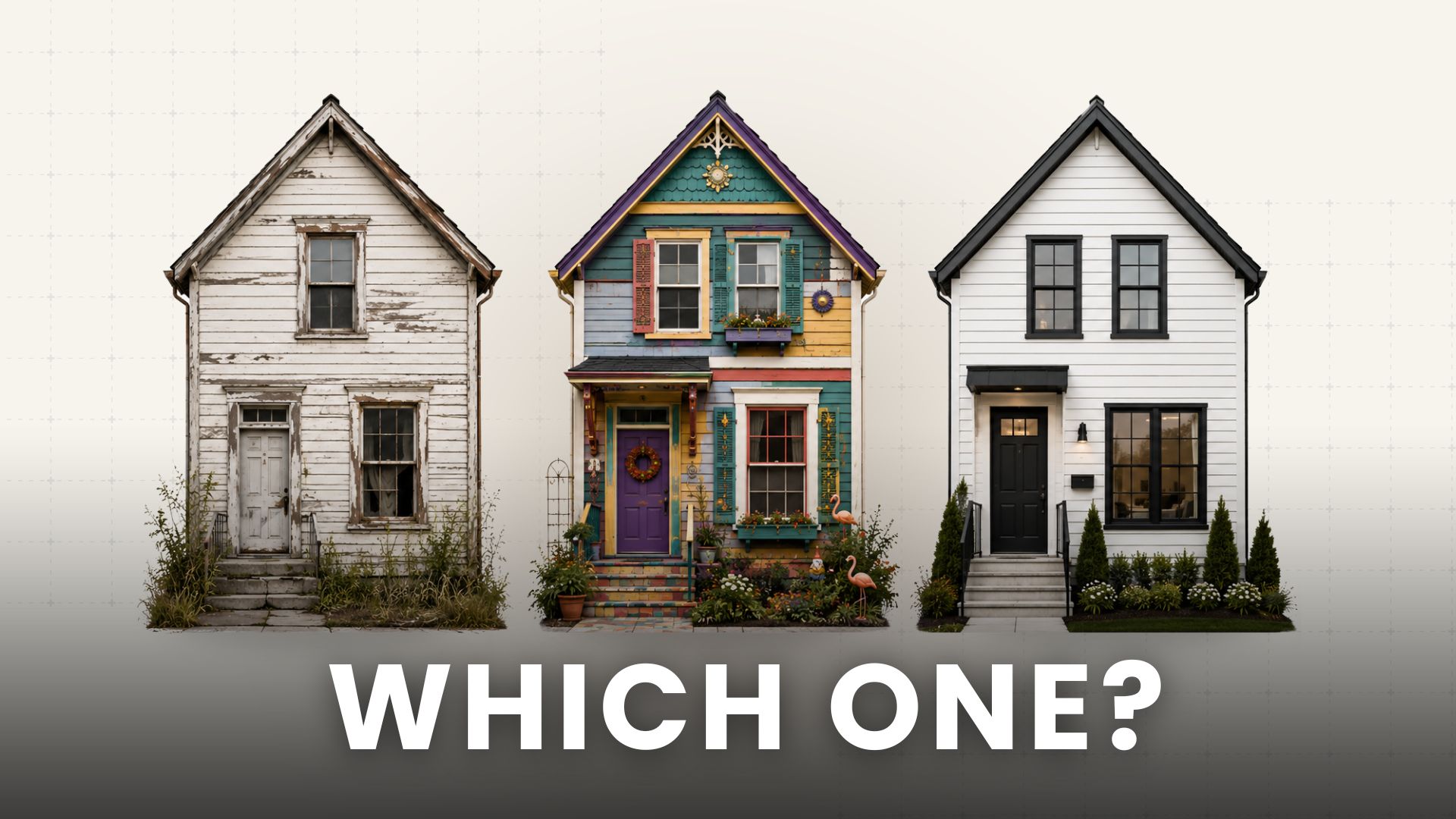
You just bought an old Toronto home, and now you are standing in the middle of it asking the question almost everyone asks: what to renovate first in an old Toronto home. The kitchen looks dated, so the kitchen feels like the answer. Six months later, a lot of people realize they spent the money in the wrong place.
The first thing you fix is not the thing that looks the worst. It depends on what kind of house you bought, and almost no one stops to ask that question first.
There are three kinds of old house you can buy in this city. Each one needs a different first move. And for two of them, the advice everyone gives you is the wrong advice.
Key takeaways
- Old Toronto homes fall into three types, and each one calls for a different first move: a neglected home needs its systems fixed first, an over-personalized home needs its taste sorted before anything else, and a flip needs you to wait.
- Paint works like makeup. You can change it in a weekend and change your mind again in three years. Tile, stone, floors and built-in cabinets work like a tattoo. Once they are in, ripping them out costs close to what installing them did.
- Homes hold their value best when the permanent surfaces stay a calm, well made backdrop and your personality lives in what moves with you: furniture, art, rugs, colour.
- Structure first is the right order only for a genuinely neglected house with failing systems. On a home with good bones and dated taste, it sends your first dollars at a problem the house does not have.
- The fastest way to avoid an expensive mistake is figuring out whether what bothers you is the room or the finish, before you call a contractor.
Why “structure first” is only half the answer
Search this question and you get the same answer everywhere. Structure first. Then the systems. Then the pretty stuff. Fix the foundation, the wiring, the pipes, the things you cannot see. Leave paint and tile for last.
That advice is not wrong. We made a whole video about the renovation order, and it holds up. But it is only half the answer, because it treats every house like the same house: an old, tired house that needs saving.
Most houses are not that. And if you fix structural issues first on a house that already has good bones, you spend your first months and your first dollars solving a problem the house does not have.
The order is not the lesson. Reading the house is the lesson. So before you touch anything, you put your home into one of three types.
When to follow the standard renovation order, and when to flip it
| House condition | Does the standard order apply? | First priority |
|---|---|---|
| Failing systems (old wiring, old pipes) | Yes | Structure and systems |
| Good bones, bold personal finishes | No | Paint first, then plan the tattoo level work |
| Recent flip with neutral finishes | No | Wait and live in it before spending |
| Structural issues plus dated finishes | Yes | Systems first, look and feel later |
The three kinds of old Toronto home
Hold three pictures in your head, because they decide everything. The bones are the structure. The makeup is paint, and it wipes off. The tattoo is tile, stone, floors and cabinets, the things that live under the skin, the things you have to rip out.
Makeup versus tattoo: what changes easily and what does not
| Surface type | Category | How easily it changes |
|---|---|---|
| Paint and wall colour | Makeup | A weekend and a roller. Change your mind again later. |
| Tile and stone surfaces | Tattoo | Ripping it out costs close to what installing it did. |
| Light fixtures and hardware | Makeup | Unscrews and swaps out without a contractor. |
| Cabinets and built ins | Tattoo | Full demolition to remove or replace. |
| Flooring | Tattoo | Same cost and disruption as the first install. |
Type one: the neglected house
This is the one everyone pictures. The real fixer-upper. An old kitchen no one has touched in years. Worn hardwood floors. Pipes and wiring near the end of their life, sometimes knob and tube still hiding in the walls. Things that are actually broken, not just old looking.
If this is your house, the normal advice is right, and we will not repeat all of it here. We already broke it down step by step in The Renovation Order Architects Use. Go watch that one, because for this house the order really matters, and getting it wrong is expensive.
But here is the part most people miss. Most people think they bought this house. They actually bought one of the next two, and that is where the money gets wasted.
Type two: the over-personalized house
The second type looks done. The bones are good, the systems work, but the whole house is wrapped in someone else’s taste.
We have walked into homes like this many times. The owner before made the house all about them. Mustard walls in every room. A painting across the kitchen ceiling. Bright red tile. Bold colour everywhere you look.
And here is the trap. It is not just personal, it is also dated. That taste belongs to one moment in time, and it is all over the house. So you are seeing two things at once, a style that is not yours and a style that already feels old. That is a lot to take in at the front door.
The bones are fine, so your first move flips. It is not about structure, it is about taste. But this is exactly where people get it wrong, so let us slow down.
Paint is makeup. It wipes off. The mustard walls, the painted ceiling, that is one weekend and it is inexpensive. Start there. You will feel the whole house change fast.
But tile, stone, floors and cabinets are not makeup. That is a tattoo. It is under the skin. You do not wipe it off, you rip it out. And in a house like this, most of the taste lives in the tattoo, not the makeup. The red tile, the heavy bathroom, the cabinets. To make them yours, you tear out things that work perfectly fine. There is nothing wrong with them except the taste, and that is enough to want them gone.
So your first move here has two speeds. Paint this weekend, inexpensive. The tile and the bathrooms wait for a real budget, the same size of job as a full gut renovation. The only difference is that you are tearing out things that are not broken.
Hold onto this, because we come back to it. The mistake in this house was not being bold. Bold is good. The mistake was putting the bold in the wrong place, in the tile, in the ceiling, in the things that get stuck.
Type three: the flip
The third type fools people the most, because nothing looks wrong.
It is the flip, fixed up to sell. Everything is new. Beige or grey, the same tone in every room. A plain white kitchen. The same lifeless quartz on every counter. Matching bathrooms. Staged to look good in photos. You walk in and think, this is perfect, what would I even change.
That feeling is the answer. Nothing. Not yet.
Nothing here is wrong, it is just no one’s. And it is not only the colour, it is the materials too. The builder quartz, the same grey floor in every room, the safe little taps and handles. They were picked to look renovated, not to mean anything.
Playing it safe is still a choice. Someone picked all of it on purpose, to please everyone and sell fast. Living with a flipper’s sell-it choices is just as much not-yours as living with the last owner’s mustard. It just does not feel that way, because beige hides.
Here is what usually shows up once you actually live in one. A flip is built to be photographed, not lived in, and the gap between those two things surfaces in ordinary moments. The kitchen island is sized to look clean in photos, not to prep dinner for four people. Storage gets sized for staging, not for the depth of an actual coat closet. Lighting looks good switched off and turns harsh the moment you switch it on, because the fixtures were chosen for how they photograph, not for how they light a room. The shower has no shelf, because no one who worked on the flip ever showered there.
None of that is a reason to gut the place in year one. The expensive mistake is not the flip itself. It is spending money to redo things that were just redone, because they were designed to sell, not to be lived in.
So your first move here is almost a brake. Do not touch anything for a while. Give it a full year if you can. Every time something creates friction, the drawer that is too shallow, the counter too far from the stove, the bathroom with nowhere to put anything, write it down. After twelve months you have a real list, built from how you actually live, not from taste or boredom. That list is worth spending on, because you only fix it once.
Three questions before you touch anything
So how do you know which house you bought? Three questions.
One. Are the systems healthy or not? Wiring, pipes, roof, foundation. This is the one part you really check, not guess. If they are failing, you might have the first house, and the renovation order video is your next stop.
Two. The thing I do not like, is it the structure or the finish? A wall in the wrong spot is structure. A colour, a tile, a counter is finish. They feel the same when it is all too much and you are standing at the front door, but they are not the same. And remember, some finish is makeup and some is a tattoo. Paint comes off easy and inexpensive. Tile and stone you have to rip out.
Three. Am I reacting to the colour or to the room? This one saves you the most money. Paint the room in your head, and if the problem goes away, it was never the room. It was the paint.
Here is how to actually run that test. Stand in the room, close your eyes, and repaint the whole thing in your head in a colour you love. White, sage, charcoal, whatever you would actually pick. Open your eyes. If the room feels better already, the problem was the colour, and that is a weekend fix, not a contractor. If the room still feels wrong once you have repainted it in your head, the problem is the room itself: the layout, the light, the flow, the size. That is worth real money.
Old Toronto homes make this test matter more than most, because they usually come with tall ceilings, crown moulding, original hardwood and windows that open. Those bones are worth keeping. Someone just painted over them in mustard, or brown, or that particular landlord beige that makes a room feel tired no matter what is in it. The paint is lying to you about the room. If you are not sure, repaint the room you like least, live with it for two weeks, and see if that was the whole problem before you plan anything bigger.
Answer those three and you have sorted your own house, and your first move falls right out of the answer.
The three question house assessment
| Question | What it tells you | What to do next |
|---|---|---|
| Are the systems healthy? | Whether you actually bought a neglected house | Check wiring, plumbing and foundation first |
| Is it structure or finish? | Whether you need demolition or paint | Sort what bothers you into makeup and tattoo |
| Am I reacting to colour or to the room? | Whether the layout really needs to change | Repaint it in your head before you budget for anything bigger |
Where your personality should actually go
Here is the part that matters long after you move in.
Go back to that second house, the bold one. The real mistake was not the colour, bold is good. The mistake was where they put it. They put their personality into the house itself, the tile, the stone, the ceiling, the parts that stay, the parts you cannot peel off. So their taste got stuck, and the next person has to tear out things that work perfectly fine just to get the taste out.
But do not hear the wrong lesson. The fix is not to play it safe, go neutral and think about the buyer. That is the flip’s mistake, a house with no soul.
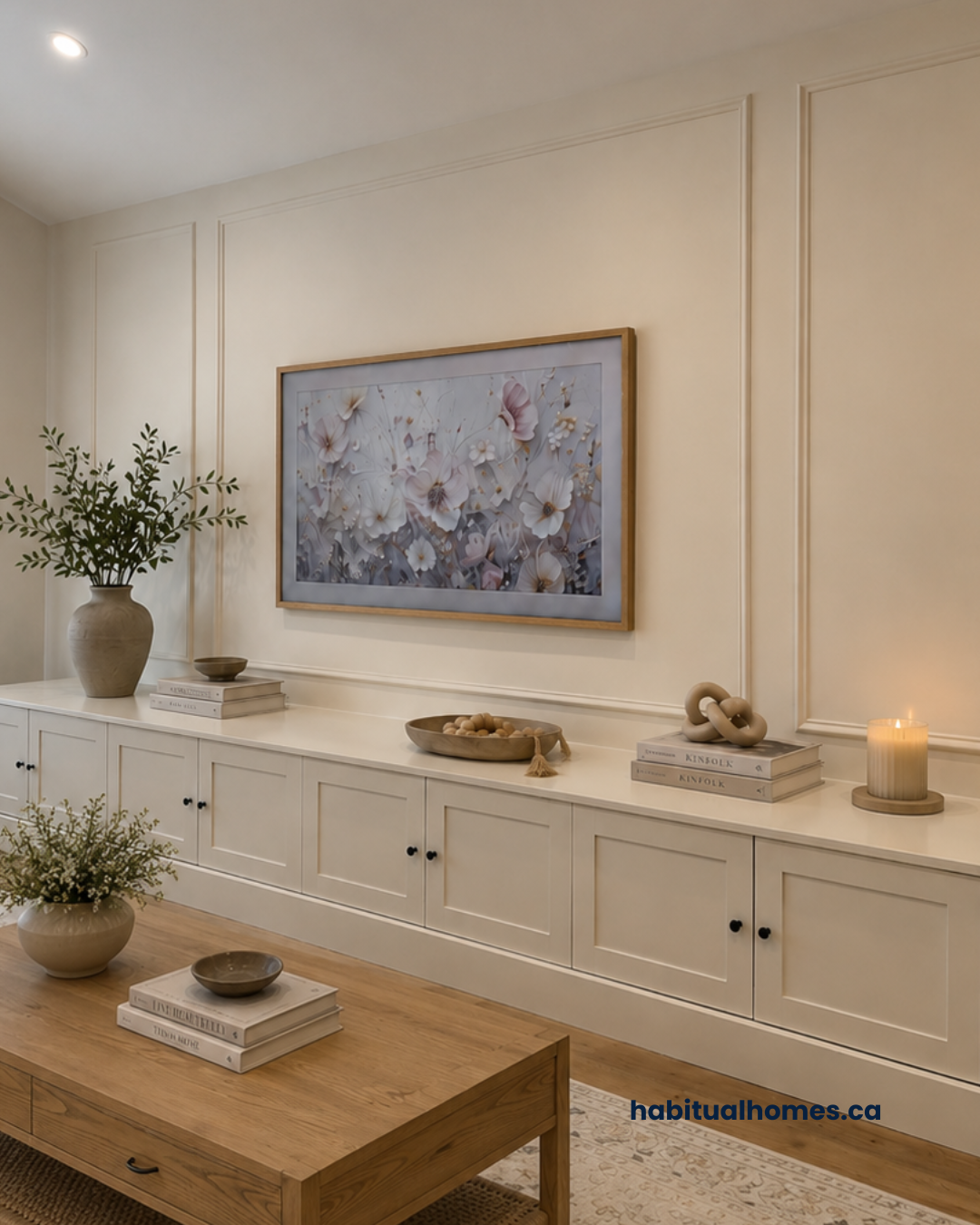
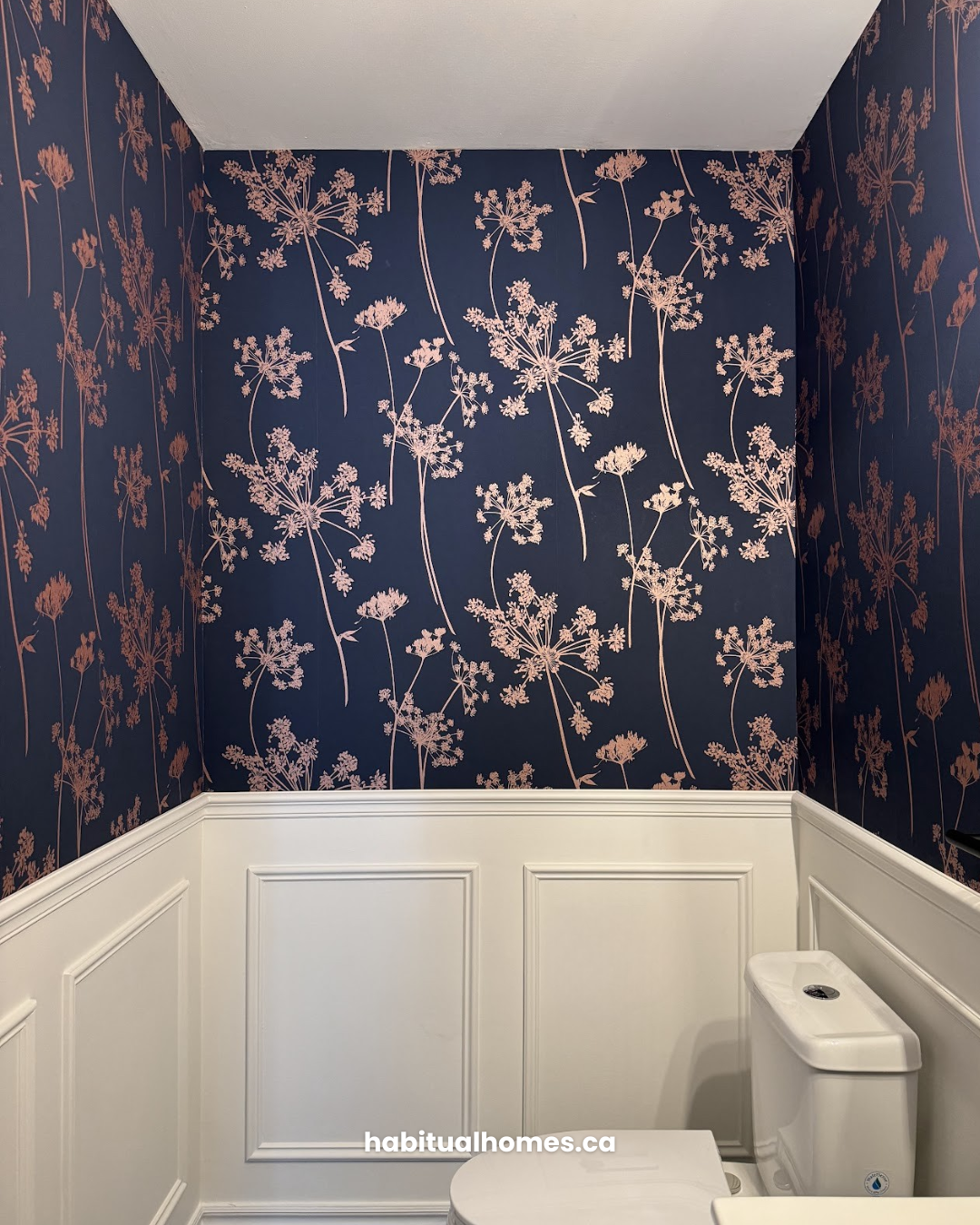
The real lesson is about where your personality goes. The hard stuff, the tile, the stone, the floors, the details built into the house, works best as a backdrop. Not boring. Chosen well. Good tile, good stone, good floors, good details, all speaking the same language. Because they are good and they agree with each other, they last. That part stays with the house.
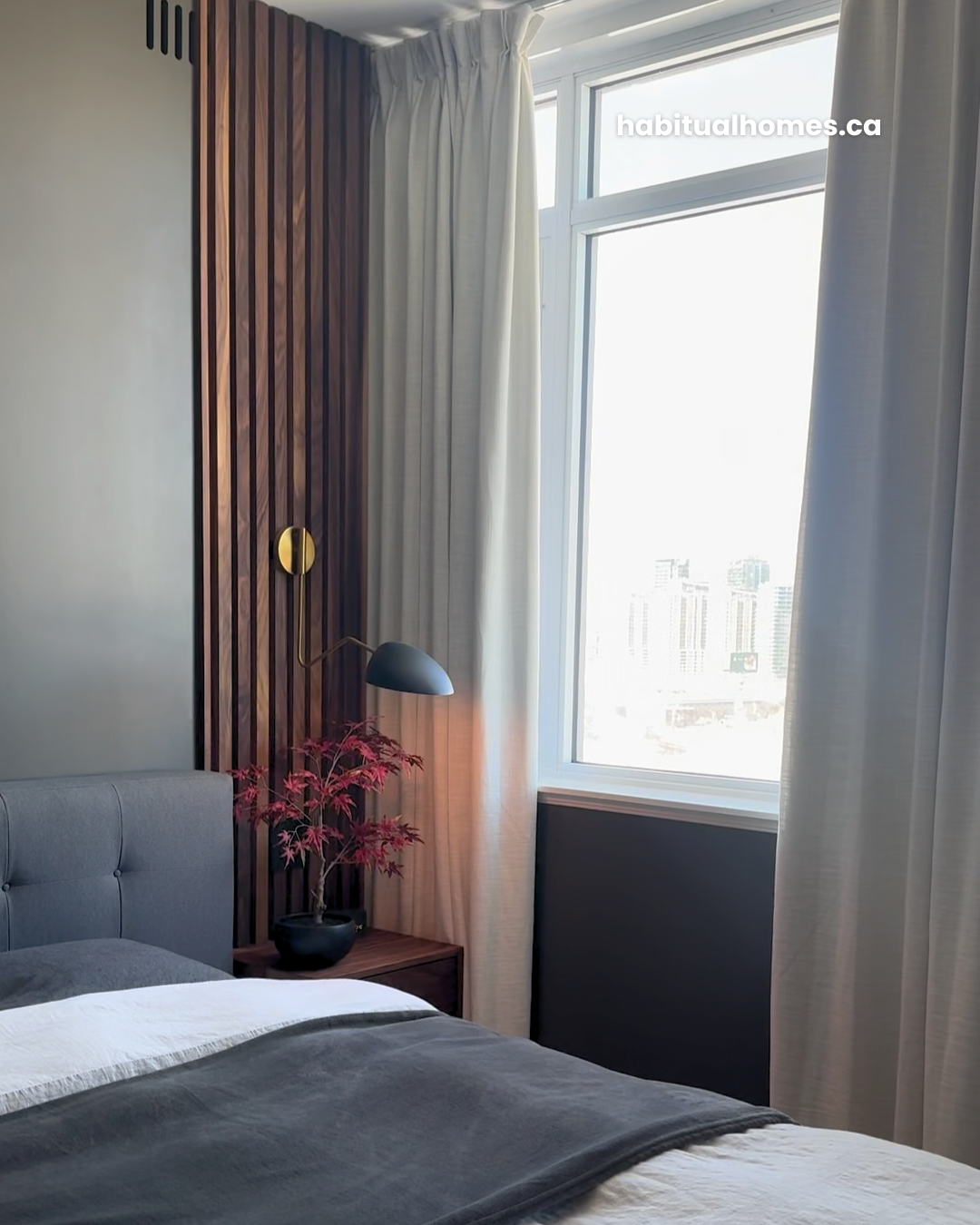
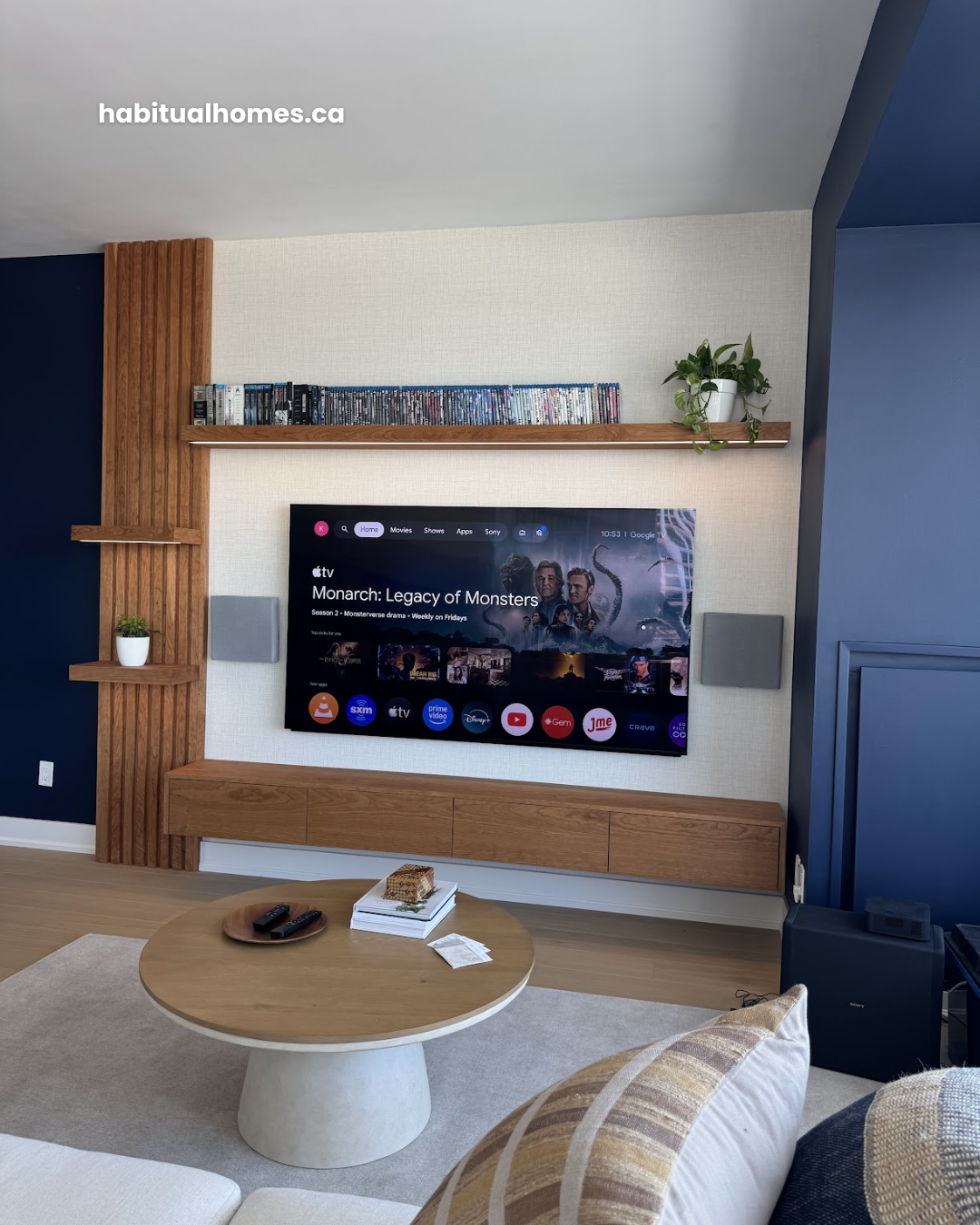
Your personality goes into what you take with you. The furniture, the art, the rugs, the colour you love. There, be as bold as you want, because you are not gluing your taste to the walls. Change your mind in three years and you change the sofa, you do not rip out a bathroom. Move out and you take your personality with you in the truck, and you leave good bones behind.
And that is the home that holds its property value. Not because it is neutral, but because the next person does not arrive to demolish. They arrive to set their own furniture on your good bones. You saved them the tear-out, and that is real value.
So here is the whole thing in one line. The house is the backdrop. You are the furniture. Put your soul in what moves, not in what is stuck.
Backdrop versus personality: where your choices go
| Element type | Where it belongs | How long it should last |
|---|---|---|
| Tile, stone, floors, built in details | High quality backdrop, chosen to agree with each other | The life of the house |
| Furniture, art, rugs, bold colour | Personal expression, as bold as you want | Changes with you, leaves with you |
| Paint and other removable finishes | The changeable layer of personality | A few years, easy to redo |
Renovation choices that protect value versus choices that work against it
| Decision | Effect on resale value | Why |
|---|---|---|
| Quality backdrop surfaces that age well | Protects value | The next buyer adds their own style without tearing anything out |
| Bold personal taste in permanent tile or stone | Works against value | Forces the next buyer to remove materials that still function |
| Flipper grade neutral everything | Neutral | Looks finished but offers nothing beyond what is safe |
| Original details preserved alongside good finishes | Protects value | Character and function together |
How to split your renovation budget between what moves and what stays
Every renovation budget really has two sides, but most people build it as one pile of money. That is where the confusion starts.
One side pays for makeup: paint, hardware, light fixtures, anything you can unscrew or repaint. The other side pays for tattoo level work: tile, stone, built-in cabinets, floors, anything you would have to rip out to change.
The difference matters because of what each side lets you do later. Makeup level choices let you change your mind. Repaint in three years when your taste shifts, swap the lighting when you get tired of it, all at low cost and low commitment. Tattoo level choices lock you in. The tile you choose today is what you are looking at for a decade or more, because removing it again costs close to what installing it did the first time, sometimes more.
A simple question sorts almost anything into the right side: if you changed your mind in three years, would you need a sledgehammer to fix it? If yes, budget for it like a tattoo. Go classic, well made, and calm enough to still look right in ten years. Not boring, just not so tied to this exact moment that it dates itself the way the last owner’s choices did.
This is where an old Toronto home already has an advantage. Original hardwood, tall ceilings, real plaster, these are tattoo level decisions someone already made well, and they still work. Your job is not to redo all of it. It is to add the right makeup, and only touch the tattoo level surfaces that are actually failing or actually wrong for how you live. That is how the house protects your investment and still ends up feeling like yours.
What to remember before you spend a dollar
Reading your house type first decides your entire opening move, and it keeps you from paying to solve a problem your house does not actually have, whether that would have been structural work on bones that are already sound or cosmetic changes on surfaces that already do their job.
Paint behaves like makeup. It comes off easily and cheaply. Tile, stone, floors and cabinets behave like a tattoo, and removing them means real demolition. That difference alone can be worth tens of thousands of dollars, depending on which side of the line your dissatisfaction actually falls on.
Repainting the room in your head tells you whether you dislike the room or just the colour, before you spend a dollar on layout changes you may never have needed.
Permanent surfaces work best as a high quality backdrop, while your personality lives in what moves: furniture, art, rugs, colour. That way your taste is never glued to the walls, and the next owner never has to demolish something that works just to get your look out of the house.
Living in a flip for a full year, before changing anything, is what tells you which problems are real and which ones were just boredom. It is also what stops you from paying twice to redo something that was only just finished, because it was built to photograph well, not to be lived in.
So what should you renovate first?
If you bought the neglected house, start with the systems and follow the renovation order. If you bought the over-personalized house, start with paint this weekend and plan the tattoo level work for a real budget. If you bought the flip, start by doing nothing, and let the house tell you what it is missing.
The right question was never “will the next buyer like this.” That fear does not let you live. The right question is whether everything speaks the same language, and whether it will still look good in ten years. That is a design question, not a sales one.
Frequently asked questions
What should I renovate first in an old house?
Start by identifying which kind of house you bought. A neglected house needs its systems and structure first. An over-personalized house needs paint first, then a planned tile and bathroom budget. A flip needs you to wait and live in it before you change anything.
Should I always fix structure first in an older home?
Only if the structure actually needs it. Structure first is the right order for a neglected house with failing wiring, pipes or foundation. On a home with good bones, spending your first dollars on structural work solves a problem the house does not have.
Is it worth renovating an old Toronto home?
Yes, when you renovate in the right order for your house type. Older Toronto homes often have high ceilings, hardwood floors and architectural details that are hard to find in new builds. Good bones plus well chosen finishes protect resale value.
How do I know if it is the paint or the room that bothers me?
Repaint the room in your head. If the problem disappears, it was never the room, it was the colour. Paint is the cheapest change in any home, so test that idea before you plan anything bigger.
What renovation mistake costs the most in an old home?
Putting bold, personal taste into permanent surfaces like tile, stone and built-in cabinets. When your taste is glued to the walls, every future change means tearing out things that still work. Keep the permanent surfaces calm and put personality into furniture and art.
How long should I wait before renovating a home I just bought?
If you bought a flip or an over-personalized home and the systems are working, give it at least six months, ideally a full year, before making anything permanent. That waiting period shows you the real friction points in daily life instead of your first impression at the front door. The renovation list you end up with is worth more, because it comes from how you actually live in the space, not from how it looked on move-in day.
Can I mix bold personal taste with good resale value?
Yes. Put the bold choices where they can move: paint colour, art, furniture, rugs. Keep the permanent surfaces, tile and cabinetry among them, as a calm, high quality backdrop. That way you get to live with your full personality while you are there, and the next owner can add their own style without tearing anything out. The house holds its value because nobody has to demolish your taste to move in.
What if my old Toronto home needs both structural work and cosmetic updates?
Handle the structure and the systems first, then pause before spending on the finishes. A lot of homeowners move straight from structural work into cosmetic decisions and regret the choices later, because they were made under construction fatigue, not clarity. Once the bones are sound, live in the space for a few weeks and let it tell you what actually needs to change before you commit to tile, cabinetry, or anything else permanent.
Is it worth keeping original features in an old Toronto home?
Usually, yes. Hardwood floors, tall ceilings, crown moulding and plaster walls are often better built than what replaces them, and they give a house character that is hard to fake in a newer build. They are also expensive to recreate once they are gone. Restore and refinish original features rather than ripping them out, unless they are genuinely structurally compromised.
How do I build a realistic renovation budget for an old Toronto home?
Split the budget into two mental categories before you spend anything: the makeup layer (paint, hardware, light fixtures, anything reversible) and the tattoo layer (tile, stone, cabinets, flooring, anything permanent). The tattoo layer is where most of the money and the commitment should go, because it is what you and the next owner will live with for years. Build in a contingency of 10 to 20 percent on top of your renovation estimate specifically for old home surprises: things like outdated wiring or code updates that only show up once the walls are open.
Reading your house before you spend
Once you know your house type, the next decision is the surface that is most expensive to undo and the easiest to date: bathroom tile. It is the perfect test of the backdrop rule. Get it wrong and it is the tattoo you most regret. Get it right and it disappears into the background and lets you change your mind for years. Read What Bathroom Tile Never Goes Out of Style? next.
If you want a second set of eyes on which of the three houses you bought before you spend a dollar, book a consultation with Habitual Homes. We are a licensed Toronto design-build studio, and reading the house is the first thing we do.