When people come to us for media wall ideas for a cozy living room, the worry is almost always the same. They love the clean, built-in look, but they do not want the room to feel like a showroom or a tech zone. A media wall can absolutely be cozy. It just has to feel intentional, not like the television screen is the only thing happening on the entire wall.
The trick is balance. A wall-mounted TV is a strong black rectangle, so the real job is to soften everything around it. Built-ins, warm wood tones, layered styling, closed storage, and soft lighting turn the whole thing into a designed feature instead of a place where the electronics live. Below are the ideas we come back to most often when we want a media wall that feels warm, useful, and calm.
Start With Balance: The TV Is a Focal Point, Not the Whole Room
The most common mistake we see is treating the television as the star and building everything to point at it. A cozy living room works better when the TV is one focal point among several, not the only one.
Give the screen some breathing room. When a wall-mounted TV sits in the middle of an empty surface with nothing around it to relate to, it reads as cold. Surround it with elements that have their own visual appeal, like cabinetry, shelving, and texture, and suddenly the screen settles into the design rather than dominating it.
A simple way to think about it: the TV should feel framed by the wall, not stuck on it. That framing is what separates a true living room media wall from a flat panel screwed above a standard TV stand.
Build Warmth In: Cabinetry, Wood Tones, and Texture
This is where most of the coziness actually comes from. A well-designed media wall almost always combines a few materials so the eye has somewhere soft to land.
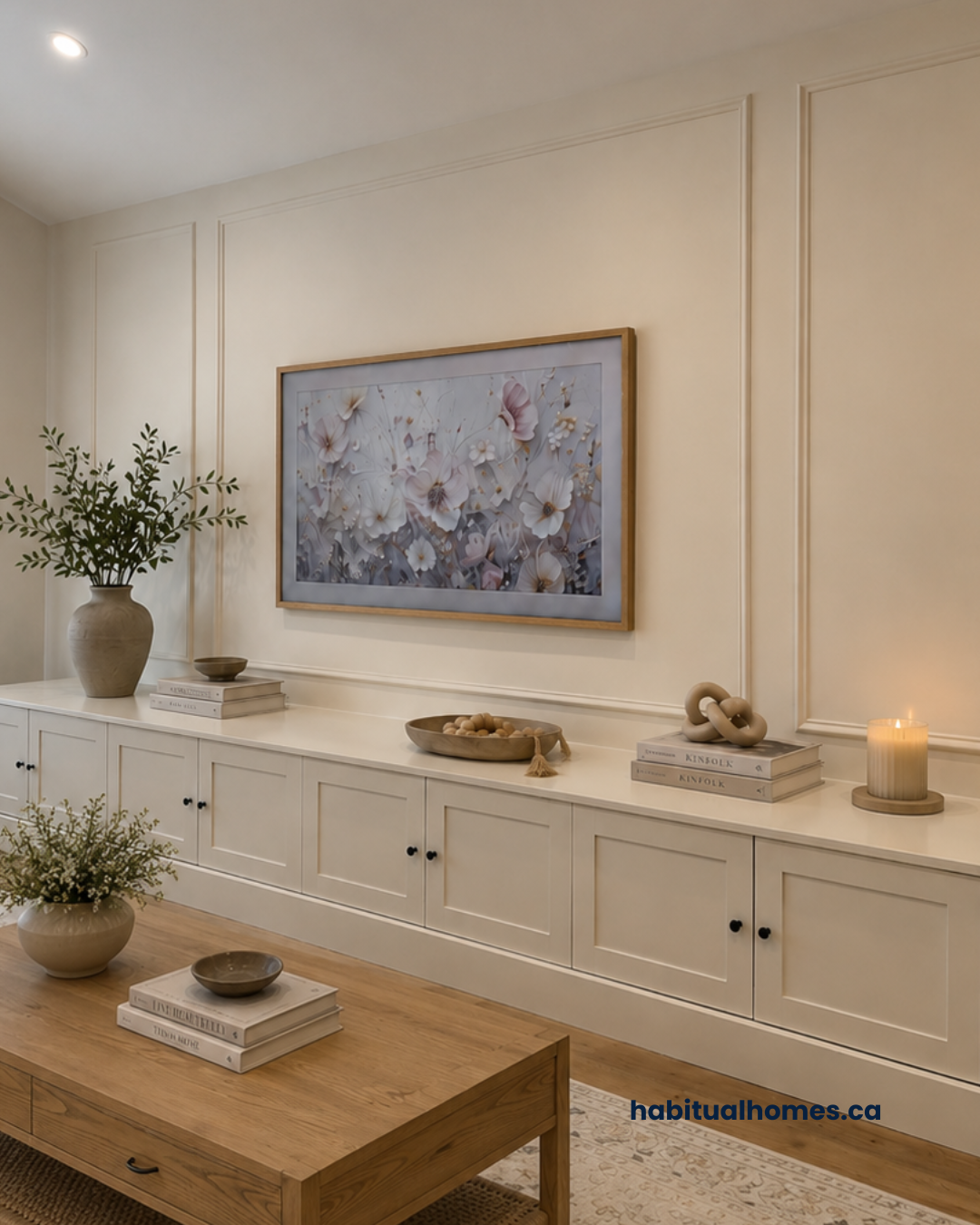
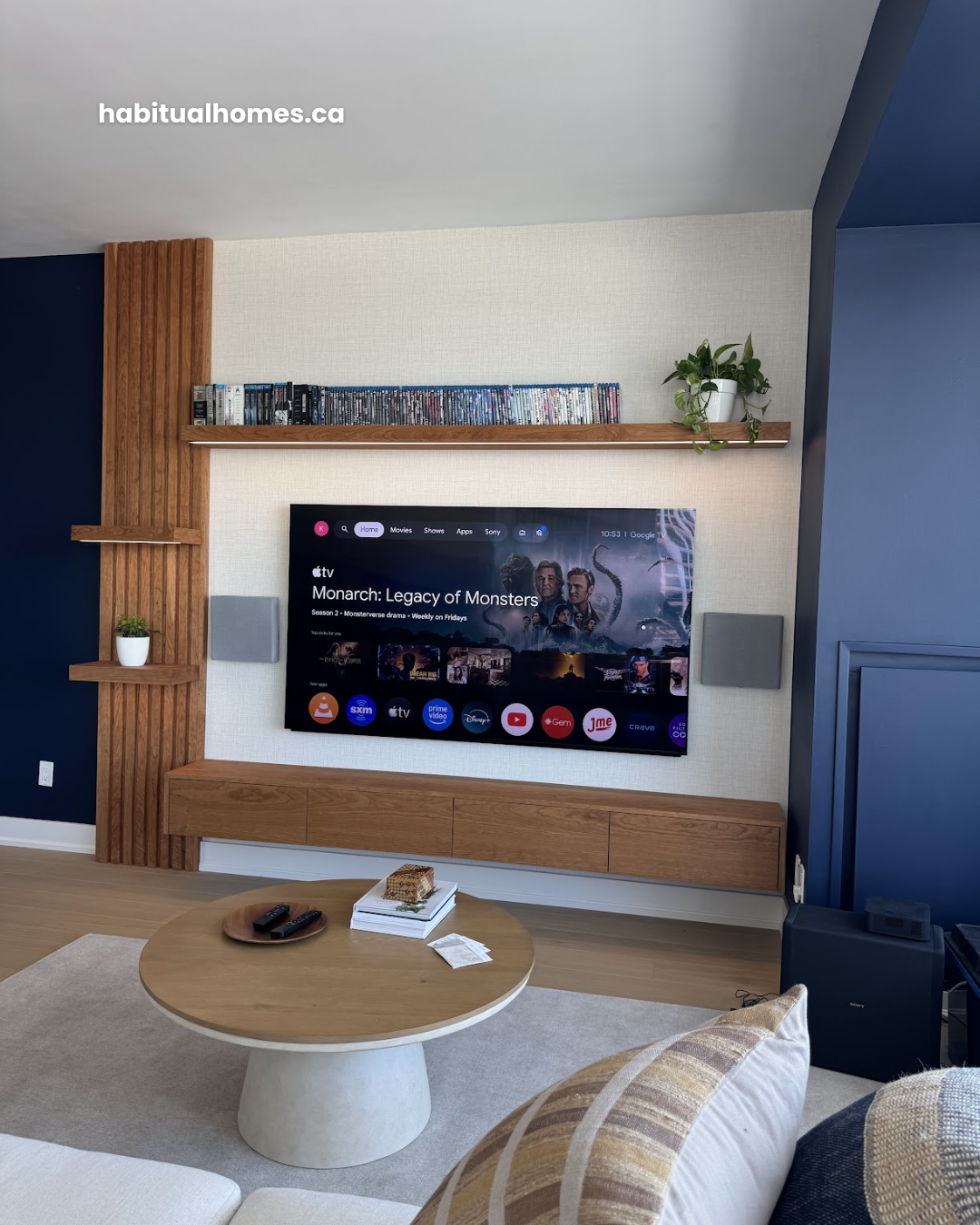
We like a mix of function and warmth. Lower cabinets hide the everyday things, the remotes, the cables, the games, the clutter that builds up in any living space. Open shelves above hold books and collected pieces. That combination of open shelving and closed cabinetry keeps the wall feeling lived in without looking messy.
Material is what tips a media wall from modern to genuinely cozy. A few options we reach for:
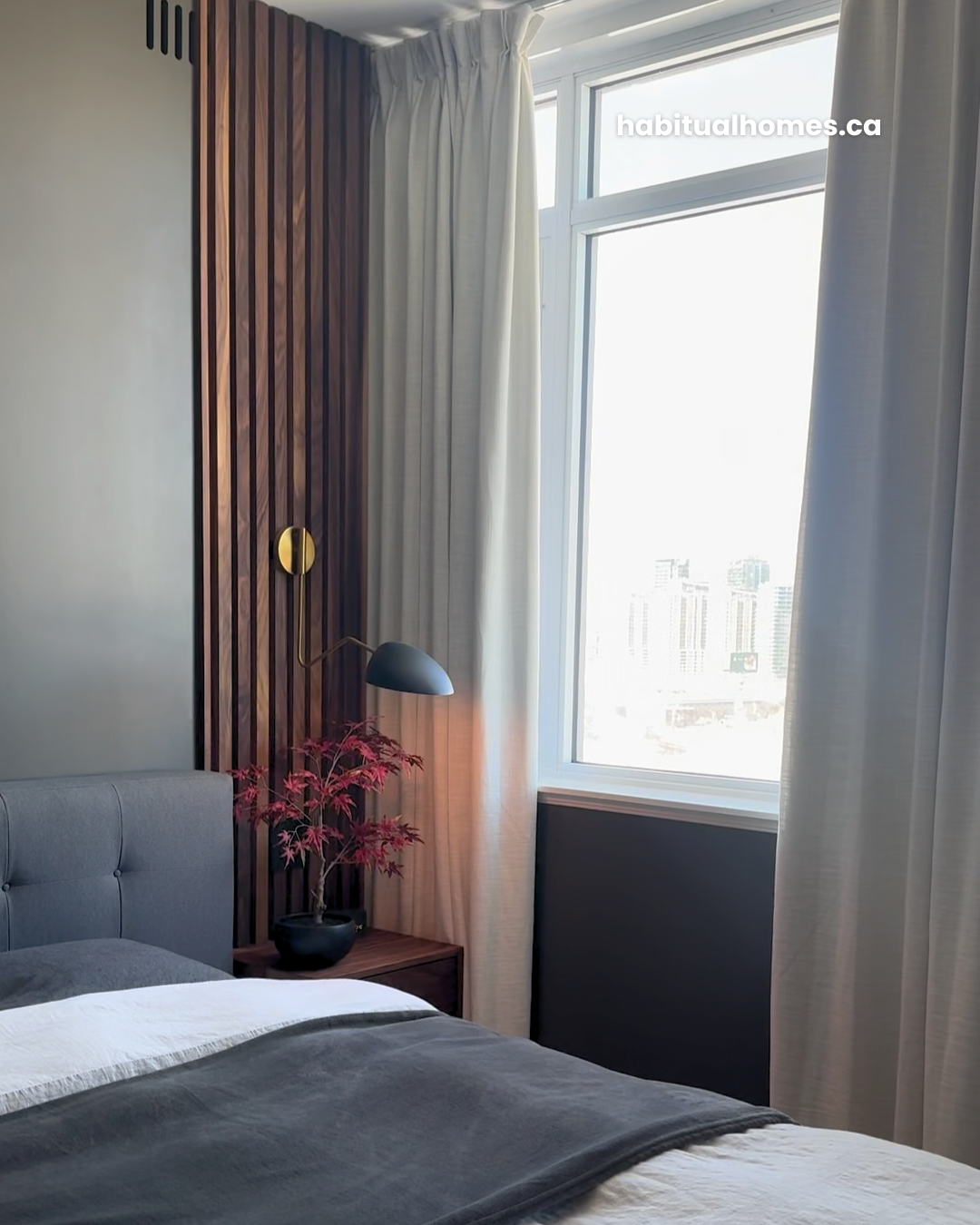
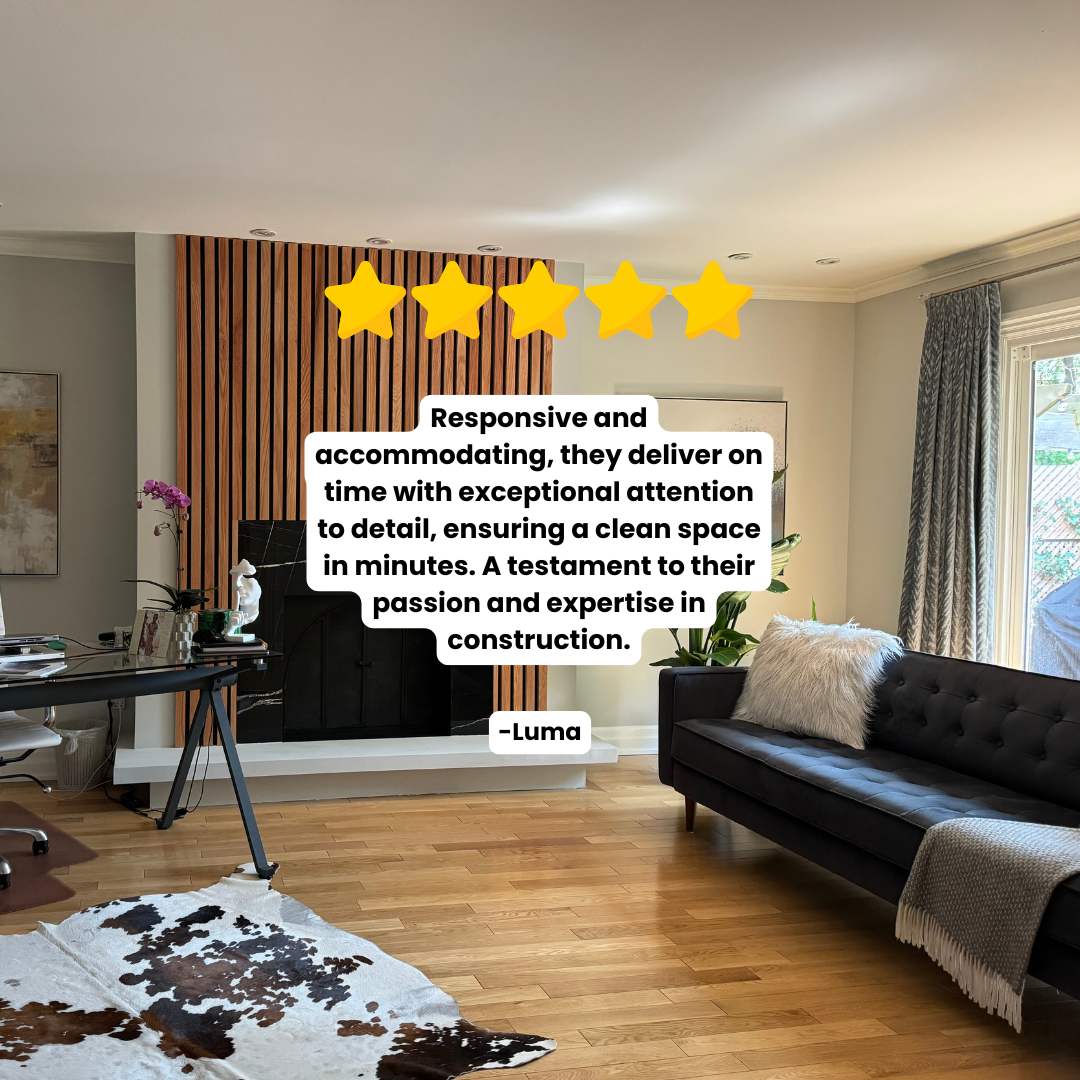
- Vertical paneling behind the television, which adds rhythm and a handmade feel without shouting for attention.
- Natural wood tones on the shelving or cabinet fronts, which warm up an otherwise cool, screen-heavy wall.
- Plaster or a warm paint color as a backdrop, which softens the light and gives the TV a calmer surface to sit against.
- Stone or brick for a heavier, grounded texture when the room can carry it.
Clean lines still matter. Built-in cabinetry with simple, flat fronts and a little natural wood reads warm and modern at the same time. You do not need heavy ornament to get there.
If you like the panelled look, we go deeper on it in our piece on TV wall wood slats, which is one of the easiest ways to add warmth behind a screen.
Lighting Makes a Media Wall Feel Cozy
Lighting is the part people forget, and it is honestly the fastest route to a cozy feeling in the evening. A wall lit only by the glow of the screen feels stark. A wall with its own soft light feels like a room you want to sit in.
A few approaches that work:
- Integrated shelf lighting, a thin strip tucked under or behind the shelves, gives a soft glow that makes the whole unit feel custom.
- Picture lights or sconces on either side of the TV add ambient lighting and a sense of warmth at eye level.
- A dimmer on whatever you choose, so the wall can go from bright and functional during the day to low and calm on quiet evenings.
The goal is layered light, not one harsh source. When the media wall has its own gentle light, the black rectangle of the TV stops being the brightest thing in the room.
Should You Add an Electric Fireplace?
Electric fireplaces have become one of the most popular ways to make a media wall feel cozy, and for good reason. A fireplace gives the wall a second focal point below the screen, which immediately takes pressure off the TV to carry the whole design.
Modern electric models are simple to build in, with no venting and customizable flame effects you can run with or without heat. That flexibility is part of the appeal. On a cool Toronto evening you get real warmth, and in summer you can keep the soft flame glow without the heat. It is a different experience from a traditional fireplace, but for a built-in media wall it is often the more practical choice.
If you go this route, plan the proportions early. A fireplace that is too small under a large TV looks like an afterthought. We usually want the fireplace, the screen, and the cabinetry to feel like one composition, with the flame sitting low as a warm anchor for the whole wall.
Media Wall Ideas for a Small Living Room
A media wall is not just for larger living rooms. In compact rooms it can actually be the smartest use of space you have, because a custom-built unit replaces a bulky TV stand and pulls all the storage onto one wall, freeing up the floor space in front of it.
For a small living room, a few moves keep things from feeling heavy:
- Keep the lower cabinets shallow and let the wall do the work, so the unit does not eat into the room.
- Use narrow vertical storage and niche shelves rather than deep, boxy cabinets.
- Stick to simple white finishes or a single warm tone so the wall recedes instead of crowding the space.
- Float the lower console off the floor. That sliver of visible floor underneath makes a compact room read larger.
Done well, a media wall in a small space feels built in and calm rather than cramped. We cover this in more detail in our guide to small space media wall design.
Style the Shelves With Restraint
Here is the part that quietly ruins a lot of media walls: overfilling them. The instinct is to cover every shelf, but a cozy wall needs negative space as much as it needs objects.
Style the shelves with a light hand. A few books laid flat, one or two decorative items with some height, a picture frame, a small plant. Leave gaps. Those gaps are what let the pieces you do display actually read as decorative elements rather than clutter.
A trick we lean on constantly is repetition. Pull materials and tones from the rest of the room into the styling, a wood that matches your coffee table, a ceramic in the same family as your cushions, a metal that echoes your lighting. When the media wall repeats what is already in the room, it feels connected to the space instead of bolted on.
Restraint also keeps the focus where it belongs. Open shelves with a little breathing room and a clean visual break between sections will always look more considered than shelves packed wall to wall.
A Cozy Media Wall Looks Good Even When the TV Is Off
This is the real test. A standard tv mount only does something when the screen is on. A cozy, well-planned media wall earns its place every hour of the day, because the cabinetry, the texture, the lighting, and the styling are all working whether you are watching anything or not.
That is the difference between decorating around a television and designing a true living room media wall. One treats the TV as the point. The other treats it as a single element inside a warm, layered, useful wall that happens to hold a screen.
If you want to see how this thinking plays out across real projects, our TV wall design ideas in Toronto post walks through several built-in solutions, and our overview of why a media wall unit is one of the best upgrades for your living room covers the practical side.
Frequently Asked Questions
How do you make a media wall feel cozy?
Soften the area around the television instead of pointing everything at it. Add built-in cabinetry, warm wood tones, a textured backdrop behind the screen, and layered lighting like shelf strips or sconces. Closed storage hides clutter while open shelves hold books and collected pieces, so the wall feels designed rather than tech-heavy.
What should go behind a TV on a media wall?
A subtle texture works best. Vertical paneling, plaster, stone, or a warm paint color all give the screen a calmer surface to sit against and keep the wall from feeling flat. The aim is a backdrop with quiet character, not a busy pattern that competes with the television.
Do media walls work in small living rooms?
Yes, and they often suit compact rooms better than a freestanding unit. A custom-built media wall replaces a bulky TV stand, pulls storage onto one wall, and frees up floor space. Shallow cabinets, narrow vertical storage, and a floating lower console keep a small living room feeling open.
Should a media wall have open or closed storage?
Both, in balance. Lower closed cabinets hide everyday items and cables, while open shelves above display books and decorative pieces. That combination keeps the wall practical and tidy without making it feel like a wall of solid doors.
What lighting works best for a media wall?
Layered, soft lighting on a dimmer. Integrated shelf lighting gives a low glow, while picture lights or sconces add warmth at eye level. The goal is gentle ambient light around the wall so the screen is no longer the brightest thing in the room on quiet evenings.
Planning a Media Wall in Toronto?
A cozy media wall should feel layered, useful, and beautiful even when the TV is off. As a licensed Toronto design-build studio, we plan and build custom media walls end to end, from the first drawings to the final coat, with transparent estimates that account for every cost.
If you are thinking about a media wall for your living room, take a look at our TV wall design service in Toronto, or get in touch and we can talk through what would work for your space.