Hey there, Toronto homeowner! Are you dreaming of turning your old house into a stunning modern sanctuary? You’re in the right place.
In this guide, we’re diving deep into the world of house renovations in Toronto. From charming older homes to full-scale heritage home transformations, we’ve got you covered.
We’ll walk you through the nitty-gritty of the renovation process, from finding the perfect general contractor to those all-important permits.
So, grab your notepad, and let’s get started on this exciting journey!
Getting Started with Your Renovation
Understanding the Scope of Your Project
Alright, first things first: what’s the plan? Are we talking a couple of tweaks here and there, or are we going all-in with a whole home renovation?
Understanding the scope of your project is crucial. It’s like choosing between a fresh coat of paint and building a new canvas from scratch.
If you’re eyeing a kitchen renovation or a stylish new bathroom, that’s great! These are fantastic ways to add value to your home and can often be less overwhelming than a full house renovation.
But, if your heart is set on a complete overhaul, that’s cool too. Just remember, bigger projects need more planning (and often, a bigger budget).
Hiring the Right Team
Got your dream project scoped out? Awesome! Now, let’s talk about your dream team.
Hiring the right general contractor and interior designer is like finding the perfect dance partners – they need to understand your rhythm and steps.
When looking for a general contractor, think experience, especially with older homes. These pros have seen it all – wonky wiring, hidden asbestos, you name it.
And for interior designers, look for someone who gets you. They should be able to take your ideas (even the crazy ones) and bring them to life while also offering practical advice.
Planning Your Renovation
Designing Your Dream Space
Designing your space is where the fun really begins. It’s your chance to infuse your personality into every corner.
For those kitchen and bathroom renovations, think about how these spaces need to function.
A beautiful space is great, but if it doesn’t work for your lifestyle, it’s like a high-heeled shoe that’s two sizes too small – looks great but feels awful.
In older homes, you have a unique opportunity to blend the old with the new. Maybe it’s keeping those gorgeous hardwood floors but adding modern light fixtures.
Your interior designer can help you strike this balance, ensuring your home feels both timeless and contemporary.
Navigating Permits and Regulations
Now, let’s talk about one of the less glamorous parts of renovating – permits and regulations. In Toronto, like in most cities, you need the right permits for structural changes, especially in heritage homes.
It’s not the most exciting part of the process, but it’s super important. Skipping this step can lead to major headaches down the road (think fines or having to undo your hard work).
Your general contractor can be a lifesaver here. They’ll know what permits you need and how to get them. Trust me, having an expert handle this can save you a ton of time and stress.
Section 3: The Renovation Process
Structural Changes and Challenges
When you dive into renovating an older home in Toronto, expect the unexpected. These beauties can throw you curveballs.
Maybe it’s a hidden beam where you planned to knock down a wall or old plumbing that needs a complete overhaul. That’s why having a solid team is so crucial.
Structural changes can be intimidating, but they’re also what transform your space. Want to open up that cramped kitchen?
Or maybe you’re dreaming of an ensuite bathroom? This is where your general contractor earns their stripes.
They’ll help navigate these changes, ensuring everything is up to code and structurally sound.
Keeping an Eye on the Details
It’s often the small details that make a house feel like a home.
This could be as simple as the style of door handles or as intricate as custom cabinetry in your kitchen.
Paying attention to these elements can elevate your renovation from good to jaw-dropping.
Here’s where your interior designer can really shine. They have an eye for these things – knowing what works and what doesn’t.
They can help you choose finishes and fixtures that complement the style of your home, ensuring that your renovation feels cohesive and well-thought-out.
Section 4: Managing Your Renovation
Budgeting and Project Cost
Let’s talk numbers. Budgeting for a renovation can be tricky, but it’s absolutely essential. Start by setting a realistic budget.
This should include a buffer – because, trust me, unexpected costs always pop up, especially in older homes.
Breaking down your project cost helps. Separate costs for labor, materials, permits, and any fees for designers or architects.
Remember, the cheapest option isn’t always the best. Investing in quality now can save you money on repairs and upgrades down the line.
Setting a Timeline and Payment Schedule
Renovations are a marathon, not a sprint. Setting a realistic timeline helps manage expectations – both yours and your contractor’s.
Factors like permit approvals, custom orders, and the scope of your project all affect how long your renovation will take.
A clear payment schedule is also key. This protects both you and your contractor. Payments are typically tied to project milestones – think completing the framing or finishing the electrical work.
Make sure you’re comfortable with each milestone and understand what each payment covers.
Conclusion
So there you have it – your guide to renovating a house in Toronto in 2024.
Whether you’re updating a bathroom, overhauling a kitchen, or breathing new life into an entire heritage home, remember it’s all about planning, patience, and a little bit of courage.
Renovating a home is a journey, full of ups and downs. But when you step back and see what you’ve created, it’s all worth it.
You’ve not just renovated a house; you’ve crafted a space that’s uniquely yours. So, go on, dream big, plan carefully, and create the home you’ve always wanted!
Got your own renovation stories or tips? Share them in the comments! And if you found this guide helpful, feel free to share it with others embarking on their renovation adventure in Toronto.
Now that we’ve covered the essentials of the renovation process, let’s shift gears and explore some additional aspects that can really elevate your Toronto home renovation project, focusing on sustainability, navigating the post-renovation real estate market, and ensuring your newly transformed space stays in tip-top condition.
Sustainable Renovation Practices
Welcome to the green side of renovations! In this section, we’re diving into how you can make your Toronto home reno not just beautiful but eco-friendly too.
Eco-Friendly Materials and Technologies
Hey, did you know your renovation can help the planet? It’s true! Opting for sustainable materials and tech isn’t just good for Mother Earth; it often means better quality and longevity for your home.
Think bamboo flooring, recycled glass tiles, and low-VOC paints. These choices are not only environmentally friendly but they also add a unique touch to your home.
Plus, energy-efficient appliances? They’ll save you money on those utility bills in the long run.
Subsection 5.2: Energy Efficiency Upgrades
Now, let’s talk about keeping your home cozy without breaking the bank (or the planet). Simple upgrades like better insulation, energy-efficient windows, or a smart thermostat can make a huge difference.
And guess what?
Toronto often offers incentives for energy-efficient home improvements, so be sure to check those out.
Navigating Toronto’s Real Estate Market Post-Renovation
So, you’ve upgraded your Toronto pad, and it’s looking sharp. Let’s see how this can play out in the real estate market.
Impact of Renovations on Property Value
Renovations can be a game-changer for your home’s value. A modern kitchen, an extra bathroom, or a finished basement can really up the ante when it comes time to sell.
But remember, not all renovations are created equal. Focus on changes that potential buyers will love.
Selling a Renovated Home
Selling your newly renovated home can be exciting. To make the most of it, think like a buyer. Staging is key – you want people to walk in and see themselves living there.
Also, be prepared to show off the work you’ve done.
Keep a folder with all your permits, receipts, and warranties handy for potential buyers.
Post-Renovation Maintenance and Upkeep
Alright, the dust has settled, and your home looks amazing. Let’s keep it that way, shall we?
Maintaining Your Newly Renovated Home
Your newly renovated home is like a new car – it needs regular care to stay in top shape. Create a maintenance schedule for tasks like cleaning the gutters, checking the roof, and servicing your HVAC. This will help prevent small issues from becoming big, expensive ones.
Create a seasonal home maintenance checklist. Regular upkeep not only keeps your home looking great but also prevents costly repairs in the future.
Planning for Future Renovations
Dreaming of your next project already? That’s the spirit! Keep a running list of future updates or changes you might want to make. And start setting aside a renovation fund now, so when the time comes, you’re ready to roll.
Choosing the Right Materials and Contractors for Your Renovation
Selecting Materials That Make a Difference
Hey there, home renovators! Let’s talk materials. The right choice can turn your home from ‘meh’ to ‘wow’! When picking materials, think about the vibe you’re going for. Love that sleek, super-contemporary look?
Think steel and glass. More into cozy and warm? Woods and natural stone are your friends.
And let’s not forget about practicality – especially in high-traffic areas like your kitchen or bathroom.
Finding the Best Contractors for Your Needs
Onto the folks who’ll bring your vision to life: your contractors. Finding the right team is like casting for a blockbuster movie – you need stars who can perform.
Check out their past work, read reviews, and ask about their experience, especially with homes similar to yours. And yes, those professional licenses? Non-negotiable.
Section 9: Managing Space and Layout in Your Renovation
Maximizing Space in Your Current Home
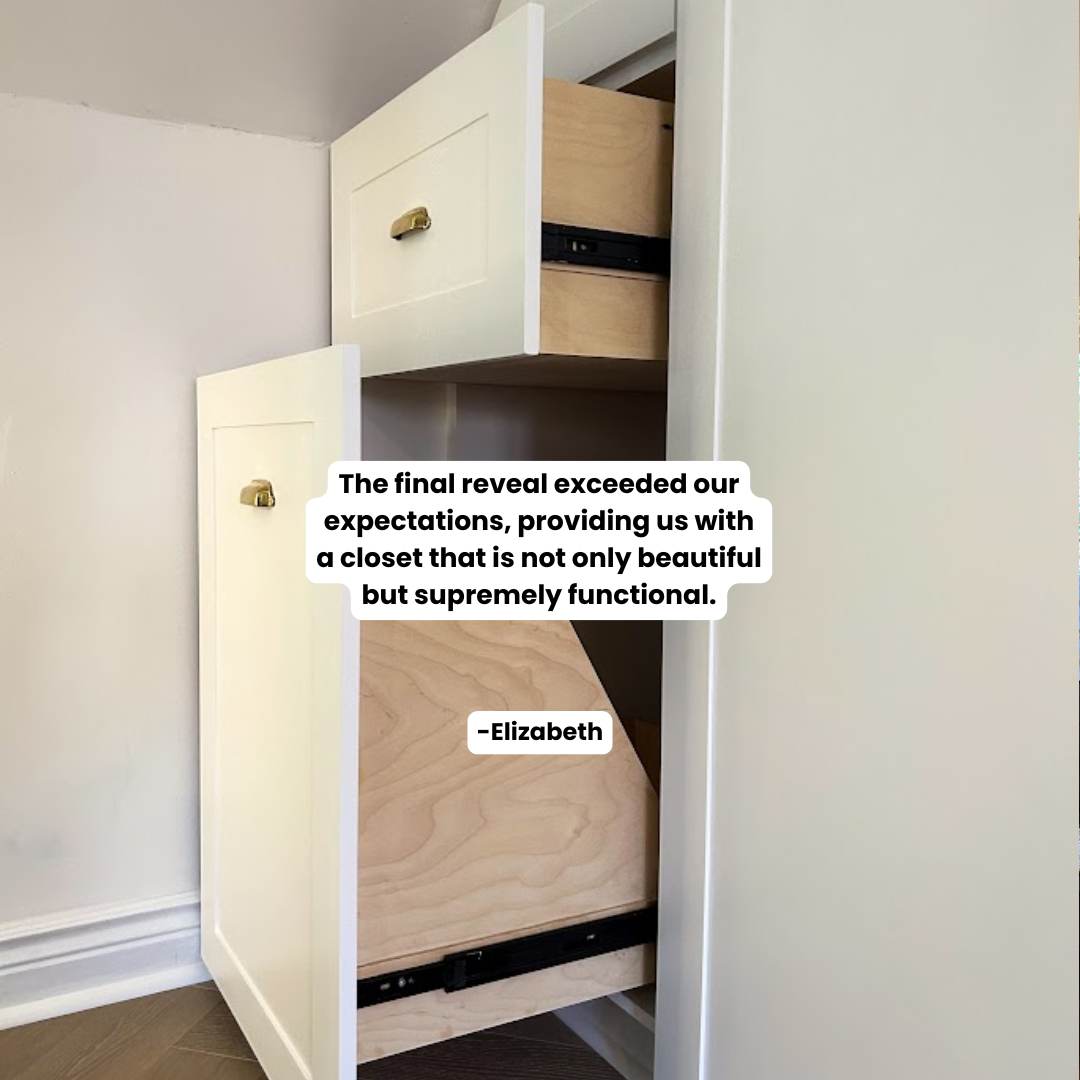
Tight on space? No problem. It’s all about smart design. Maybe it’s an open-plan living room to make the space feel bigger, or custom cabinets for that oddly-shaped nook.
Even small changes can make a big difference in how spacious your home feels.
Designing for the Future
Thinking ahead can save you headaches later. Planning a family? Consider space for a nursery. Aging parents? Maybe a ground-floor bedroom.
And that home office – trust me, you’ll love it.
Understanding the Financials and Legalities of Home Renovation
Subsection 10.1: Budgeting and Financing Your Renovation
Budgets – not the most fun topic, but super important.
Be clear about what you can spend and where you can cut costs without skimping on quality.
And hey, keep an eye out for renovation grants or tax rebates in the Toronto area!
Navigating Permits and Regulations
Permits might seem like a hassle, but they’re there to keep you safe.
Especially in Toronto, with its mix of new builds and heritage homes, playing by the rules is key.
Your contractor can help sort this out, ensuring everything’s up to code.
Special Considerations for Unique Home Renovations
Renovating Unique and Historic Homes
Renovating a historic home? That’s like holding a piece of history in your hands – treat it with care.
Preserving original features while upgrading for modern living can be tricky, but oh-so rewarding.
Think original hardwood floors with radiant heating, or antique chandeliers in a smart-home-enabled room.
Adding Contemporary Features to Traditional Homes
Mixing old and new is an art. Adding a green roof or smart tech to your old home?
It’s all about blending these modern elements without overshadowing the home’s original charm.
The key is balance.
FAQ Section: Home Renovation in Toronto
What is the average cost per square foot for a home renovation in Toronto?
The average cost of home renovation projects in the Greater Toronto Area can vary widely based on the scope and quality of work. For extensive renovations or additions, costs can range significantly, so it’s best to get a detailed quote from your home renovation contractor.
How do I choose the right contractor for a large project like a whole-home renovation?
Choosing the right contractor is crucial for the success of your project. Look for professionals with extensive experience in similar projects, valid professional licenses, and positive reviews. Also, ensure they have a clear understanding of the City of Toronto’s building codes and regulations.
Is it necessary to get a Toronto building permit for every home renovation?
Most significant home renovations in Toronto, including structural work, additions, and major changes to electrical systems, require a building permit. It’s best to consult with your contractor or a project manager to understand the specific requirements for your project.
What are some considerations for renovating historic homes in Toronto?
Renovating a historic home in Toronto often involves navigating heritage district regulations and may require special attention to preserve historical elements. Working with a contractor experienced in historic home renovations can help ensure that your renovation respects the unique character of your home.
Can I do a condo renovation in Toronto? What should I know?
Condo renovations in Toronto are possible but usually require approval from the condo board. It’s also important to work with contractors who are experienced in condo renovations, as there are often specific rules and limitations, such as restricted work hours and elevator usage.
How can I ensure the safety of workers during my home renovation?
Ensuring workplace safety is a shared responsibility between you and your contractor. Professional contractors should follow the Occupational Health and Safety Act and have the necessary insurance. Ask about their safety protocols and make sure they have a plan to manage risks.
What’s the best way to add a home office or green roof in my Toronto renovation?
For a home office, consider converting an underused space like a spare bedroom. For a green roof, consult with a structural engineer first to ensure your roof can support the weight. Both projects require careful planning to maximize space and functionality while adhering to city regulations.
When is the best time to start a renovation in Toronto?
The best time to start a renovation depends on the scope of your project. Spring and summer are popular due to better weather conditions, but indoor renovations like kitchen remodeling can be done year-round. Planning ahead is key to ensure your contractor’s availability.
How can I keep my renovation budget in check?
To manage your home renovation cost effectively, create a detailed budget with your contractor, including a contingency fund for unforeseen expenses. Regularly review the budget throughout the project to ensure you’re on track.
What should I consider for the electrical systems in an older Toronto home?
Older homes may have outdated electrical systems. It’s a good idea to hire a master electrician to assess the current state and recommend updates for safety and efficiency, especially if you plan on adding more load with new appliances or additional rooms.