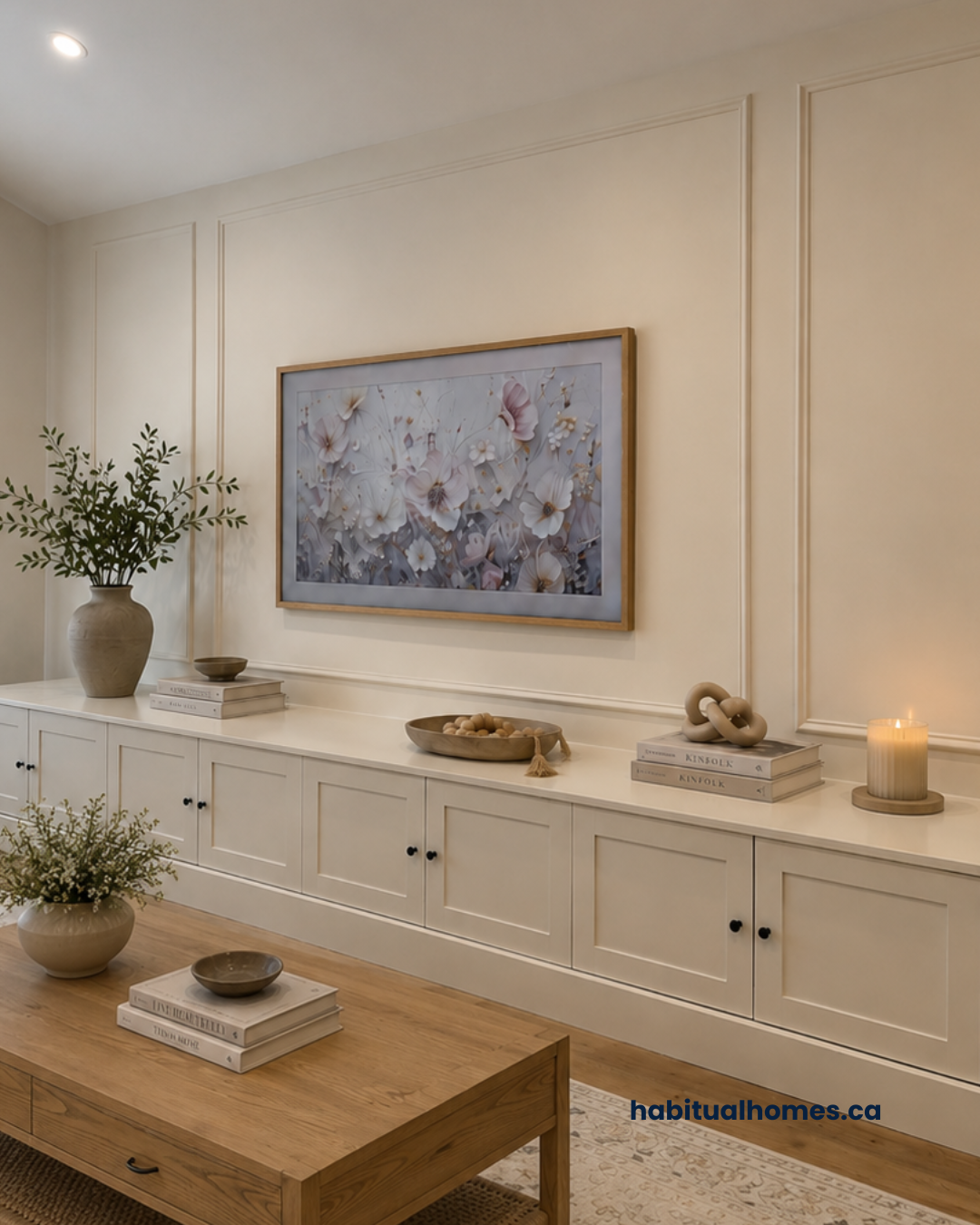
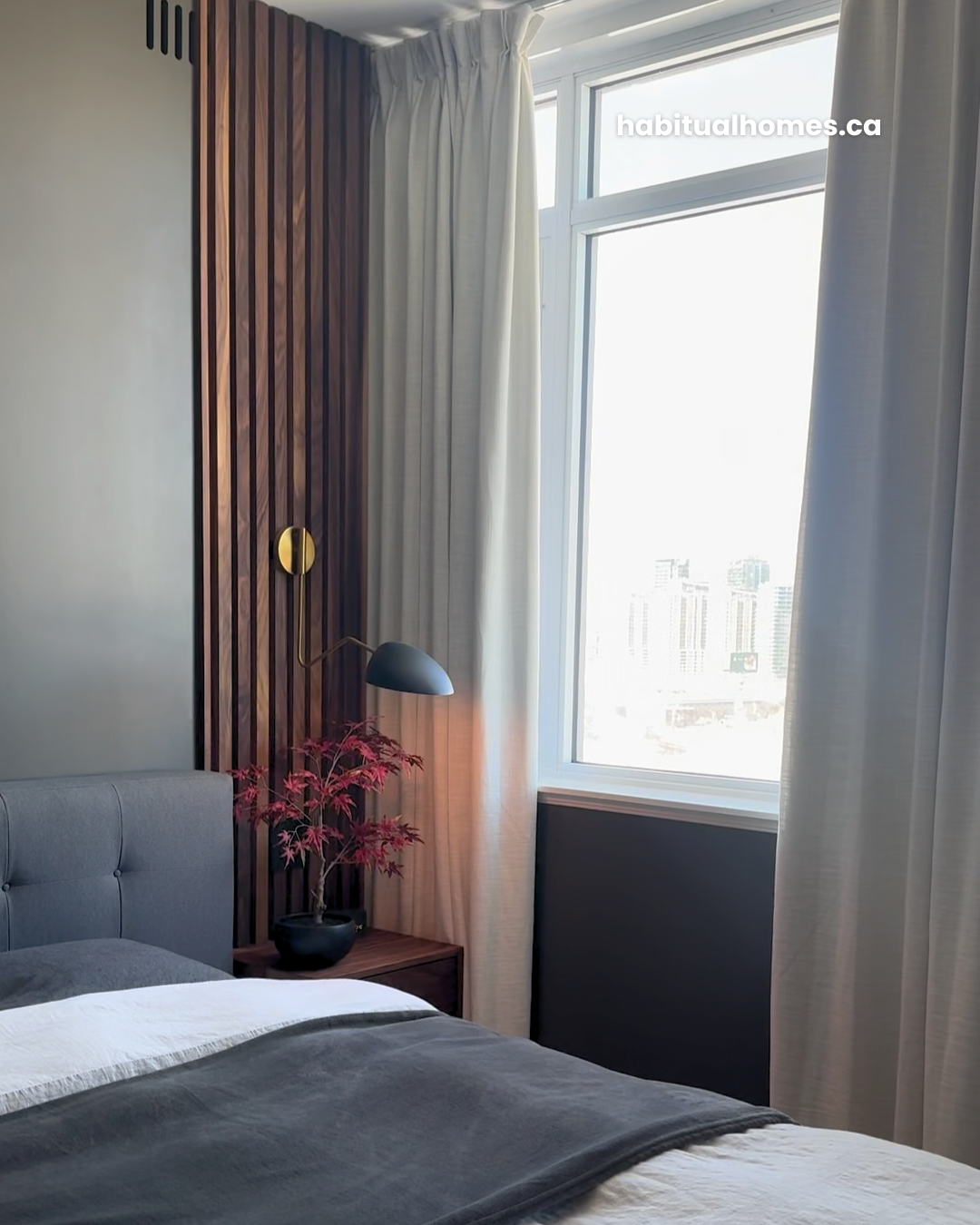
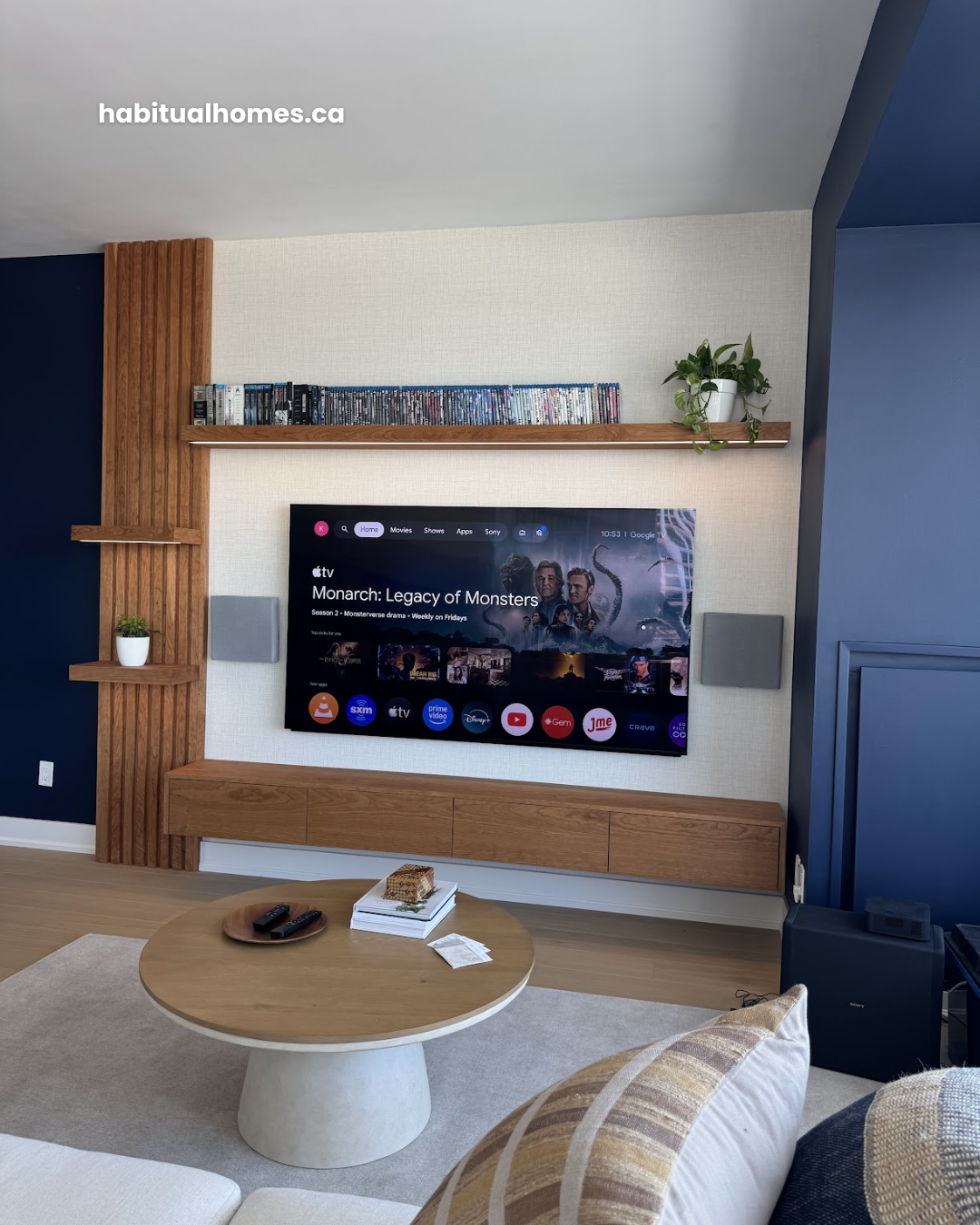
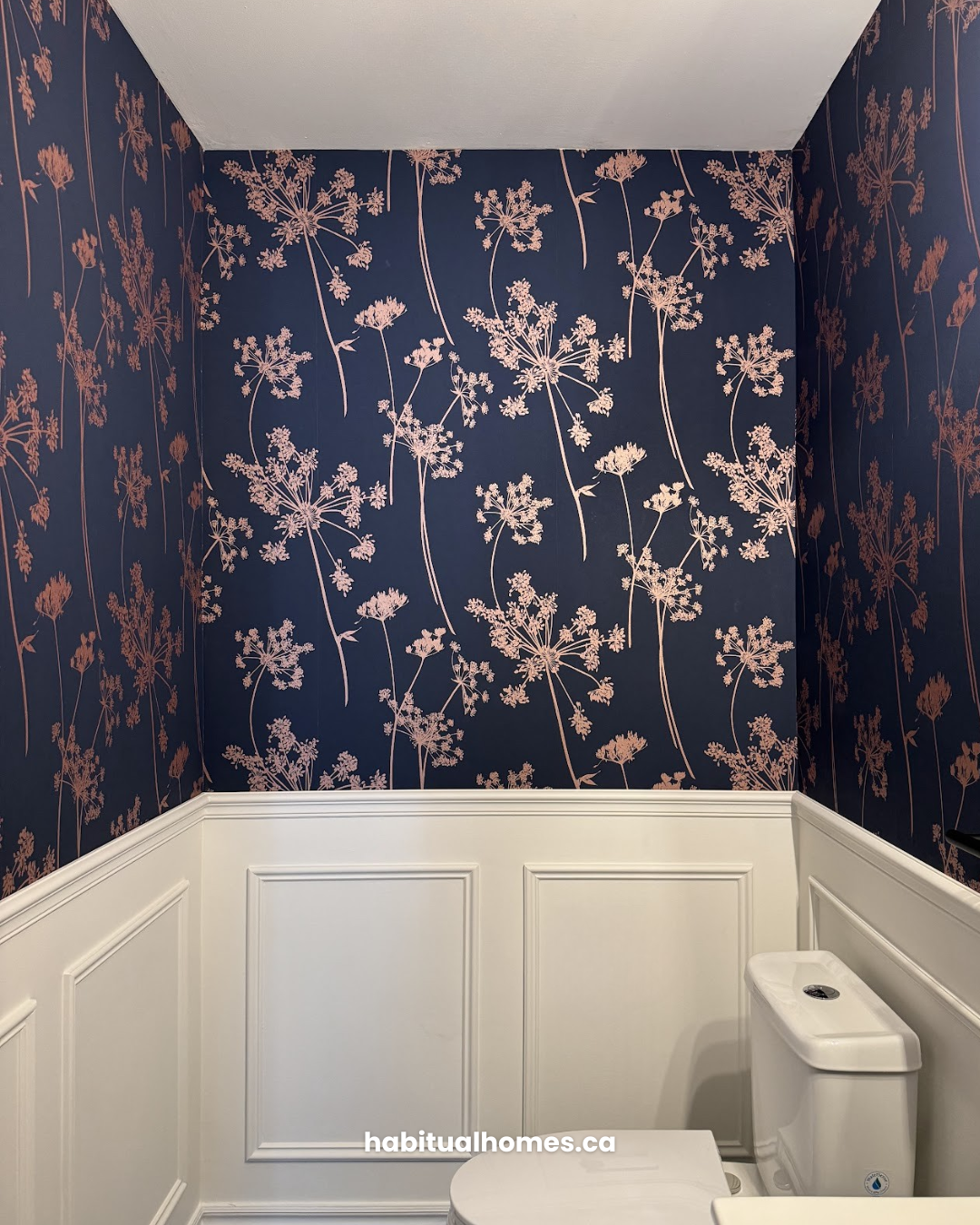
Building a new custom home is an EXCITING journey, filled with DREAMS and POSSIBILITIES. It’s a chance to bring your vision of a PERFECT living space to life.
At the heart of this adventure is the choice of the RIGHT custom home designer.
This professional is not just someone who draws plans; they are your partner in translating your dream home into REALITY.
In this guide, we’ll walk you through the ESSENTIAL steps to find a custom home designer who can turn your ideas for a beautiful home into a tangible, living space.
Understanding the Role of a Custom Home Designer
A custom home designer is more than just an architect or an interior decorator; they are VISIONARIES who understand the art of transforming ideas into STRUCTURES.
Unlike standard home designers who may work with more generic plans, custom designers specialize in creating UNIQUE homes tailored to your specific DESIRES and LIFESTYLES.
They consider every detail, from the architectural design to the natural light that will fill your living spaces.
Starting Point: Envisioning Your Dream Home
Before diving into the world of home designs and square footage, take a moment to envision what you want in your new home.
Whether it’s an open floor plan with plenty of natural light or a cozy, story building home with high-end finishes, having a CLEAR idea is your starting point.
Your design team will use this vision as the FOUNDATION of the entire process, making minimal changes along the way to ensure it aligns with your dream.
Choosing a Custom Home Designer: Key Considerations
A. Portfolio and Past Projects:
A designer’s portfolio is like a window into their style and capabilities. Look for a variety of home designs, especially those that resonate with your vision.
Pay attention to their previous builds and the diversity in their custom house plans.
B. Design Team Expertise:
A skilled design team is crucial. They should offer thorough reviews of your plans, including sketches of floor plans and electrical plans, to ensure every detail is perfect.
Their EXPERTISE in modern homes and KNOWLEDGE in the science of smart living can significantly enhance the quality of your build.
The Planning Stage: Major Components of the Design:
During the planning stage, your designer will develop a custom home plan.
This includes detailed site plans, square footage calculations, and even virtual tours for a BETTER understanding.
They will address major components like energy efficiency, natural light, and even specific requests like a kitchen hood or a spacious dining area.
Designing for Luxury and Functionality:
Designing a luxury custom home isn’t just about high-end finishes; it’s about creating a space that’s both BEAUTIFUL and FUNCTIONAL.
Your designer will help balance these aspects, suggesting better ways to integrate smartology and friendly features into your home’s design.
Additional Services and Support:
Many custom home designers offer more than just design services. They can assist you through the building process, from the lot survey to the final minor adjustments.
Their team support can extend to helping you navigate local communities, understand smart living concepts, and even provide virtual events and educational guides.
The Design Process: From Concept to Construction:
The design process is a JOURNEY from rough ideas to DETAILED construction documents. It begins with concept sketches and evolves through various design phases, including exterior design options and finish choices.
The designer ensures that every aspect of the architectural design aligns with your vision, making adjustments as needed.
Energy Efficiency: A Key Component in Modern Home Design
Energy efficiency is no longer just an option; it’s a crucial component of modern home designs.
Your designer will integrate features that enhance the EFFICIENCY of your home, from the strategic placement of windows for natural light to advanced house plans that optimize energy use.
Finalizing Your Choice: Selecting the Right Custom Home Designer
Choosing your designer is a significant step. Look for someone who UNDERSTANDS your type of house, offers a business relationship that feels RIGHT, and ALIGNS with your architectural style.
Ensure they are WILLING to make the final decisions with you, RESPECTING your choices while offering their professional advice.
Conclusion
Selecting the right custom home designer is a journey filled with EXCITEMENT, CREATIVITY, and DECISION-MAKING.
It’s about finding someone who can understand your DREAM and translate it into a BEAUTIFUL, FUNCTIONAL space.
Take your time, do your research, and choose a designer who resonates with your vision for your new home.
Ready to start your journey to a custom-designed home? Reach out to professional designers, explore more resources, and immerse yourself in the exciting world of custom home design. Your dream home awaits!
Transitioning from the essential steps of choosing the right custom home designer and understanding the design process, let’s delve deeper into other crucial aspects of CREATING your dream home.
These additional sections cover financial planning, personalization, and technological integration in custom home design, providing a comprehensive guide to ensure your journey to your dream home is as SMOOTH and FULFILLING as possible.
Navigating Budget and Costs in Custom Home Design:
Understanding the Financial Aspect:
Building a custom home is an investment in your future, but it requires careful financial planning. Understanding the costs involved is key.
Begin by RESEARCHING average costs for custom homes in your area and discussing pricing models with potential designers.
Remember, transparency from the outset helps prevent unexpected expenses later on.
Cost-Saving Tips and Tricks:
While designing your dream home, there are ways to keep COSTS in check without sacrificing QUALITY.
For instance, opting for materials that offer both durability and aesthetic appeal can be a cost-effective choice.
Also, prioritize your must-haves; invest in areas that add significant VALUE to your home, like energy-efficient solutions, and consider scaling back on less impactful elements.
Incorporating Personal Style and Trends:
Merging Trends with Personal Taste
Your home should be a reflection of you.
While it’s tempting to follow the latest home design trends, it’s essential to infuse your STYLE into the design.
Work with your custom home designer to find a balance – perhaps combining modern, trending elements with classic, timeless features that resonate with your personal aesthetics.
Showcasing Unique Features
Your custom home is an opportunity to create something truly UNIQUE.
Whether it’s a custom library, a home theater, or a personalized art studio, these features can be seamlessly integrated into the design.
Discuss with your designer how to incorporate these elements in a way that complements the overall AESTHETIC and FUNCTIONALITY of your home.
The Role of Technology in Custom Home Design
Embracing Modern Technology:
Technology has revolutionized home design and construction.
Embrace tools like 3D modeling and virtual reality tours, which allow you to VISUALIZE and walk through your home BEFORE it’s built.
These technologies ensure that the final design aligns perfectly with your VISION and EXPECTATIONS.
Benefits of Technology in Design and Construction:
The integration of technology in the design and construction phases offers numerous benefits.
It enhances PRECISION in the DESIGN, improves communication between you and your design team, and can even help in making more INFORMED decisions about materials and layouts.
Furthermore, incorporating smart home technology can increase your home’s efficiency and convenience.
In conclusion, understanding the financial aspects, infusing personal style, and leveraging technology are all CRITICAL components of the custom home design process.
By considering these factors, you can ENSURE that your journey to creating your dream home is as ENJOYABLE and SUCCESSFUL as possible.
Remember, a custom home is not just a building; it’s a space that reflects your personality, meets your needs, and stands as a testament to your dreams and aspirations.
Transitioning from understanding the various aspects of the custom home design process, including financial planning, personal style incorporation, and technology integration, let’s explore some common questions you might have.
This FAQ section aims to address any lingering queries, providing CLEAR, CONCISE answers to help guide you through your custom home design journey.
Frequently Asked Questions About Custom Home Design
1. What makes custom home designers different from regular architects or builders?
Custom home designers specialize in creating personalized living spaces tailored to individual needs and preferences, often providing more bespoke solutions than standard architects or builders.
2. How much does it typically cost to work with a custom home designer?
Costs can vary widely depending on the designer’s experience, the project’s complexity, and regional factors. It’s important to discuss budgets upfront and understand all potential costs
3. How long does the process of designing and building a custom home usually take?
The timeline can range from several months to a few years, depending on the project’s scale, design complexity, and construction factors.
4. Can I integrate smart home technology into my custom home design?
Absolutely! Most custom home designers are well-versed in integrating smart home technology for modern, efficient living spaces.
5. How do custom home designers ensure the design meets my specific needs and preferences?
Through detailed consultations, mood boards, and regular communication, designers align the project with your vision and adjust as needed.
6. What are the current trends in custom home design?
Current trends include sustainable and eco-friendly designs, open floor plans, smart home technology, and natural light maximization.
7. Can a custom home be environmentally friendly or energy-efficient?
Yes, designers can incorporate various sustainable practices and materials to create an eco-friendly and energy-efficient home.
8. What should I look for in a custom home designer’s portfolio?
Look for diversity in design, attention to detail, and projects that resonate with your style and functional needs.
9. How involved can I be in the design process of my custom home?
Your involvement can be as deep or as minimal as you prefer. Designers often welcome client collaboration for more personalized outcomes.
10. What are some common mistakes people make when designing a custom home?
Common mistakes include underestimating costs, over-customizing to the point of affecting future resale value, and not considering future lifestyle changes.
11. How do custom home designers accommodate unique or challenging lots?
Experienced designers are skilled in maximizing the potential of various lot types, addressing challenges through innovative design solutions.
12. Can I see a 3D model or virtual tour of my home design before construction begins?
Many designers offer 3D modeling and virtual tours to help clients visualize the final product before construction starts.
13. What’s the best way to communicate my vision and ideas to the home designer?
Clear communication, visual references, and an open mind for professional suggestions ensure your vision is accurately captured.
14. Are there any hidden costs I should be aware of when building a custom home?
It’s important to discuss all potential costs upfront, including design changes, material upgrades, and unforeseen construction challenges.
15. How do custom home designers handle changes or revisions during the design phase?
Designers usually accommodate revisions within reason, keeping in mind budget and timeline implications.
16. What is the role of a custom home designer during the construction phase?
While the designer’s involvement can vary, they often oversee the project to ensure the construction aligns with the design plans.
17. How do I balance current design trends with timeless elements in my custom home?
Striking a balance involves incorporating current trends in a way that complements the home’s overall timeless design.
18. Can custom home designers work with a specific budget or financial constraints?
Most designers are adept at working within various budget ranges, finding creative solutions to meet financial constraints.
19. What kind of post-construction services do custom home designers offer?
Post-construction services can include interior decoration, minor adjustments, and ensuring the final product meets your satisfaction.
20. How do I ensure the longevity and durability of my custom home design?
Working with reputable designers and builders, using quality materials, and regular maintenance are key to ensuring your home’s longevity.