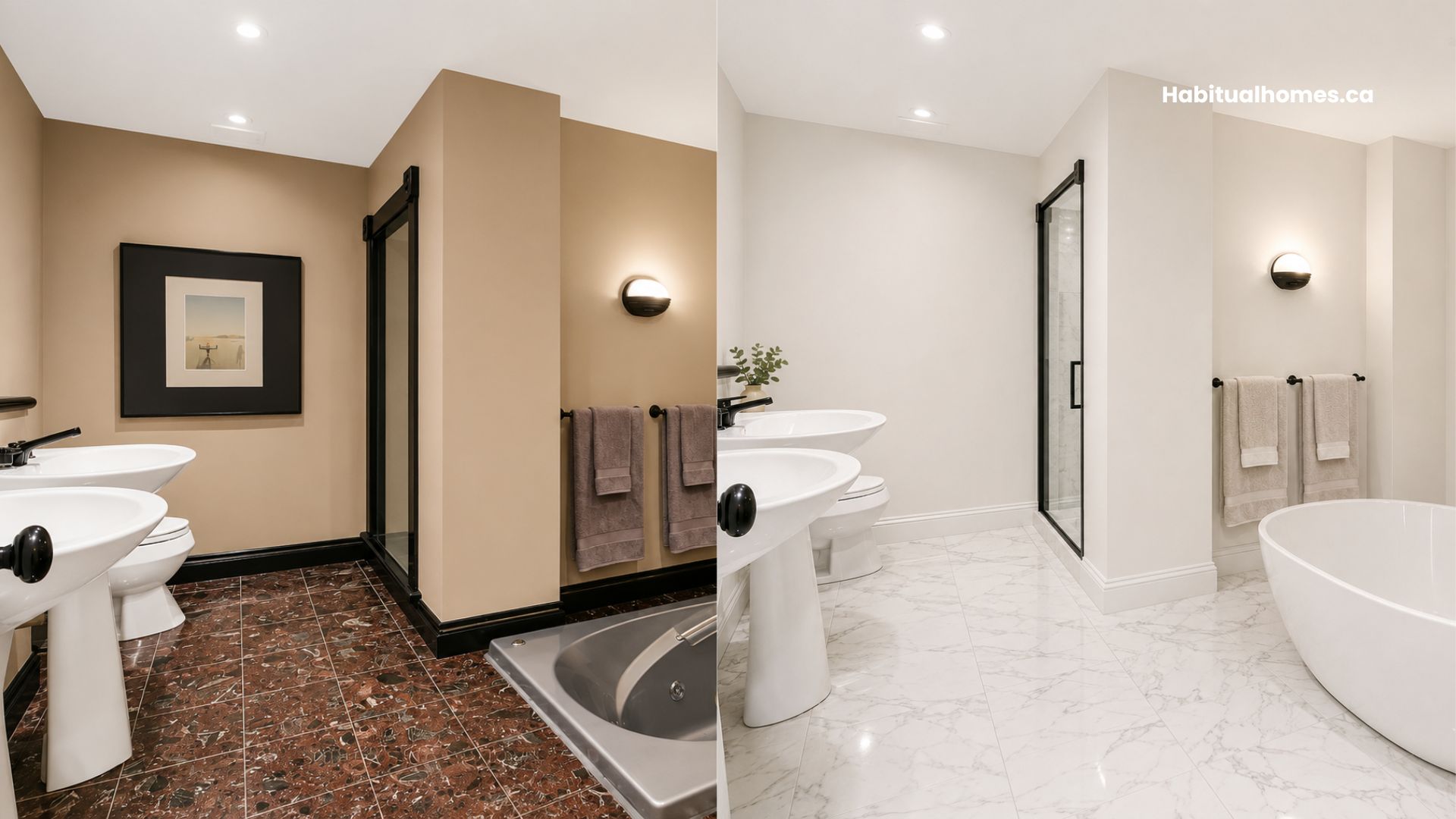
You just got the keys, you are walking through your new home, and then you open the bathroom door. An outdated bathroom after buying a house is one of the most common surprises new homeowners run into, and it can feel overwhelming the first week in. Pink tile, a rusty light fixture, a vanity from another decade, maybe a tub you are not sure you will ever use. The good news is that a dated bathroom is rarely an emergency. Before you start pricing a full renovation, it helps to slow down, look at what you actually have, and decide what is worth doing now versus later. This guide walks you through that order, from the things that protect the house to the small updates that make the space feel fresh again.
First, do not demo anything yet
The instinct in an older home is to rip everything out on day one. Resist it. Living with the bathroom for a few weeks tells you things a walkthrough never will. You learn where the water pressure is weak, whether the fan clears steam, how the morning light hits the room, and where storage is missing. Those notes become your real renovation brief.
It also gives you time to separate two very different problems. Some issues are cosmetic, meaning the bathroom simply looks old. Others are functional, meaning something is quietly failing behind the surface. You treat those in completely different ways, and confusing the two is how new homeowners overspend on the wrong things.
Start with what protects the house
Before you think about a fresh look, rule out trouble. In an old house the bathroom is often where hidden problems show up first, because it is the room that deals with water every single day.
Check for soft spots in the floor near the toilet and tub, dark staining on the ceiling below, and any musty smell that does not go away. Those can point to water damage from old seals, a slow leak, or years of poor ventilation. Press on the shower walls and around the tub surround. If tiles flex or grout is crumbling in long lines, water may already be getting behind them.
While you are at it, run every tap and the shower at once. Weak or uneven water pressure in an older home can mean galvanized supply lines that have narrowed over decades. None of this is meant to scare you. It simply tells you whether your budget needs to cover repairs first, or whether you are free to focus on looks.
A bathroom that is structurally sound but ugly is a great problem to have. A pretty bathroom hiding water damage is the one that costs you later.
The quick wins that make a dated bathroom feel fresh
If the bones are fine, you can transform the room long before any full renovation. These are the small updates that give the biggest visual return for the money.
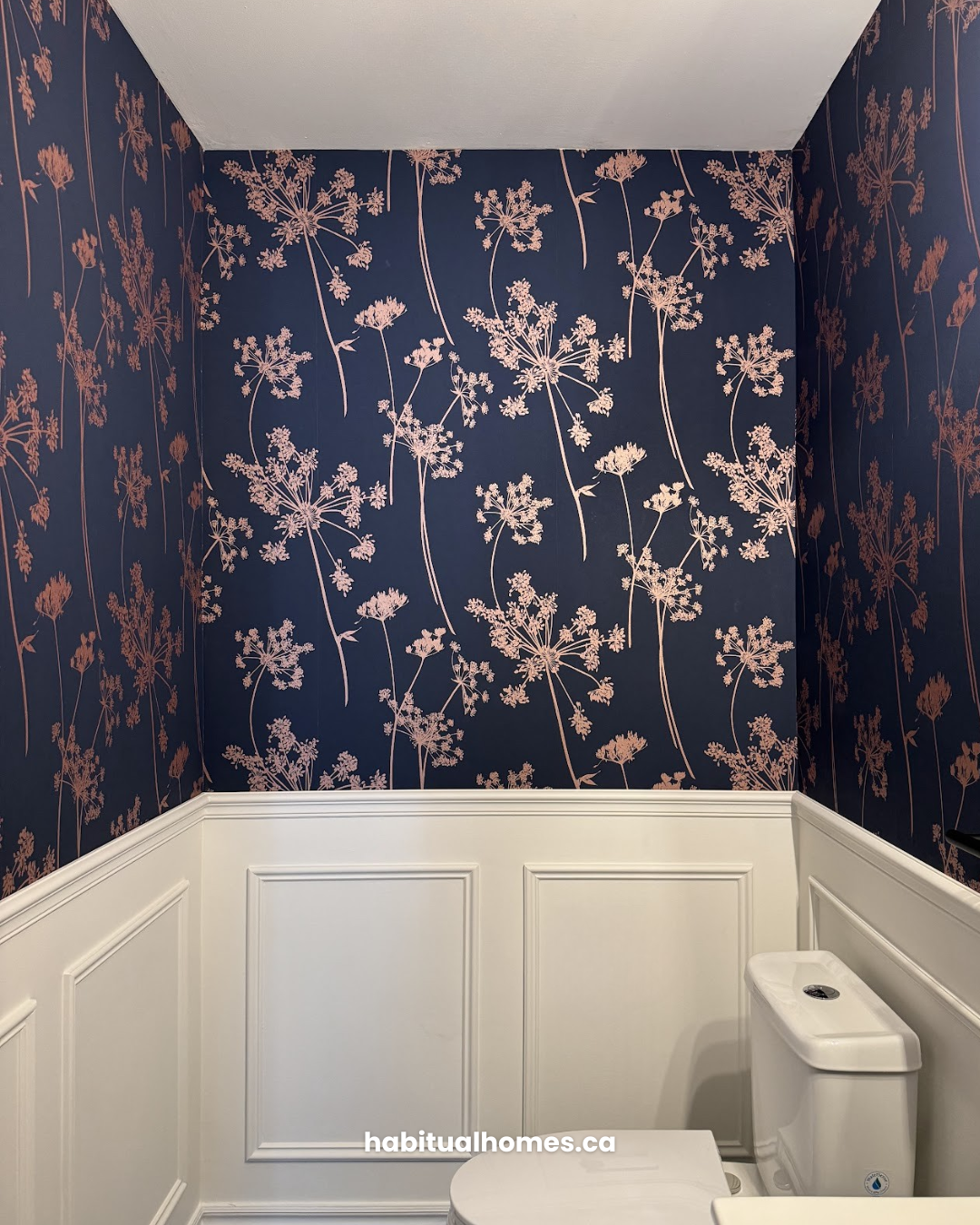
Paint. A fresh coat of paint in a moisture friendly finish is the single cheapest way to pull a bathroom out of its old era. It also lets you test a direction before committing to tile.
Lighting. Poor lighting makes every older bathroom look tired. Many homes from the same period share the same flaw: one weak fixture over the mirror and nothing else. Swapping that single light fixture for a brighter, better placed one, and adding a layer of ambient lighting, changes the whole feel of the space. If the room has a small window, keep that natural light clear rather than blocking it with heavy treatments.
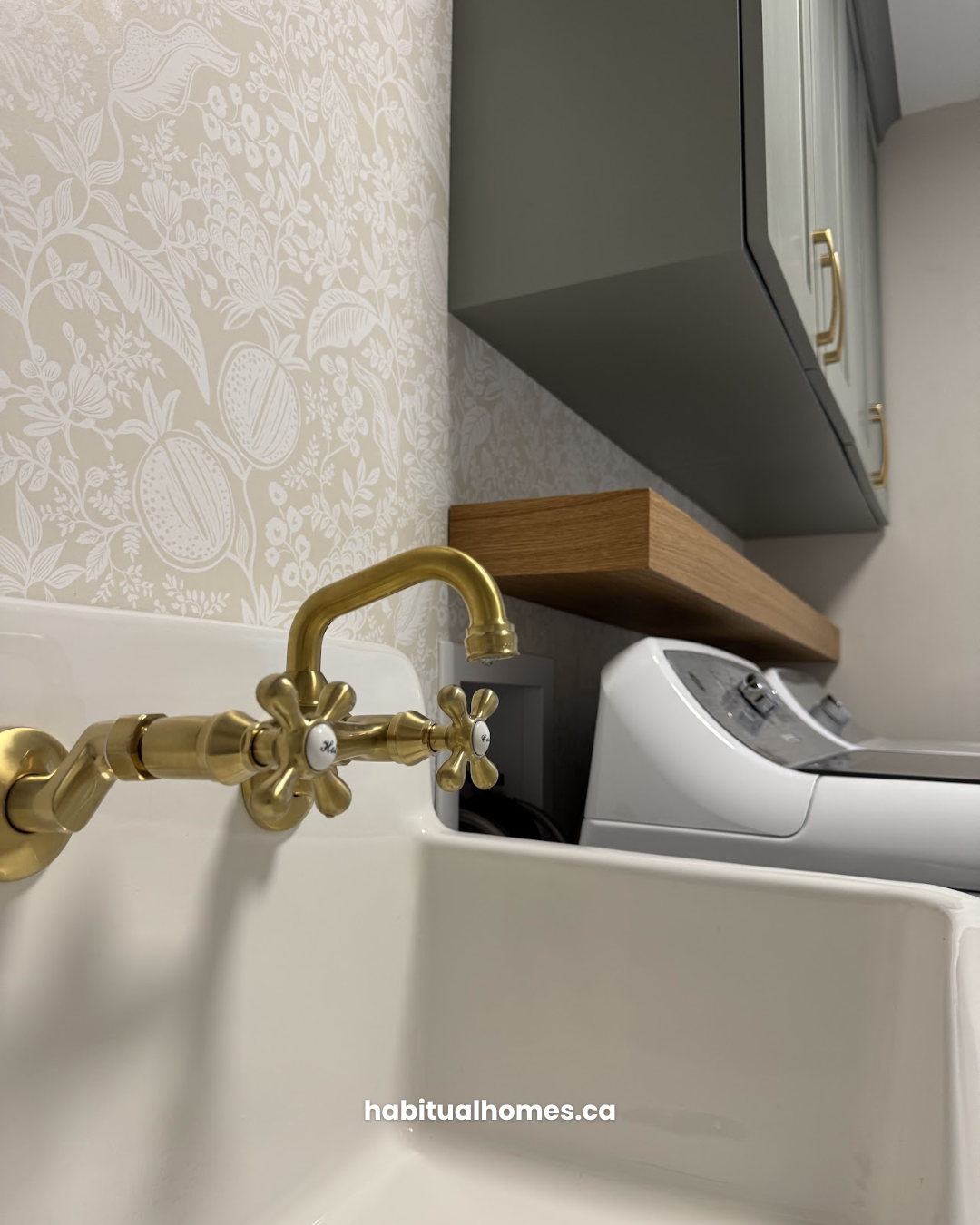
Fixtures and hardware. Old faucets, a worn toilet handle, dated towel bars, and a builder grade mirror all read as old at a glance. Replacing these new fixtures is low cost and high impact. A new faucet and modern fixtures on the vanity instantly modernize a room without touching the plumbing rough-in.
The toilet. If the existing one runs constantly or has a cracked tank, a new toilet is both a fresh look and a real gain in water efficiency, which matters in a small bathroom you use daily.
You can do a surprising amount with this list alone. For many new homeowners, paint, lighting, and a handful of swaps buy them a year or two to plan the bigger work properly.
When small updates are not enough
At some point cosmetic changes stop hiding the real issues. A few honest signs that you are past the quick win stage:
The layout fights you every morning, with the door, vanity, and shower crowding each other. There is no real storage, so everything lives on the counter. The shower is a cramped tub-shower combo you never use as a tub. Tile is cracked, the grout is permanently stained, or the surfaces feel damp long after a shower. Any one of these on its own is manageable. Several together usually mean a proper bathroom renovation will serve you better than another round of patches.
This is also the moment to think about how long you plan to stay. A starter home you will sell in three years calls for sensible, broadly appealing choices. A home you intend to keep lets you build the bathroom around how your household actually lives.
Tile, shower, and the layout question
When you do move into a real renovation, three decisions shape the result more than anything else.
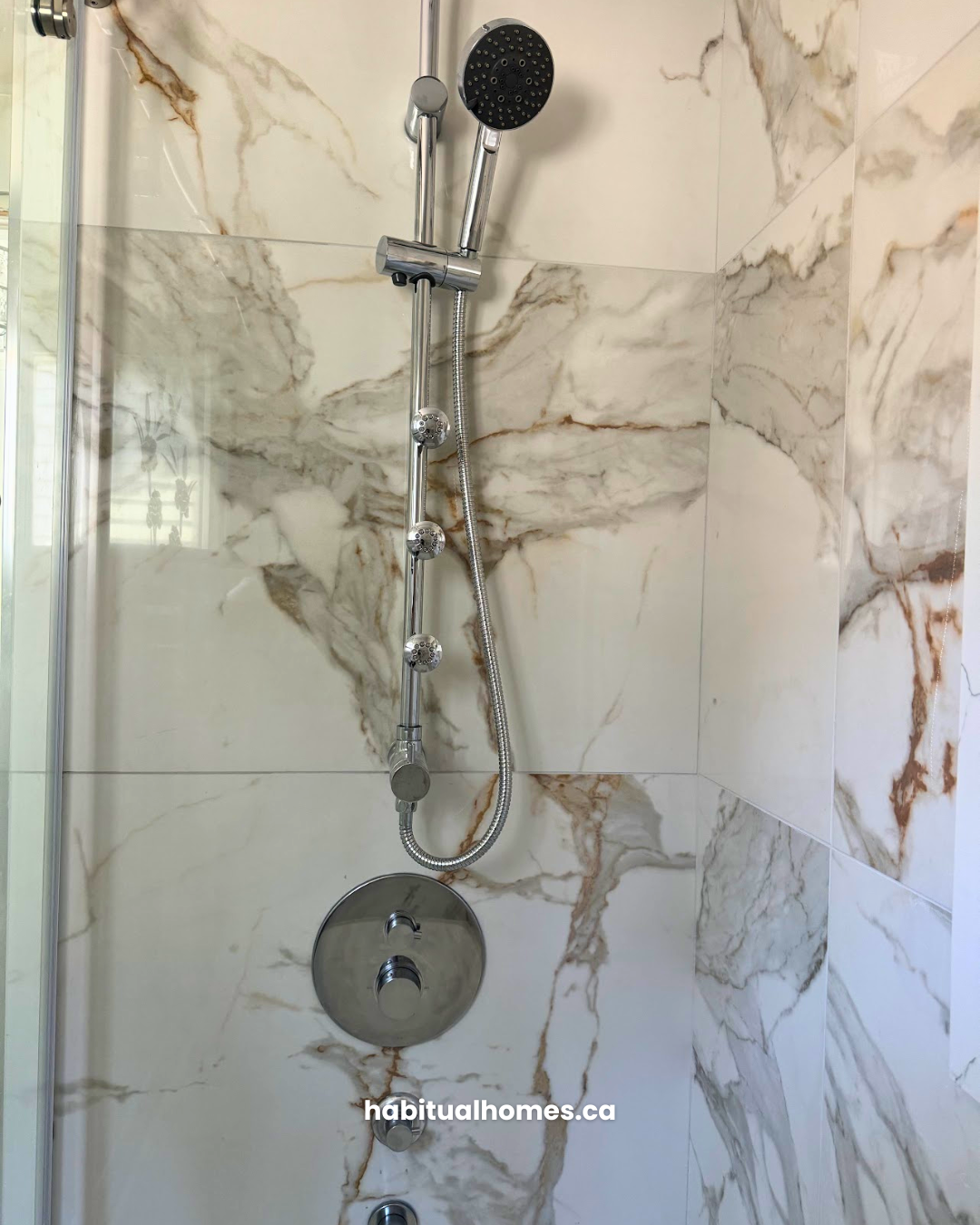
Tile. New tile resets the entire look of the room, but it is also the choice people most regret rushing. Trendy patterns date fast. In a small bathroom, larger format tiles and simple shower tile keep the space calm and make it feel bigger, while busy small tiles can make it feel cluttered. If you want the room to last, lean toward classic shapes and let color come from paint and accessories you can change cheaply.
The shower. Converting a tight tub-shower combo into a clean walk-in shower is one of the most requested upgrades we see, especially in homes where the tub never gets used. Frameless glass doors open up the sightline and let light travel across the room, which makes a small space read larger. Solid shower walls, properly waterproofed, also solve the water damage risk that plagues older tub surrounds.
Layout. Sometimes the fixtures are fine and the problem is simply where they sit. Moving a vanity a foot, widening the shower, or stealing a few inches from a hallway closet can fix a room that has annoyed every owner for thirty years. This is where an experienced designer earns their fee, because small plan changes are cheaper to draw than to undo.
What to keep and what to replace
Not everything old needs to go. A solid cast iron tub, a window that brings in good natural light, or original trim can be worth keeping and working around. The skill is knowing the difference between charm and a liability. Keep what is sound and adds character. Replace what is failing, unsafe, or actively making the room harder to use.
When to bring in a professional
You can handle paint and a faucet on a free weekend. Once a project involves moving plumbing, waterproofing a shower, or anything that touches the structure, it is worth talking to a pro. A good contractor or interior designer will tell you honestly which of your wish list items are quick, which are involved, and where your money does the most good. That expert advice at the start of the project often saves more than it costs, because it stops you from buying materials twice.
As a licensed Toronto Building Renovator, our team at Habitual Homes does this kind of walkthrough with new homeowners regularly. We help you sort the urgent from the cosmetic so your first renovation is the right one, not a do-over.
Does updating the bathroom add value
For a home you may sell, the bathroom is one of the rooms buyers judge hardest. A clean, modern bathroom signals a house that has been cared for, while an outdated bathroom can quietly pull down what people are willing to offer. You do not need a complete overhaul to move that needle. Even a modest, well executed refresh can make a real difference in the eyes of potential buyers. Spend where it shows and where it lasts, and skip the trendy choices that will look dated again by the next listing.
Start where it counts
An outdated bathroom after buying a house is not a crisis, it is a project waiting for the right order. Protect the house first, take the easy wins that make the room feel fresh, and save the big decisions for once you know how you really live in the space. Do that, and your new bathroom will be one you are glad you waited to get right.
Thinking about your bathroom and not sure what is worth doing first? Reach out to Habitual Homes and we will help you map out a plan that fits your home and your budget.