Embarking on a bathroom remodel can be an exhilarating journey. It’s a chance not just to rectify those pet peeves in your current space but to also inject refreshing new features and ultimately, to increase your home’s value. Your bathroom is more than a simple utility space—it’s a sanctuary where you start and end your days. In this extensive guide, I’ll share top bathroom remodel tips that blend design prowess with savvy investments, ensuring each square foot works harder for you.
Enhance Functionality with the Best Way to Lay Out Your Space
Before diving into aesthetics, consider the bathroom layout. Ask yourself, ‘What is the best way to utilize my space?’ Whether tackling a small bathroom or a grand master bathroom, the layout dictates the ease of use and overall satisfaction with the renovation.
Thinking of giving your bathroom a timeless makeover? We’re here to help turn your vision into reality. Contact us to start your bathroom remodel journey today and let’s create a space that you’ll love for years to come.
Small Bathroom Genius: Go Big on Style, Smart on Space
With small space bathrooms, every inch counts. Opting for a walk-in shower instead of a bulky tub can make a huge difference, allowing for better movement. Porcelain tiles on the floor and walls reflect light and offer the illusion of more space while being durable and easy to clean. Mirrored medicine cabinets not only provide storage space but also bounce light around, giving a more open feel.
Elegance in Details: Powder Room Perfection
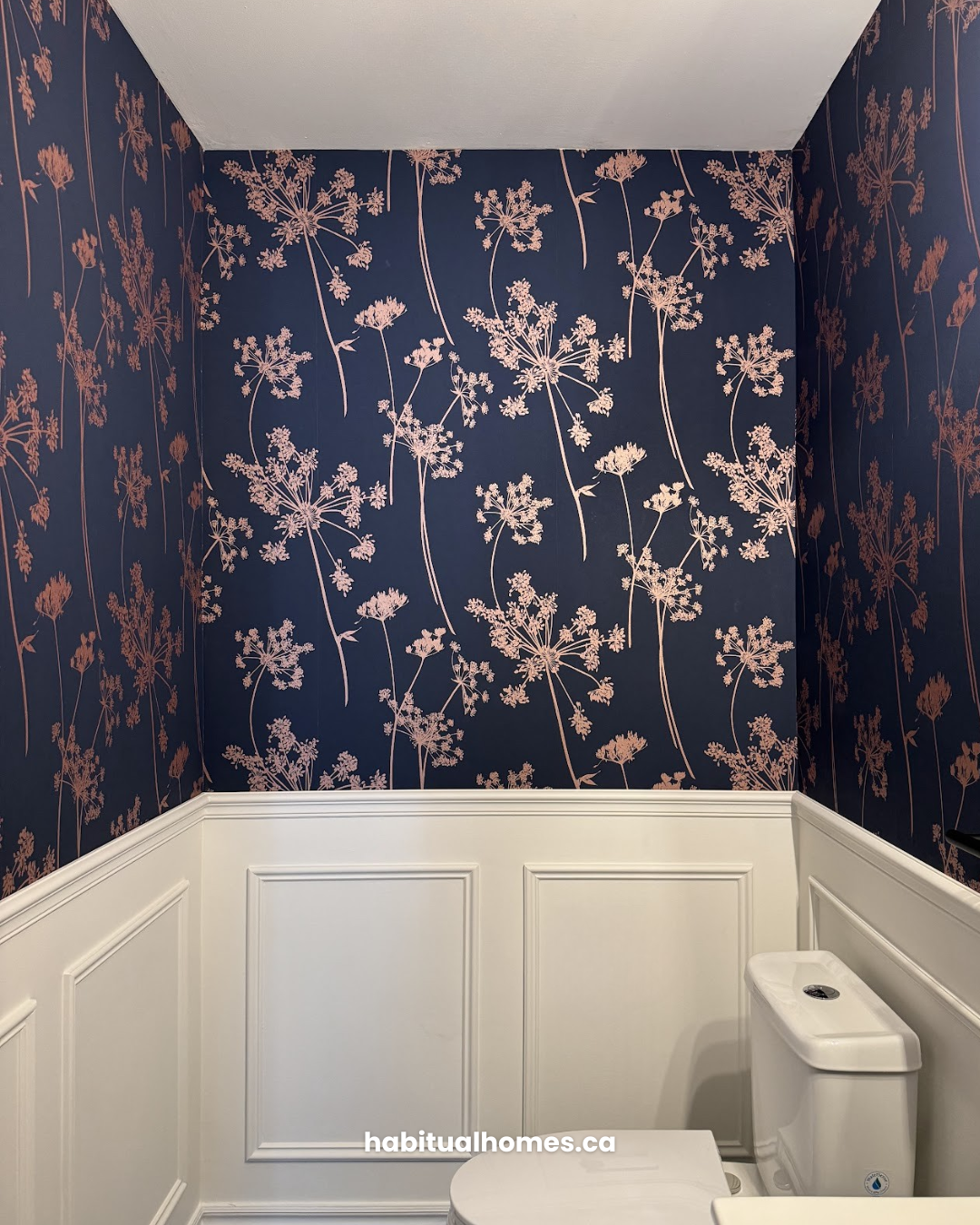
Transforming a small powder room into an elegant and inviting space requires careful consideration of each detail, especially when aiming to achieve a look that withstands the test of time. Here’s how to create a charming and classic powder room:
Choose a Subtle Color Palette:
Opt for timeless tiles that bring a sense of longevity and elegance. Think natural stone, porcelain, or ceramic tile in neutral colors. These materials offer durability and a classic appeal that complements any design era. Avoid overly bold patterns that may quickly go out of style and instead embrace the subtle sophistication of less-is-more.
Make a Statement with a Pedestal Sink:
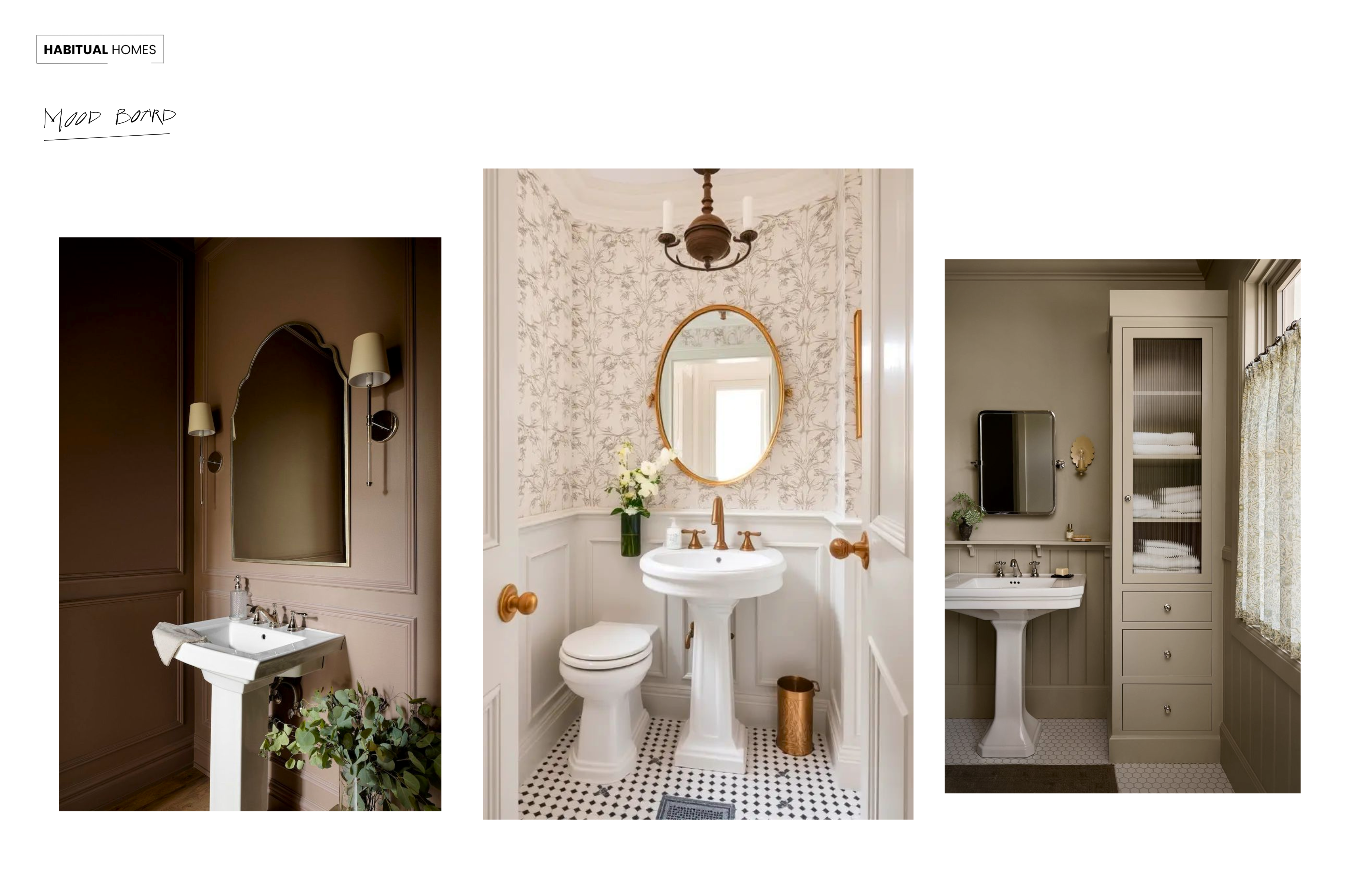
A sleek pedestal sink not only conserves space but also serves as a stylish statement piece. Its classic design works seamlessly with the overall timeless aesthetic, offering both function and beauty without dominating the room.
Optimize Lighting for Atmosphere:

The right lighting can entirely transform the mood of a space. Incorporate light fixtures with dimmer switches to create a warm and welcoming ambiance. Consider soft, indirect lighting options that highlight the room’s best features without overwhelming the senses.
Incorporate Classic Accents:
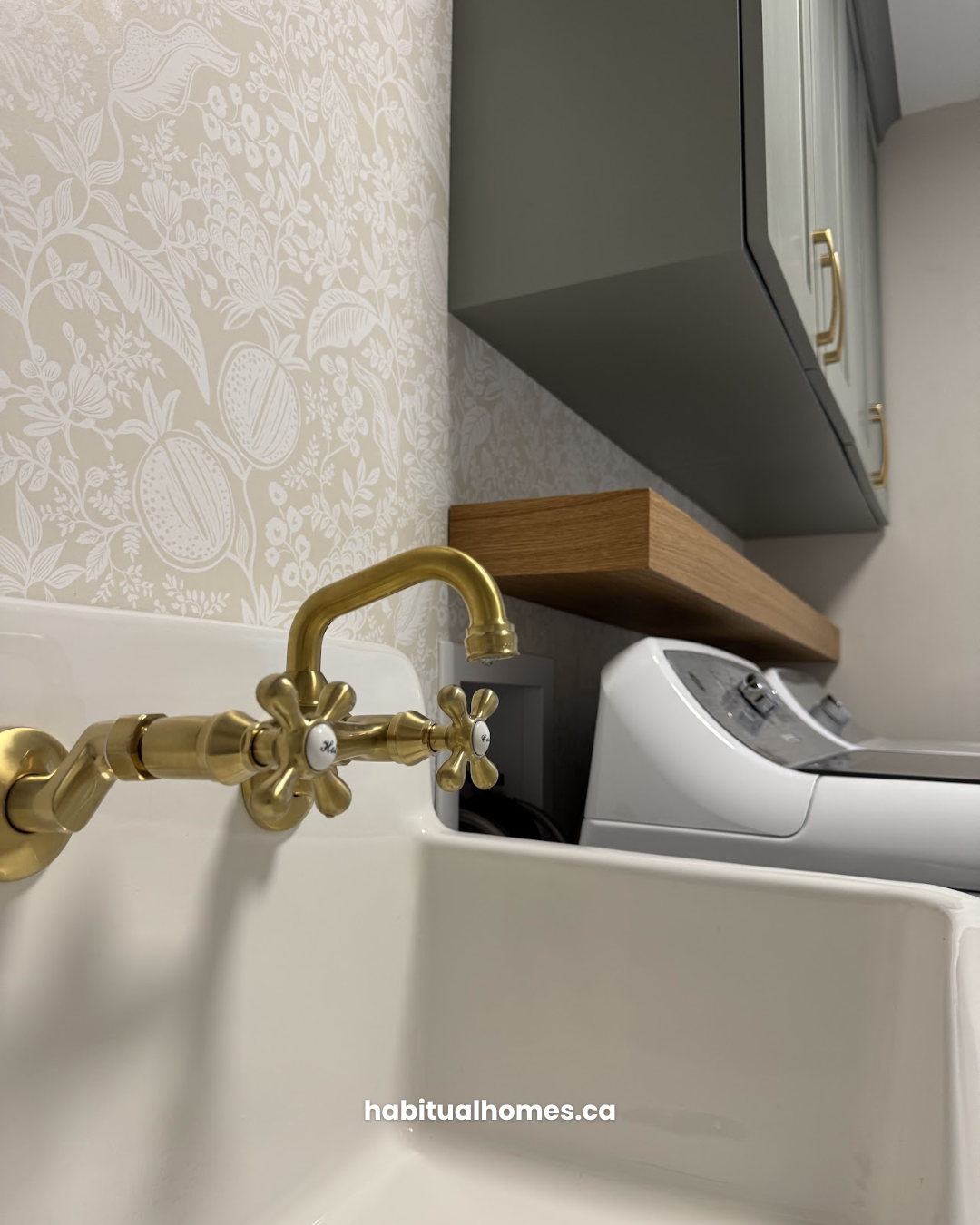
To further inject personality into the space without compromising its timeless appeal, focus on classic accents. Elegant taps in brushed nickel or aged brass, a tastefully designed mirror, and understated art pieces can elevate the powder room’s design.
Focus on Quality Materials:
For everything from your tiles to your fixtures, choosing high-quality materials ensures your powder room will remain beautiful and functional for years to come. Quality materials not only look better but are also more durable, making them a wise investment for a space that is both practical and stylish.
Creating a timeless powder room design is about embracing subtlety, quality, and classic elements that reflect sophistication and elegance. By choosing enduring design elements over passing trends, your powder room becomes a serene retreat that never goes out of style.
Thinking of giving your bathroom a timeless makeover? We’re here to help turn your vision into reality. Contact us to start your bathroom remodel journey today and let’s create a space that you’ll love for years to come.
Big Impact Features for Any Bathroom Size
Interior designers know that the eye is drawn to standout features. A freestanding tub can act as a luxurious centerpiece. In contrast, walk-in or wet rooms offer a seamless blend of function and high-end design. For those with a penchant for pampering, a steam shower adds a spa-like quality.
Choose Materials That Marry Durability with Style
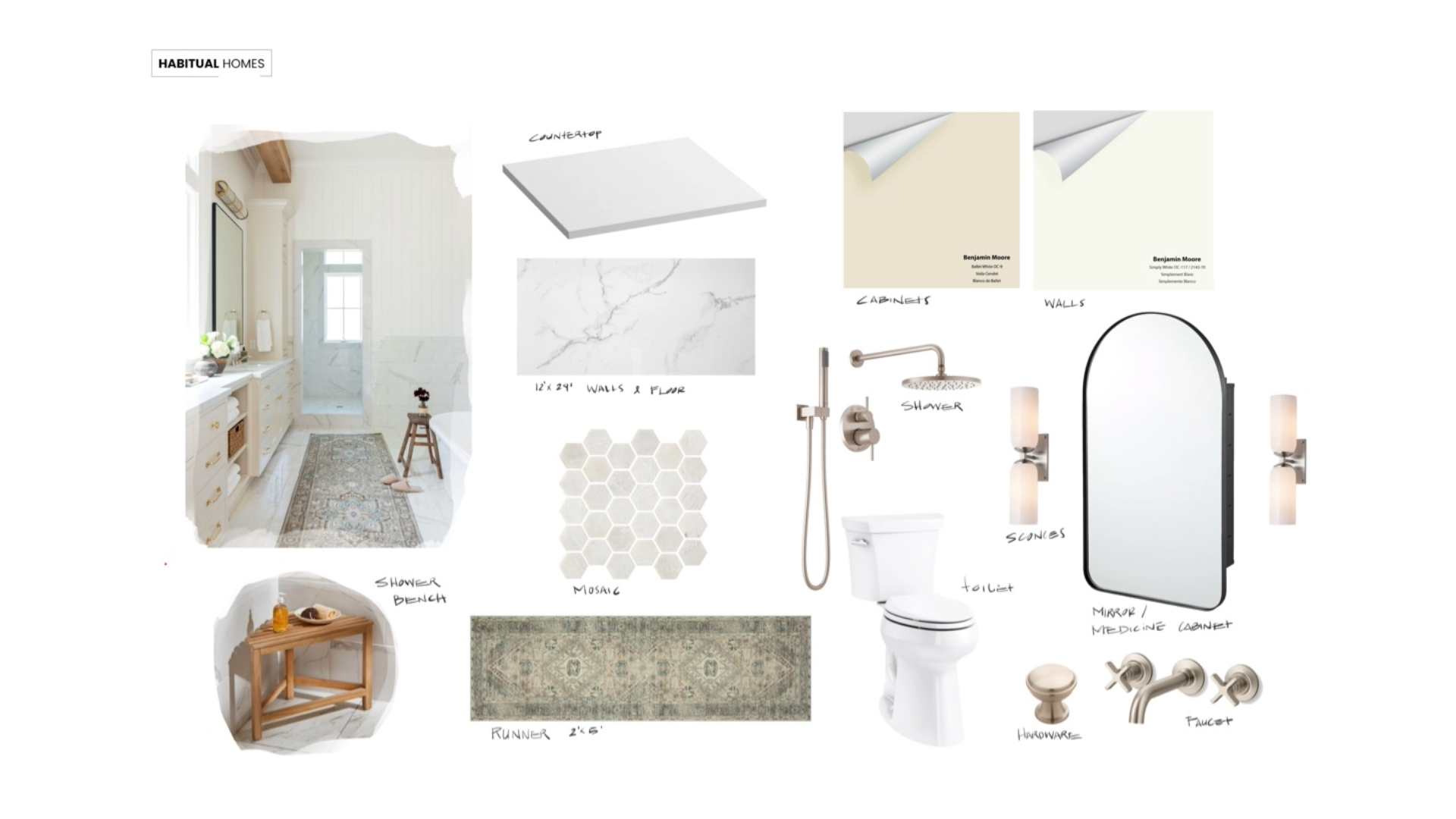
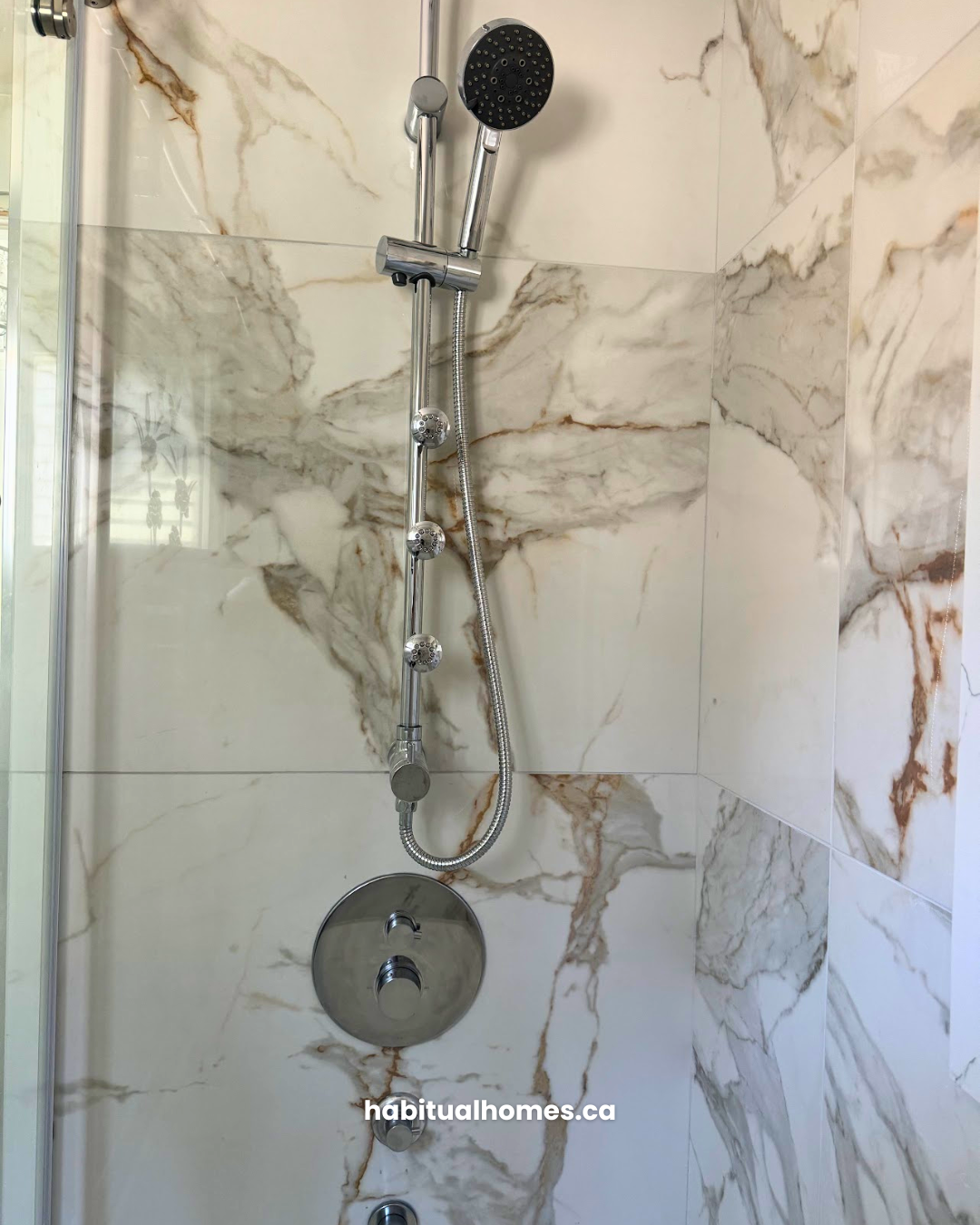
For surfaces that endure a lot of moisture and use, such as the shower area, natural stone or ceramic tile are excellent choices. Play with tile work designs to create an art piece out of your shower stall or bathroom floor. If natural stone isn’t within your budget, modern porcelain tiles can offer a similar aesthetic for a fraction of the cost.
The Luxury of Light and Air
Good natural lighting can make even a small space feel open and inviting. Consider installing larger windows or skylights. Not only for aesthetics, but proper lighting is also essential for tasks like shaving or applying makeup. Exhaust fans are non-negotiable for keeping the air fresh and preventing water damage from humidity.
Smart Storage Solutions to Keep Clutter at Bay
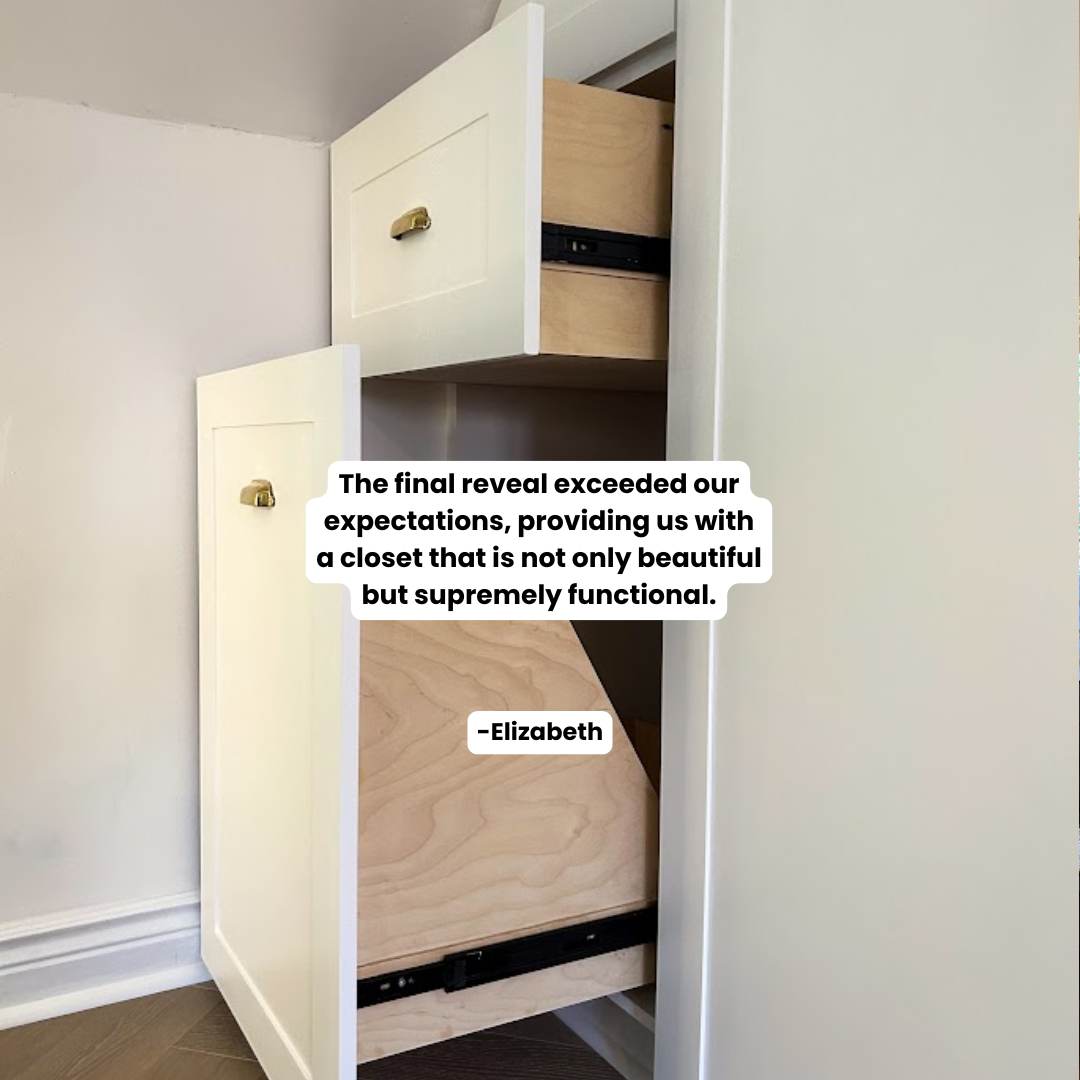
When considering a new bathroom, think about where you will store all your bathroom essentials. Built-in or recessed cabinets save space while offering plenty of storage. Think outside the box with floating shelves or spice racks for small toiletries. Towel bars and hooks should be within arm’s reach for convenience.
Thinking of giving your bathroom a timeless makeover? We’re here to help turn your vision into reality. Contact us to start your bathroom remodel journey today and let’s create a space that you’ll love for years to come.
Going Green: Energy-Saving Features
Modern bathrooms are not just about looks; they’re also about efficiency. From low-flow shower heads and toilets to LED lighting and heated floors, energy-saving features are a great way to ensure your new bathroom is kinder on the environment and your wallet in the long run.
Hiring Professionals: General Contractor or Design-Build Firm?
Deciding whether to hire an interior designer, general contractor, or a design-build firm is a significant decision. If you’re making significant changes, it’s best to work with skilled professionals. They can navigate tricky aspects like moving water lines, and reworking layouts, ensuring the job is done right the first time.
Final Touches: A Cohesive Design That Reflects You
The paint color, towel racks, and even the toilet roll holders might seem like minor details, but they all contribute to the bathroom’s final look and feel. Choose a color scheme and fixtures that complement your overall design and personal tastes. Giving your bathroom a fresh look with a new coat of paint can sometimes be just the upgrade it needs.
Considerations for Longevity: Easy Updates and Upkeep
Think about how your choices will fare over time. Will that trendy tile quickly date? Is that lush velvet stool going to stand up to steam? Opt for materials and designs that you’ll love for years, and that can also withstand the testament of time and use.
Budgeting Wisely: Quality Where It Counts
Every home renovation project has to contend with a budget. Invest in high-quality fixtures for areas of heavy use but save by choosing less expensive alternatives for purely decorative elements. A tight budget doesn’t mean you have to compromise on style or quality—prioritizing is key.
Adding Value: What Home Buyers Love
Remember, if you’re considering selling in the future, the value of your home often increases with a well-designed bathroom. Buyers look for modern conveniences like double vanities, ample lighting, and low maintenance features. Making smart choices now might lead to a larger return on investment later.
The Start-to-Finish Timeline: Keeping Your Project on Track
Last but not least, create a realistic timeline. Bathrooms are often essential fixtures in the daily routine, and having one out of commission can be disruptive. Work with your remodeling contractor to understand how long each stage of the remodel will take and plan accordingly.
In conclusion, a bathroom remodel is an exciting and multifaceted project. From optimizing layouts for small bathrooms to selecting materials that balance beauty with practicality, it’s an opportunity to enhance both the function and style of your home. It allows you to craft a space that not only reflects your personal style but also adds considerable value to your property. Plan carefully, choose wisely, and create a bathroom that you’ll love for years to come.
Thinking of giving your bathroom a timeless makeover? We’re here to help turn your vision into reality. Contact us to start your bathroom remodel journey today and let’s create a space that you’ll love for years to come.
Bathroom Renovation FAQ
What should I consider first in a bathroom renovation?
The first thing to consider is the bathroom layout and design. Think about how much space you have and what fixtures like a walk-in shower or freestanding tub will fit best. Assessing your needs and the space available can guide your renovation decisions efficiently.
How can I maximize space in a small bathroom?
Utilizing space-saving fixtures such as pedestal sinks, medicine cabinets, and built-in cabinets can be highly effective. Additionally, consider a walk-in shower instead of a bulky tub to make the room feel larger.
What are the best materials for bathroom tiles?
Porcelain tiles are popular due to their durability and low maintenance, but ceramic tile and natural stone are also great options, depending on your style and budget. Subway tile can offer a classic look that may be perfect for older homes or a new design.
How important is lighting in a bathroom remodel?
Very important! Optimal light fixtures can transform a bathroom. Consider a combination of overhead and task lighting, complemented by natural lighting if possible. Dimmer switches are a great way to adjust light levels for different times of the day.
What is a cost-effective way to improve a bathroom?
Painting is an easy and budget-friendly way to give your bathroom a fresh look. Updating fixtures like towel bars, shower heads, and faucets can also make a significant difference without a full remodel.
Should I hire a professional for my bathroom renovation?
Yes, especially for major renovations involving plumbing and electrical work. A general contractor or interior designer can help manage the project efficiently and might help avoid costly mistakes.
Is adding a steam shower a good investment?
A: If your budget allows, a steam shower can add luxury and increase your home’s value. It’s especially appealing in master bathrooms where you can create a spa-like environment.
What are some innovative storage solutions for bathrooms?
Consider floating shelves, shower niches, or corner cabinets. Smart storage solutions help manage clutter and maintain a clean and spacious bathroom environment.
How do I choose the right vanity for my bathroom?
Consider the size of your bathroom and the amount of storage you need. A double vanity is a great option for shared spaces, while a smaller pedestal sink might be perfect for powder rooms with limited space.
How do I protect my bathroom from water damage?
Ensure proper ventilation with an exhaust fan and make regular checks on seals and plumbing. Water-resistant paint and proper tile installation are crucial in areas exposed frequently to moisture.
These tips should help guide your upcoming bathroom renovation, ensuring it’s both functional and stylish. Remember, careful planning and execution can have a huge impact on the outcome of any home renovation project.
Adding Value and Style to Your Home
Renovating your bathroom goes beyond just making it look pretty; it’s about adding value and functionality to your home. For those tackling a bathroom renovation, especially in older homes, it’s important to consider what changes will increase the home’s value the most while serving your current needs.
Modern Innovations for Small Bathrooms
Small bathrooms can be tricky, but with some clever strategies, they can be transformed into practical and beautiful spaces. Consider a walk-in shower or wet rooms instead of traditional tubs to maximize space. Built-in cabinets and medicine cabinets can address your storage space needs without cluttering the small space. Integrating smart storage solutions can prevent your essentials from making a small bathroom feel even more cramped.
Design Choices for Lasting Impact
Your choice of materials will define how your bathroom feels and lasts over time. Porcelain tiles and ceramic tile offer durability and are an easy way to add a touch of elegance. For those desiring a more luxurious feel, natural stone can serve as a stunning focal point. However, if you opt for natural stone, remember it might require more maintenance than other materials.
Lighting and Accessories Make a Difference
Upgrading light fixtures and adding options like dimmer switches are a great way to enhance the ambiance of your bathroom. They can change the light levels to suit different moods and functions. Features like heated floors or a state-of-the-art steam shower create a spa-like environment, making your renovation project stand out.
Working with Space and Layout
Optimizing your bathroom layout can alter the feel of the room significantly. A freestanding tub or a double vanity can add a touch of luxury when there’s much space, but in tighter spots, a pedestal sink or a corner shower stall could be the best way to go. Even in a small space, a thoughtful layout can make a huge difference.
The Finer Details of Renovation
Never underestimate the impact of updating smaller items like towel racks, towel bars, or toilet roll holders. These elements might seem minor but upgrading them is an excellent way to refresh the look of the space. If your bathroom is a busy family hub, consider a durable paint color that can withstand the test of time and usage.
Incorporating Professional Help
Seeking advice from an interior designer or hiring a general contractor can be invaluable, especially if it’s your first time taking on a home renovation project. These professionals provide insights that ensure the process runs smoothly, helping you navigate through the plethora of design options available.
In conclusion, remodeling a bathroom should be a balanced blend of form, function, and fiscal sensibility. It is not simply about making aesthetic upgrades but creating a space that resonates with your lifestyle and enhances the overall value of your property. Whether you’re looking to craft a serene retreat or a functional space for a busy family, the right combination of design choices and quality workmanship can achieve a result that you’ll cherish for years to come.
In What Order Do You Renovate a Bathroom?
Renovating a bathroom requires a meticulous approach to ensure both efficiency and effectiveness throughout the project. Here’s a general sequence that most renovation projects will follow:
- Design and Planning: The first step involves deciding on your bathroom layout, choosing your design style, and selecting materials. Having a clear plan is crucial before any physical work begins.
- Demolition: This stage involves removing old fixtures, tiles, and possibly walls. It’s the first step in making way for the new design.
- Plumbing and Electrical: Rough-in work includes relocating or installing new water lines and electrical outlets and fixtures. This needs to be done before closing up the walls since it involves the structure’s internals.
- Framing and Drywall: If you’re changing the bathroom layout or adding new partitions, structural changes come next. Following framing, walls are closed up with drywall.
- Tile and Paint: Following structural work, tile work comes next, whether it’s wall tiles or floor tiles. Painting is often done after tiling, though it can depend on your specific project needs.
- Cabinetry and Fixtures: Install built-in cabinets, vanities, shower stalls, and the bathtub. These are significant components that start bringing your bathroom together.
- Final Touches: The last phase includes installing light fixtures, towel bars, medicine cabinets, and any other accessories. This is also when the final plumbing fixtures like the sink, toilet, and shower head are installed and connected.
What Is the Hardest Part of Renovating a Bathroom?
While the entire bathroom renovation process can present challenges, certain aspects are notably more difficult:
Plumbing and Electrical Work: This is often considered the hardest part due to the complexities involved in ensuring that everything functions correctly and meets local building codes. Mistakes here can lead to serious issues down the line.
Waterproofing: Particularly crucial in wet areas like the shower area, ensuring everything is waterproofed correctly can be challenging but is vital to prevent water damage.
Tile Work: Achieving precise and aesthetically pleasing tile work requires skill and patience, especially if you opt for intricate patterns or materials like natural stone.
Staying on Budget: Financial surprises are not uncommon in renovation projects. Unforeseen issues like hidden water damage or structural problems can complicate the process and inflate costs.
Every renovation project will have its unique hurdles. Understanding the order of operations can help you plan better, while acknowledging potential challenges allows for proactive solutions. Whether you’re a seasoned DIY enthusiast or opting to hire professionals, a well-thought-out approach will pave the way for a smoother renovation and a stunning bathroom transformation.