When we think about what makes a house truly a home, a number of factors come into play. Functionality, comfort, style, and individual personality all contribute to how a space is perceived and lived in. But as time progresses, so do our preferences and needs. The modern home has taken a turn towards integrating all these elements in innovative ways, creating living spaces that not just serve our needs, but also echo our values and aspirations.
In this post, we’ll take a deep dive into the 10 must-have features in a modern home. From open floor plans and smart home technology to energy efficiency and sustainable materials, we’ll uncover what makes a modern home stand out and how these features can enhance your living experience.
So whether you’re planning a new build, thinking about a major remodel, or just love keeping up-to-date with the latest in home design, this post is for you. Read on to discover the best features for modern living, and why they’re more than just a passing trend. 🏡👌💡 #ModernHomeDesign
Understanding Modern Home Design
Before we delve into the must-have features of a modern home, it’s essential to understand what modern home design truly means. Contrary to some misconceptions, it’s not about cold, stark spaces or ultra-sophisticated, high-tech homes. Modern design is, in essence, a harmonious blend of form and function that puts simplicity, comfort, and efficiency at the forefront.
As noted by the Art Institute of Chicago, modern design was born out of a movement that embraced new technologies and materials, and it continues to evolve, incorporating new trends and adapting to the changing needs of homeowners. It’s less about following a specific style and more about creating spaces that are liveable, practical, and reflect the homeowner’s lifestyle and values.
Today’s modern home design takes a holistic approach to living spaces. It focuses on open, flexible floor plans, embraces natural light, prioritizes energy efficiency, and incorporates smart home technology. It values sustainability and chooses materials that are not just aesthetically pleasing, but also environmentally responsible. And above all, it understands that a home is not just a place to live in, but also a space that enhances our quality of life and well-being.
So as we explore the top 10 features of a modern home, keep in mind that these aren’t just about following trends. These features represent a shift in how we view and experience our homes, a shift towards smarter, more sustainable, and more thoughtful living. 🏡💭💡 #UnderstandingModernDesign
Feature #1: Open Floor Plans
Say goodbye to the isolated, room-specific layouts of the past. One of the hallmarks of modern home design is the open floor plan, which blends multiple rooms into a single, expansive space, enhancing the flow of movement and creating a sense of spaciousness.
According to an article on Architectural Digest, open floor plans not only make your home feel larger but also facilitate better interaction among family members. Imagine cooking in your kitchen while still being able to interact with guests in the living room or keep an eye on your kids playing nearby. The openness fosters connection and makes the home feel more welcoming and sociable.
Open floor plans also offer tremendous flexibility. Without fixed walls and doorways, you can easily rearrange furniture and define spaces as per your needs or events. Hosting a party? You’ve got a large, accommodating space. Need an area for your new hobby? Rearrange a corner without the constraints of walled rooms.
Another advantage of open floor plans is the enhanced natural light. With fewer walls obstructing windows, light can freely flow from one space to another, creating a bright and cheerful environment that’s also energy efficient.
It’s worth noting that open floor plans require thoughtful design to ensure each area within the larger space has a distinct purpose and feel. Careful placement of furniture, varied lighting, different floor finishes, or strategic use of rugs can help define different areas within the open space.
In the modern home, walls are coming down, and in their place, open, integrated spaces are rising—spaces that breathe, adapt, and foster a sense of togetherness. 🏡🚪🔆 #OpenFloorPlans
Feature #2: Home Offices
As remote work and flexible job arrangements become increasingly prevalent, having a dedicated home office has moved from a luxury to a necessity. A study by Global Workplace Analytics reveals that even post-pandemic, the majority of the workforce will continue to work remotely at least part-time.
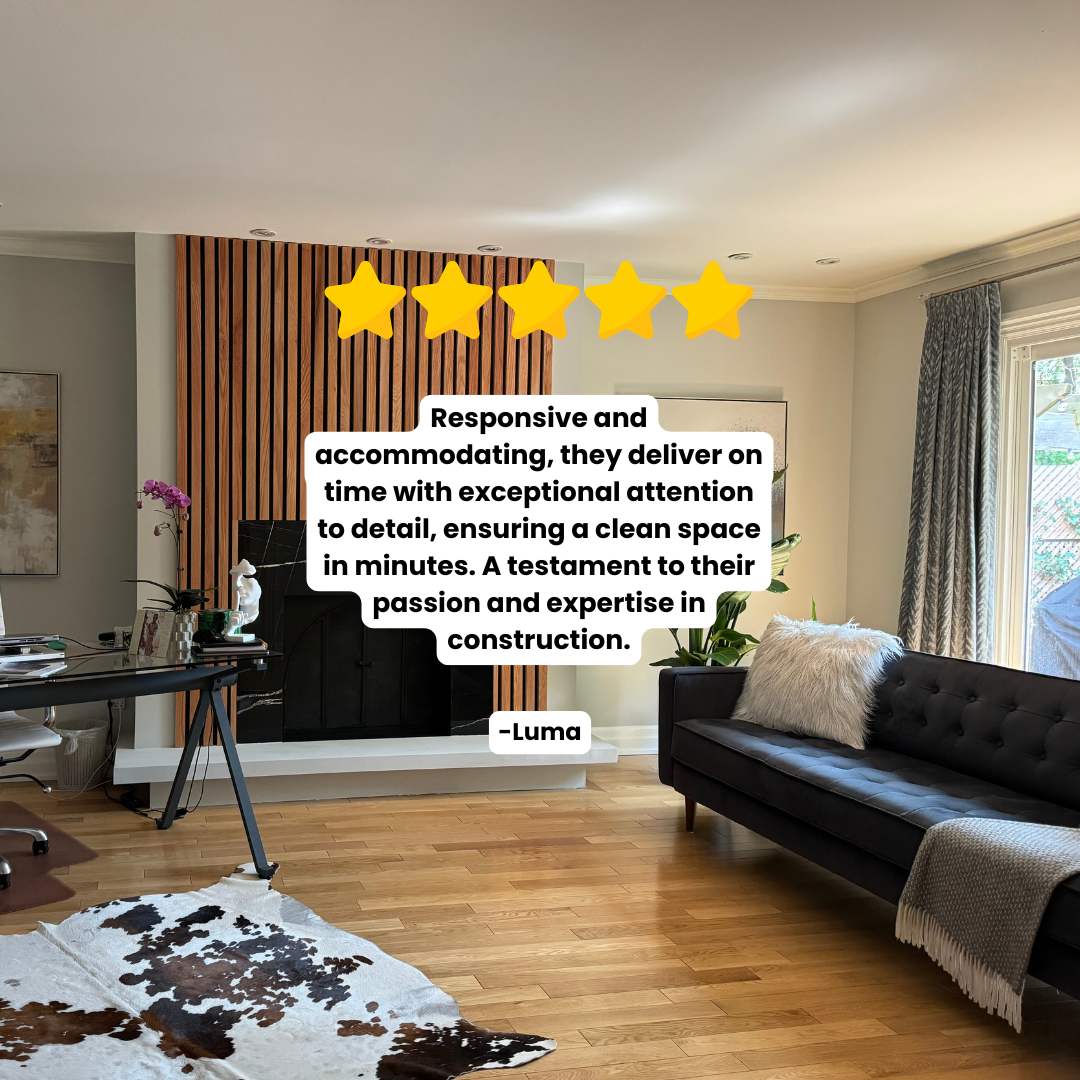
In modern home design, home offices are thoughtfully designed spaces that inspire productivity and provide a clear separation between work and leisure areas. They’re not just an afterthought or a desk crammed into a corner of your bedroom. A well-designed home office considers factors like natural light, noise levels, storage needs, and ergonomic furniture.
An advantage of a home office is that it can be tailored to your specific work needs and personal style. Do you need a large desk for drafting or creative projects? Prefer a standing desk? Want a cozy reading nook for when you need a break? All of these can be incorporated into your home office design.
Another key aspect of a modern home office is technology integration. This could mean anything from having enough outlets for all your devices, integrated charging stations, or a strong, reliable Wi-Fi signal.
Remember, a well-designed home office can boost your productivity and work satisfaction, providing you with a space that’s both functional and enjoyable to work in. Whether you’re a full-time telecommuter, an occasional work-from-home professional, or just need a dedicated space for managing household tasks, a home office is a must-have feature in a modern home. 💼🖥️🏡 #HomeOffices
Feature #3: Outdoor Living Spaces
If there’s one thing modern homeowners cherish, it’s the seamless integration of indoor and outdoor living. According to a report by the American Institute of Architects, outdoor living spaces have been gaining popularity and are an integral part of contemporary home design.
An outdoor living space isn’t just about a backyard with a patio. Modern outdoor spaces are thoughtfully designed and often function as an extension of the indoor living space. Think outdoor kitchens for al fresco dining, comfortable seating areas for socializing, beautifully landscaped gardens for relaxation, and even outdoor home offices or exercise areas.
These spaces provide a sanctuary for homeowners to enjoy nature, entertain guests, or simply relax. They also offer health benefits, from stress relief to improved mood and increased Vitamin D from sun exposure.
In creating an outdoor living space, consideration is given to privacy, weather, and maintenance. Planting for privacy, choosing weather-resistant materials, and considering the maintenance required are key to designing an outdoor space that’s beautiful and functional year-round.
Outdoor living spaces also add value to your home, not just in terms of aesthetics but also in terms of real estate value. So, whether you’re sipping your morning coffee, hosting a summer barbecue, or just enjoying a quiet evening under the stars, an outdoor living space can significantly enhance your home living experience. 🌳🌼🏡 #OutdoorLivingSpaces
Feature #4: Home Automation and Smart Tech
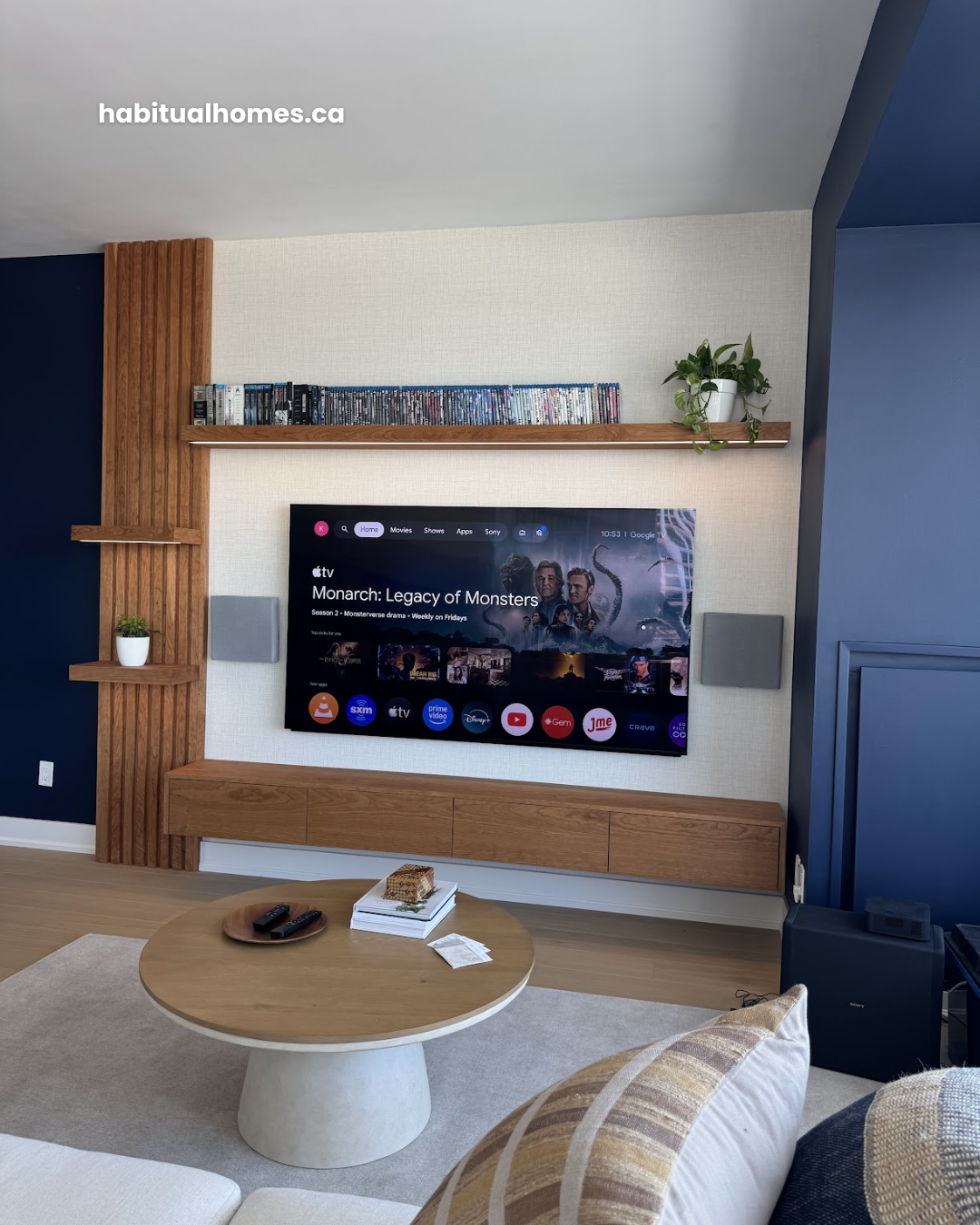
When talking about modern homes, it’s impossible to ignore the role of technology. Home automation and smart tech have become defining features of contemporary living, revolutionizing how we interact with and manage our homes.
According to Statista, the global smart home market is expected to reach an estimated $141 billion by 2023. From controlling lights and temperature to managing security and entertainment systems, smart technology is making homes more comfortable, convenient, and efficient.
Smart tech in modern homes often includes smart thermostats like Nest or Ecobee, which learn your habits over time and adjust temperatures for comfort and energy efficiency. Lighting systems like Philips Hue can change the mood of a room with the swipe of a finger. And home assistants like Amazon’s Alexa or Google Home can help with everything from playing music to controlling all your home’s smart devices.
Home automation also extends to security with smart locks, video doorbells, and security cameras that can be monitored from your smartphone, offering peace of mind whether you’re at home or away.
But smart tech isn’t just about gadgets and convenience; it’s also about efficiency and sustainability. Many smart home devices help reduce energy usage, leading to lower utility bills and a smaller carbon footprint.
Remember, the goal of smart tech is to make your home more responsive to your needs and lifestyle, making everyday tasks easier and your home more efficient and enjoyable. 🏡💡🔌 #HomeAutomation #SmartTech
Feature #5: Energy-Efficient Appliances and Design
One of the key features of a modern home is a commitment to energy efficiency. Today, homeowners are increasingly conscious of their environmental impact and are seeking ways to make their homes more energy-efficient. And rightly so, as the U.S. Energy Information Administration states that homes can be significant contributors to energy use and, consequently, carbon emissions.
Energy-efficient design in a modern home isn’t just about swapping out old appliances for new, Energy Star-rated ones – although that’s certainly a good start. It’s about a holistic approach to design that takes into consideration the home’s orientation, the insulation, the use of natural light, and even the landscaping.
For instance, strategic positioning of windows and skylights can maximize natural light and minimize the need for artificial lighting. Similarly, installing a high-efficiency HVAC system, well-sealed doors and windows, and quality insulation can significantly reduce energy consumption for heating and cooling.
Then there are energy-efficient appliances – refrigerators, dishwashers, washing machines, and dryers that use less electricity and water. Smart thermostats and LED lighting further contribute to energy savings.
And let’s not forget about renewable energy sources. Many modern homes are now equipped with solar panels, which can generate a significant portion of the home’s electricity needs and even contribute excess power back to the grid.
By integrating energy-efficient features, modern homes not only reduce their environmental impact but also offer significant cost savings in the long run. It’s a win-win situation for the homeowner and the environment. 🌍💡🏡 #EnergyEfficientDesign
Feature #6: Natural Light and Large Windows
Modern homes have a deep appreciation for natural light and its positive effects on both the aesthetics of a space and the wellbeing of its occupants. As per Harvard Business Review, natural light is the number one office perk as it can improve health and wellness. The same applies to our homes, where we spend significant time.
In contemporary design, this love for natural light is manifested through the use of large windows, glass walls, skylights, and open floor plans that allow light to flow freely through the home. These features do not only enhance the home’s aesthetic appeal but also create an open, airy, and inviting atmosphere.
Large windows and glass walls serve another important purpose: they blur the lines between indoors and outdoors, making the house feel more spacious and connected with nature. This connection with the outdoors can help reduce stress, increase focus, and improve mood.
Moreover, maximizing natural light can also make a home more energy-efficient. By reducing the need for artificial lighting during the day, you can save on electricity costs.
Remember, when designing for natural light, it’s important to consider the home’s orientation, the local climate, and the function of each room. This will ensure you achieve a balance between light, comfort, and energy efficiency.
So, whether you’re savoring a sunrise with a cup of coffee or enjoying the gentle glow of a sunset, the incorporation of natural light and large windows is a must-have feature in any modern home design. ☀️🪟🏡 #NaturalLight #LargeWindows
Feature #7: Spa-Like Bathrooms
The bathroom has evolved from being a purely functional space to a personal sanctuary where you can relax and rejuvenate. A report by the National Kitchen & Bath Association indicates a growing trend towards bathrooms that provide a spa-like experience at home.
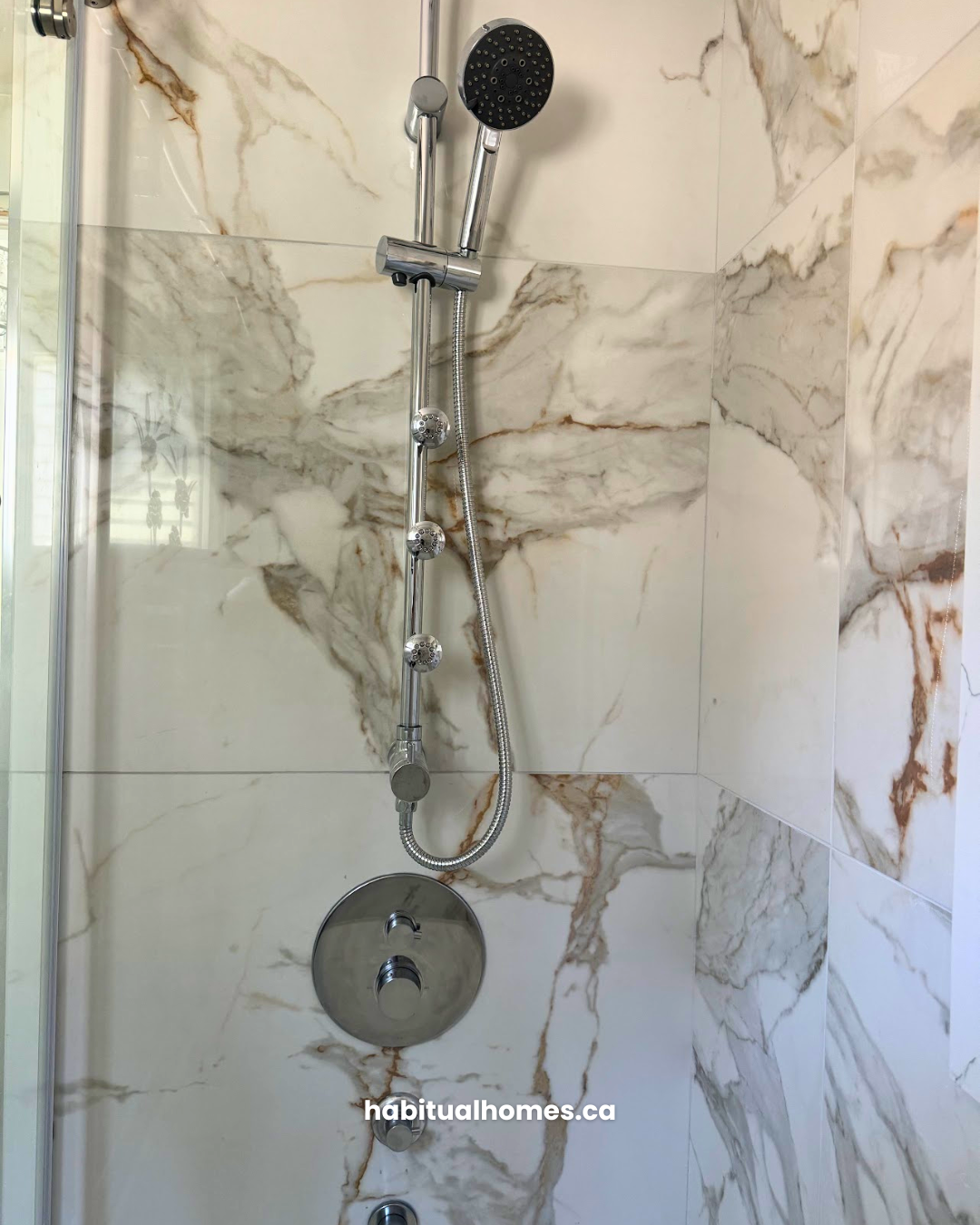
Modern home designs often feature bathrooms that go beyond basic amenities to include elements typically found in high-end spas. These include deep-soaking tubs, walk-in showers with multiple shower heads, heated floors, towel warmers, and even saunas or steam rooms.
But spa-like bathrooms aren’t just about luxurious features. They also focus on creating a calming and aesthetically pleasing atmosphere. This can be achieved through the use of natural materials like stone and wood, a color palette inspired by nature, and features like a fireplace or a window with a view.
Additionally, modern bathrooms are becoming increasingly tech-savvy. This can range from heated toilet seats and automatic faucets to sound systems and digital showers that allow you to control temperature and water flow at the touch of a button.
Remember, a well-designed bathroom can add value to your home and elevate your daily routine. After all, who wouldn’t want to start and end their day in a space that provides such luxury and relaxation? 🛀🧖♀️🏡 #SpaLikeBathrooms
Feature #8: Efficient Use of Space and Minimalist Aesthetics
One of the most defining characteristics of modern home design is the efficient use of space and a penchant for minimalist aesthetics. The motto “less is more” truly encapsulates this design philosophy. According to Freshome, minimalism in home design emphasizes simplicity, functionality, and a clutter-free environment.
In modern homes, space is often open and flexible, with each area serving multiple functions. For instance, the kitchen, dining area, and living room often blend seamlessly in an open floor plan, promoting social interaction and a sense of spaciousness.
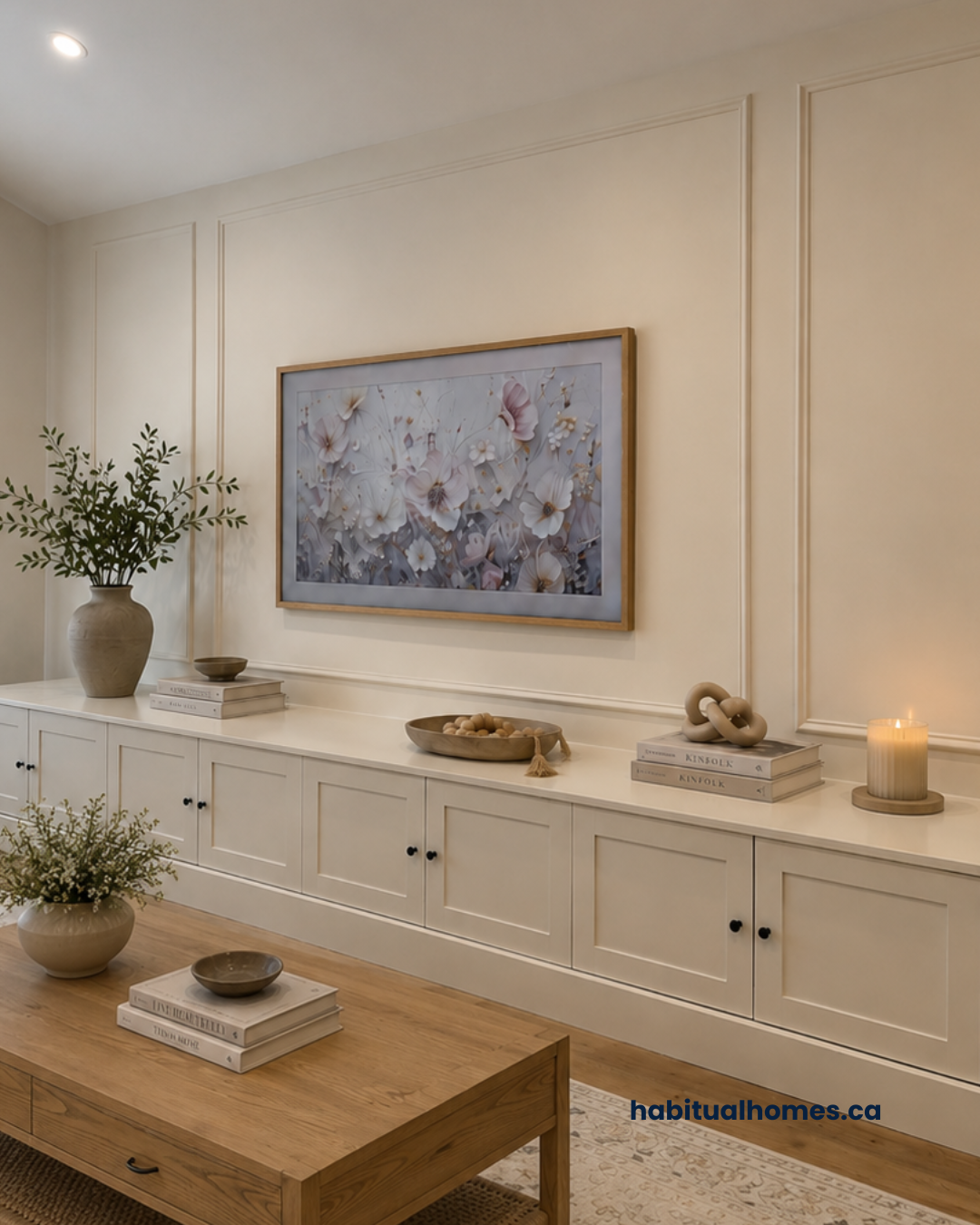
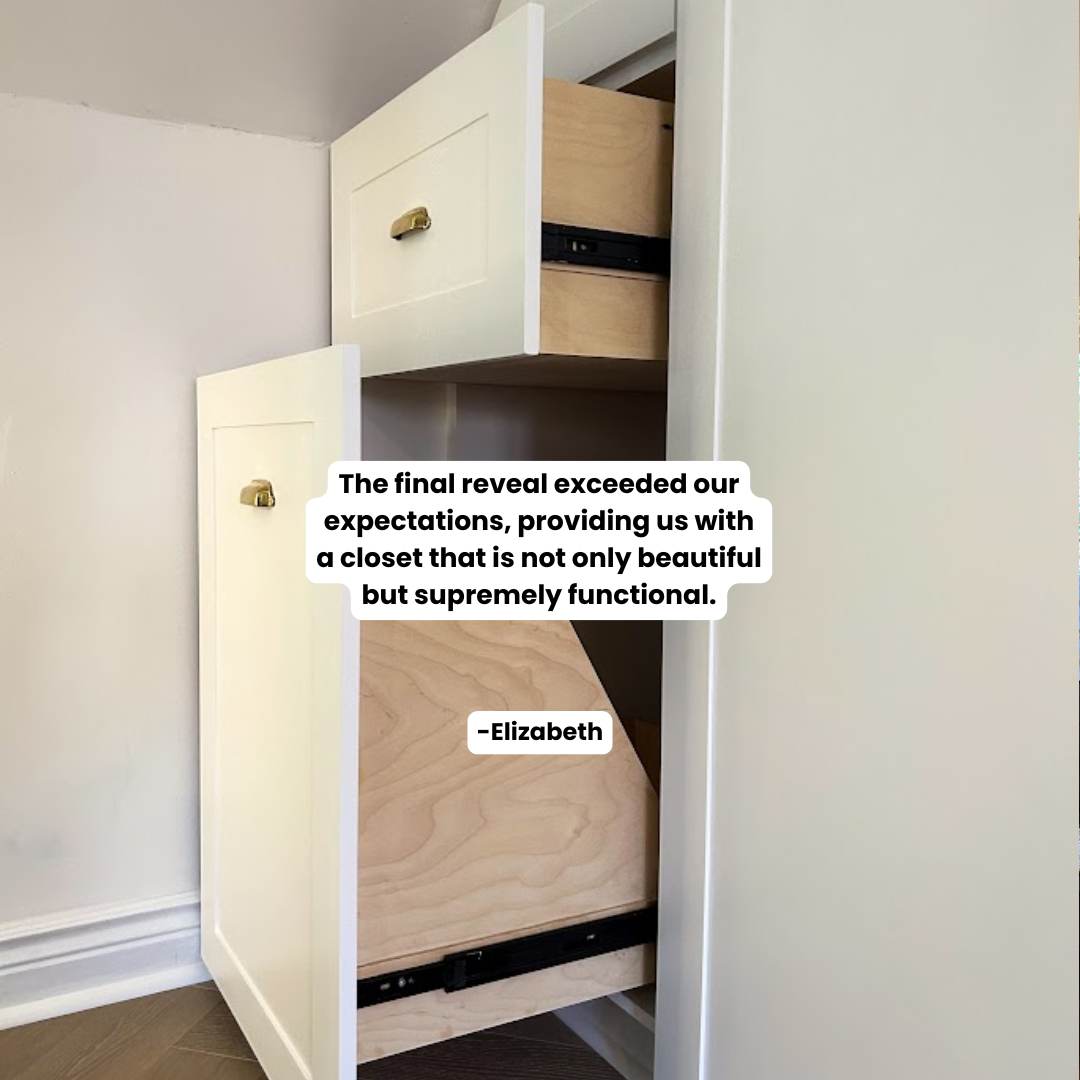
This efficient use of space also extends to storage solutions. Modern designs incorporate plenty of smart, built-in storage solutions that are streamlined and unobtrusive, helping to keep clutter to a minimum.
In terms of aesthetics, modern design favors a minimalist approach. This is characterized by clean lines, simple forms, and a lack of unnecessary detail. Color palettes are typically neutral, with occasional pops of color. Materials like metal, glass, and concrete are commonly used, and décor is kept to a minimum, allowing the architecture and the space itself to shine.
Remember, the goal of minimalist design is not to strip the home of personality or warmth. Instead, it’s about creating a calm, stress-free environment that prioritizes functionality and simplicity over excess and clutter. 🏡🎨📐 #MinimalistAesthetics #EfficientUseOfSpace
Feature #9: Sustainable Materials
One of the most critical trends in modern home design is the shift towards sustainability. This is particularly evident in the choice of materials used in construction and interior design. According to a report from the World Green Building Council, reducing the embodied carbon emissions in the building sector is critical to addressing climate change.
Sustainable materials are those that are environmentally friendly, both in terms of their production and their disposal. This could mean materials that are recycled or recyclable, materials that are sourced responsibly, or materials that have a low environmental impact in terms of energy consumption or carbon emissions.
For instance, modern homes may use reclaimed wood, which gives a second life to old wood while adding a unique aesthetic appeal. There’s also an increasing use of sustainable insulation materials like sheep’s wool or recycled denim, which are not only eco-friendly but also provide excellent thermal performance.
Moreover, modern homes often feature flooring options like bamboo or cork, which are renewable resources and have a smaller environmental footprint compared to traditional hardwood. The use of low-VOC (volatile organic compounds) paints and finishes also contributes to healthier indoor air quality.
Choosing sustainable materials is not just about doing the right thing for the environment. It’s also about creating healthier living spaces and potentially reducing energy costs in the long run. So, going green in your home design can be a win-win for you and the planet. 🌿🏡💚 #SustainableMaterials
Feature #10: Indoor Plants and Natural Elements
The integration of indoor plants and natural elements is another must-have feature in modern home design. As highlighted by NBC News, indoor plants not only improve indoor air quality but can also reduce stress, boost mood, and increase productivity.
In modern homes, plants are used not just as decorative elements, but as integral parts of the design. They can be strategically placed to improve air circulation, enhance privacy, or serve as natural focal points. Some modern homes even incorporate built-in planters or vertical gardens for a more dramatic effect.
But the incorporation of nature in modern homes goes beyond plants. Natural elements like wood, stone, and water are often used in the architecture and interior design to create a calming, grounded environment. This can range from wooden furniture and stone countertops to water features and natural light.
Natural elements and indoor plants can transform your space into a serene sanctuary, promoting a sense of wellbeing and connection with nature. As the Japanese concept of “Shinrin-Yoku” or “forest bathing” suggests, surrounding ourselves with nature, even indoors, can have profound health benefits.
So, if you’re looking to capture the essence of modern home design, don’t forget to invite nature in. It’s one of the simplest yet most impactful ways to elevate your living space. 🌿🏡🌸 #IndoorPlants #NaturalElements
Final Thoughts and Conclusion
The features of a modern home extend far beyond sleek lines and contemporary furnishings. They represent a lifestyle that embraces efficiency, sustainability, and the integration of technology, all while providing a comfortable and relaxing environment.
As we’ve seen, modern homes leverage open floor plans for a feeling of spaciousness, create multifunctional home offices to meet the demands of the new work from home culture, and blend indoor and outdoor spaces seamlessly. They incorporate smart tech and energy-efficient appliances for convenience and savings. They maximize natural light, opt for minimalist aesthetics for calmness and clutter-free living, and prioritize sustainability with eco-friendly materials.
Moreover, modern homes don’t just look towards the future; they also embrace nature with the inclusion of indoor plants and natural elements, reminding us of the calming and restorative power of the natural world.
Remember, designing a modern home isn’t about following every trend to the letter. Instead, it’s about understanding these features and adapting the ones that fit your lifestyle and personal preferences. After all, the best home is one that not only looks good but also feels right for you.
In the end, creating a modern home is an opportunity to express your style, improve your quality of life, and make a positive impact on the environment. So, whether you’re renovating, building new, or just looking for ways to update your space, consider these must-have features of modern home design. 🏡🛋️💡
Interested in more home design insights? Check out our other blog post, “How to Choose the Perfect Exterior Colors for Your Home”. Here, we delve into the art and science of selecting the right colors to boost your home’s curb appeal and value.
Thank you for joining us on this exploration of modern home design, and here’s to creating spaces that are as functional and sustainable as they are beautiful! #ModernHomeFeatures #HomeDesign