Gut Renovation vs Cosmetic Remodel: Which One’s Right for Your House?
The honest breakdown of what each type of renovation actually gets you – and what it costs
So you’re staring at your kitchen thinking “this needs to change,” but you’re not sure if you need a complete transformation or just some cosmetic updates. Maybe your real estate agent mentioned something about property value, or you saw a neighbor’s amazing renovation and now you’re wondering what’s possible.
Here’s the thing – choosing between a full gut renovation and a cosmetic renovation isn’t just about budget. It’s about understanding what you’re actually getting for your money and whether it matches what your house really needs.
I’ve been doing residential renovations for years, and I see people make the wrong choice all the time. They spend money on cosmetic fixes when they needed structural work, or they gut everything when a few smart updates would have done the job.
Let me break down the real differences so you can figure out what type of renovation actually makes sense for your situation.
What’s a Cosmetic Renovation Actually?
The “lipstick on a pig” approach (but sometimes that’s exactly what you need)
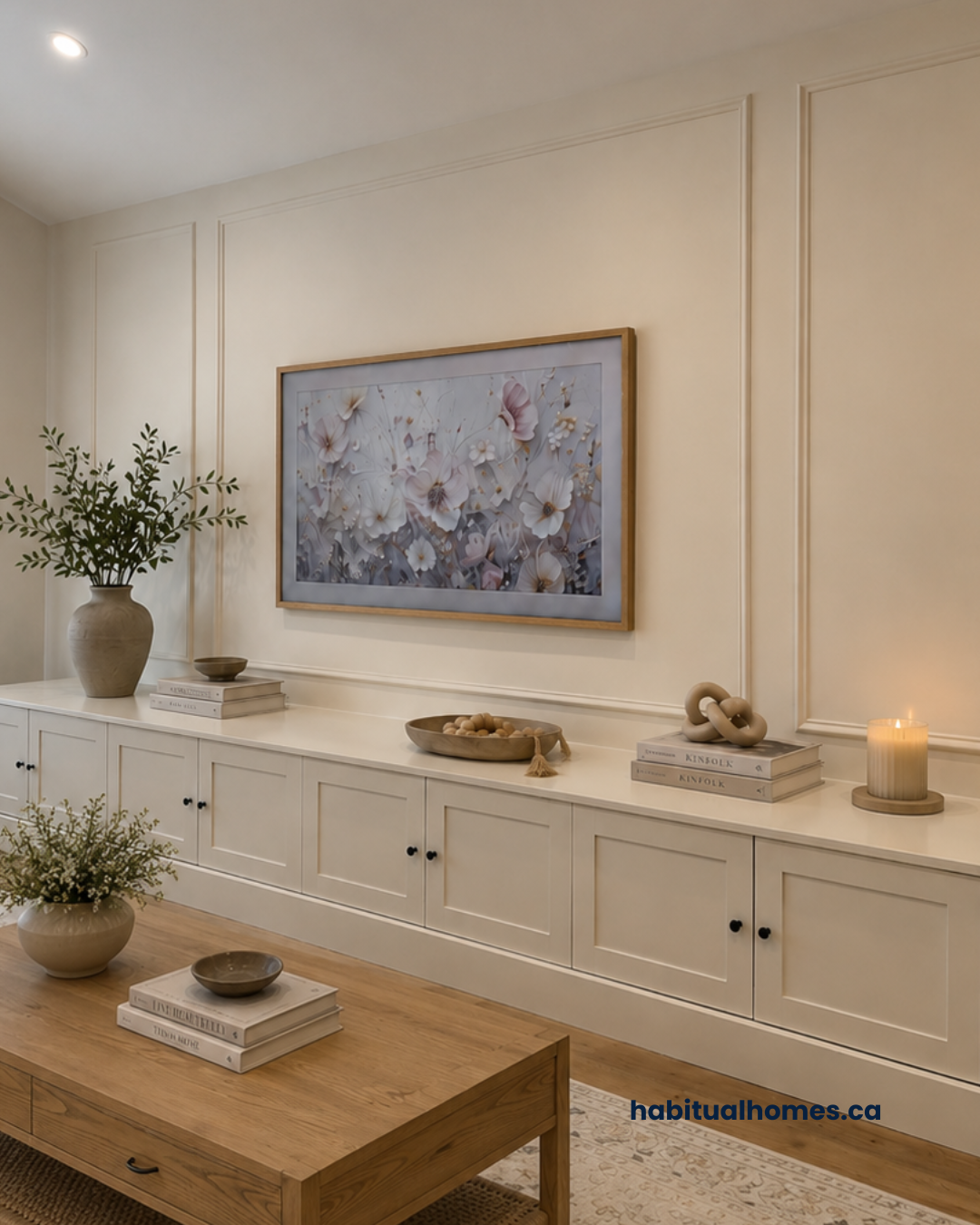
A cosmetic renovation is basically improving the overall look of your space without touching the bones of the house. You’re working with what’s already there and making it look better.
What cosmetic renovations include:
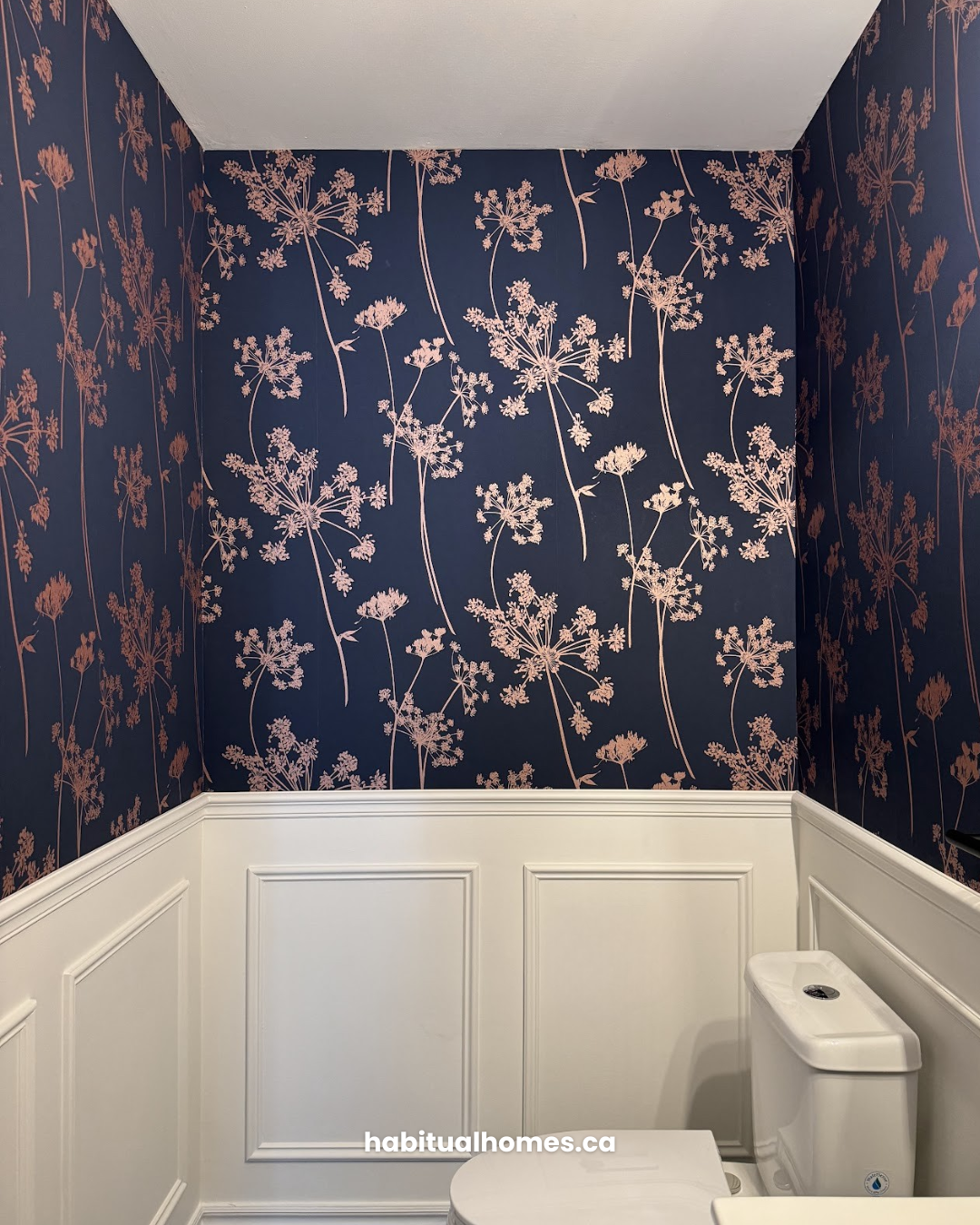
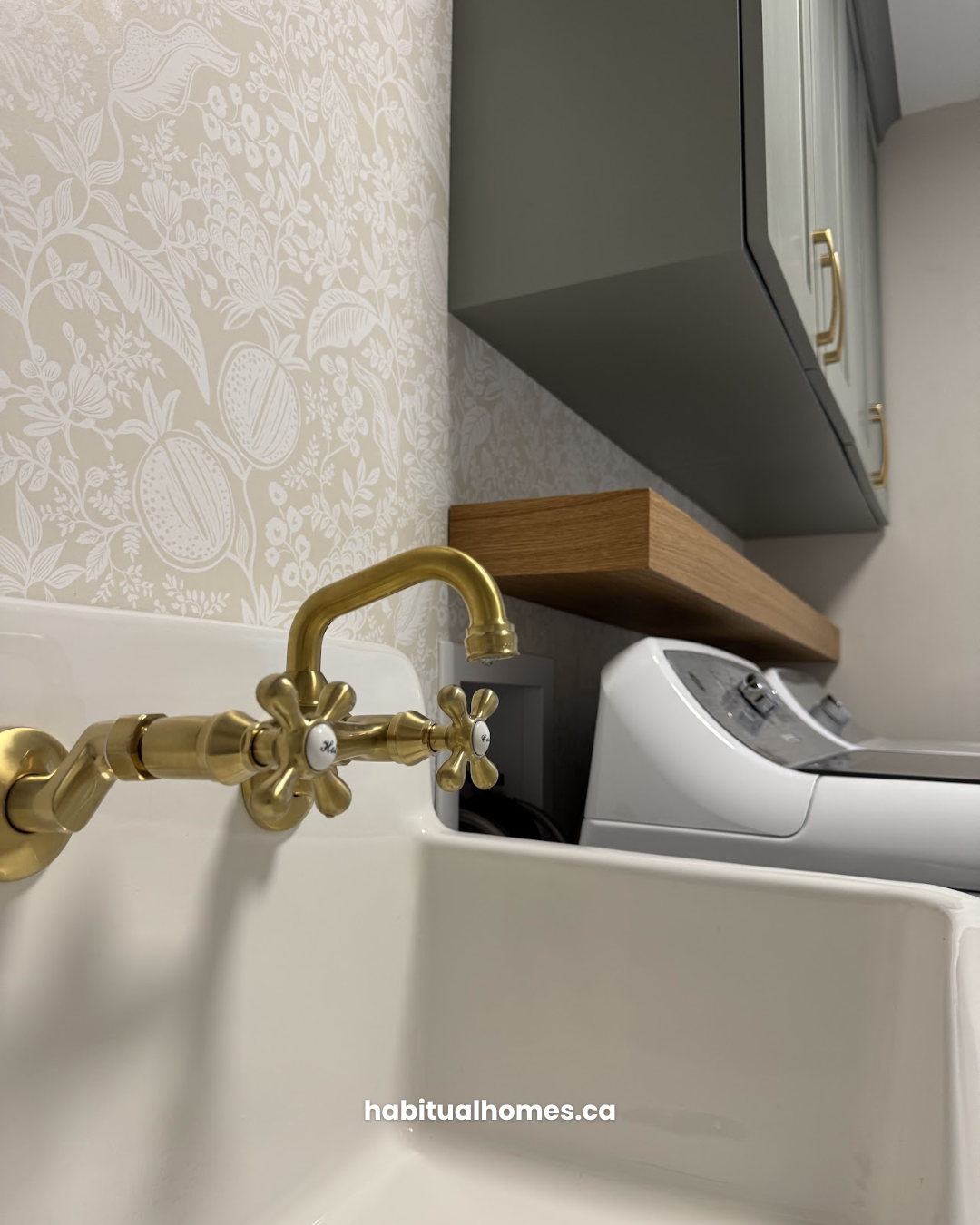
- New paint, flooring, and fixtures
- Cabinet refacing or new cabinet doors
- Updated countertops and backsplashes
- New appliances that fit existing spaces
- Lighting upgrades (as long as electrical systems can handle it)
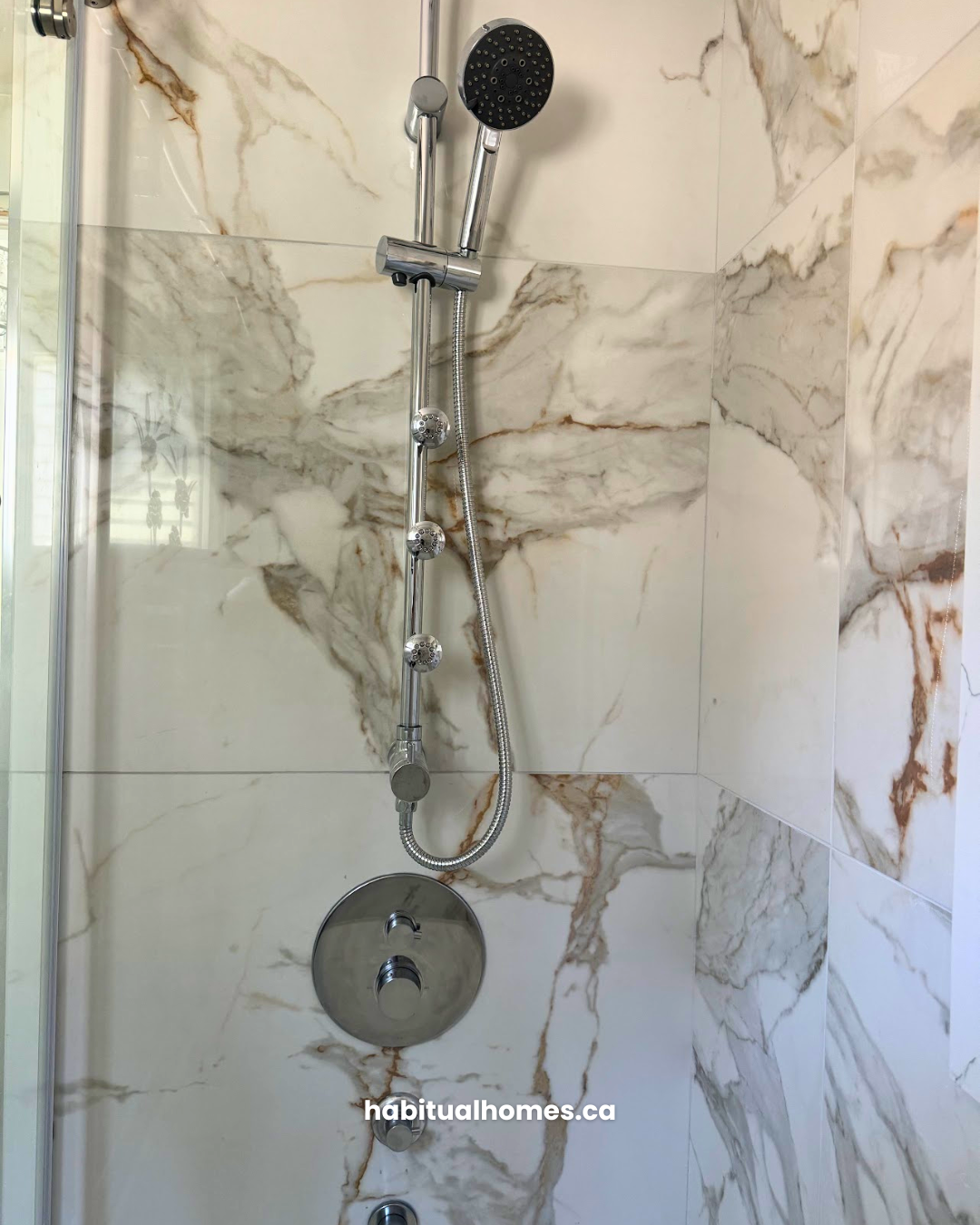
- Bathroom fixture swaps
- Interior design changes that don’t require moving walls
What you can’t do with cosmetic updates:
- Move walls or create open-concept layouts
- Upgrade electrical wiring behind walls
- Fix structural elements or foundation issues
- Change plumbing locations significantly
- Add square footage
- Install smart home technology that requires new wiring
Cosmetic renovations work great when your house is in good condition structurally but just looks dated. Think 1990s builder-grade everything that functions fine but makes you want to hide when people come over.
What’s a Full Gut Renovation?
The “tear it down to the studs” approach
A gut renovation means we’re taking everything down to the structural frame and rebuilding from there. It’s a complete customization of your space.
What gut renovations include:
- Removing walls to create new layouts
- Updating all electrical systems and wiring
- Replacing plumbing throughout
- New insulation and energy efficiency upgrades
- Structural changes and reinforcements
- Complete HVAC system overhaul
- Everything a cosmetic renovation does, plus the infrastructure
When you need a full gut renovation:
- Your house has older electrical wiring that’s not safe
- Plumbing is constantly having issues
- You want to completely change the layout
- Energy consumption is through the roof
- You found structural problems during inspection
- Systems are failing and need complete replacement
Gut renovations are what you do when you love the location but hate everything about how the house actually works.
The Real Cost Differences
Let’s talk actual numbers, not the fantasy budgets you see on TV
Cosmetic Renovation Costs:
- Kitchen cosmetic updates: $15,000-40,000
- Bathroom refresh: $8,000-20,000
- Whole house cosmetic: $30,000-80,000
- Cost per square foot: $25-65
Full Gut Renovation Costs:
- Kitchen gut renovation: $40,000-100,000+
- Bathroom gut renovation: $20,000-50,000+
- Whole house gut: $150,000-400,000+
- Gut renovation costs per square foot: $150-300+
The higher costs for gut work aren’t just about fancy finishes. You’re paying for:
- Permits and inspections
- Structural work and engineering
- New electrical systems throughout
- Updated plumbing and HVAC
- Labor costs for skilled tradespeople
- Additional costs for surprises (and there are always surprises)
Partial Gut Renovations: The Middle Ground
When you need some of both approaches
Sometimes you don’t need to gut everything, but cosmetic updates won’t cut it either. Partial renovations let you focus gut-level work where you need it most.
Common partial gut scenarios:
- Gut the kitchen but do cosmetic updates elsewhere
- Gut one bathroom, refresh the other
- Open up one wall but leave the rest alone
- Update electrical in main areas only
This approach often gives you the best value because you’re solving real problems without spending money on areas that don’t need intensive work.
Which Approach Gives You the Highest Returns?
The property value question everyone asks
Here’s what potential buyers actually care about:
Cosmetic renovations with highest returns:
- Kitchen updates (especially counters and appliances)
- Bathroom refreshes
- Fresh paint throughout
- Updated flooring
- Modern lighting
Gut renovations that add serious value:
- Open-concept layouts (if done right)
- Master suite additions
- Energy efficiency upgrades
- Smart home technology integration
- Structural improvements that solve problems
But here’s the reality – if you’re planning to live in the house for more than 5 years, choose based on what will make your daily life better, not what some potential buyer might want.
How to Decide What’s Right for Your House
The questions you need to ask yourself
Go with cosmetic updates if:
- Your house functions well but looks dated
- Major systems (electrical, plumbing, HVAC) are in good condition
- You like the current layout
- You’re planning to sell within 2-3 years
- Budget is under $50,000
- You want the entire process done in 4-8 weeks
Choose a full gut renovation if:
- You hate the layout and want open-concept or major changes
- Electrical systems are old or inadequate
- Plumbing has chronic issues
- Energy bills are ridiculous
- You found structural problems
- You’re planning to stay 10+ years
- You want complete customization
Consider partial renovations if:
- Some areas need major work, others just need updates
- You want to spread costs over time
- One specific problem area (like a terrible kitchen layout)
- Budget is $50,000-150,000
- You want to test out living with changes before doing more
Working with Design-Build Firms vs General Contractors
Who you hire matters for different types of renovations
For cosmetic renovations:
- General contractors can handle most of the work
- Interior design help is valuable but not essential
- Local regulations are usually straightforward
- Standard renovation approaches work fine
For gut renovations:
- Design-build firms often make the entire process smoother
- You need architects for significant structural changes
- Building regulations get complicated quickly
- Coordination between trades is crucial
Special Considerations for Older Properties
Historic buildings and older houses have their own rules
If your house was built before 1980, you might be dealing with:
- Local building codes that have changed significantly
- Asbestos and lead paint concerns
- Electrical systems that don’t meet current standards
- Structural elements that need special handling
- Local regulations about maintaining historic character
In older buildings, what looks like a cosmetic problem often reveals bigger issues once you start digging. Budget accordingly.
The Bottom Line
Cosmetic renovations are great when your house works but doesn’t look the way you want. Gut renovations are what you do when your house has good bones but everything else needs to change.
Don’t let anyone pressure you into more renovation than you need, but also don’t try to solve structural problems with cosmetic fixes. The best fits your actual situation, not what’s trending on Instagram.
Frequently Asked Questions About Gut vs Cosmetic Renovations
1. How do I know if my house needs a gut renovation or just cosmetic updates?
Look at your major systems first. If your electrical panel is from the 1970s, your plumbing leaks constantly, or your energy bills are through the roof, you probably need gut-level work. But if everything functions fine and you just hate the way it looks, cosmetic updates might be enough. When in doubt, get a professional assessment – sometimes what looks like a cosmetic problem is hiding bigger issues.
2. Can I start with cosmetic renovations and upgrade to gut work later?
Yes, but it’s usually more expensive that way. If you do cosmetic updates first, you’ll end up ripping out that new flooring and fresh paint when you decide to gut renovate later. It’s better to do partial renovations in phases – like gutting the kitchen this year and doing cosmetic updates elsewhere, then tackling the bathrooms next year.
3. Which type of renovation adds more property value?
It depends on your house and neighborhood. In areas where most homes have been updated, cosmetic renovations might give you better returns. But if you’re in a neighborhood of older properties with original 1960s everything, a gut renovation that creates modern open-concept layouts and updated systems usually adds more value. The key is matching what potential buyers expect in your price range.
4. How long does each type of renovation take?
Cosmetic renovations typically take 4-12 weeks depending on scope. A kitchen refresh might be 3-4 weeks, whole house cosmetic could be 8-12 weeks. Gut renovations take much longer – 4-8 months for most projects. The timeline depends on permits (4-8 weeks just for approval), scope of structural changes, and what surprises we find behind the walls.
5. Can I live in my house during the renovation?
During cosmetic renovations, you can usually stay home. It’s inconvenient but manageable – you might lose your kitchen for a few weeks or have to use a different bathroom. During gut renovations, living in the house isn’t realistic or safe. Plan to move out for 3-6 months minimum. The dust, noise, and lack of basic utilities make it unlivable.
6. What permits do I need for each type of renovation?
Cosmetic renovations rarely need permits unless you’re doing major electrical work. You can usually replace fixtures, paint, install new flooring, and update appliances without permits. Gut renovations almost always need permits for structural changes, electrical system updates, plumbing modifications, and HVAC work. In Toronto, this adds 4-8 weeks to your timeline and $500-3,000+ to your budget.
7. Should I hire different contractors for cosmetic vs gut renovations?
For cosmetic work, you might be able to hire individual specialists – a painter, flooring contractor, kitchen installer. But gut renovations need a general contractor or design-build firm who can coordinate all the trades and handle the complex timeline. They need experience with structural work, permits, and managing the entire process from demo to final finishes. Don’t trust a gut renovation to someone who only does cosmetic work.
Ready to Make the Right Choice for Your Home?
Trying to figure out what type of renovation your house actually needs? We’ve been helping homeowners make this decision for years. We’ll take an honest look at your house and tell you what makes sense for your situation and budget.
Sometimes that means talking you out of a gut renovation when cosmetic updates will do the job. Sometimes it means explaining why that “simple kitchen refresh” needs to become something bigger to actually fix your problems.
The worst thing you can do is guess wrong and waste money on the wrong approach. Get professional advice before you commit to any renovation projects.
Book your free consultation today
The right type of renovation depends on your house, your budget, and your timeline. But the wrong choice can cost you thousands and leave you unsatisfied with the results. Get the facts before you decide.