If you’ve ever searched “Should I replace my windows?”, you’ve probably noticed one thing:
Most answers jump straight to yes.
New windows are often sold as a must-do upgrade — better energy efficiency, better resale value, better comfort. But in real homes, especially in Toronto, the answer is rarely that simple.
Windows are one of the most visible architectural features of your house. They affect how your home looks, how it feels, and how it performs. And replacing them too quickly — or for the wrong reason — can lead to expensive regret.
In this article (and the video below), we walk through three practical questions we use with clients before recommending window replacement. These questions help you slow down, understand your options, and make a decision that actually fits your home.
Watch the Video: Should I Replace My Windows?
Question 1: What’s Actually Broken — and What Just Looks Tired?
This is the most important starting point.
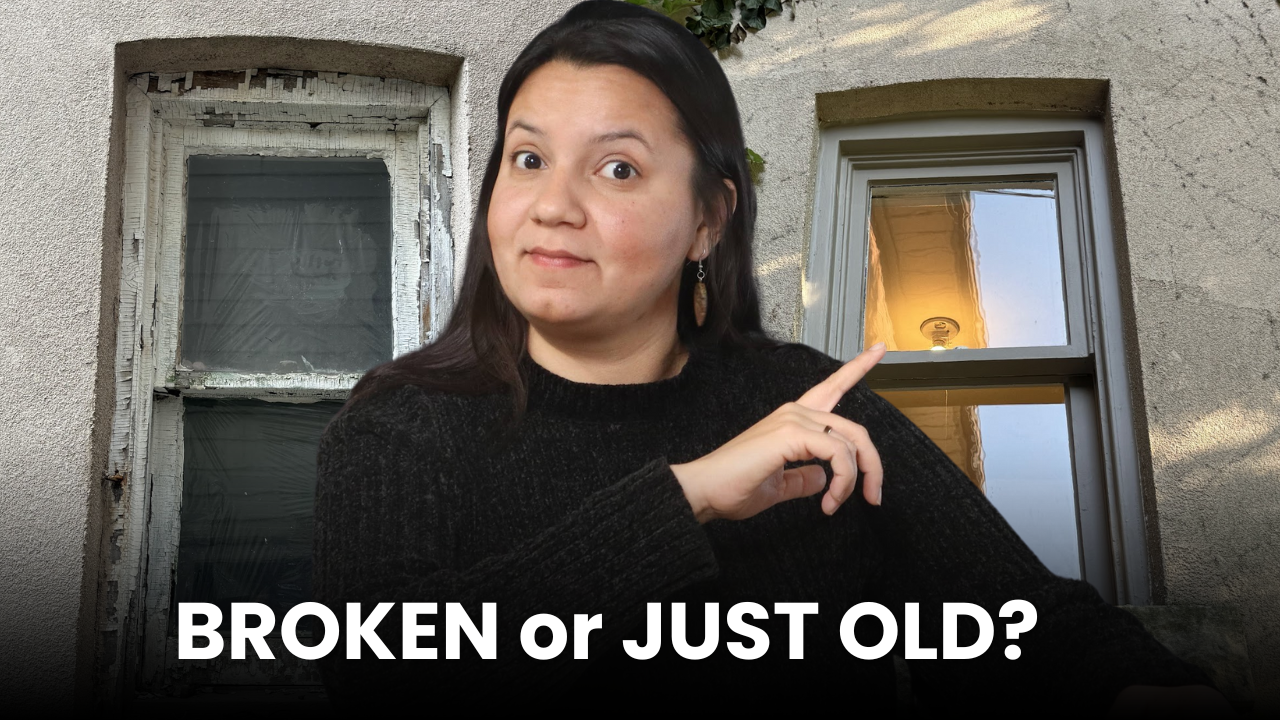
There’s a big difference between failed windows and dated windows, and confusing the two is where many homeowners overspend.
Signs your windows may be failing
These usually point toward replacement:
- Fog or condensation between glass panes (a broken seal)
- Frames that are rotted, soft, or structurally compromised
- Windows that won’t open or close properly
- Proportions that clearly don’t suit the architecture of the house (for example, vinyl sliders on a Victorian or Edwardian home)
When windows are truly failing, replacement is often the right call.
Signs your windows may just be dated
These issues don’t always require full replacement:
- Drafts around the edges
- Cheap-looking hardware
- A style you no longer love
- Windows that work fine but feel visually tired
If your windows fall into this category, you likely have more options than you think.
Question 2: Have You Looked at the In-Between Options?
Most homeowners jump straight from
“I don’t like my windows” → “I need all new windows.”
But there’s a whole range of solutions in between — and in many homes, these options deliver better value and better design.
Option 1: Refresh what you already have
Approx. $100–$300 per window
If the frames are solid, you can often:
- Paint or refinish the frames
- Upgrade the hardware
- Add proper interior casing or trim
We’ve worked with clients whose windows looked completely transformed after a refresh — and in many cases, they ended up looking better than new windows because the original proportions were right for the house.
Option 2: Interior storm windows
Approx. $150–$400 per window
Interior storm windows sit on the inside of your existing windows and dramatically improve insulation and comfort.
This option is especially valuable if:
- You live in a heritage or older home
- Your windows have good proportions
- You want better performance without changing the exterior look
You preserve the architectural character of the house while improving comfort — a big win in many Toronto homes.
Option 3: Full replacement
Approx. $500–$5,000 per window
When replacement makes sense, it’s important to understand what you’re actually buying:
- Wood windows: beautiful, but require maintenance
- Vinyl windows: affordable, but proportions and appearance can be limiting
- Fiberglass windows: excellent performance, higher cost
One of the most balanced options we often recommend is wood interior with aluminum-clad exterior — warmth and beauty inside, durability and low maintenance outside.
Question 3: What’s Your Real Reason for Wanting New Windows?
This question requires honesty — and it’s where clarity usually appears.
Good reasons to replace windows
- Design: If the proportions are wrong or the windows bother you every day, that matters. You live there. Design isn’t superficial.
- Function: Drafts, failures, or usability issues that affect comfort or livability
- Timing: You’re already doing a major renovation, and it makes sense to coordinate everything
Questionable reasons to rely on alone
- Energy savings: The payback period is often 25–40 years. Energy efficiency is a bonus, not a strong standalone reason.
- Resale value: In Toronto, new windows are expected. They usually prevent value loss more than they create extra value.
If you’ve worked through these questions and still feel that replacement is right for you — that’s completely valid. Just make sure you’re investing in better design, not just something newer.
The Takeaway: Slower Decisions Lead to Better Homes
Replacing windows is a big investment. And like most renovation decisions, the best outcomes come from diagnosis before prescription.
Ask:
- What’s actually wrong?
- What options exist between repair and replacement?
- Why do I want this change — really?
If you’d like help thinking through your specific home, we’re always happy to look at photos and talk through options before recommending anything.
And if you’ve decided replacement makes sense, the next question becomes:
What type of window should you choose?
We break that down in the next video.
👉 Watch: Choosing the Right Window Type (and Avoiding Costly Mistakes)
Thinking About Windows in Your Toronto Home?
We help homeowners make clear, design-led renovation decisions — whether that means replacing, repairing, or doing nothing at all.
If you’re unsure what makes sense for your house, you can reach us anytime at info@habitualhomes.ca.