In an age where wellness has become a top priority, a healthy lifestyle extends far beyond diet and exercise—it also includes the spaces we live in. Our homes, the places where we spend the majority of our time, can significantly influence our physical and mental wellbeing. That’s why the concept of a ‘healthy home’ has gained substantial attention over the years. But what exactly makes a home ‘healthy’? Is it the design, the materials, the light? The answer is all that and more.
In this blog post, we will delve into the key elements of a healthy home and show you how to create an environment that supports your wellbeing. Whether you’re planning a new build, renovating your existing house, or simply want to make some lifestyle improvements, these insights will equip you with the knowledge to make healthier choices for your living space. So let’s embark on this journey to creating a home that’s not just beautiful and functional, but also contributes positively to your health. 🏡💪🍃 #HealthyHomeDesign #HomeWellness
The Concept of a Healthy Home
The World Health Organization (WHO) defines a healthy home as one that supports health and includes adequate provision for fresh air, clean water, natural light, and safety. It is a home designed with not just aesthetics and functionality in mind but also the physical and mental health of its inhabitants.
While this may seem like a recent trend, it is, in fact, a concept that dates back thousands of years. Ancient civilizations like the Romans, Greeks, and Egyptians all considered health factors when building their homes, leveraging natural light, fresh air, and even the therapeutic benefits of water in their designs.
In the modern context, a healthy home transcends these fundamental provisions. With advances in technology and an increased understanding of environmental health risks, the definition of a healthy home has expanded to include factors such as indoor air quality, non-toxic materials, noise control, and even smart technologies that contribute to a healthier living environment.
The core principle remains the same: our homes should be places that nourish our health and wellbeing, not compromise them. As architects and designers, it’s our responsibility to understand and incorporate these elements to create spaces that not just shelter, but also enhance the quality of life.
Now, let’s delve into these key elements of a healthy home design.
Element #1: Good Indoor Air Quality
When we think about pollution, our minds often jump to smog-filled cityscapes and industrial smokestacks. But did you know that the air inside our homes can be up to five times more polluted than the air outside, according to the U.S. Environmental Protection Agency (EPA)? Indoor air quality has a significant impact on our health, potentially causing issues ranging from minor irritations like headaches and allergies, to more serious conditions like asthma or heart disease.
Several factors contribute to indoor air quality. These include chemicals from building materials and furnishings, combustion pollutants from cooking and heating appliances, biological pollutants like mold, dust mites, pet dander, and even outdoor pollutants that enter the home.
So, how can we improve indoor air quality? Here are a few strategies:
Proper Ventilation: Good ventilation is key to maintaining healthy indoor air. It helps to dilute and remove pollutants by allowing fresh air to circulate throughout your home. This can be achieved through natural ventilation, like opening windows, and mechanical means, such as the use of exhaust fans and ventilation systems.
Air Cleaning: Air purifiers can also help to remove pollutants, particularly those that can trigger allergies and asthma. They work by filtering out particulates from the air, including dust, pollen, and smoke.
Mindful Material Choices: Choose low-VOC (Volatile Organic Compounds) or no-VOC paints, sealants, and adhesives during construction or renovation. Opt for furnishings that are free from toxic flame retardants and stain repellents.
Regular Cleaning: Regular cleaning can help reduce dust and other biological pollutants. However, it’s important to choose cleaning products that are free from harsh chemicals that can contribute to indoor air pollution.
Humidity Control: High humidity can lead to mold growth, which can trigger allergies and other health issues. Use dehumidifiers or air conditioning units to maintain a healthy humidity level (between 30% and 50%).
Good indoor air quality is the cornerstone of a healthy home. By paying attention to ventilation, cleanliness, and the materials we bring into our homes, we can create spaces that are as fresh as they are beautiful. Breathe easy knowing you’ve made a significant step towards a healthier home.
Element #2: Natural Light
There’s nothing quite like the warm, inviting glow of natural sunlight streaming through your windows. But did you know that natural light is not just an aesthetic element but also a crucial component of a healthy home?
Natural light plays a vital role in our overall well-being. According to a study published in the Journal of Clinical Sleep Medicine, exposure to natural light during the day can improve sleep quality, mood, and overall quality of life. It helps regulate our body’s internal “circadian” clock, which controls sleep-wake cycles, hormone release, and other bodily functions. Furthermore, natural light exposure can also increase productivity and focus, making it a key element for home offices and study areas.
So, how can you incorporate more natural light into your home design? Here are a few ideas:
Smart Window Placement: When designing a new home or remodeling an existing one, consider the orientation of your windows. North and south-facing windows provide the most consistent light throughout the day, while east and west-facing windows offer morning and evening light, respectively.
Skylights and Sun Tunnels: These can be a great option for bringing more light into interior rooms or areas that don’t have exterior walls for windows.
Reflective Surfaces: Using light-colored paints, mirrors, and glossy finishes can reflect sunlight around the room, effectively brightening the space.
Open Floor Plans: Open layouts allow sunlight to permeate throughout the space, reducing the need for artificial light.
Translucent Window Treatments: Use light, translucent window treatments to allow in natural light while maintaining privacy.
Use of Glass: Incorporate glass doors, partitions, or panels in your design to allow light to flow freely.
Designing with natural light in mind will not only create a brighter, more cheerful environment but also contribute to a healthier, happier home. Let the sunshine in and see the transformative impact it has on your home and well-being!
Element #3: Non-Toxic Materials
Every day, without realizing it, we are exposed to a myriad of synthetic materials and chemicals in our homes, from the paint on our walls to the fabrics on our furniture. While many of these substances are harmless, others can release toxic emissions that can negatively impact our health. Known as Volatile Organic Compounds (VOCs), these substances can cause a range of health problems, from headaches and skin irritations to liver damage and cancer, according to the United States Environmental Protection Agency (EPA).
Fortunately, as awareness about the potential dangers of these substances increases, so too does the availability of non-toxic alternatives. Here are a few ways you can make healthier choices in your home design:
Low or No-VOC Paints: These types of paints use water as a carrier instead of petroleum-based solvents, significantly reducing the level of harmful emissions. They are widely available and come in just as many color options as traditional paints.
Natural Flooring Options: Opt for natural materials such as hardwood, cork, or bamboo, which are not only durable and attractive but also emit fewer VOCs than synthetic carpeting or vinyl flooring. If you prefer carpeting, look for brands that use natural fibers like wool and a non-toxic adhesive.
Furniture and Cabinets: Choose pieces made from solid wood or metal, which are less likely to emit VOCs. Avoid furniture made from particleboard or medium-density fibreboard (MDF), which often contain formaldehyde, a known carcinogen.
Air Purifying Plants: Plants like the peace lily, snake plant, and English ivy are known for their ability to absorb toxins and purify the air, according to a study by NASA. Not to mention, they add a touch of nature and beauty to your home!
Non-Toxic Cleaning Products: Many conventional cleaning products contain a cocktail of chemicals. Opt for natural or plant-based cleaning products, or make your own with ingredients like vinegar and baking soda.
Creating a healthy home means being mindful of the materials we choose. By opting for non-toxic alternatives, we can create a living environment that supports our well-being rather than jeopardizing it. After all, our homes should be our safe havens, free from harm and full of health.
Element #4: Healthy Kitchen Design
The kitchen is often considered the heart of the home, where meals are prepared, and family and friends gather. But did you know your kitchen design can significantly influence your health and well-being? From the layout to the appliances, a healthy kitchen design can encourage better eating habits and promote a healthier lifestyle.
Here’s how you can create a health-oriented kitchen:
Optimal Layout: An efficient kitchen layout minimizes unnecessary movement and creates a seamless flow from the fridge to the prep area to the stove. The traditional “kitchen triangle” concept, which positions the refrigerator, stove, and sink at triangle points, can enhance your cooking experience and reduce stress.
Quality Appliances: Investing in high-quality appliances can make a big difference. For instance, a high-speed blender can encourage smoothie-making, a good quality oven can make home-cooked meals more appealing, and a fridge with ample fresh produce storage can promote healthier eating habits.
Healthy Cookware: Non-stick pans can release toxic fumes when overheated. Instead, opt for safer alternatives like cast iron, stainless steel, or enamel cookware.
Accessible Healthy Foods: Keep healthy foods like fruits, vegetables, and whole grains at eye level and in easy reach. As noted in a study from Cornell University, making healthy foods easily accessible encourages healthier eating habits.
Proper Ventilation: Good ventilation is crucial in maintaining indoor air quality. It helps remove airborne grease, combustion products, fumes, smoke, odors, and steam from your home.
Hydration Station: Set up an area in your kitchen dedicated to hydration — it could be a water filter jug, a dedicated tap for filtered water, or even a fancy water dispenser. Staying hydrated is a crucial part of staying healthy.
Herbs and Spices at Hand: Keep a selection of herbs and spices within easy reach. Not only do they enhance the flavor of your meals, but many herbs and spices also have powerful health benefits.
A well-designed kitchen isn’t just about aesthetics. It’s about creating an environment that fosters healthy habits, making it easier for you and your family to lead a healthier and happier life.
Element #5: Water Quality
Water plays a crucial role in our daily lives. We use it for drinking, cooking, bathing, and cleaning. However, not all water is created equal. The quality of the water in our homes can significantly impact our health and the health of our families.
Here’s why water quality is important and how you can improve it:
Potential Contaminants: Depending on where you live, your water can contain various contaminants. These can include heavy metals like lead and mercury, chemical pollutants, and biological entities like bacteria and viruses. According to the World Health Organization (WHO), long-term exposure to certain contaminants can lead to health issues, including kidney damage and neurological disorders.
Healthier Drinking Water: Investing in a high-quality water filter is one of the best ways to ensure that your drinking water is clean and healthy. There are several types on the market, from simple pitcher filters to under-the-sink models and whole-house systems. Consider getting your water tested to find out what contaminants you need to filter out.
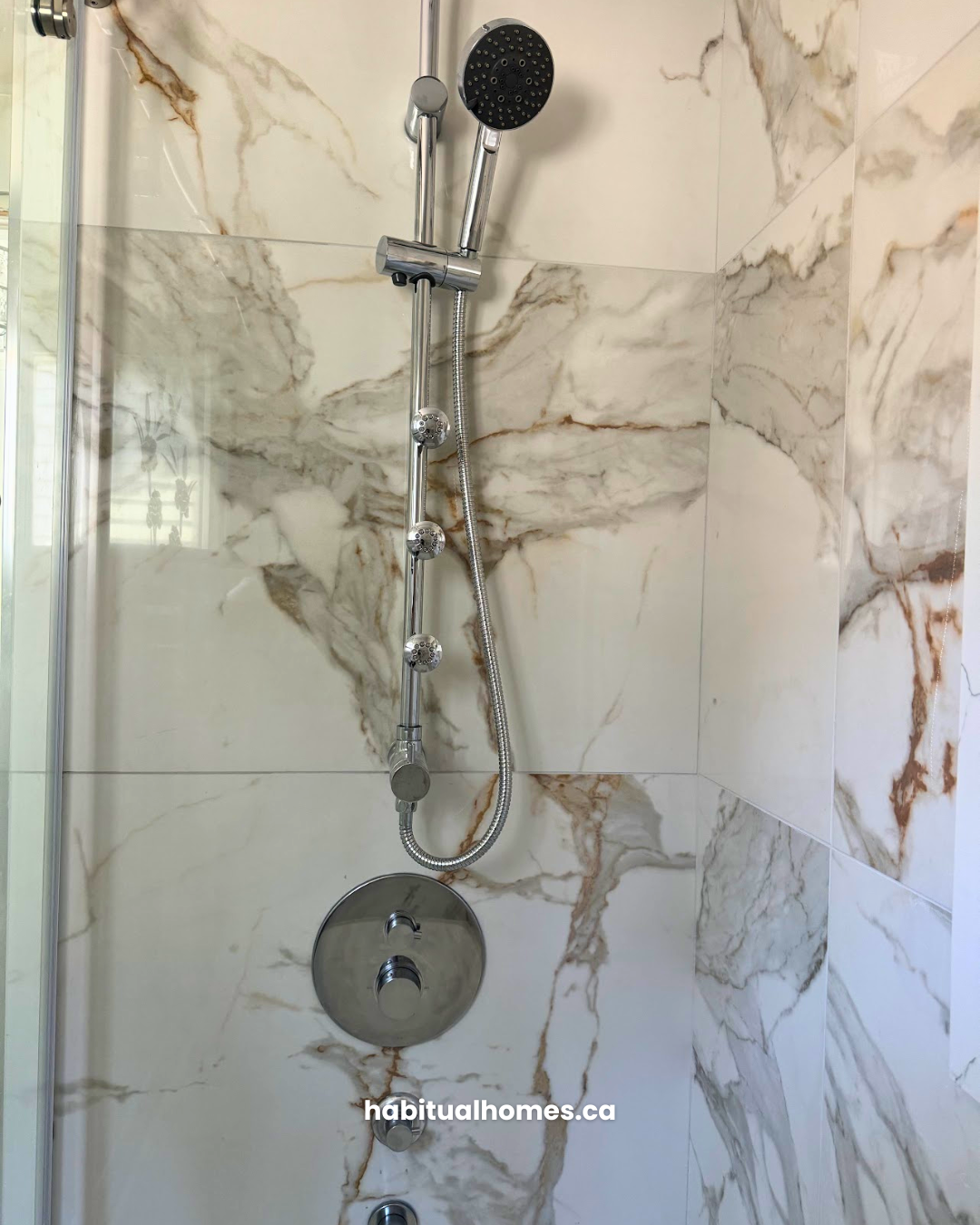
Shower Filters: It’s not just the water we consume that matters, but also the water we shower in. Some studies, including this one from Rutgers University, suggest that inhaling hot water vapors contaminated with harmful substances can have negative health effects. A good shower filter can help reduce these risks.
Water Softeners: If you live in an area with hard water, a water softener can help protect your skin and hair from drying out and prevent scale buildup in your pipes and appliances. Keep in mind, however, that softened water can contain high levels of sodium, so it’s often not the best for drinking or cooking.
Routine Testing: Regular testing can ensure that your water quality remains at its best. Many companies provide home testing kits that allow you to check for common water contaminants.
In conclusion, ensuring your home has clean, high-quality water is an essential part of creating a healthy living environment. After all, water is the essence of life, and we should strive to make it as pure as possible for our health and well-being.
Element #6: Home Fitness Spaces
Physical activity plays an essential role in maintaining health and well-being. It reduces the risk of many diseases, enhances mood, and boosts overall energy levels. While traditional gyms serve a purpose, there’s something inherently convenient and appealing about a home fitness space.
Let’s explore how to incorporate fitness into your home:
Designate a Space: Even a small space can function as a fitness area. Whether it’s an entire room, a corner in your living room, or even outdoor space, what’s important is that it’s dedicated to physical activity. Clear out any clutter, and try to keep the space open and inviting.
Choose the Right Equipment: Your equipment will depend on your fitness goals and personal preferences. If you’re tight on space, consider versatile items like resistance bands, a yoga mat, adjustable weights, or a stability ball. If you have more room, larger equipment like a treadmill, stationary bike, or a rowing machine could be beneficial.
Bring in Nature: If possible, set up your fitness area near a window with a view. Research from the University of Exeter suggests that exposure to nature can increase feelings of well-being and improve focus, both of which can enhance your workout.
Mirrors: Adding mirrors can make a small space seem larger, and they’re also useful for checking your form during workouts.
Air Quality: Make sure your workout area has good ventilation. You might be producing more CO2 during a workout, and it’s essential to keep the air fresh. An air purifier or an open window can help.
Sound System: Good music can enhance your workouts. Invest in a decent sound system if you enjoy music, or even a set of good quality wireless headphones.
Storage Solutions: Keep your workout space tidy with smart storage solutions. This could be as simple as a basket for yoga mats and weights, or you could install shelving or a rack for larger equipment.
By creating a dedicated fitness space in your home, you’re making a commitment to your health. It’s about crafting a convenient, personalized environment that invites you to engage in physical activity regularly. So get creative, and start designing a home gym that fits your lifestyle and fitness goals.
Element #7: Noise Control
In a healthy home, sound levels are an often-overlooked element. Whether it’s from street traffic, noisy neighbors, or even the hum of household appliances, noise pollution can have an impact on your health and well-being. Studies, including this one from the Environmental Health Perspectives, have found that long-term exposure to excessive noise can lead to stress, sleep disturbances, and even cardiovascular disease.
So, how can you design your home for optimal noise control? Let’s look at some strategies:
Insulation: Proper insulation not only keeps your home warm in the winter and cool in the summer, but it can also be an excellent barrier against outside noise. Insulation materials such as fiberglass, mineral wool, and spray foam can significantly reduce sound transmission.
Soundproofing Walls and Ceilings: You can add materials like mass-loaded vinyl, soundproof drywall, or resilient channels to your walls and ceilings to limit the amount of noise that enters or leaves a room.
Windows and Doors: Upgrading to soundproof windows and doors can be a game-changer in noise-heavy areas. Look for ones with double- or triple-pane glass, as these offer the best sound insulation.
Flooring: Soft floor coverings like carpets and rugs can absorb sound and reduce echoes in a room. If you prefer hard flooring, consider adding a thick underlay for additional sound absorption.
Noise-Cancelling Devices: White noise machines or even smart speakers that offer ambient sound options can help mask unwanted noise. They’re especially useful in bedrooms or home offices where concentration or relaxation is vital.
Layout Considerations: Plan your home layout wisely. Try to locate bedrooms away from noise sources like streets, communal areas, or appliances.
Greenery: Plants and trees can also help reduce noise levels. A well-placed row of shrubs or a thick ivy wall can absorb and deflect sound, not to mention the added benefits of increased privacy and aesthetic appeal.
By taking control of noise levels in your home, you’ll be creating a more peaceful, stress-free environment that’s conducive to relaxation and well-being. The quiet and serenity will be well worth the effort and investment.
Element #8: Healthy Outdoor Spaces
A healthy home extends beyond your four walls. Your outdoor space, whether it’s a sprawling backyard, a petite patio, or a cozy balcony, is an extension of your living space. A well-designed outdoor area not only adds value to your property, but it also promotes health and well-being, from fresh air and sunlight to physical activity and social interaction.
Here’s how you can design your outdoor space for optimum health benefits:
Green Spaces: An article published in Environmental Science & Technology demonstrates that interacting with nature improves mental health. Plant a garden, install a green wall, or simply put potted plants to invite nature into your space.
Outdoor Dining: If space allows, set up an outdoor dining area. Eating outdoors is a wonderful sensory experience that can make meals more enjoyable and possibly even healthier.
Spaces for Activity: Dedicate a space for physical activities that you enjoy. It could be a pool, a badminton net, a yoga deck, or even a simple open area where you can do workouts.
Gardening: The act of gardening itself is therapeutic and is shown to have both physical and mental health benefits according to a study in the Journal of Health Psychology. Plus, if you plant herbs or vegetables, you’ll have fresh, organic produce right at your doorstep.
Sun Protection: While natural light is beneficial, you should also have areas of shade to protect from the sun’s intense midday rays. Consider installing a retractable awning, pergola, or even large umbrellas.
Water Features: According to a study in Environmental Science & Technology, the sound of water can reduce stress and increase feelings of tranquility. A small fountain, a koi pond, or even a simple bird bath can make a significant difference to your outdoor space.
Lighting: Proper lighting can make your outdoor space functional even after the sun goes down. Plus, well-planned lighting can create a soothing ambiance.
Comfortable Seating: Comfortable outdoor furniture invites you to spend more time outside, which can increase your Vitamin D levels and boost your mood.
Remember, your outdoor space is an integral part of your home. The more comfortable and inviting it is, the more likely you are to use it – and reap the health benefits it offers.
Element #9: Smart Home Technologies for Health
Technology has significantly shaped how we live and interact with our homes, and this is particularly evident in the rise of smart home technologies. These devices and systems offer convenience, but more importantly, they can contribute to a healthier living environment.
Here are some key smart home technologies that can enhance your home’s health quotient:
Air Quality Monitors: As we highlighted earlier, good indoor air quality is essential for a healthy home. Smart air quality monitors like those from Awair or Plume Labs’ Flow track pollutants, humidity, and temperature in your home. When levels are off, these devices will alert you and provide recommendations to improve air quality.
Water Purifiers: Smart water purifiers, like the ones from Lifestraw or AquaTru, can remove harmful contaminants from your water supply, ensuring you and your family have access to safe, clean drinking water.
Fitness Equipment: Devices like smart treadmills, resistance trainers, or even comprehensive home gym systems like Peloton or Mirror not only track your workouts but also offer on-demand classes, making it easier to maintain a regular exercise routine.
Lighting: Smart lighting systems such as those offered by Philips Hue or LIFX can adjust the color temperature and intensity of your lights throughout the day, aligning with your circadian rhythm for better sleep and overall well-being.
Thermostats: Devices like Nest or Ecobee help maintain optimal temperature and humidity levels in your home, enhancing comfort and potentially reducing allergens.
Noise Control: Smart speakers with AI like Google Home or Amazon Echo offer white noise or calming soundscapes to mask distracting noise, promoting better concentration and relaxation.
Kitchen Appliances: Smart kitchen appliances, such as blenders that calculate nutritional content or refrigerators that monitor expiry dates, can aid in maintaining a healthier diet.
While these smart home technologies can enhance health and well-being, it’s crucial to remember that they’re just tools. The ultimate responsibility for a healthy lifestyle lies with us – these devices are here to make that journey a little easier and more manageable.
Conclusion: The Future of Healthy Homes
The concept of a healthy home isn’t new, but the ways we approach it are continually evolving. As we’ve delved into throughout this article, a healthy home is not just about individual elements but about a holistic approach to your living environment. From the air you breathe to the light that floods your rooms, the materials your home is made of, the technologies you use, and even the outdoor spaces, every aspect plays a part in creating a healthier, more sustainable space for you and your loved ones.
Looking ahead, the future of healthy homes is both exciting and promising. Emerging trends and innovations are increasingly shifting towards wellness and sustainability, with homes that not only look after our physical health but also our mental well-being. Architects, designers, and builders, much like us here in Toronto, are moving towards designs and practices that prioritize well-being as much as aesthetic and function.
Smart home technologies are becoming more prevalent, offering ways to monitor and improve our health within our homes. The use of sustainable, non-toxic materials is becoming the standard, not the exception, and design practices are being guided by how spaces make us feel and behave as much as how they look.
Healthy homes are not just about the present, but about future-proofing our living spaces for ourselves and generations to come. The potential is vast and, as technology and understanding advance, the future home could be a place that actively improves our health and well-being, every single day.
The idea of a home as a sanctuary has never been more important. So as we look to the future of healthy homes, let’s remember this: a house is made of walls and beams; a home is built with love and dreams – and health should always be part of those dreams. Let’s build towards a healthier and happier future, starting from the very homes we live in.
As you consider the elements of a healthy home, why not also explore the cutting-edge features that are defining modern home design? Our previous blog post, “10 Must-Have Features in a Modern Home,” delves into the latest trends that are making homes not just functional, but truly phenomenal. From open floor plans to smart tech and sustainability, you’ll discover exciting ways to make your home a future-proof haven. Check it out here!