“What is the most expensive part of a renovation?” It’s the question every Toronto homeowner asks us, and the answer might surprise you. Look, we’ve been doing home renovations in Toronto for years, and while everyone knows renovations are expensive, the most expensive parts aren’t always the obvious ones.
Let’s break down exactly where your renovation budget disappears and why some parts of your project will hit your wallet harder than others. When people ask “what is the most expensive part of a renovation,” we always tell them it depends on their specific project, but there are clear patterns we see across Toronto renovation projects.
The Big Picture: What Drives Overall Cost
Before we dive into specifics, here’s what really determines the total cost of your renovation project:
| Cost Driver | Impact on Budget | Why It Matters |
| Labor costs | 40-50% of total | Skilled professionals aren’t cheap in Toronto |
| High-end materials | 30-40% of total | Premium materials can double your costs |
| Structural work | Variable | Moving walls or fixing foundations gets expensive fast |
| Unexpected issues | 15-25% of total | Older homes always have surprises |
| Permits & design | 8-12% of total | City requirements and professional drawings |
The most expensive part of any renovation project? It’s not what you buy—it’s what you pay people to install it properly.
The #1 Most Expensive Part: Kitchen Renovation
Here’s the truth: the kitchen renovation is almost always the most expensive part of any whole-house project. The heart of the home is also the heart of your renovation budget, and here’s why.
Why Kitchens Cost So Much
Custom Cabinetry Takes the Biggest Bite Kitchen cabinets typically eat up 35-40% of your kitchen renovation budget. We’re talking $15,000-$40,000+ for a decent-sized kitchen with custom cabinets. Why so much?
- Custom work requires skilled labor and time
- High-quality materials like solid wood or high-grade plywood
- Hardware, hinges, and drawer slides add up fast
- Installation requires precision and experience
The Most Expensive Part of a Kitchen Remodel Breakdown:
| Kitchen Element | Cost Range | Why It’s Expensive |
| Custom cabinetry | $20,000 – $50,000+ | Labor-intensive, premium materials |
| Kitchen islands | $3,000 – $15,000+ | Electrical, plumbing, custom work |
| High-end appliances | $10,000 – $30,000+ | Professional-grade equipment |
| Granite/marble countertops | $3,000 – $8,000+ | Material cost + skilled installation |
| Electrical work | $2,000 – $8,000+ | New circuits, under-cabinet lighting |
| Plumbing work | $2,000 – $5,000+ | Moving gas lines, water supply |
What Makes Kitchen Costs Spiral
Structural Changes Want to knock out a wall to create an open concept? If it’s load-bearing, you’re looking at engineering reports, steel beams, and major expense. Moving plumbing or gas lines for your kitchen island? That’s another significant investment.
High-End Finishes The difference between builder-grade and luxury finishes is massive. Marble countertops cost 3x more than laminate. Custom cabinets cost 4x more than stock ones. High-end appliances can cost more than some people’s cars.
The #2 Most Expensive: Bathroom Renovations
Bathrooms pack a lot of expensive stuff into small spaces. Don’t let the square footage fool you—bathroom remodeling can cost as much per square foot as kitchens.
Why Bathrooms Are So Expensive
Everything Needs Professional Installation
- Plumbing system updates require licensed plumbers
- Electrical systems need proper GFCI circuits
- Waterproofing can’t be DIY’d without risking water damage
- Tile work requires skilled professionals for proper installation
Bathroom Cost Breakdown:
| Bathroom Feature | Cost Range | Complexity Factor |
| Custom vanities | $2,000 – $8,000+ | Plumbing integration, custom sizing |
| Freestanding tubs | $1,500 – $8,000+ | Plumbing, floor reinforcement |
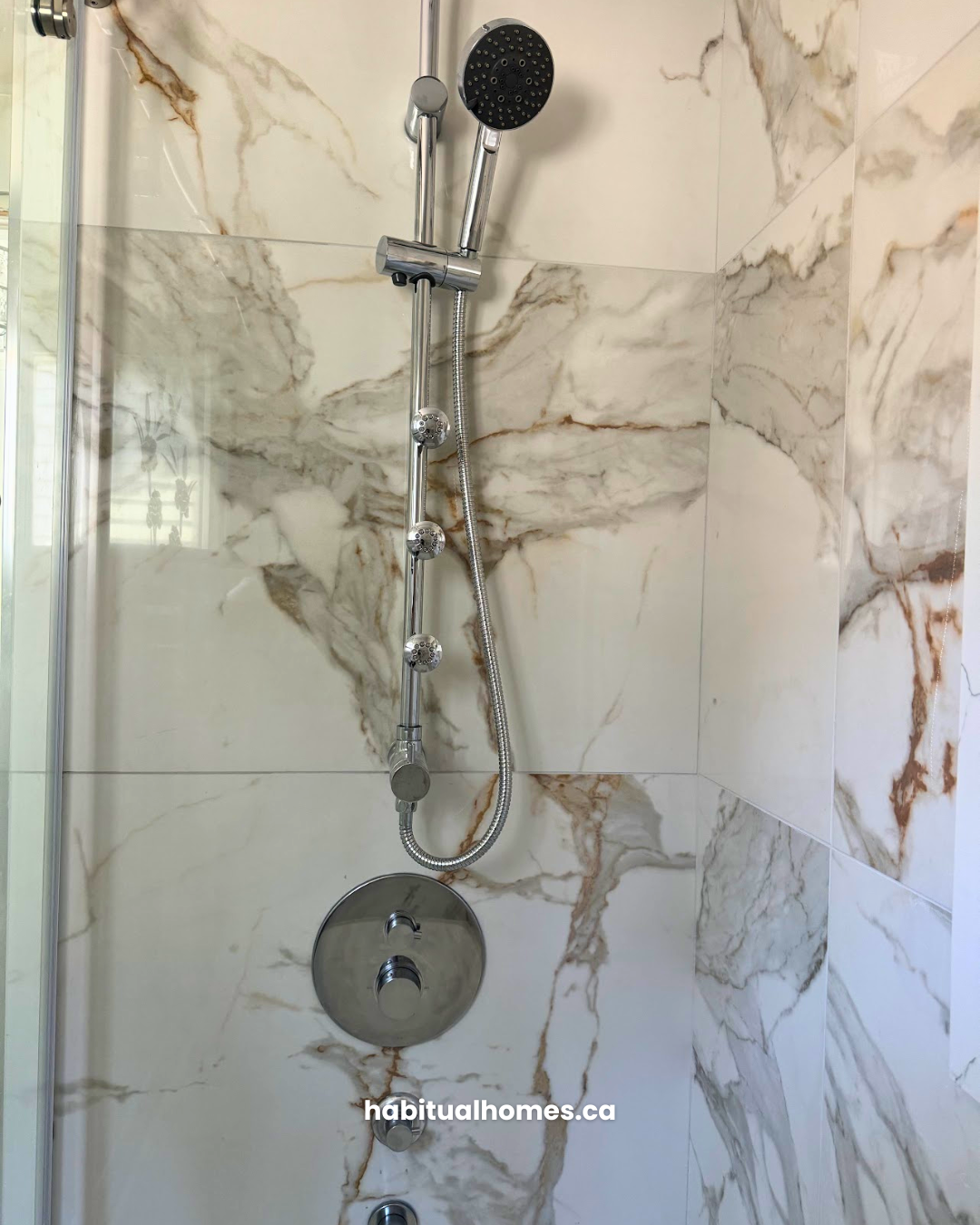
| Walk-in showers | $3,000 – $12,000+ | Waterproofing, tile work, glass |
| High-end fixtures | $1,000 – $5,000+ | Quality materials, professional finish |
| New flooring | $1,000 – $4,000+ | Waterproof materials, skilled installation |
The Hidden Bathroom Costs
Structural Issues Older homes often have bathroom floors that aren’t built for modern fixtures. That beautiful freestanding tub might need floor reinforcement. Moving plumbing means opening walls and potentially affecting other rooms.
Water Damage Repairs We’ve seen it countless times—you start a bathroom renovation and discover water damage behind walls or under floors. What started as a cosmetic update becomes a major expense when you’re dealing with rot, mold, or structural repairs.
The #3 Surprise: Electrical Work
Most homeowners don’t realize how much electrical work costs until they get the quote. Modern homes use way more electricity than older homes were designed for, and bringing everything up to code is a major expense.
Why Electrical Work Costs So Much
Skilled Labor is Expensive Licensed electricians in Toronto charge $80-120/hour because:
- Extensive training and licensing requirements
- High insurance costs due to safety risks
- Liability for code compliance
- Demand for qualified professionals
Common Electrical Renovation Costs:
| Electrical Upgrade | Cost Range | Why It’s Needed |
| Panel upgrade | $2,000 – $4,000+ | Modern homes need more circuits |
| Whole-house rewiring | $8,000 – $25,000+ | Safety in older homes |
| Kitchen electrical | $2,000 – $6,000+ | Appliances need dedicated circuits |
| Bathroom electrical | $1,000 – $3,000+ | GFCI requirements, ventilation |
| Home automation | $2,000 – $10,000+ | Smart home systems integration |
When Electrical Work Gets Really Expensive
Older Homes with Knob-and-Tube Wiring If your house was built before 1950, you might have knob-and-tube electrical wiring. Insurance companies hate it, and it’s not safe for modern electrical loads. Replacing it means opening walls throughout the entire house—a significant cost that can easily hit $15,000-30,000.
The #4 Budget Killer: Structural Changes
Want to open up your living space? Move some walls around? Create that open-concept feel? Structural work can quickly become the most expensive part of your renovation.
Why Structural Changes Cost So Much
Load-Bearing Walls Are Complicated Removing a load-bearing wall isn’t just about demolition. You need:
- Engineering assessment ($2,000-5,000)
- Steel beam installation ($3,000-8,000+)
- Proper permits and inspections
- Skilled professionals who understand structural systems
Foundation Work Older homes often need foundation repairs during major renovations. We’re talking about:
- Underpinning: $300-500 per linear foot
- Waterproofing: $10,000-30,000+
- Structural repairs: $15,000-50,000+
Structural Renovations Cost Table:
| Type of Structural Work | Cost Range | Complexity Level |
| Load-bearing wall removal | $5,000 – $15,000+ | High – needs engineering |
| Foundation repair | $10,000 – $50,000+ | Very high – affects whole house |
| Roof replacement | $15,000 – 40,000+ | High – weather protection critical |
| Room additions | $200 – $400/sq ft | Very high – new construction |
The Sneaky Expensive Stuff
Flooring Throughout the House
New flooring might not seem like the most expensive part, but when you’re doing the entire house, it adds up fast:
- Hardwood flooring: $8-15 per square foot installed
- Natural stone: $10-25 per square foot installed
- High-end tile: $8-20 per square foot installed
For a 2,000 square foot house, you’re looking at $20,000-50,000+ just for flooring.
HVAC and Energy Efficiency Upgrades
Modern renovation projects often include energy efficiency improvements:
HVAC System Replacement:
- New furnace: $4,000-8,000+
- Central air: $3,000-6,000+
- Ductwork: $3,000-8,000+
- Smart thermostats and zoning: $1,000-3,000+
Insulation and Air Sealing:
- Whole-house insulation: $3,000-8,000+
- Spray foam: $2-4 per square foot
- New windows: $800-1,200+ each
Most Expensive Rooms Ranked
Based on our experience, here’s how different rooms rank for renovation expenses:
| Room | Average Cost Range | Why It’s Expensive |
| Kitchen | $50,000 – $150,000+ | Custom cabinetry, appliances, complexity |
| Master bathroom | $25,000 – $60,000+ | Luxury fixtures, waterproofing, tile work |
| Basement finish | $25,000 – $80,000+ | Structural, electrical, plumbing systems |
| Living room | $15,000 – $50,000+ | Built-ins, flooring, electrical updates |
| Bedrooms | $8,000 – $25,000+ | Usually just cosmetic, lower complexity |
How to Manage the Most Expensive Parts
Smart Planning Saves Money
Careful Planning is Your Best Friend The biggest mistake we see is people making decisions on the fly during construction. Every change order costs money. Here’s how to avoid that:
- Finalize all design choices before construction starts
- Get detailed quotes that include everything
- Plan for unexpected expenses (budget 20% extra)
- Prioritize what matters most to your family
Where to Splurge vs. Save
Worth the Splurge:
- Kitchen cabinets (you’ll use them daily for 20+ years)
- Quality flooring in main areas (durability matters)
- Energy efficiency upgrades (saves money in the long run)
- Good plumbing fixtures (prevents future problems)
Where You Can Save:
- Builder-grade materials in low-visibility areas
- Paint (easy to change later)
- Light fixtures (can upgrade over time)
- Some appliances (if current ones work fine)
The Right Balance for Your Budget
Finding the right balance between your dream renovation and your renovation budget comes down to understanding where your money makes the biggest impact:
High Impact, High Cost:
- Kitchen renovation (but worth it for daily use)
- Master bathroom (adds significant home value)
- Energy efficiency (saves money over time)
High Impact, Lower Cost:
- Paint throughout the house
- New fixtures and hardware
- Landscaping and curb appeal
Managing Labor Costs (The Biggest Expense)
Since skilled labor makes up 40-50% of your overall cost, this is where smart planning really pays off.
How to Control Labor Costs
Hire the Right Professionals
- Get detailed quotes from multiple contractors
- Check references and see actual work
- Make sure they’re licensed and insured
- Avoid the cheapest bid (usually means corners will be cut)
Bundle Work Efficiently
- Do all electrical work at once
- Complete plumbing rough-in before closing walls
- Coordinate trades to avoid delays
- Plan material deliveries to avoid storage costs
Understanding Different Labor Costs
| Type of Work | Typical Rate Range | When It’s Worth It |
| General contractor | 15-25% markup | Complex projects, coordination needed |
| Direct hire trades | $50-120/hour | Simple, single-trade projects |
| Design-build firms | 20-30% markup | Want one point of responsibility |
Material Costs: Where Quality Matters
High-quality materials cost more upfront but often provide better value in the long run. Here’s where to invest:
Premium Materials Worth the Cost
Durable Materials for High-Use Areas:
- Quartz countertops (vs. laminate)
- Solid hardwood flooring (vs. laminate)
- Quality tile and stone (vs. cheap alternatives)
- Good windows and doors (energy savings)
Budget-Friendly Options That Still Look Great
Where You Can Save Without Sacrificing Looks:
- Luxury vinyl plank (looks like hardwood, costs less)
- Quartz that looks like marble (vs. real natural stone)
- High-quality paint (transforms spaces affordably)
- Good lighting fixtures (big visual impact, reasonable cost)
Dealing with Unexpected Expenses
Every renovation project has surprises, especially in older homes. Here’s what typically goes wrong and what it costs to fix:
Common Unexpected Issues
| Problem | Typical Cost to Fix | How Often We See It |
| Asbestos removal | $15,000 – $30,000+ | 60% of pre-1980 homes |
| Electrical upgrades | $8,000 – $20,000+ | 70% of pre-1960 homes |
| Plumbing problems | $5,000 – $15,000+ | 50% of older homes |
| Structural issues | $10,000 – $50,000+ | 30% of major renovations |
| Water damage | $5,000 – $25,000+ | 25% of bathroom/kitchen renos |
How to Minimize Surprise Costs
Get Professional Inspections Early Before you finalize your renovation budget:
- Have an electrician assess your electrical systems
- Get a plumber to check your plumbing system
- Have a structural engineer look at any walls you want to move
- Check for asbestos and lead in older homes
This upfront cost ($2,000-5,000) can save you tens of thousands in surprises later.
The Value Question: What Adds to Your Home’s Value
Not all expensive renovations add equal value to your home. Here’s what provides the best return on investment:
Renovations That Add the Most Value
| Renovation | Cost Recovery | Why It Works |
| Kitchen renovation | 70-85% | Everyone cares about kitchens |
| Bathroom additions | 80-90% | More bathrooms = more value |
| Energy efficiency | 60-70% | Lower utility bills appeal to buyers |
| Finished basements | 70-75% | More functional space |
Expensive Renovations That Don’t Pay Back
- Over-the-top luxury finishes
- Very personal design choices
- Swimming pools (in Toronto climate)
- Converting bedrooms to other uses
Making Smart Decisions About the Most Expensive Parts
Here’s our advice after managing hundreds of renovation projects:
Focus on Function First
The most expensive part of your renovation should be the part that makes the biggest difference in how you live. For most families, that’s the kitchen. It’s where you cook, eat, and gather—so it makes sense that it’s also where you spend the most money.
Think Long-Term
High costs upfront can mean lower costs over time:
- Quality kitchen cabinets last 20+ years
- Good plumbing fixtures prevent future repairs
- Energy efficiency upgrades save money monthly
- Proper structural work prevents future problems
Get Professional Help
The scope of the project affects everything. A good contractor or designer helps you:
- Understand what’s actually necessary vs. nice-to-have
- Find ways to get the look you want for less money
- Avoid costly mistakes and change orders
- Coordinate work efficiently to control labor costs
The Bottom Line on Renovation Costs
Here’s what every homeowner needs to understand: the most expensive part of your renovation isn’t always the most important part. Yes, kitchens cost the most, but a $30,000 kitchen that works perfectly for your family is better than a $80,000 kitchen that looks amazing but doesn’t function well.
The key is smart planning. Understand where the big costs come from, make deliberate choices about where to spend and where to save, and work with skilled professionals who help you get the best value for your investment.
Remember, your home renovation is a significant investment in your family’s daily life and your property’s future value. The most expensive parts—kitchens, bathrooms, electrical, and structural work—are expensive for good reasons. They’re complex, they require skilled labor, and when done right, they last for decades.
Don’t let the high costs scare you away from doing the renovation project right. Just make sure you understand what you’re paying for and why it costs what it does. That way, you can make smart decisions that give you a beautiful, functional space that’s worth every dollar you invest.
Related Posts
How Much Does a Full House Renovation Cost in Toronto? Get complete cost breakdowns for every type of renovation project in Toronto, from minor updates to complete gut renovations.
2025 Toronto Bathroom Renovation Cost Guide Discover what bathroom renovations really cost in Toronto and where your budget goes for this expensive room.
How Much Does Custom Millwork Cost Toronto Learn about custom cabinetry and millwork costs – often the most expensive elements in kitchen and living room renovations.
How Much Does a Main Floor Renovation Cost in Ontario Understanding main floor renovation expenses and what drives costs in open concept transformations.
Expert Tips Kitchen Renovation in Toronto Professional advice on managing kitchen renovation costs and making smart decisions for Toronto’s most expensive room to renovate.