Thinking of giving your Toronto home a serious upgrade with an extra bathroom? You’re not alone.
Whether it’s battling morning routines with only one bathroom or dreaming of a luxurious ensuite, adding a bathroom is a hot trend in the city’s home improvement scene.
But let’s talk turkey: What’s it really going to cost you to add that much-needed extra bathroom in Toronto?
Navigating the world of home renovations can feel like trying to find your way through the PATH without a map.
Costs can vary widely, and with Toronto’s unique blend of charming old homes and sleek new condos, there’s no one-size-fits-all answer.
But fear not! We’re here to break it down for you, from the nitty-gritty of plumbing and permits to the shiny finish of fixtures and tiles.
Whether you’re looking to add a simple half-bath or go all out with a spa-like retreat, we’ve got the insights to help you understand what you’re in for, budget-wise.
So, grab a cup of your favorite coffee, and let’s dive into the world of bathroom additions in Toronto.
We promise to keep it real, with practical advice, average costs, and even a few money-saving tips to keep your wallet happy. Ready to transform your home and lifestyle? Let’s get started!
Why Consider Adding a Bathroom?
- Family Growth: As families expand, the need for additional bathrooms becomes apparent. A single bathroom no longer suffices for a growing family’s needs.
- Aging in Place: Modifications may be necessary to make bathrooms more accessible, ensuring they cater to individuals as they age.
- Home Layout: In cities like Toronto, where classic homes abound, many residences feature only one centrally located bathroom. Homeowners often desire a dedicated primary bathroom to complement their beautiful homes.
- Increasing Home Value: Adding a bathroom is a strategic move to boost your property’s market value. Homes with more bathrooms generally attract more interest and command higher prices.
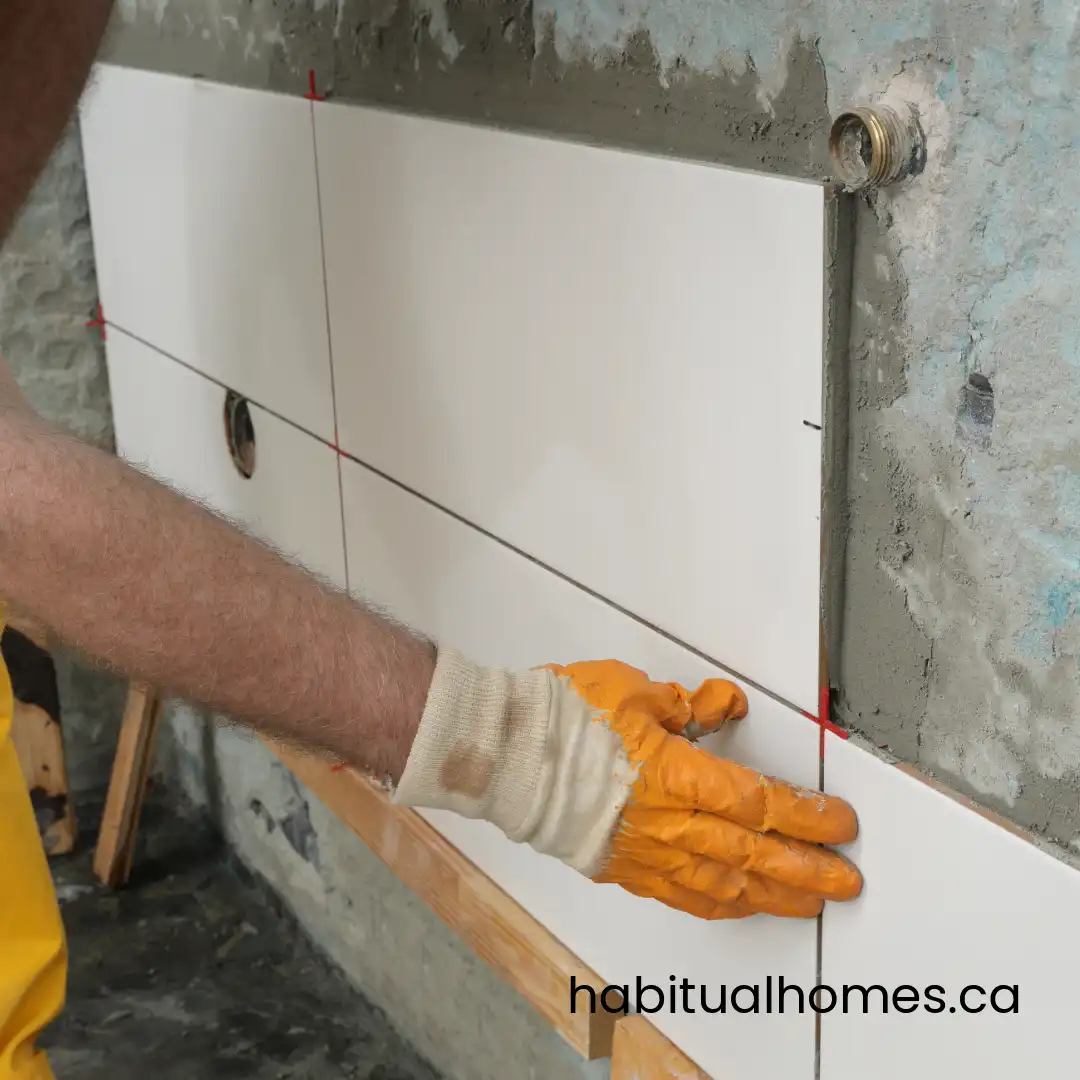
The Process of Adding a Bathroom
The journey to a new bathroom begins with a well-thought-out design that aligns with both your aesthetic preferences and budget. Construction phases include:
- Demolition: Removing any existing structures or opening up walls if necessary.
- Framing and Roughing: Outlining new structures and installing preliminary plumbing and electrical systems.
- Challenges: Dealing with plumbing and electrical complexities, especially in older homes where updates may be required to meet current standards.
- Finishing Touches: The exciting phase where everything comes together, including the installation of tiles, fixtures, and paint.
Potential Costs
Costs can vary widely based on several factors:
- Location and Scope: Remodeling an existing bathroom may cost less than adding a new one, especially if new square footage is added to the home.
- Material Selection: The choice of materials significantly impacts the budget, with high-end options increasing the overall expense.
- Design Complexity: The more complex the design, the higher the potential costs, with factors like plumbing location and fixture quality playing crucial roles.
A rough estimate for different types of bathroom additions, from simple powder rooms starting between $3,000 to $5,000, to more extensive primary bathroom additions potentially exceeding $60,000, depending on the project’s scope and material choices.
Sandra Raven
If you’re considering adding a bathroom to your Toronto home and would like expert guidance, reach out to us for a free consultation today!
Types of Bathrooms: Choosing the Right One for Your Home
When planning a bathroom addition or renovation, understanding the different types of bathrooms can significantly influence your design choices and budget.
From half baths, ideal for guests and small spaces, to luxurious master bathrooms, each type serves a specific purpose.
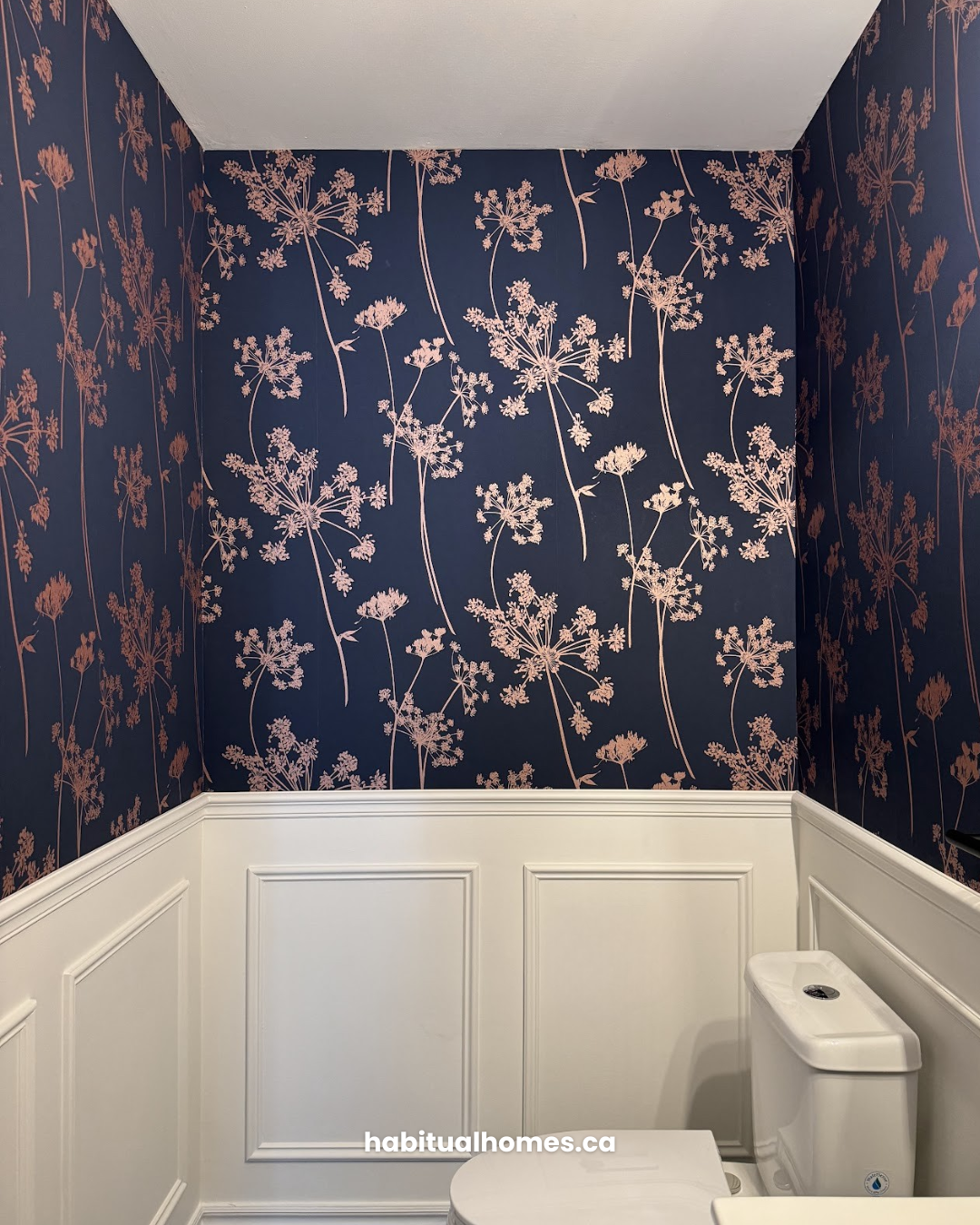
Half bathrooms, or powder rooms, are cost-effective and space-efficient, providing essential facilities in a compact area.
Full bathrooms offer complete amenities, including a shower and bathtub, suitable for family use.
Three-quarter bathrooms strike a balance, featuring a shower but no tub, optimizing space without sacrificing functionality.
For homeowners seeking a spa-like retreat, considering a wet or luxury bathroom might be the right choice, offering high-end finishes and advanced features.
Choosing the right type of bathroom requires balancing your home’s needs, available space, and budget to create a functional and inviting space.
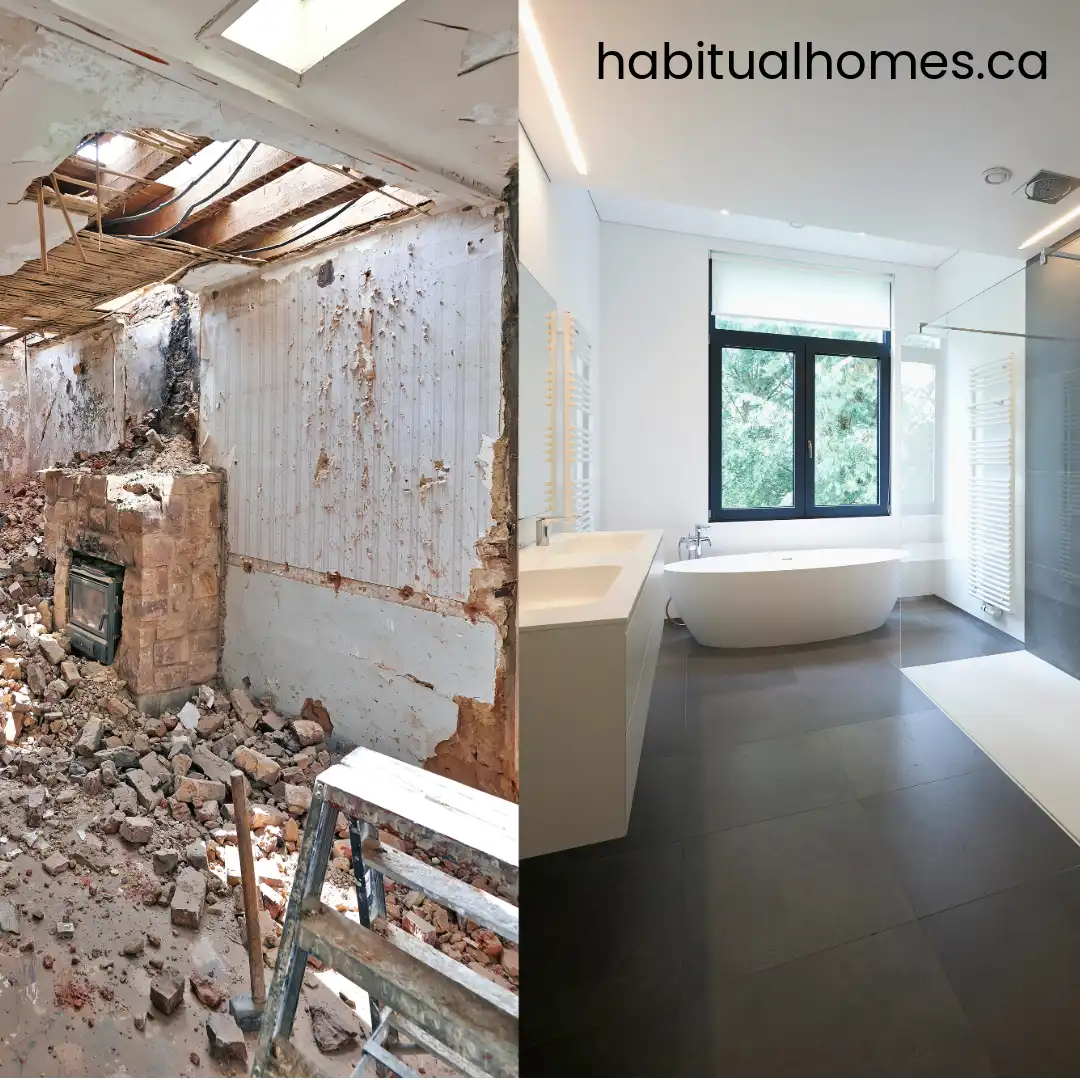
Selecting the Best Bathroom Floors for Durability and Style
Bathroom flooring must withstand high moisture levels, frequent traffic, and occasional spills while complementing your home’s aesthetic.
Tiles, whether ceramic, porcelain, or stone, are popular choices due to their durability and water resistance.
Luxury vinyl tile offers a cost-effective, stylish alternative, mimicking the look of more expensive materials with added comfort and warmth underfoot.
For those seeking an eco-friendly option, bamboo and cork flooring provide sustainable, moisture-resistant alternatives.
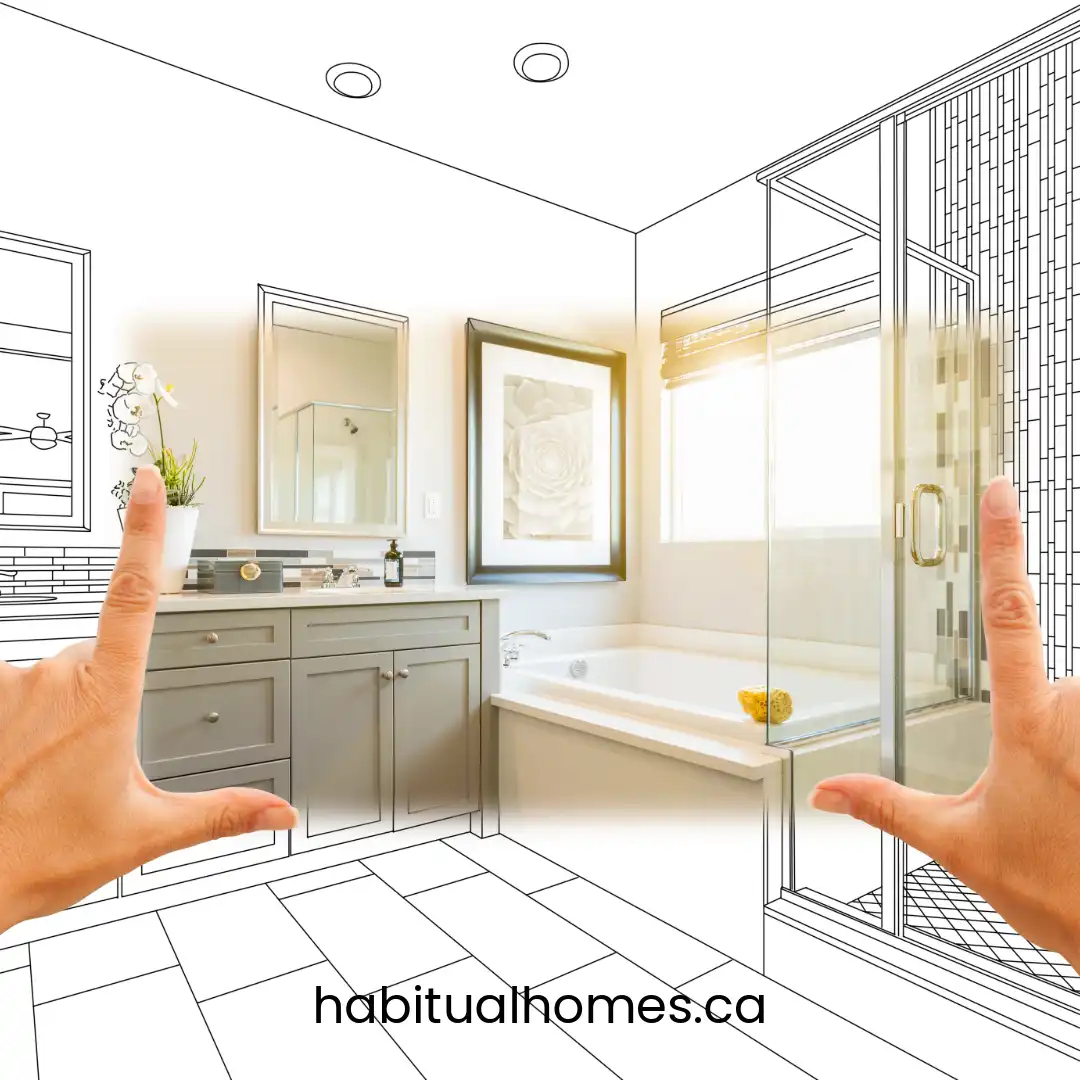
When selecting bathroom flooring, consider factors like slip resistance, ease of maintenance, and overall style to ensure a blend of functionality and design.
Optimizing Your Space: Effective Bathroom Layout Strategies
An efficient bathroom layout maximizes space, enhances functionality, and improves the overall flow of your home.
Start by considering the placement of key elements: the toilet, sink, and shower or tub. Ensure there’s ample clearance for doors and drawers to open, and maintain a comfortable distance between fixtures.
For smaller bathrooms, consider wall-mounted toilets or sinks to save floor space. Including storage solutions, like built-in cabinets or open shelving, can help keep the space organized and clutter-free.
A well-planned layout not only makes the bathroom more enjoyable to use but can also increase the value of your home.
Sandra Raven
If you’re considering adding a bathroom to your Toronto home and would like expert guidance, reach out to us for a free consultation today!
How Bathroom Size Influences Design and Functionality
The size of your bathroom plays a crucial role in both its design and usability. Smaller bathrooms require creative solutions to include essential fixtures without feeling cramped, such as compact vanities or corner showers.
Larger bathrooms offer more flexibility for luxurious additions like freestanding tubs or double vanities but may require more extensive planning to maintain a cohesive design.
Regardless of size, smart choices in layout, storage, and fixtures can enhance the functionality and aesthetic appeal of your bathroom, making it a comfortable space for daily routines.
Understanding the Average Price of Bathroom Renovations
The average price of bathroom renovations varies widely based on factors like size, materials, and the scope of work.
Basic updates, such as replacing fixtures or painting, can be relatively affordable, while complete overhauls involving plumbing and structural changes can significantly increase costs.
Luxury renovations with high-end finishes and custom features can escalate expenses further.
Researching material costs, labor rates, and potential unexpected expenses can help you set a realistic budget.
Additionally, investing in quality materials and professional labor can ensure the longevity and value of your renovation.
Integrating a New Bathroom into Your Home’s Layout
Adding a new bathroom requires thoughtful consideration of your home’s existing layout. The location of plumbing and electrical systems can influence the placement of a new bathroom, potentially saving on installation costs.
When integrating a bathroom, aim for minimal disruption to the flow of adjacent spaces, maintaining accessibility and privacy.
Consulting with a professional can help identify the most feasible locations for an addition, whether it’s converting unused space or expanding your home’s footprint.
Proper planning ensures the new bathroom complements your home’s design and meets your family’s needs.

Adding a Bathroom to the Main Floor: What You Need to Know
Adding a bathroom to the main floor enhances convenience and accessibility, making it an appealing option for many homeowners.
Considerations include proximity to plumbing lines, the impact on the overall layout, and how the addition fits with the architectural style of your home.
Main floor bathrooms are particularly beneficial in multi-story homes or for aging in place, offering easy access for guests and residents alike.
Planning should prioritize efficiency and privacy, potentially incorporating features like pocket doors or sound insulation to seamlessly integrate the new bathroom into your home’s design.
Expense Based on Bathroom Dimensions
The cost of creating a bathroom escalates with its size due to the greater need for materials and labor.
Converting an existing area into a bathroom typically ranges from $200 to $250 for each square foot, while constructing a brand-new bathroom extension falls between $400 and $600 per square foot.
This is how the pricing breaks down for bathrooms of different sizes.
Labor Costs Breakdown
The process of adding a bathroom involves collaboration with various contractors, who generally bill their services by the hour.
The total labor cost escalates with the amount of plumbing and electrical work required, as these tasks necessitate skilled tradespeople.
Based on data from HomeAdvisor, here are some common hourly rates:
- Carpenter: $16 to $39 per hour
- Plumber: $35 to $200 per hour
- Electrician: $45 to $100 per hour
- Drywall Contractor: $55 to $90 per hour
- Flooring Contractor: $50 to $180 per hour
- Tiling Contractor: $50 to $150 per hour, or $14 per square foot for tile installation
- General Contractor: Charges typically range from 10% to 20% of the project’s total cost
Elevating Luxury with a Master Suite Addition: A Guide
A master suite addition, complete with a spacious and well-appointed bathroom, can transform your bedroom into a private retreat.
This project offers the opportunity to design a bathroom that caters to your preferences and lifestyle, from dual vanities and custom showers to luxurious soaking tubs.
Consider incorporating elements like natural light, high-quality materials, and smart technology to enhance comfort and convenience.
A master suite addition not only provides a sanctuary within your home but also significantly increases its value.
Careful planning and attention to detail are essential to achieving a cohesive and luxurious master suite that reflects your style.
Sandra Raven
If you’re considering adding a bathroom to your Toronto home and would like expert guidance, reach out to us for a free consultation today!
Determining Factors for Bathroom Addition Costs
The key elements influencing the overall expense of adding a bathroom include its type, size, and placement within the house.
Expense Based on Bathroom Type
The specific kind of bathroom you decide to install impacts its probable dimensions and required amenities.
Naturally, constructing a primary bathroom incurs a higher cost compared to a half bath. Below are the typical categories of residential bathrooms:
Half Bathroom
Known as powder rooms, half baths usually feature just a toilet and sink. These compact spaces range from 15 to 20 square feet and are the most economical option for addition, with costs ranging from $3,000 to $12,000.
Three-Quarter Bathroom
These are modestly sized, encompassing a sink, toilet, and shower stall, excluding a tub, within 20 to 35 square feet.
Accommodating minimal storage, the price for adding such a bathroom starts at $5,000 for repurposed spaces, reaching up to $18,000 for new extensions.
Full Bathroom
Incorporating a sink, toilet, shower, and bathtub, full baths serve well as guest bathrooms and are slightly more elaborate than primary bathrooms.
These spaces, fitted with vanities and additional cabinetry, span 35 to 50 square feet and cost between $7,000 and $30,000 to construct.
Wet Room
A wet room, which can vary in size, is characterized by its complete waterproofing.
This design, suitable for both three-quarter and full baths, eliminates the need for shower doors or curtains and supports the installation of a shower in otherwise too cramped spaces.
The waterproofing process elevates the expense to $10,000 to $32,500.
Jack and Jill Bathroom
Situated between two bedrooms and accessible from each, Jack and Jill bathrooms feature dual sinks and separate storage, flanking a communal tub and shower area.
Though typically not built as additions due to their unique positioning, converting an existing room into such a bathroom costs between $14,500 and $54,000.
Primary Bathroom
As the largest bathroom type linked directly to the main bedroom, primary bathrooms range from 70 to 160 square feet and often include luxury features like a double vanity or freestanding tub.
The cost for creating one starts at $20,000, with additions potentially reaching $96,000.
Luxury Bathroom
While not strictly defined, luxury bathrooms are expansive (100 to 160 square feet) and boast premium materials and fixtures for a spa-like ambiance.
Sandra Raven
If you’re considering adding a bathroom to your Toronto home and would like expert guidance, reach out to us for a free consultation today!
Features might include a jetted tub or steam shower, with expenses starting at $40,000 and can exceed $192,000 due to the use of upscale materials like natural stone or metals.
Why Add a Bathroom in Toronto?
Ah, Toronto. The city where every square foot is as precious as a moment of sunshine in February.
So, why consider adding a bathroom to your home in this bustling urban landscape? The reasons are as varied as the neighborhoods that make up this vibrant city, from the family-friendly avenues of Leslieville to the trendy streets of West Queen West.
Let’s explore some of the compelling reasons why Torontonians are opting to invest in an extra bathroom.
Convenience Is King
Ever had a lineup outside your bathroom on a busy morning? It’s like waiting for the TTC during rush hour—frustrating and all too common in households sharing a single bathroom.
Adding another bathroom can end the morning jostle for space, making your daily routine smoother and keeping the peace among family members.
Boosting Property Value
In Toronto’s red-hot real estate market, adding a bathroom is like adding a golden ticket to your property’s value.
Homes with more than one bathroom tend to sell for higher prices, attracting a broader range of buyers.
It’s an investment that not only improves your living situation but also pays dividends if you decide to sell.
Personal Oasis
With the hustle and bustle of city life, having a personal space to unwind is priceless. Creating a new bathroom gives you the chance to design a spa-like retreat right in your own home.
Imagine a soak in a freestanding tub or a refreshing shower in a room designed just for you, with all the features you’ve dreamed of.
Catering to Growing Families
Toronto’s families are growing, and the demand for functional living spaces is growing with them.
An additional bathroom can make a world of difference in the morning routines of growing families, providing the necessary space for everyone to get ready without the stress.
Accommodating Guests
Love playing host to friends and family? Adding a guest bathroom can elevate the comfort of your guests, offering them privacy and convenience during their stay.
It’s a thoughtful touch that makes your home more welcoming and accommodating.
Making Use of Unused Space
Got an underutilized space in your home? Converting it into a bathroom can be a smart move. Whether it’s a closet that’s collecting dust or a corner of the basement that’s currently home to forgotten fitness equipment, these spaces can be transformed into useful, functional bathrooms.
In Toronto, where every decision about home improvement is weighed carefully against space and investment, adding a bathroom stands out as a choice that offers immediate benefits and long-term value.
It’s about making your home more livable, more luxurious, and more aligned with your lifestyle.
And who wouldn’t want that? So, as we peel back the layers of what it takes to add a bathroom in Toronto, keep these benefits in mind.
They’re not just reasons; they’re the motivations that make the journey worthwhile.
Sandra Raven
If you’re considering adding a bathroom to your Toronto home and would like expert guidance, reach out to us for a free consultation today!
Key Factors Influencing Cost in Toronto
Diving into the world of bathroom additions in Toronto is like navigating through Kensington Market on a busy weekend: exciting but filled with twists, turns, and a few surprises.
The cost of adding a bathroom in our beloved city isn’t just about picking tiles and fixtures; it’s influenced by a mosaic of factors that can make your budget stretch or shrink faster than the CN Tower on a foggy day.
Let’s break down these key factors, shall we?
Local Building Codes and Permits
First up, the not-so-glamorous but oh-so-important world of permits and regulations. Toronto has its own set of rules that can affect everything from plumbing to electrical work.
Before you even think about where to place your sleek new vanity, you’ll need to navigate the permit process, which can add both time and money to your project. It’s like the cover charge at a club – not the fun part, but you gotta pay it to get in.
Labour Costs
Labour costs in Toronto are like the city’s real estate market: always in demand and occasionally surprising.
The cost of skilled tradespeople reflects the high standard of living in the city, not to mention the expertise required to tackle the complexities of Toronto homes, from century-old Victorians to modern condos.
Think of it as paying for a top-notch chef for your dinner party; you want the best results, so you invest in the best talent.
Materials and Supply Chain
Have you ever tried to source unique, locally made tiles or a custom vanity? The materials you dream of can significantly impact your budget.
Plus, Toronto’s position in the supply chain can affect availability and shipping costs, making some materials more expensive than you might expect. It’s a bit like sourcing the perfect local craft beer for a party – it might come with a premium price tag, but it’s worth it for the quality and uniqueness.
Design and Layout
In Toronto, where space is at a premium, the design and layout of your new bathroom can significantly influence costs. Maximizing a small space often requires creative, and sometimes more expensive, solutions.
Whether it’s installing a corner sink to save space or adding custom storage, the goal is to make your bathroom feel like a hidden gem in Kensington Market – unique, functional, and perfectly you.
The Unpredictable: Surprises Behind Walls
Ever heard the stories about homeowners finding old, unexpected pipes or wiring during renovations?
In Toronto, especially in older homes, you might uncover surprises that can add to the cost.
It’s like digging in your backyard and finding an old Toronto Maple Leafs ticket – interesting, but now you have to figure out what to do with it.
Understanding these factors is crucial for setting a realistic budget for your bathroom addition in Toronto.
It’s not just about the shiny new fixtures; it’s about appreciating the complexity and charm of Toronto homes and planning accordingly.
So, as we move forward, keep these factors in mind. They’re the ingredients that will help you create a bathroom that’s not just a space, but a sanctuary in the heart of the city.
Cost Components of Adding a Bathroom in Toronto
Alright, Toronto dwellers, let’s roll up our sleeves and dive into the meat and potatoes of adding a bathroom: the costs.
Think of it as planning a night out in the city — you’ve got your dinner, your entertainment, and maybe a ride home.
Each plays a part in the overall experience and, similarly, each component of adding a bathroom contributes to the final cost. Let’s break it down, shall we?
Plumbing: The Heartbeat of Your Bathroom
Plumbing is like the TTC of your bathroom; it needs to run smoothly for everything to be on schedule.
If you’re lucky enough to tap into existing plumbing lines, you might save some loonies and toonies.
However, laying new pipes, especially in Toronto’s older homes, can quickly add up. Think of it as ordering that extra side of truffle fries — it’s going to cost you, but it might just be worth it.
Electrical Work: Lighting Up Your Space
Next up, we’ve got electrical work. This isn’t just about choosing the prettiest lights; it’s about ensuring everything is up to code, especially in a damp environment like a bathroom.
Costs can vary based on the complexity of your lighting and whether you’re adding features like heated floors.
It’s like opting for that rooftop patio experience — a bit more expensive, but oh, the ambiance!
Fixtures and Features: The Personal Touch
Here’s where you can really let your personality shine through. From a basic but chic pedestal sink to a luxurious rain shower, your choices in fixtures and features define the space.
Remember, in Toronto’s competitive market, opting for quality can not only add enjoyment to your daily routine but also add value to your home.
It’s akin to choosing a craft cocktail over a standard beer; the details make the difference.
Flooring and Finishes: Laying the Foundation
Don’t overlook the importance of durable and moisture-resistant flooring and finishes. With Toronto’s fluctuating temperatures, materials that can withstand changes in humidity are key.
Whether you’re drawn to heated tile floors or sleek vinyl, your selection will impact both the cost and the comfort of your new bathroom. It’s like deciding between a winter jacket from a high-end boutique versus a discount store — quality and durability matter.
Labor Costs: The Crew Behind the Curtain
The expertise of skilled tradespeople in Toronto is invaluable, but it also comes at a premium.
Labor can constitute a significant portion of your bathroom addition costs, reflecting the high standard of living and the specialized skills required.
Think of it as paying for a front-row seat at a concert — you’re investing in an experience crafted by professionals.
Permits and Inspections: Dotting the I’s and Crossing the T’s
Finally, securing the necessary permits and passing inspections are crucial steps in the process.
While it might seem like just another line item on your budget, it’s actually your peace of mind, ensuring everything is safe and up to code. It’s the equivalent of having a designated driver on that night out — it’s essential for a smooth and worry-free experience.
Adding a bathroom in Toronto is an investment in your home’s functionality and value, not to mention your personal comfort and satisfaction. By understanding the costs involved, you can make informed decisions that align with your budget and your vision.
Sandra Raven
If you’re considering adding a bathroom to your Toronto home and would like expert guidance, reach out to us for a free consultation today!
So, whether you’re aiming for a simple update or a luxurious retreat, remember: a well-planned bathroom addition is more than just an expense; it’s a contribution to your home’s story and your quality of life in this vibrant city.
Average Costs and Budgeting
So, you’re ready to take the plunge and add that dream bathroom to your Toronto home, but you’re probably wondering, “What’s the damage going to look like?” Let’s talk turkey—or should I say, toonies.
Budgeting for a bathroom addition in Toronto isn’t just about setting aside a chunk of change; it’s about smart planning and understanding where your dollars are going.
Picture it as crafting your ideal poutine: you need the right balance of fries, cheese curds, and gravy for that perfect bite—each element has its role and cost.
Setting the Stage: Average Costs
In the world of Toronto renovations, “average” can cover a broad spectrum. For a basic bathroom addition, think of it as the equivalent of snagging a Leafs ticket: you’re looking at starting around $10,000 to $15,000.
But if you’re aiming for the luxury box experience with high-end finishes and custom features, your budget could balloon to $30,000 or more.
Remember, these numbers are just starting points; the final cost can vary based on your choices and the unique challenges of your space.
The Cost Breakdown
- Plumbing and Electrical: These are your MVPs, making up a significant portion of your costs. Depending on the complexity and accessibility of your existing systems, you could be looking at anywhere from 30% to 40% of your budget.
- Fixtures and Features: This category is like choosing the toppings on your pizza. Go for basic pepperoni, or splurge on gourmet options. Depending on your taste, fixtures can consume 20% to 30% of your budget.
- Finishes: Think of this as the décor of your favorite café. The flooring, tiles, and paint you choose can set the mood and reflect your style, accounting for another 20% to 30% of your budget.
- Labor: Yes, skilled labor in Toronto is pricey, but it’s also priceless. Good workmanship ensures your bathroom stands the test of time, representing about 30% to 40% of your overall costs.
Smart Budgeting Tips
- Get Multiple Quotes: Like shopping for the perfect winter boots, it pays to shop around. Get at least three quotes to ensure you’re getting fair pricing.
- Factor in a Contingency Fund: Toronto’s homes can hide surprises like an unexpected turn in a laneway. Allocate an extra 10% to 20% of your budget for unforeseen expenses.
- Prioritize Your Must-Haves: Decide what you can’t live without and what’s negotiable. Is a double vanity a must, or could you repurpose that budget towards heated floors?
- DIY What You Can: Consider taking on some tasks yourself, like painting or installing hardware, to save on labor costs. It’s like making your own coffee at home instead of hitting the café every day.
Financing Your Project
If your bathroom remodel feels like it’s reaching CN Tower heights financially, there are options to help manage the costs.
Home equity lines of credit (HELOCs) or personal loans can offer the flexibility you need. Just be sure to shop around for the best rates and terms, much like you would for any other major purchase.
Adding a bathroom in Toronto is an exciting venture that can significantly enhance your home’s value and your quality of life.
By understanding the average costs and smartly budgeting for your project, you’ll be well on your way to creating a space that meets your needs and reflects your personal style.
Remember, the goal is to create a bathroom that feels like a retreat within your urban oasis, offering comfort and convenience for years to come.
Saving Money on Your Bathroom Addition in Toronto
Dreaming of a new bathroom but worried about the price tag becoming a financial nightmare? Fear not!
Even in Toronto, where the cost of living can make even a Maple Leafs fan blink twice, there are ways to keep your bathroom addition from draining your wallet.
Think of it as finding the best street food deal: it’s all about knowing where to look and what to choose. Let’s dive into some savvy strategies to save money without compromising on style or quality.
Embrace the Art of Comparison Shopping
First up, become a comparison shopping ninja. Just like you’d hunt for the perfect pair of sneakers, take the time to shop around for materials and fixtures.
The internet is your friend here. You can often find the same, or similar, high-end looks for a fraction of the price if you’re willing to do some digging.
Sandra Raven
If you’re considering adding a bathroom to your Toronto home and would like expert guidance, reach out to us for a free consultation today!
It’s like finding that hidden gem of a restaurant that’s both amazing and affordable.
Opt for Cost-Effective Alternatives
Materials can make or break your budget. But here’s the secret: you can achieve that luxurious feel without the high-end price tag.
Consider alternatives like luxury vinyl tile instead of natural stone, or a stylish but less expensive composite material for countertops.
It’s about getting the look for less, much like opting for a designer-inspired outfit instead of the runway original.
DIY Where You Can
Labour costs can eat up a significant portion of your budget. While some tasks require a professional (we’re looking at you, plumbing and electrical), there are aspects of the renovation you can tackle yourself.
Think painting, installing hardware, or even tiling if you’re handy. It’s the DIY equivalent of cooking a gourmet meal at home instead of dining out; it saves money and can be incredibly satisfying.
Reuse and Refurbish
Got an old vanity that’s seen better days? Before you toss it to the curb, consider giving it a facelift.
A new coat of paint, some chic hardware, and it could be transformed. This approach isn’t just budget-friendly; it’s also eco-conscious. It’s like vintage shopping; sometimes, a little love can make something old new and stylish again.
Prioritize Your Splurges
Decide where you want to invest your money for the biggest impact. Maybe you splurge on a statement piece like a beautiful light fixture or faucet but save on things like tiles or the toilet.
It’s about balancing where to splurge and where to save, ensuring you end up with a space that feels both luxurious and budget-wise.
Get Multiple Quotes and Negotiate
Never settle on the first quote you get. Collect several from different contractors and compare them.
Don’t be shy about negotiating, either. Remember, the goal is to get the best value for your money, not just the lowest price. It’s like haggling at a market; sometimes, there’s room to get a better deal.
Plan, Plan, Plan
Perhaps the most crucial money-saving tip is to plan meticulously. Unexpected changes mid-renovation can be costly.
The more detailed your plan, the less likely you’ll encounter surprises that can blow your budget. Think of it as plotting your route before a road trip; knowing exactly where you’re going can save both time and gas money.
Adding a bathroom in Toronto doesn’t have to be a bank-breaking endeavor.
With some clever strategies, a bit of elbow grease, and thoughtful choices, you can create a beautiful, functional space that adds value to your home and joy to your daily life without exhausting your budget.
Just like Toronto itself, it’s all about embracing diversity—in materials, approaches, and strategies—to find the perfect blend that suits your lifestyle and your wallet.
Financing Your Bathroom Addition in Toronto
So, you’ve got your heart set on that bathroom addition but the bank account is giving you the side-eye? No worries! Toronto may be a city of high costs and high rises, but it’s also a place of endless possibilities, including ways to finance your home renovation dreams.
Let’s explore the avenues you can take to fund your project, making it as manageable as paying for your monthly TTC pass.
Home Equity Line of Credit (HELOC)
Think of a HELOC like your own financial CN Tower: standing tall and ready to offer you a view (and access) to the equity you’ve built up in your home. This option is great because it typically offers lower interest rates compared to other types of loans. Plus, you can draw from it as needed, paying interest only on what you use—perfect for funding stages of your renovation.
Personal Loan
A personal loan is like a reliable streetcar: it gets you where you need to go, usually on a fixed schedule (or in this case, with fixed payments). If you don’t have much equity in your home or prefer not to use it, a personal loan can be a solid option. Rates might be higher than a HELOC, but with good credit, you can still find competitive offers.
Refinancing Your Mortgage
Refinancing your mortgage to access funds for a renovation is like moving to a better apartment in the same building. You might get a better rate or terms and can use the extra cash for your bathroom addition. Just be mindful of potential penalties or fees for breaking your current mortgage early.
Savings
If you’re the type who’s been squirreling away acorns for the winter, using your savings can be the most straightforward way to fund your project. No interest, no debt, just your hard-earned money making your home a better place to live. It’s the financial equivalent of walking or biking to work; it requires discipline and effort but pays off healthily in the long run.
Government Grants and Incentives
Sometimes, the city or province offers grants or incentives for home renovations, especially if they improve energy efficiency or accessibility.
It’s like finding a hidden shortcut on your daily commute—worth looking into to save time and money. Check local government websites for any programs that might apply to your project.
Credit Cards
For smaller expenses or short-term financing, credit cards can be an option—think of them as taxi rides: convenient for short distances but costly if you go too far.
Sandra Raven
If you’re considering adding a bathroom to your Toronto home and would like expert guidance, reach out to us for a free consultation today!
If you choose this route, look for cards with rewards or cash-back options to maximize benefits. Just be cautious of high-interest rates and strive to pay off the balance quickly to avoid getting stuck in debt.
Combining Financing Options
Like taking the subway, a streetcar, and then a bus to reach your destination, sometimes combining different financing options is the best strategy. You might use some savings, a bit of HELOC, and a grant to piece together the funding for your renovation.
It requires a bit of coordination but can provide a customized financing solution that fits your budget and project needs.
Adding a bathroom in Toronto can be a financial challenge, but with the right planning and financing strategy, it’s entirely within reach.
Assess your financial situation, consider the options available, and choose the one that aligns with your financial health and renovation goals.
By smartly financing your project, you’ll be on your way to enjoying your new bathroom without the stress of overburdening your finances.
Just like navigating our great city, it’s all about finding the right path that works for you.
Conclusion
Adding a bathroom to your home can be a transformative project, not just in terms of convenience and functionality, but also in enhancing your home’s value and appeal.
Whether you’re considering converting an existing space like a laundry room into a practical powder room, or planning a luxurious master bathroom addition, the journey involves careful planning, budgeting, and the selection of the right materials and professionals to bring your vision to life.
Navigating the myriad decisions and considerations for a bathroom addition project can feel daunting.
From understanding the impact of bathroom size and location to selecting fixtures and finishes that align with your budget and preferences, there’s a lot to consider. But you don’t have to do it alone.
If you’re thinking about adding a bathroom to your home and need guidance on where to start, how to budget effectively, or how to choose the best materials and professionals for your project, we’re here to help.
Reach out to us for expert advice and support in making your bathroom addition a seamless and successful venture. Let’s turn your dream bathroom into a reality.
Sandra Raven
If you’re considering adding a bathroom to your Toronto home and would like expert guidance, reach out to us for a free consultation today!
Frequently Asked Questions About Bathroom Additions
1. What factors affect the overall cost of a bathroom addition project?
The total project cost is influenced by various factors including the size of the space, the choice of high-end materials versus standard options, the complexity of electrical wiring and plumbing fixtures, and whether new plumbing or electrical circuits are required. Additional considerations include the cost of professional contractors, such as a general contractor, interior designer, or structural engineer, and any extra costs like water damage repair or the installation of a fault circuit interrupter.
2. Is it more cost-effective to convert an existing space into a bathroom?
Converting an existing area, such as a laundry room or guest room, into a bathroom can be more budget-friendly than building a new addition. This is because existing spaces may already have access to necessary plumbing and electrical lines, reducing the need for extensive new installations. However, the total cost will still depend on the extent of remodeling required and the finishes chosen.
3. How much value does a new bathroom addition add to my home?
Adding a new bathroom, especially a powder room, master bathroom, or ensuite connected to the primary bedroom, can significantly increase your home’s resale value. Bathrooms are highly valued by potential buyers, with master bathrooms and powder rooms in common areas offering the most appeal. The exact value added will depend on the quality of materials, the size of the bathroom, and the overall market conditions.
4. What is the average cost of adding a small bathroom?
The average cost of adding a small bathroom or powder room varies widely based on location, materials, and labor. It typically ranges from a more affordable option for a basic small bathroom with essential fixtures to a higher range for spaces requiring new tiles, high-end fixtures, or custom elements like wet rooms. Always consider the total square footage and the cost of materials when budgeting for your project.
5. Can I reduce costs by doing any of the work myself?
While DIY efforts, such as painting or installing light fixtures, can help reduce labor costs, major tasks involving new plumbing, electrical wiring, or structural changes should be left to professional contractors. This ensures safety and compliance with building codes. Always weigh the potential savings against the risk of extra costs from mistakes or the need for professional corrections later.
6. Should I take out a home equity loan for my bathroom addition?
Home equity loans can be a good idea for funding major renovations like bathroom additions. They typically offer lower interest rates compared to other financing options. However, it’s important to consider your ability to repay the loan and the long-term financial implications before committing to this option.
7. What are the best ways to choose the location for a new bathroom addition?
Choosing the best location for a new bathroom involves considering the existing layout of your home, the accessibility of plumbing and electrical lines, and the intended use of the bathroom. For example, adding a bathroom near common areas or guest rooms can enhance convenience and functionality for both residents and visitors. Consultation with a professional can help identify the most feasible and cost-effective location.
8. Are high-end materials and fixtures worth the investment?
Investing in high-end materials and fixtures can enhance the durability, aesthetics, and appeal of your new bathroom, potentially increasing your home’s value. However, it’s important to balance your desires with your budget and the average bathroom remodeling standards in your area to ensure a good return on investment.