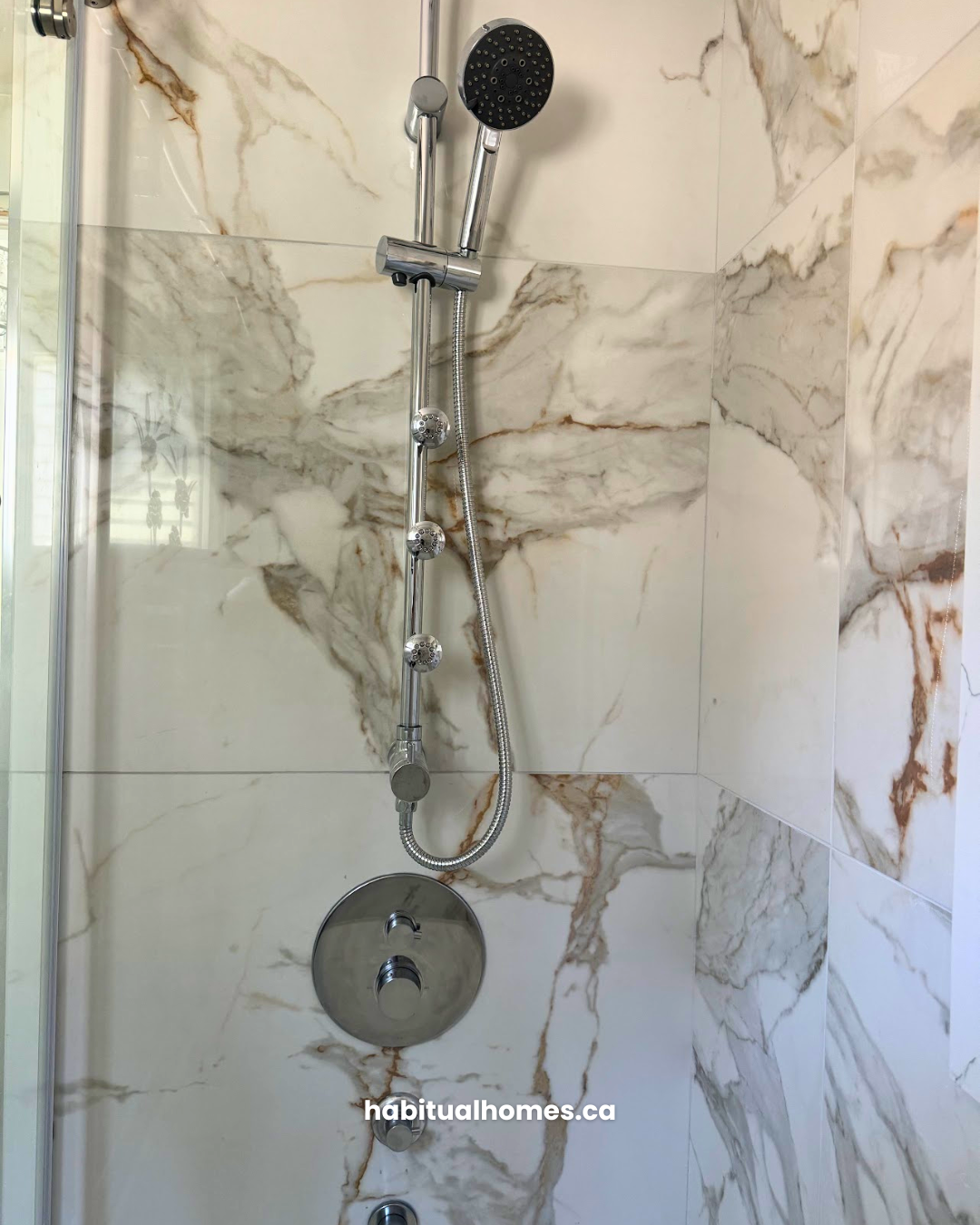
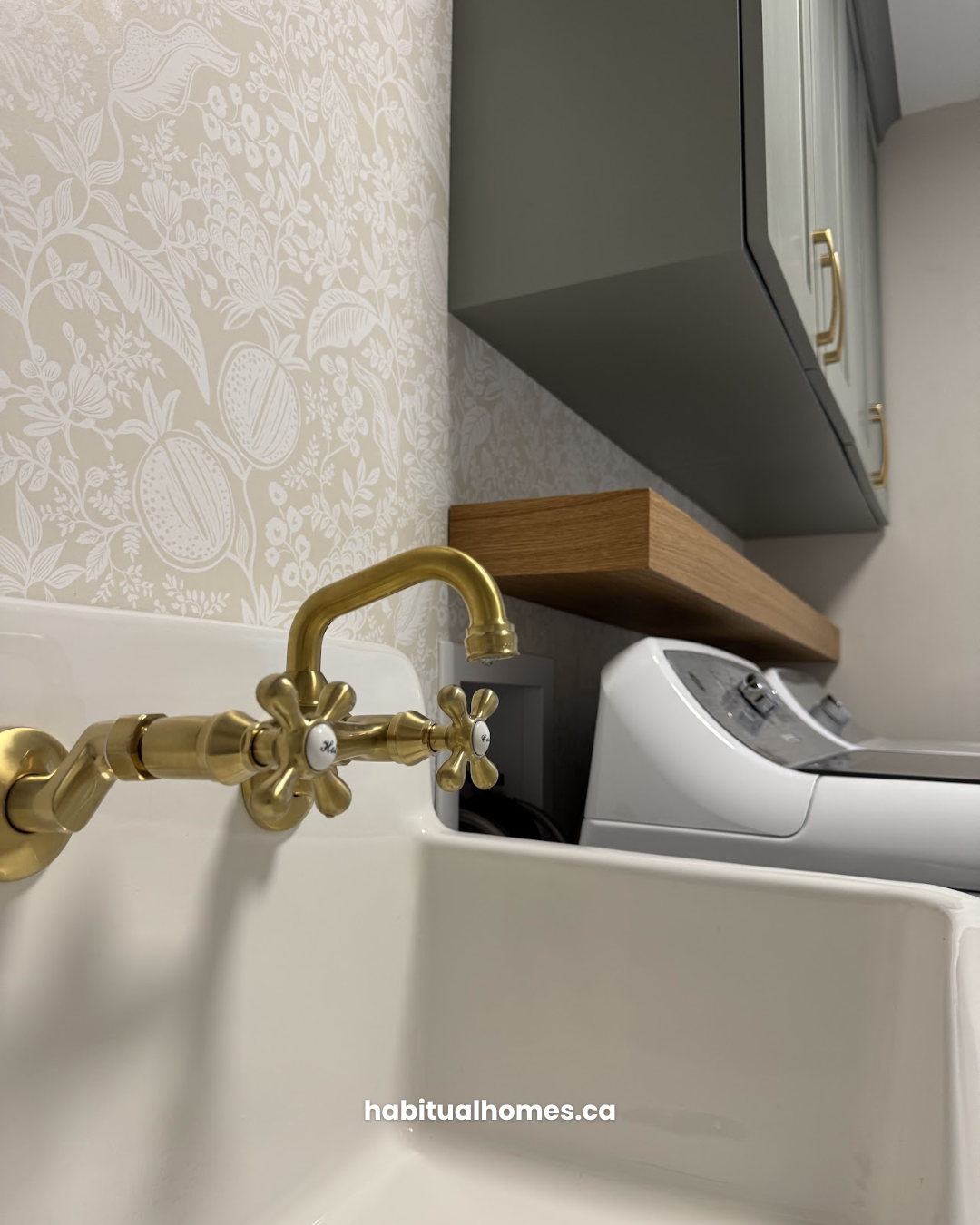
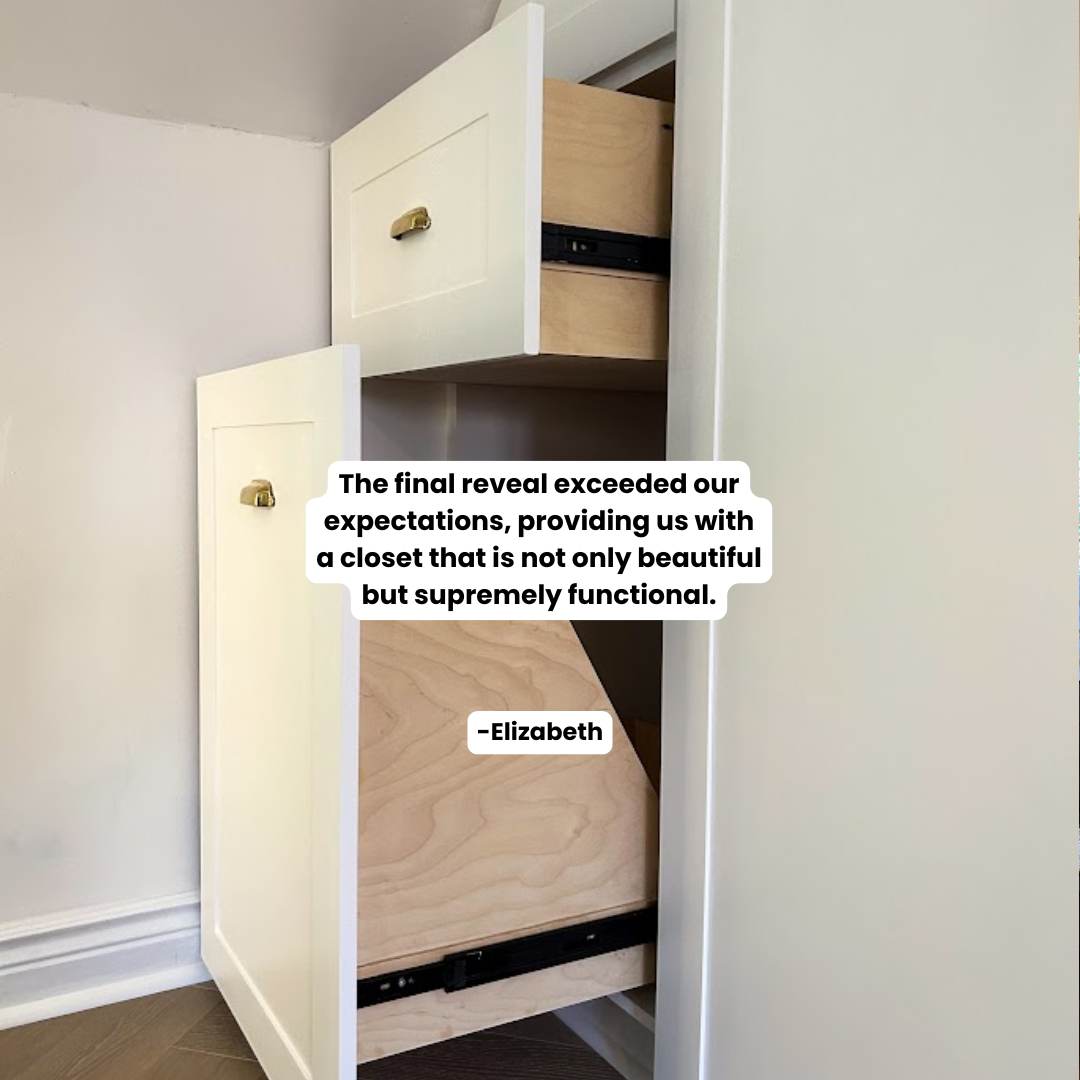
What is the difference between woodworking and millwork?
The main difference is that woodworking is the broad craft of working with wood, while millwork refers specifically to custom wood products made in a mill, such as cabinetry, trim, doors, and built-in furniture.
- Woodworking can include furniture making, carving, turning, and general wood crafting done in various settings (workshops, on-site, or mills).
- Millwork focuses on precision-made components produced in a shop or mill and installed as part of a building’s interior or exterior.
Let’s break down exactly what sets them apart so you can understand where they overlap — and when you might hire one over the other.
What is woodworking?
Woodworking is any process that shapes, assembles, or finishes wood to create an object or structure. This could be:
- Handcrafting a dining table
- Carving decorative pieces
- Building outdoor furniture
- Turning wooden bowls on a lathe
It’s a broad term that includes hobbyists, artisans, carpenters, and cabinetmakers.
What is millwork?
Millwork is a specialized category within woodworking that involves manufacturing wood components in a controlled shop or mill environment. These products are typically part of a building’s architectural design.
Examples include:
- Kitchen cabinets and vanities
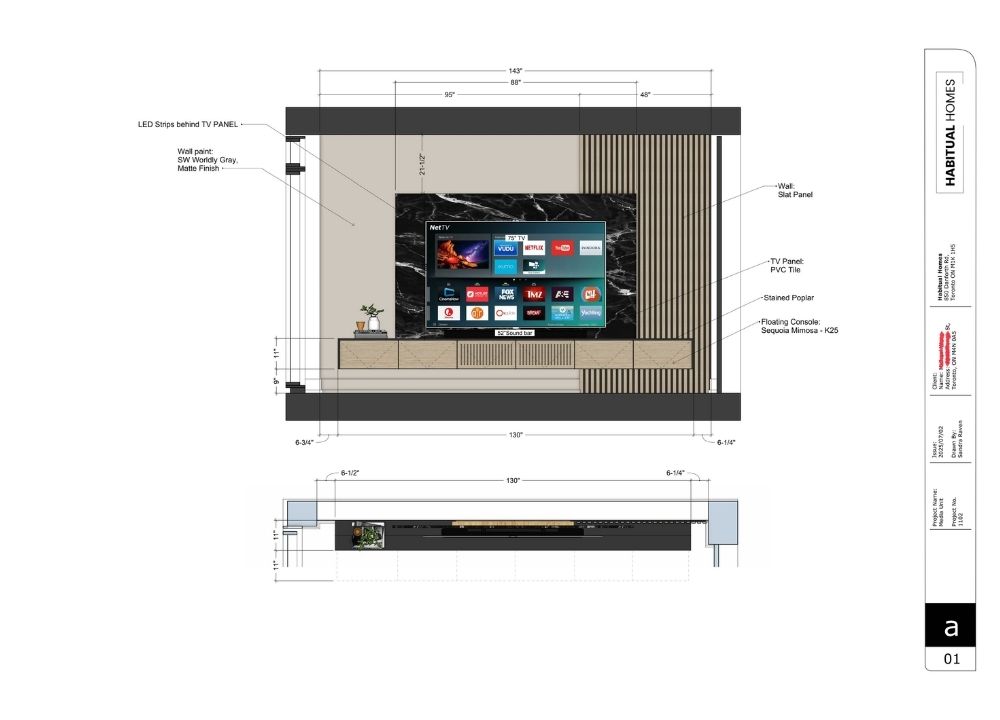
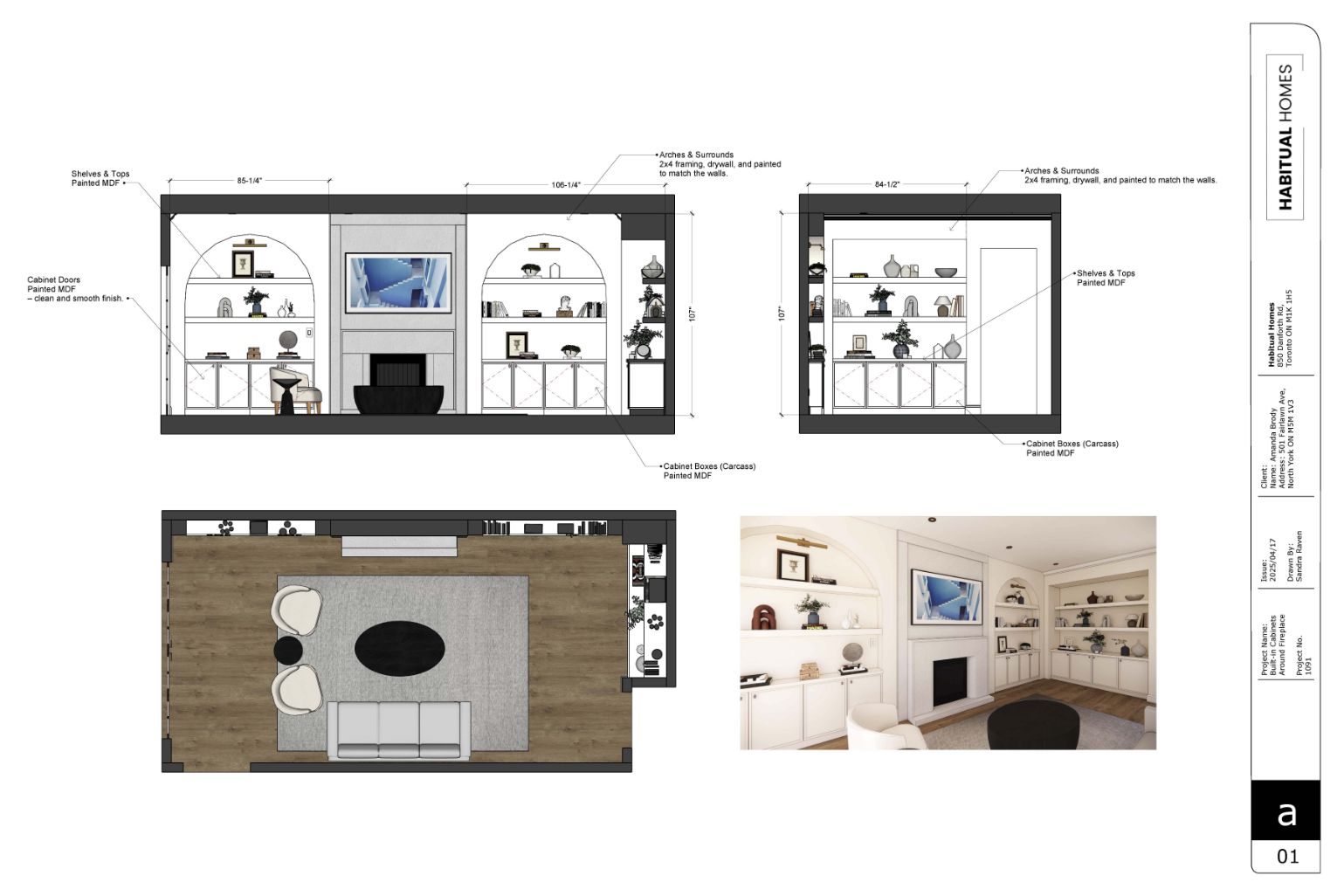
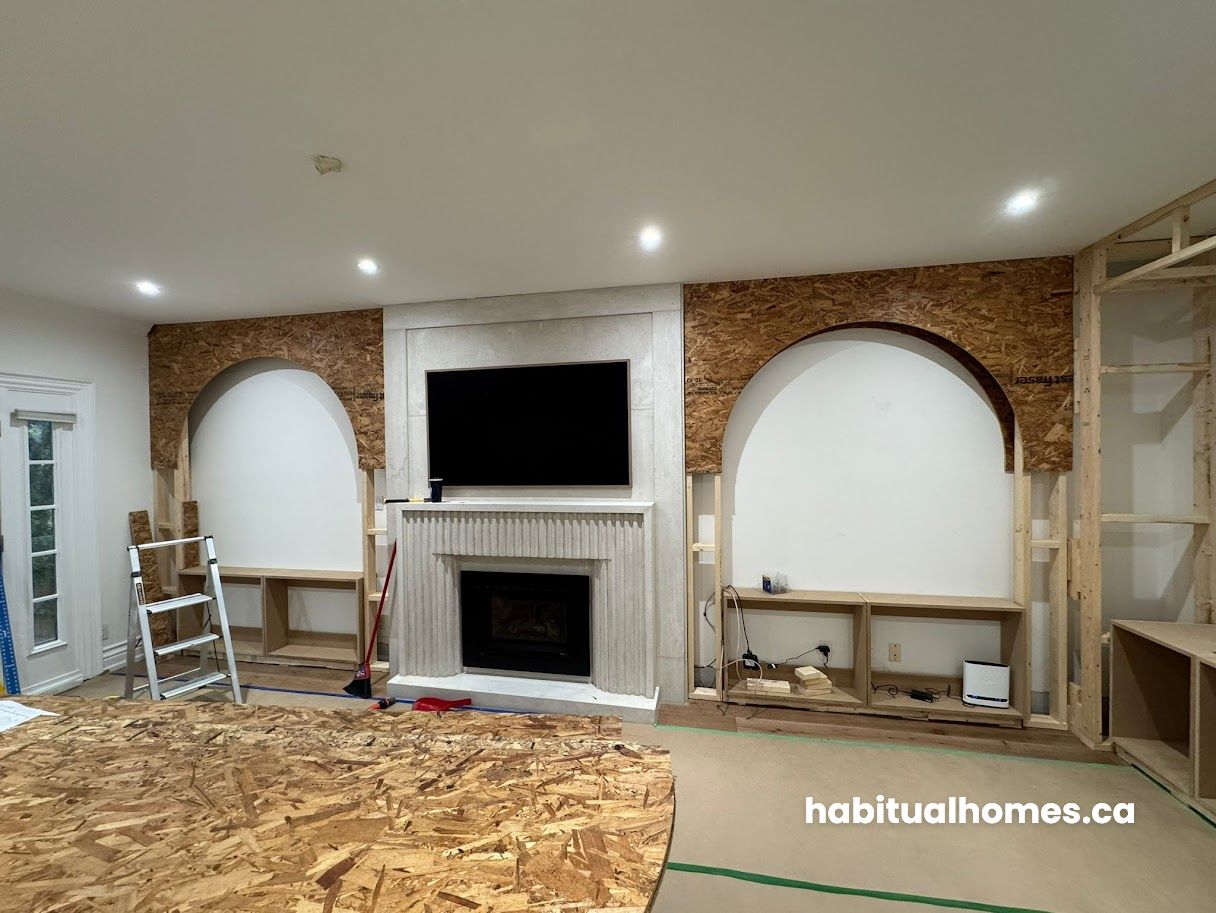
- Custom built-ins and shelving
- Crown molding, baseboards, and paneling
- Doors and window casings
- Stair parts (railings, treads, balusters)
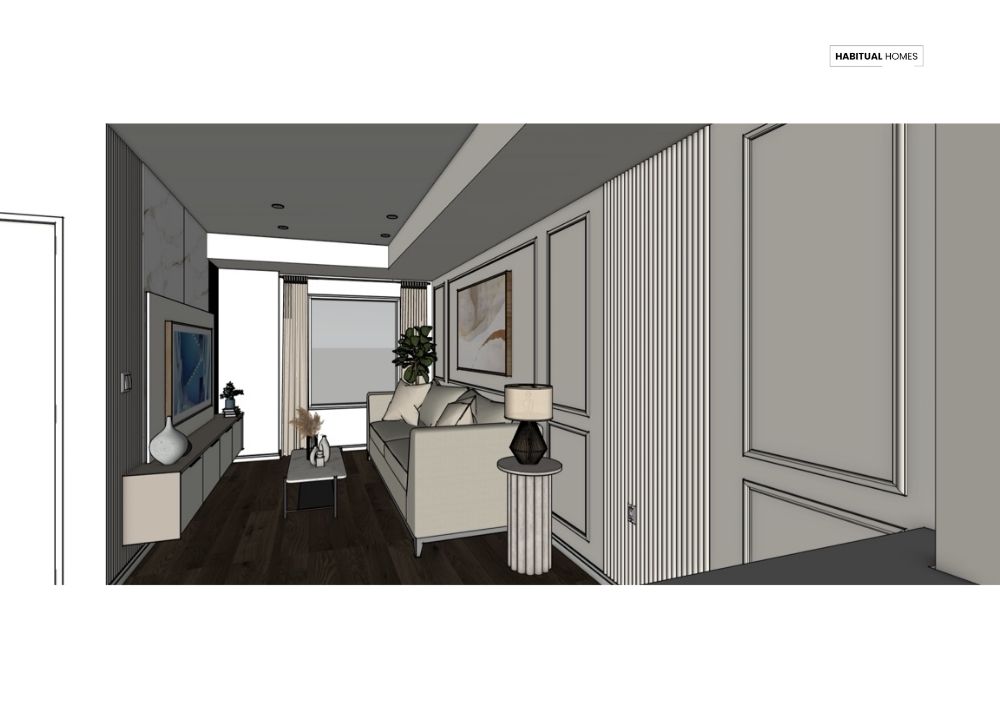
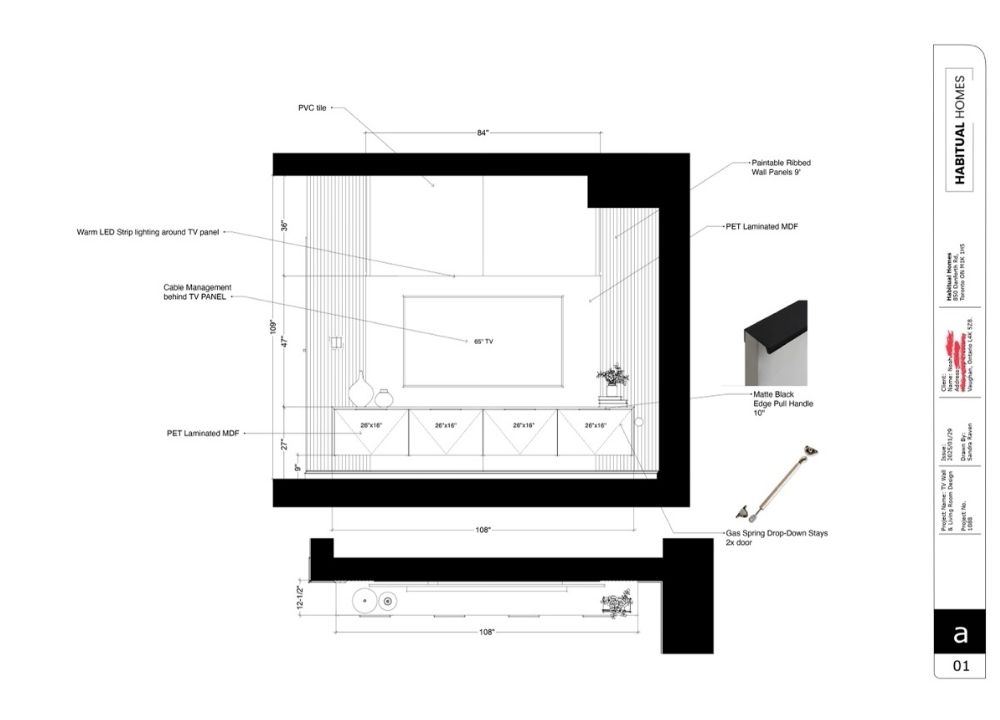
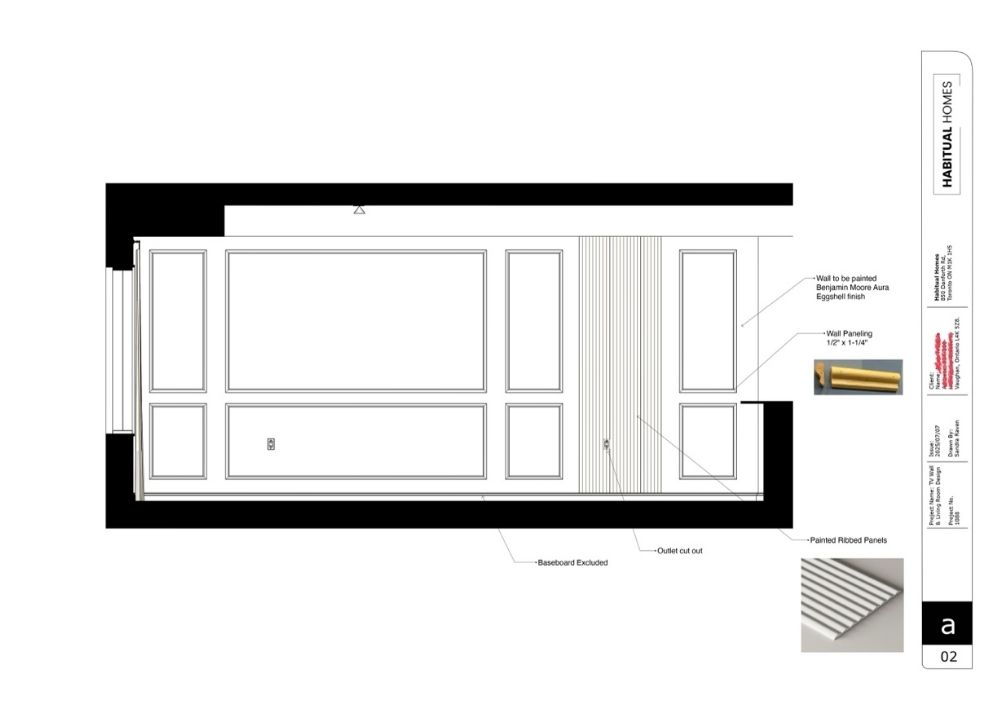
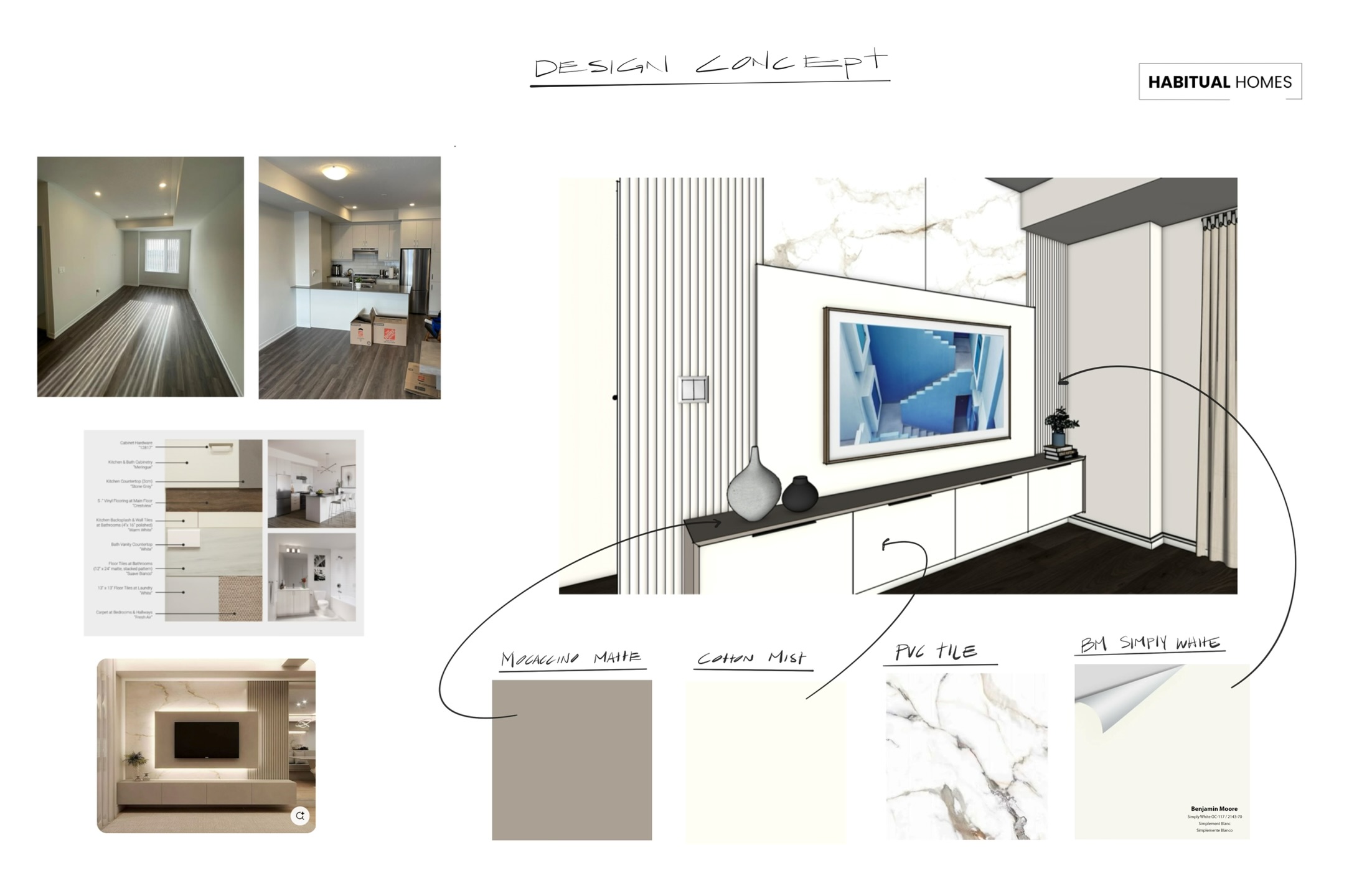
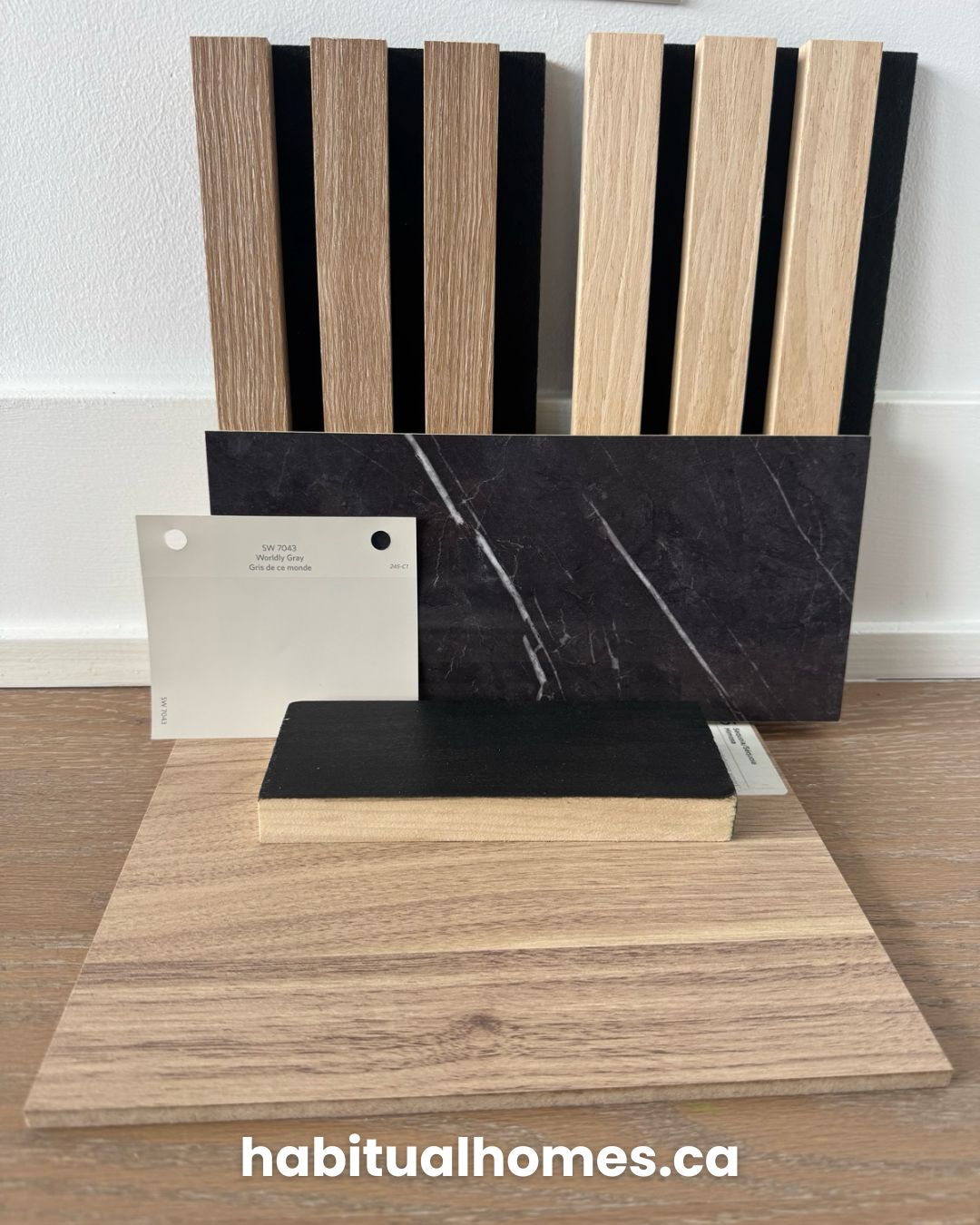
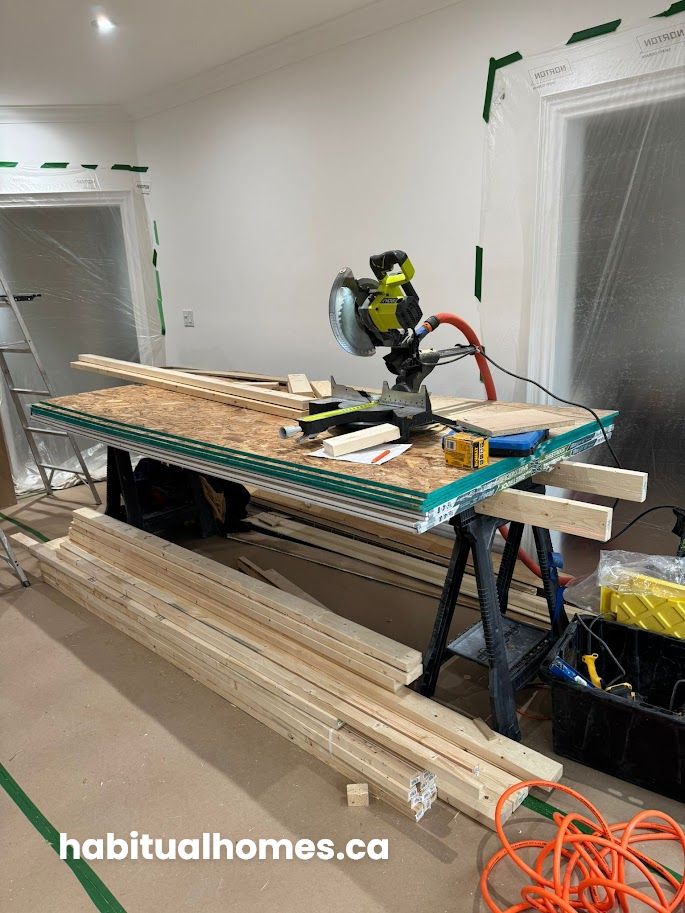
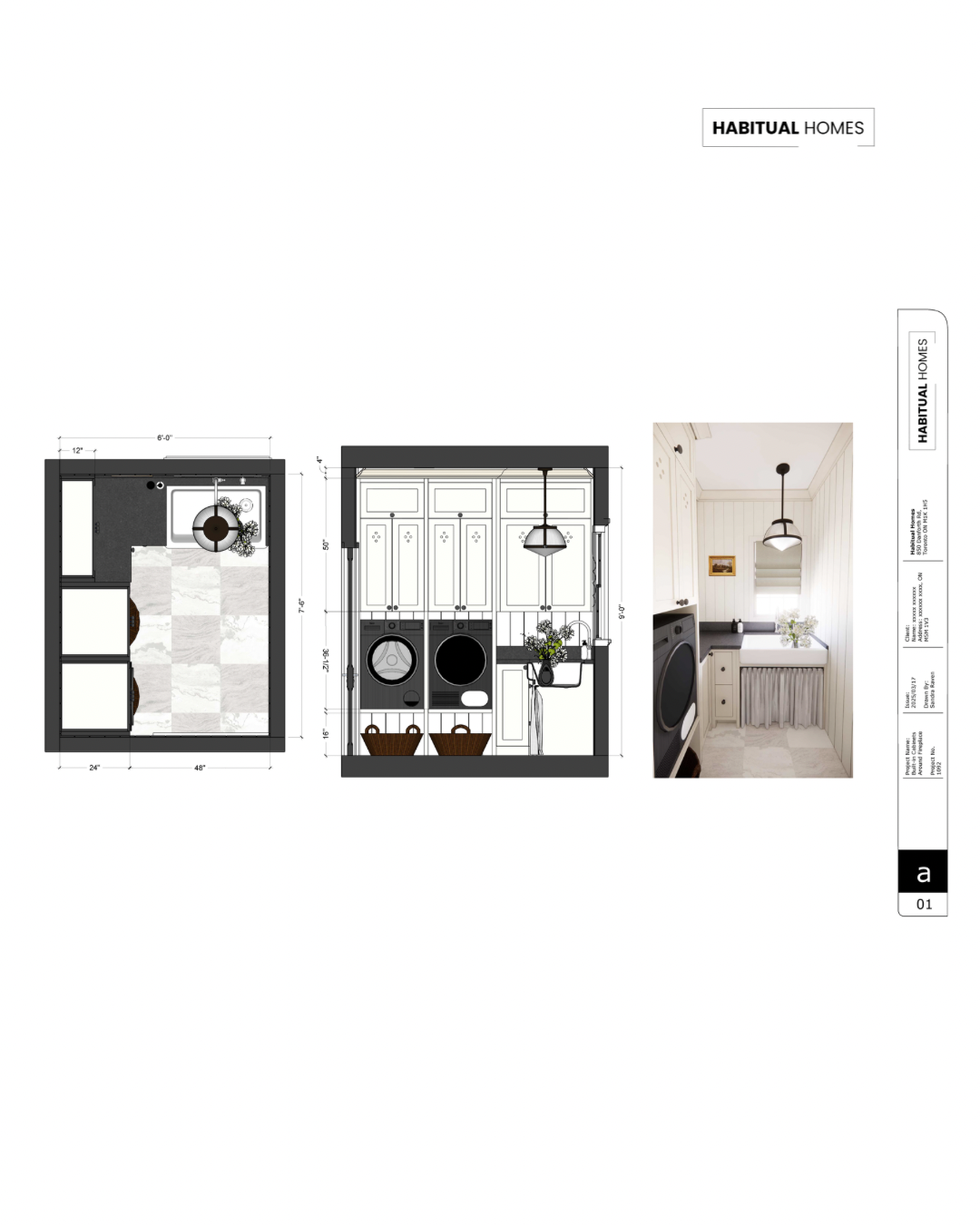
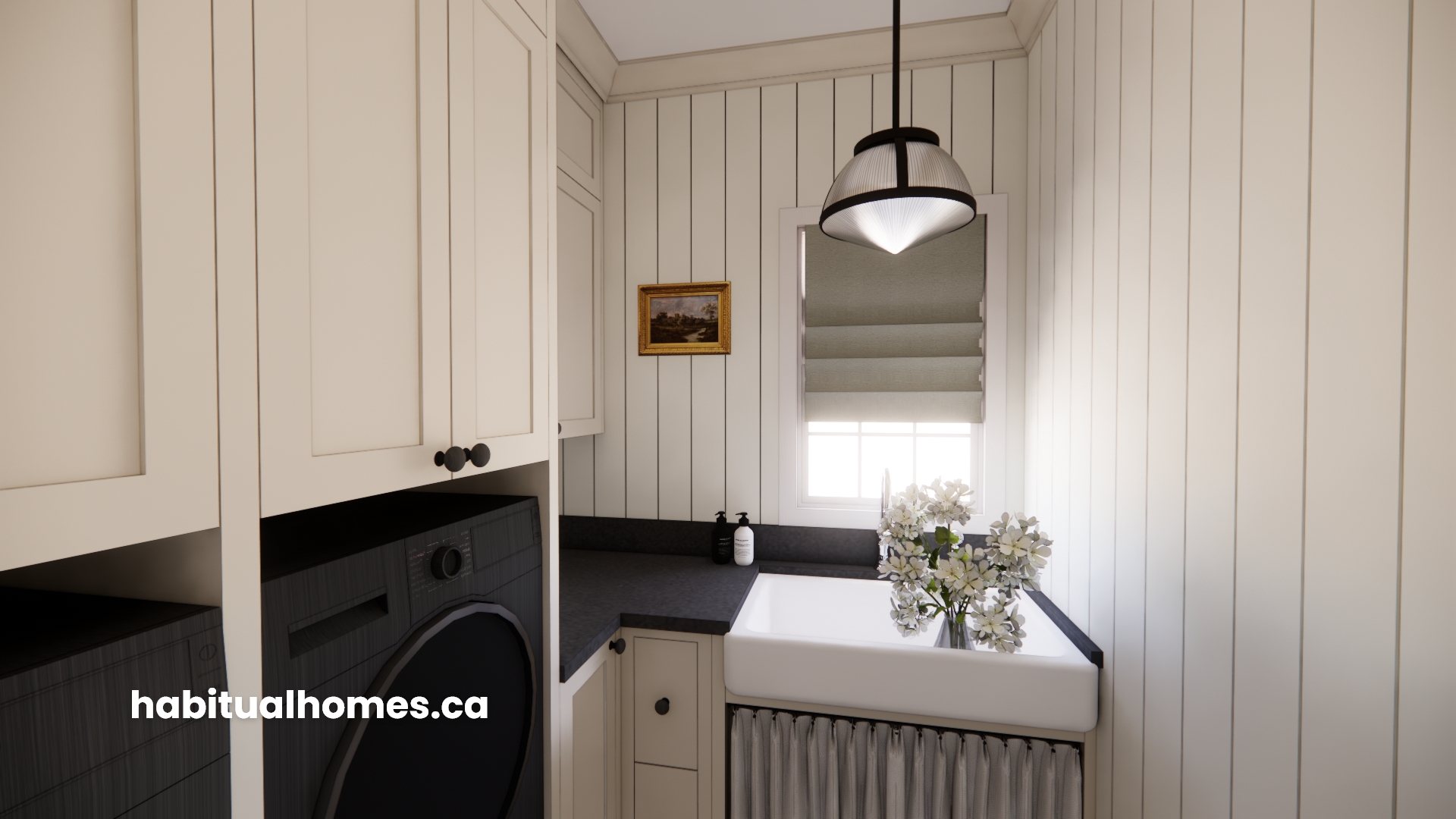
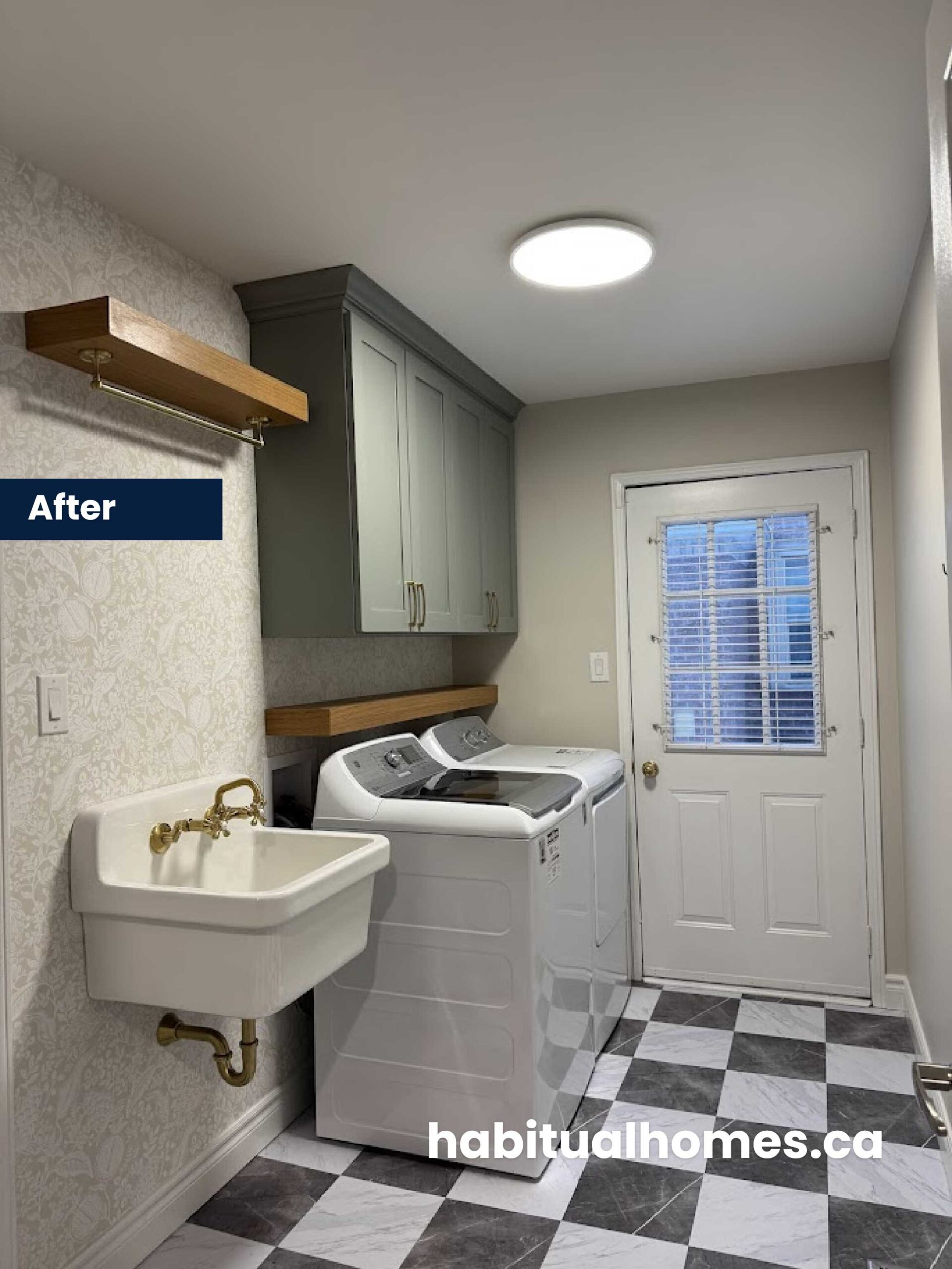
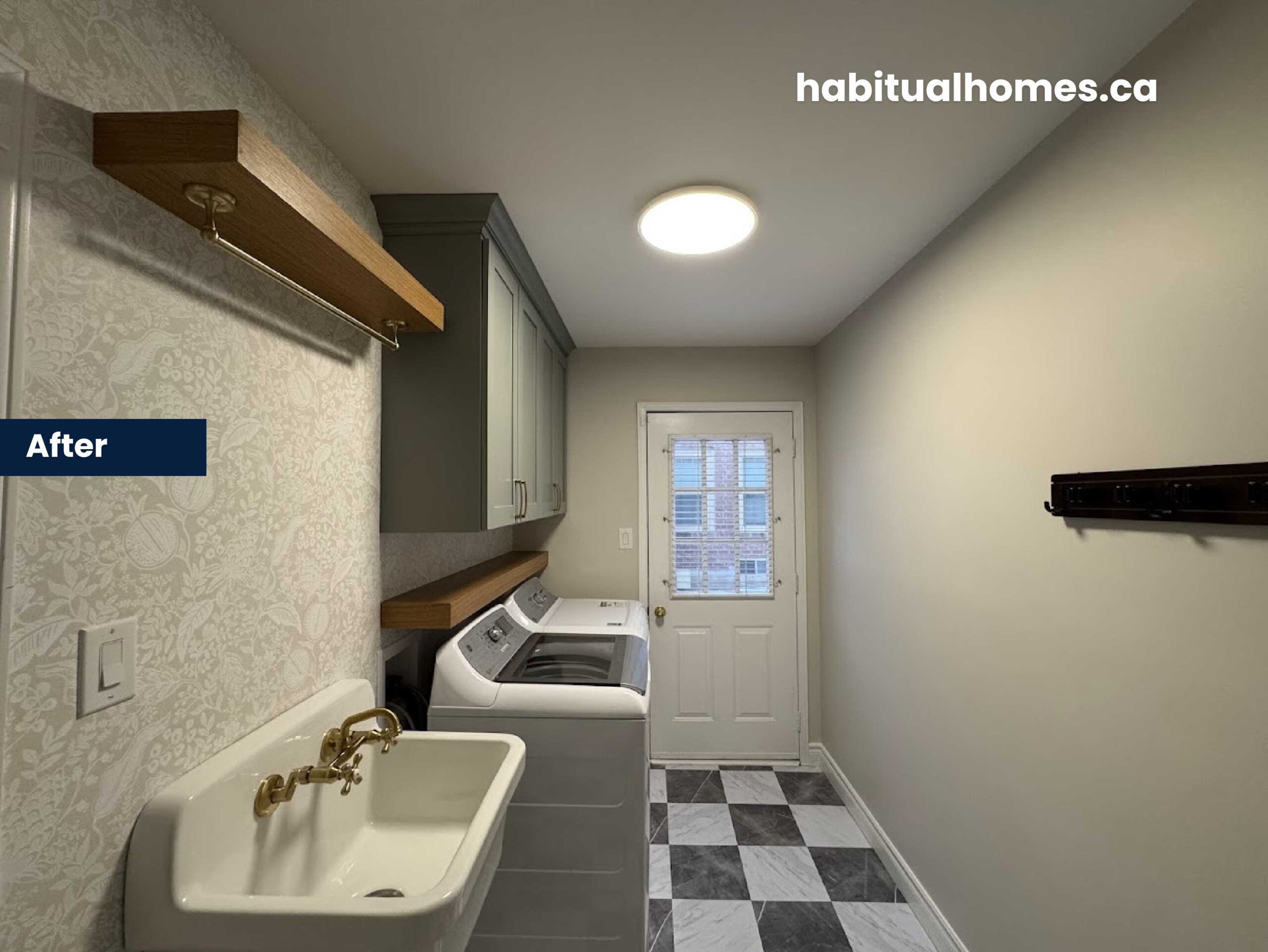
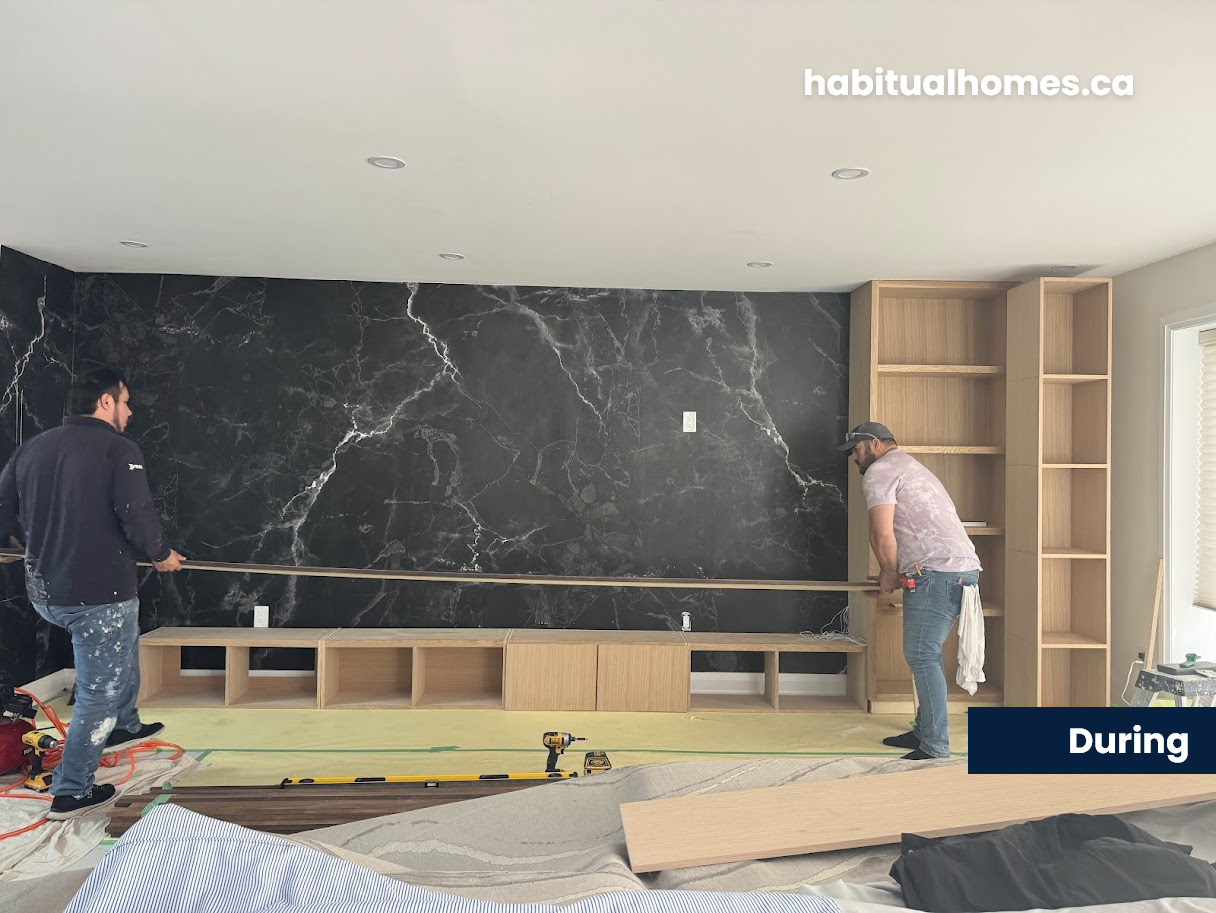
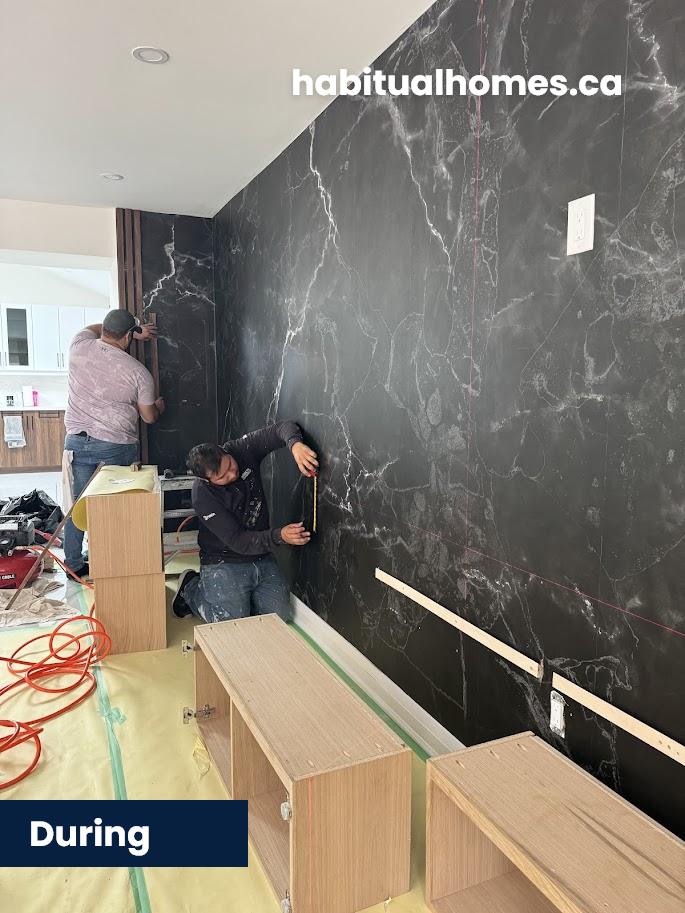
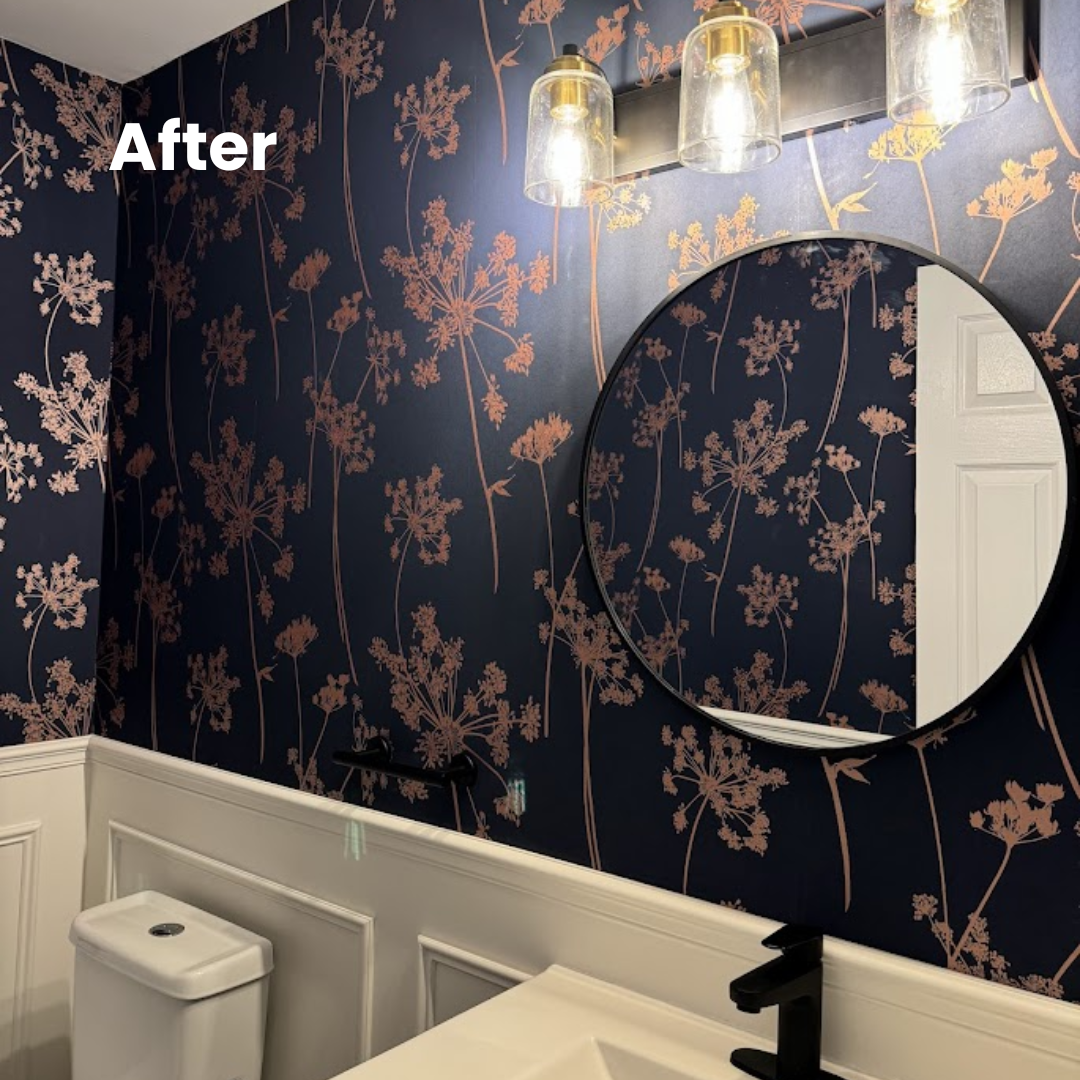
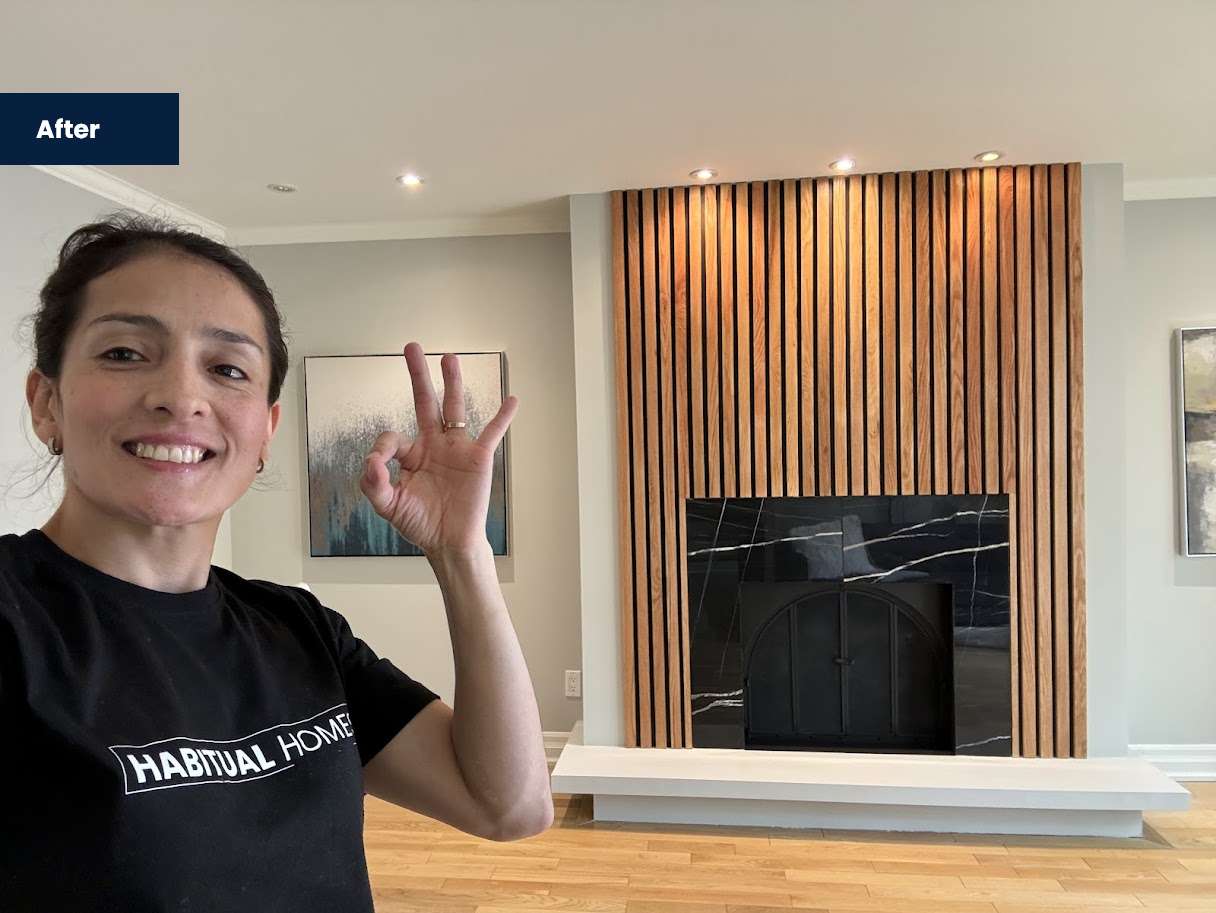
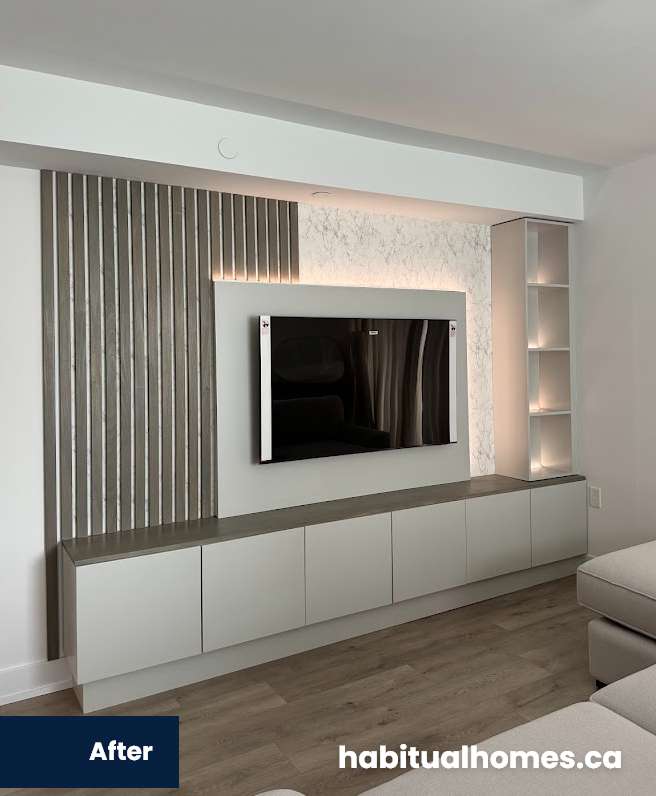
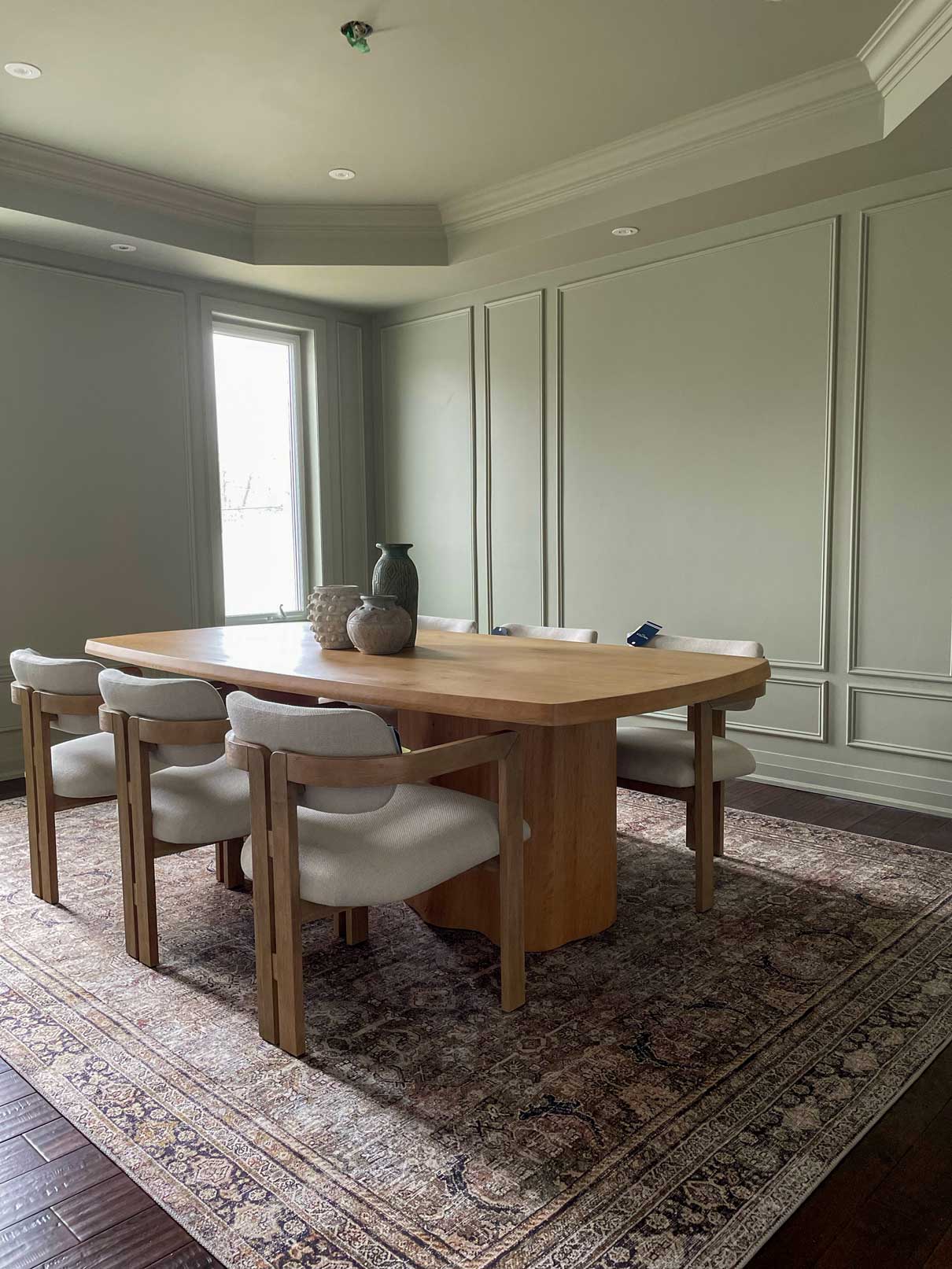
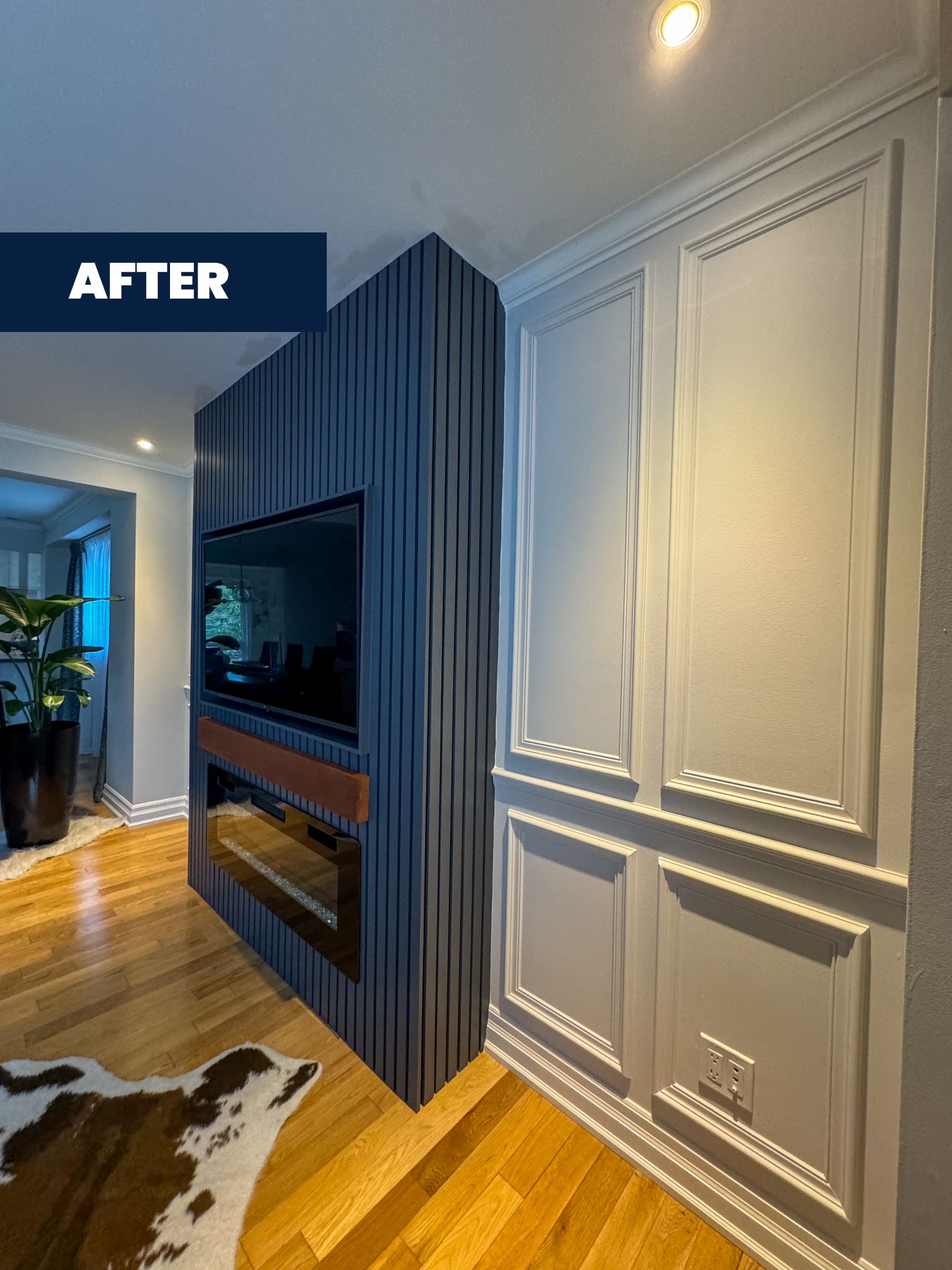
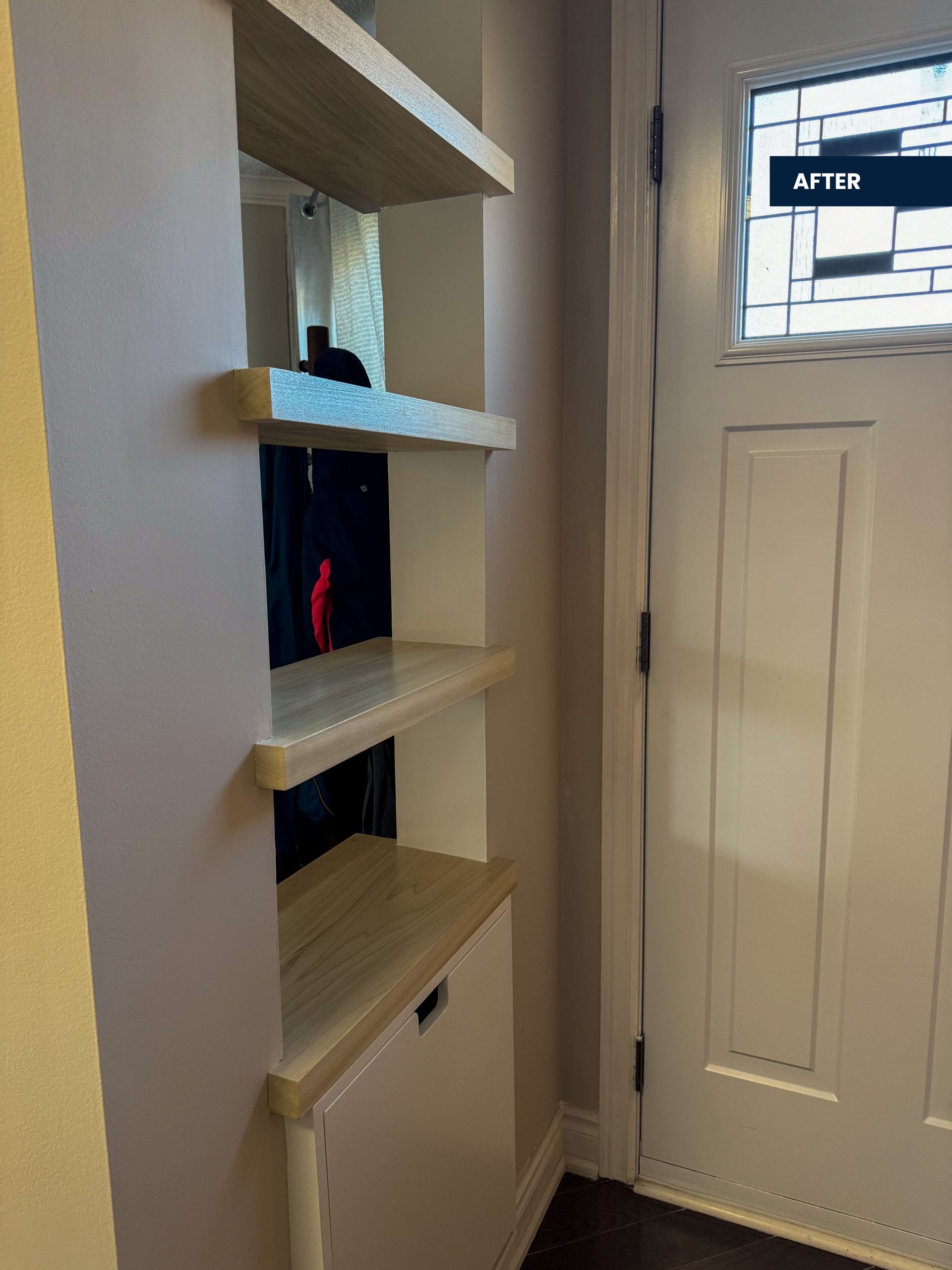
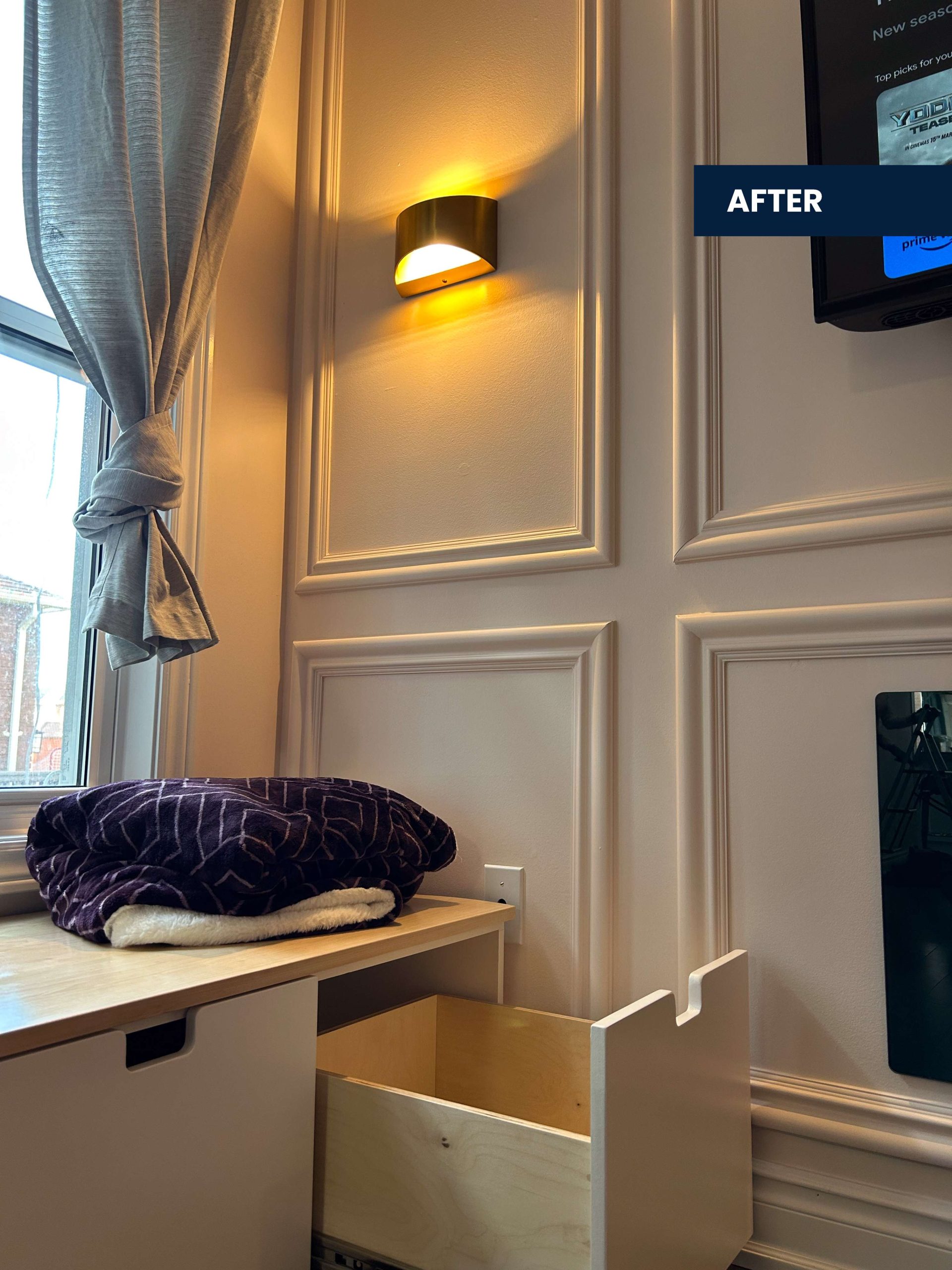
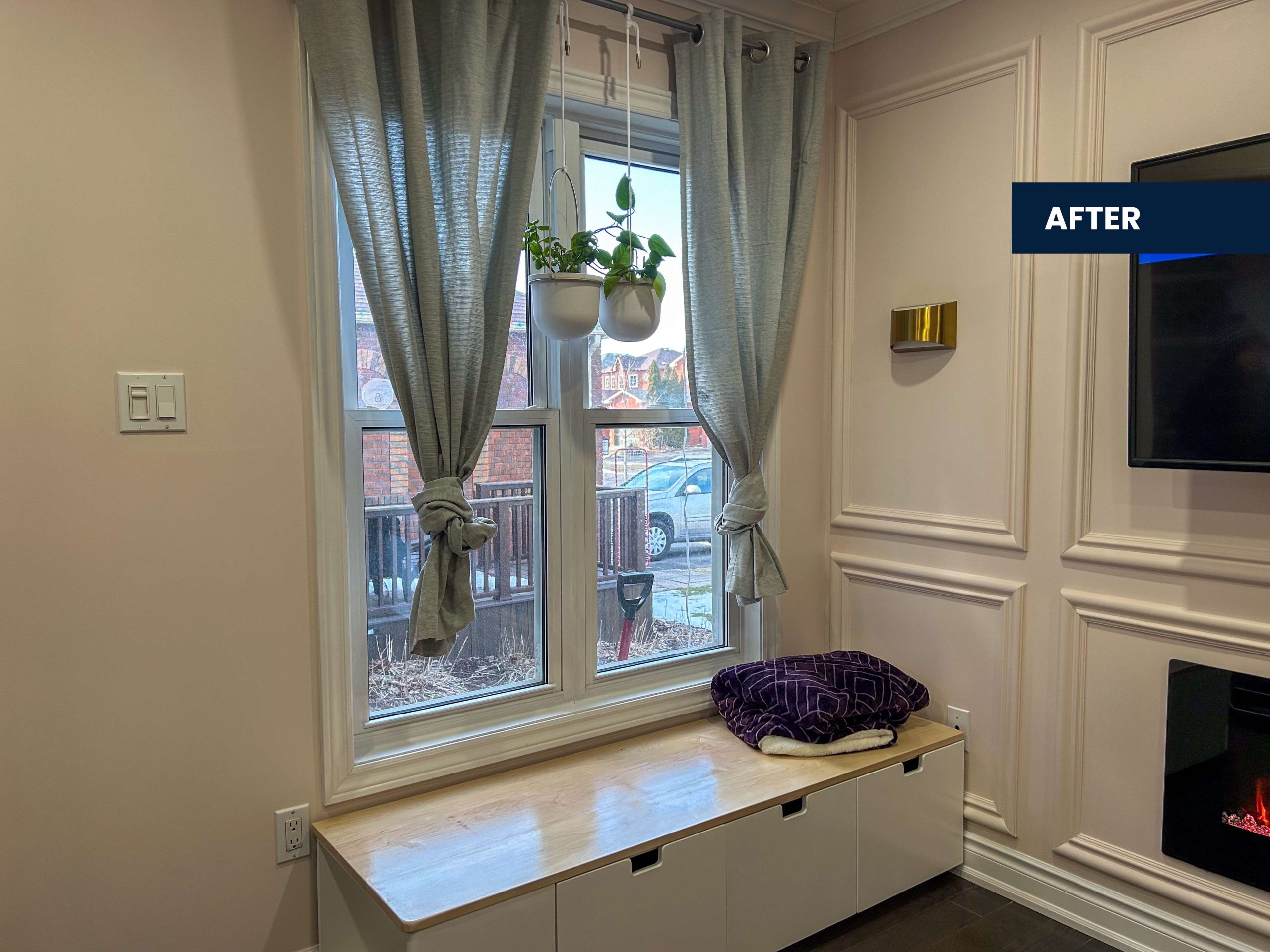
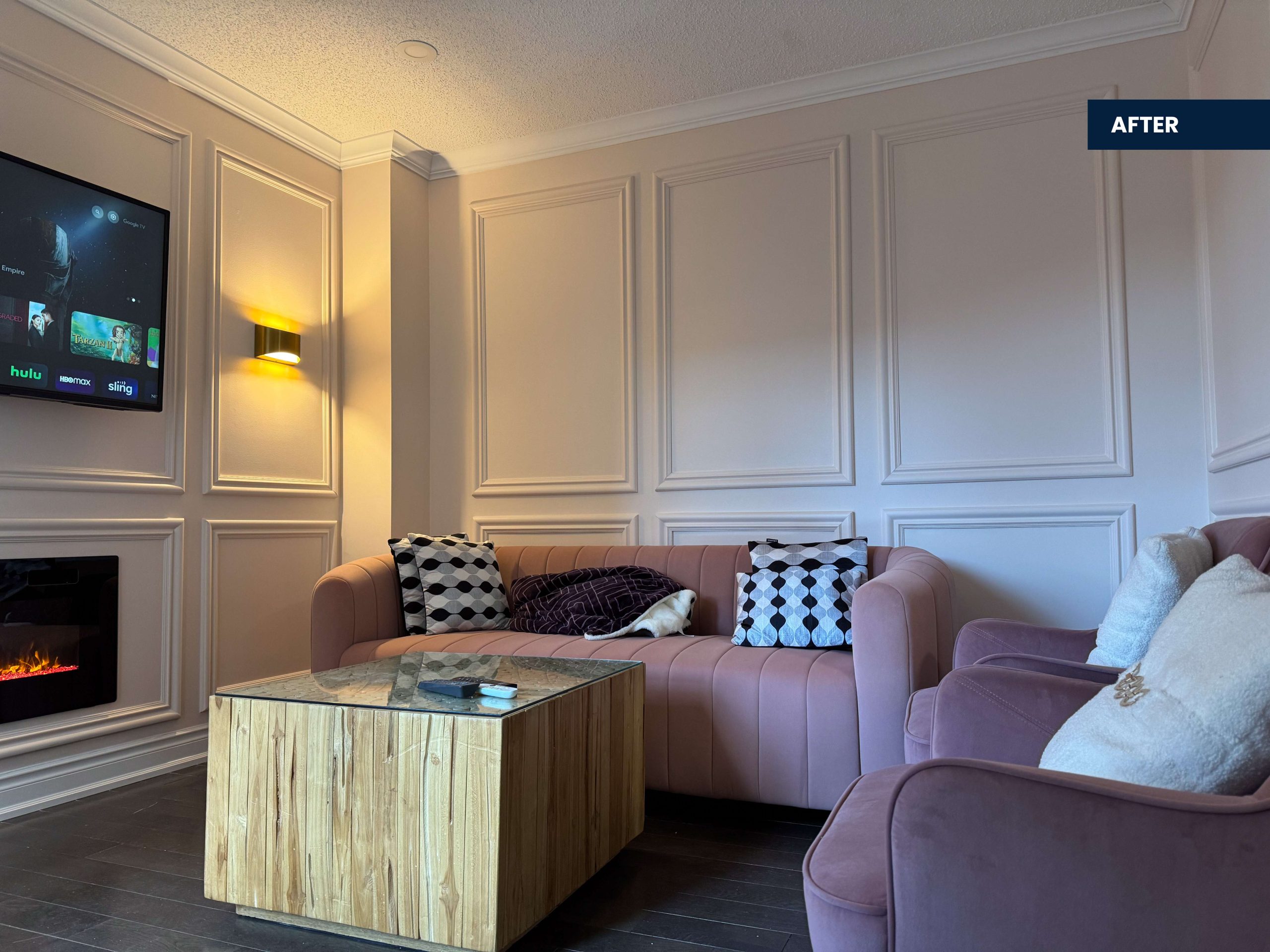
Our Custom Millwork Projects – From Concept to Installation
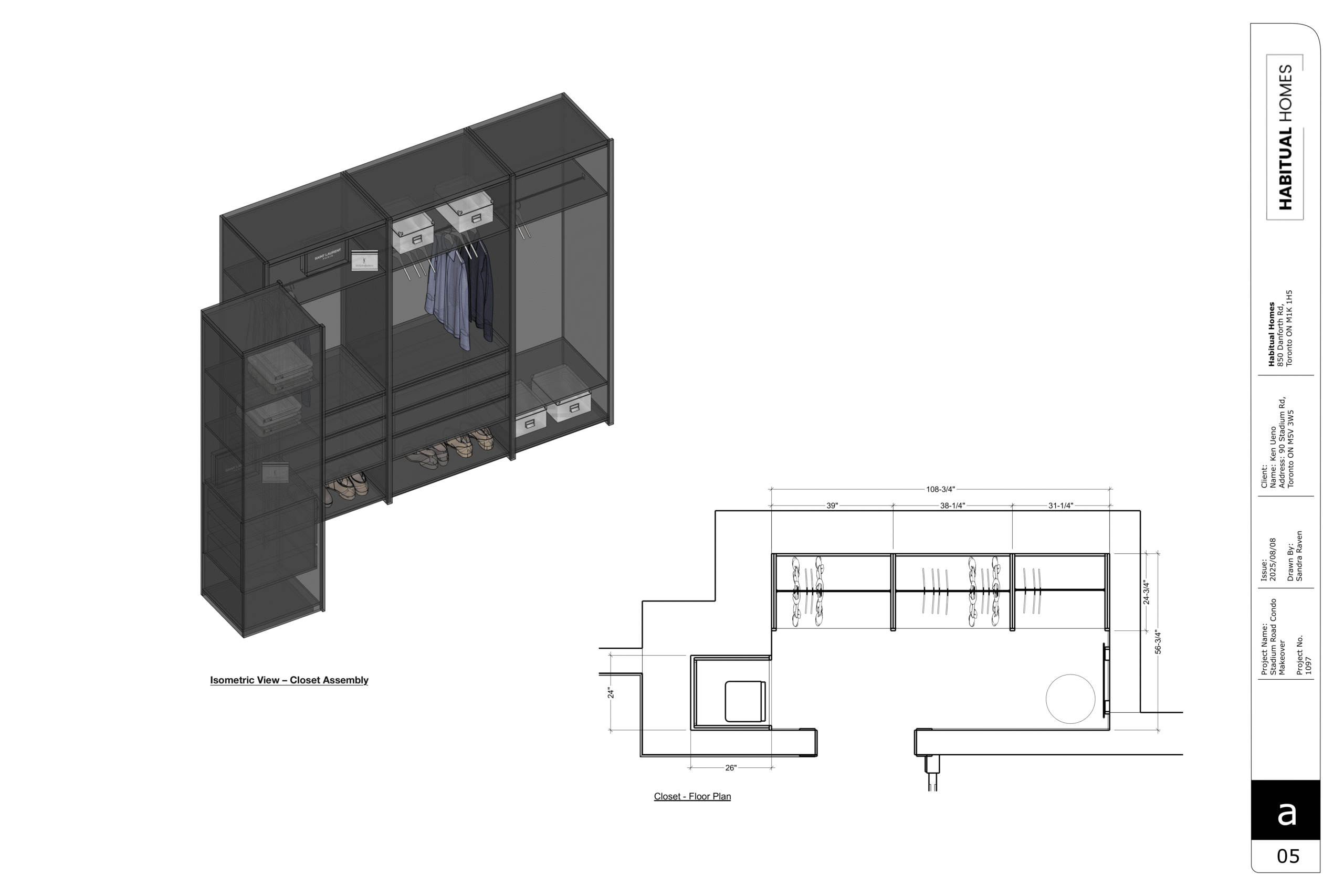
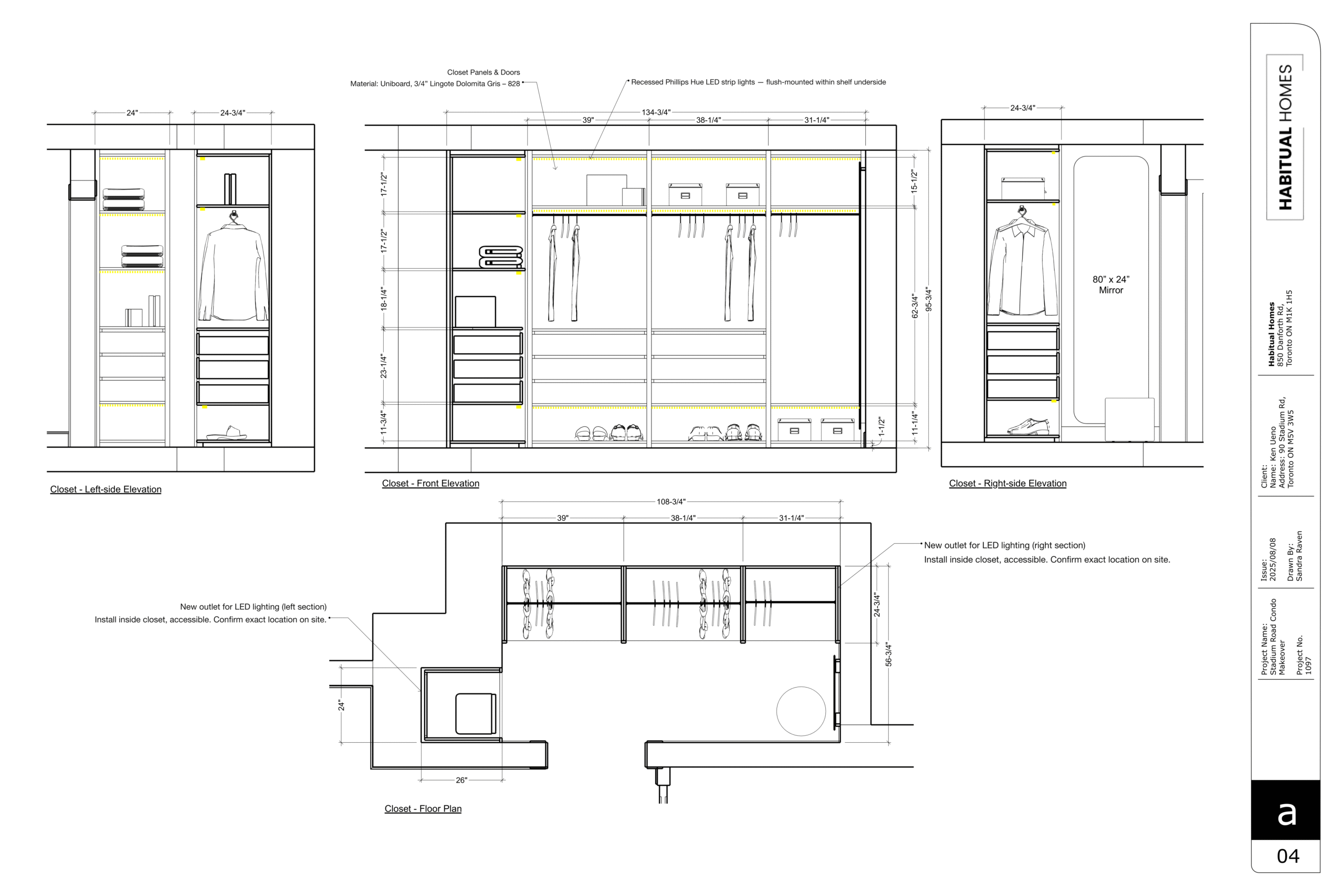
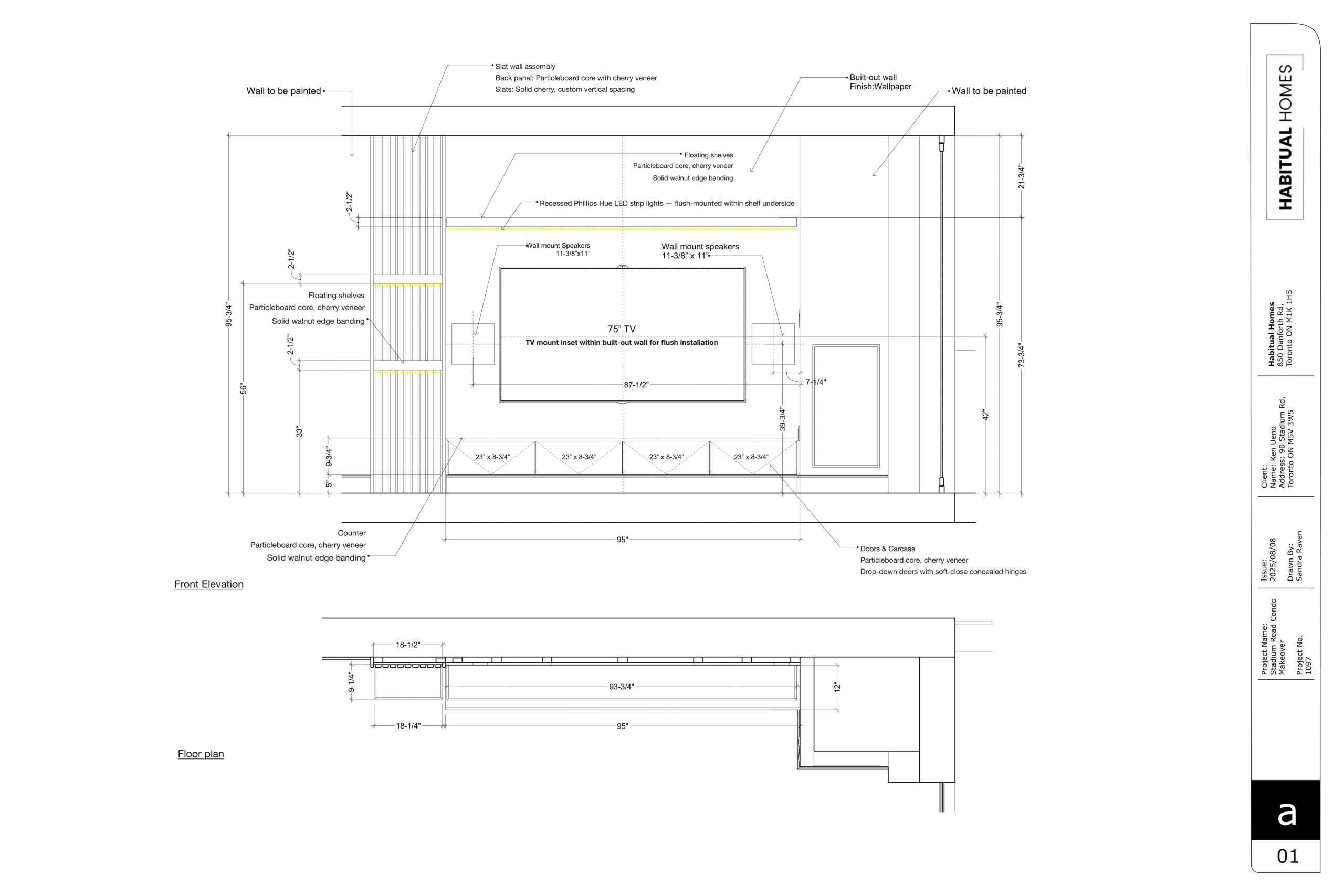
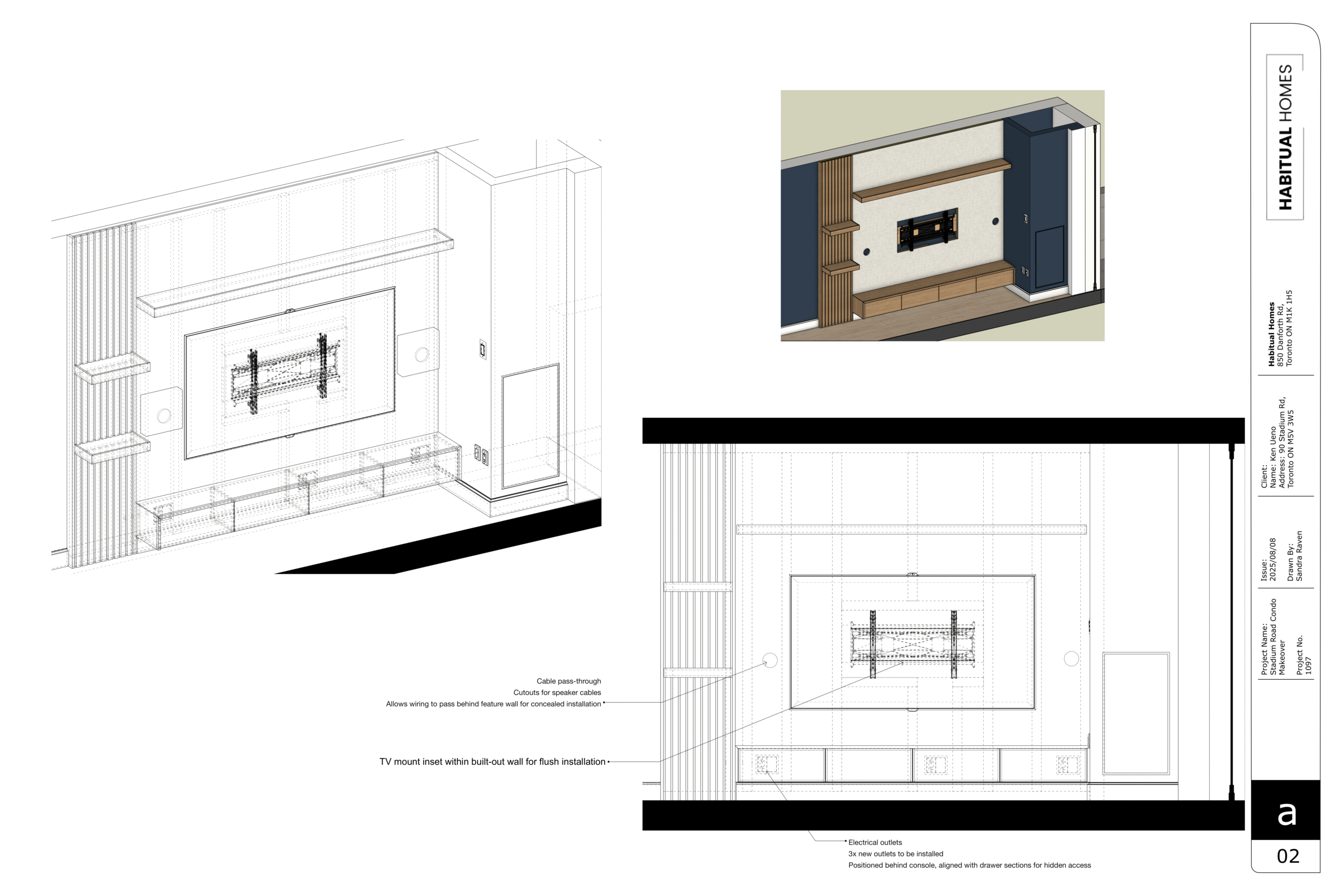
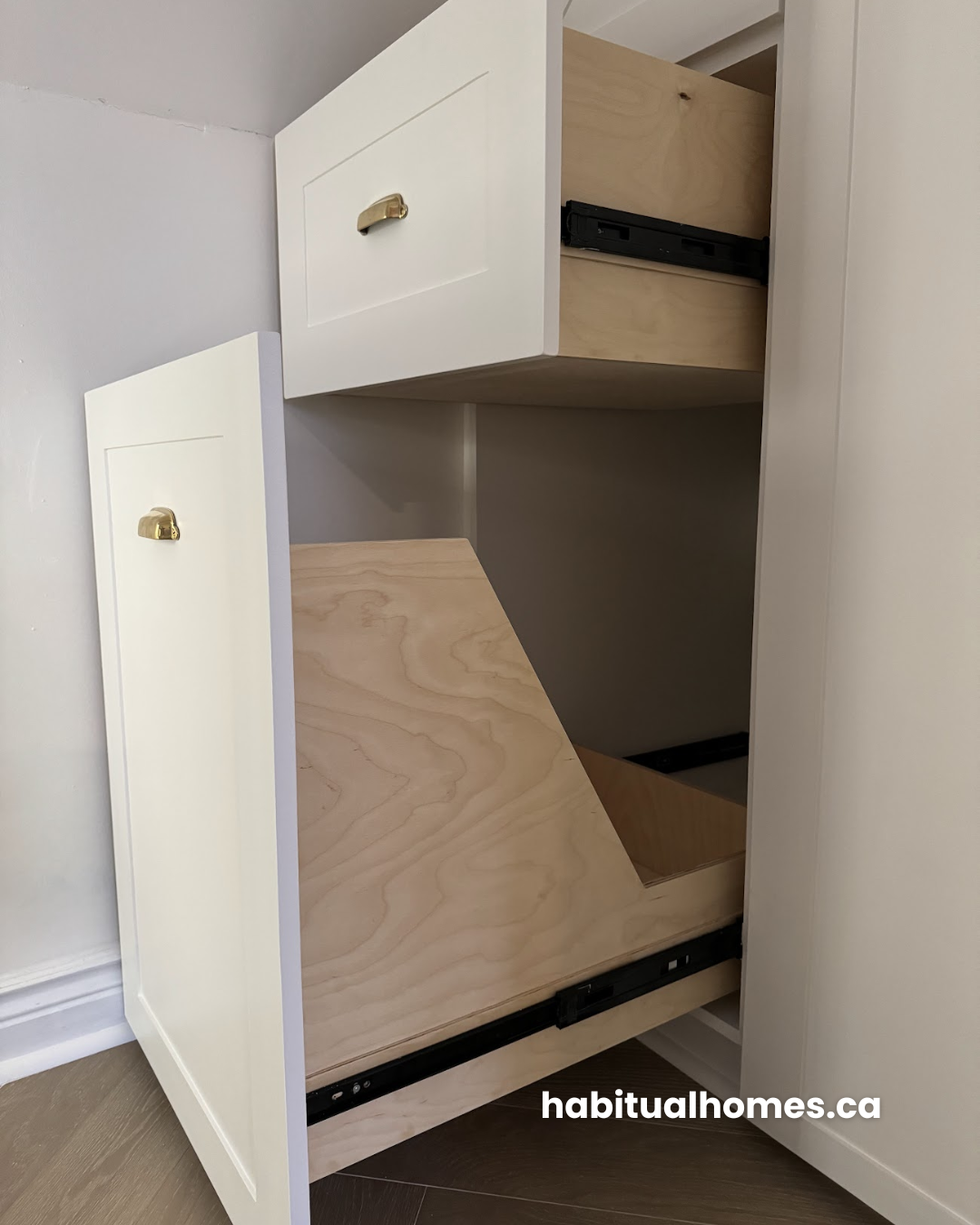




























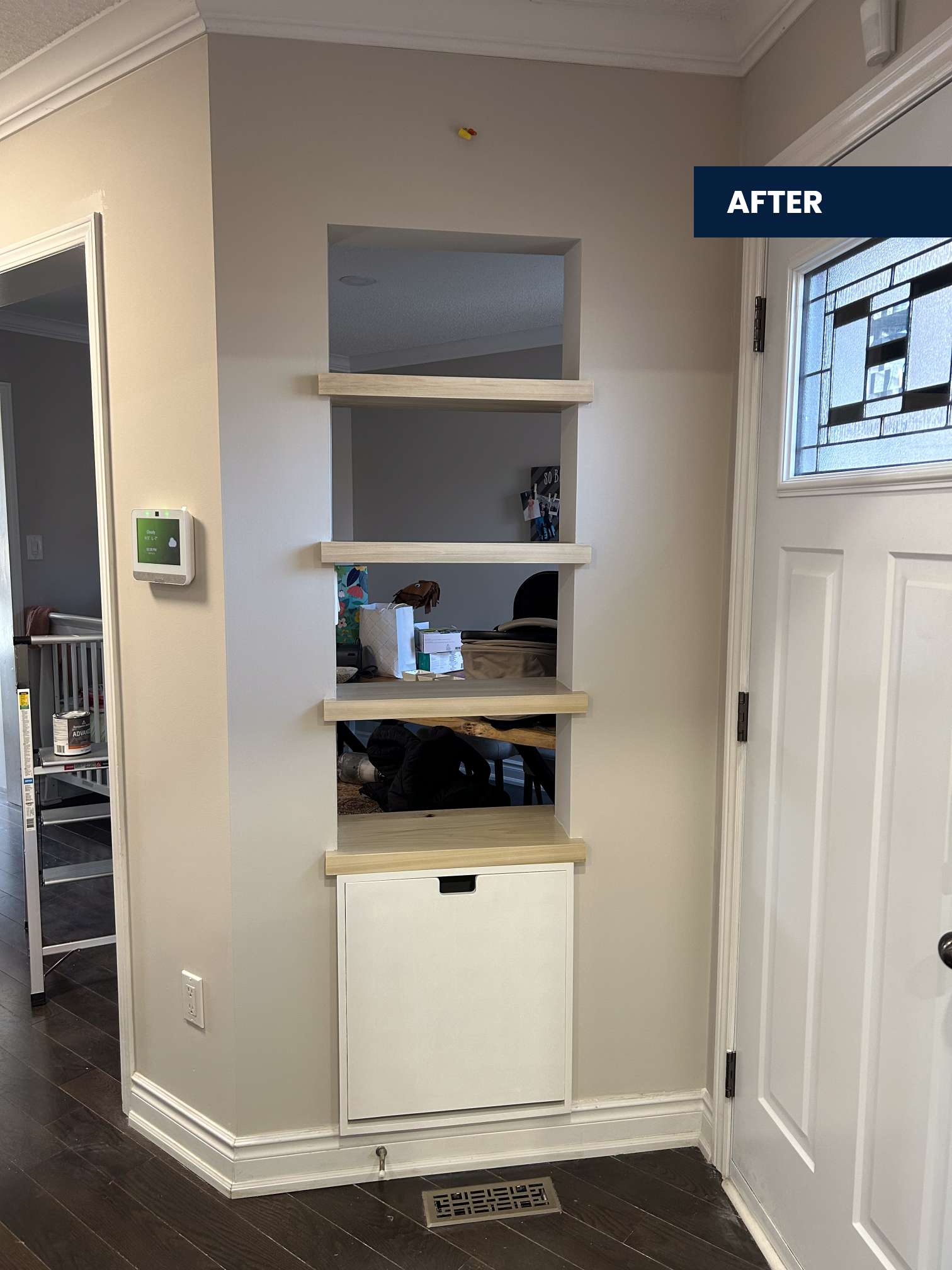
Key differences between woodworking and millwork
1. Scope of work
- Woodworking: Covers all types of wood projects, from furniture to art to home construction.
- Millwork: Focuses on components that become a permanent part of a building’s structure or interior.
2. Production setting
- Woodworking: Can be done in a small workshop, garage, or even on-site.
- Millwork: Usually produced in a larger mill or shop with specialized equipment for precision and consistency.
3. Customization level
Both can be custom, but millwork is tailored to fit exact dimensions of a specific space, often as part of a renovation or new build.
4. Materials used
- Woodworking: Can use solid wood, reclaimed wood, engineered wood, and more, depending on the project.
- Millwork: Often combines solid wood, plywood, MDF, and veneers for durability and design flexibility.
5. Installation
- Woodworking: Finished pieces are often standalone (like a table or chair).
- Millwork: Products are designed to be installed and integrated into the home’s structure.
When to hire a woodworker vs. a millworker
- Hire a woodworker if you need standalone furniture, custom decor, or artisanal wood items.
- Hire a millworker if you want built-in cabinetry, architectural trim, or custom storage solutions for your home.
When to Choose Woodworking vs. Millwork
If you’re wondering what is the difference between woodworking and millwork in terms of when to hire each, it comes down to the type of project and the level of precision you need.
- Woodworking is best for projects that require craftsmanship and creativity on a smaller scale, such as custom furniture, decorative wood pieces, or unique wood accents. You might hire a woodworker when you want a one-of-a-kind dining table, a carved mantelpiece, or a hand-built outdoor bench.
- Millwork is ideal when you need precise, repeatable components that are designed to fit perfectly within a space. This includes cabinetry, trim, moldings, and built-in units. You’d hire a millwork specialist for a kitchen renovation, custom closet system, or architectural detailing in a home or commercial building.
Benefits of Woodworking
- Offers highly customized, one-of-a-kind results
- Allows for artistic expression and unique detailing
- Can be crafted on-site or in a workshop
- Great for standalone pieces or statement furniture
Benefits of Millwork
- Provides exact measurements for a perfect fit
- Ideal for large-scale or repeatable components
- Delivers a polished, professional, and cohesive look
- Often integrates seamlessly with architecture and interior design
Where the two overlap
Many professionals do both — a skilled millworker is also a woodworker, but not every woodworker specializes in millwork.
For example, the same craftsman might build you a custom dining table (woodworking) and a matching built-in buffet for your dining room (millwork).
The bottom line
Woodworking is the broad art and craft of shaping wood into functional or decorative items. Millwork is a more specialized branch of woodworking that focuses on custom, precision-made pieces designed for permanent installation in a home or building.
Ready to bring your vision to life?
Whether you need the artistry of fine woodworking or the precision of custom millwork, our team delivers exceptional results from design to installation. Book your consultation today and let’s start creating a space that’s perfectly tailored to you.