Dark Wood Cabinets in a Toronto Kitchen: What to Know Before You Commit
Dark wood cabinets are coming back. After almost a decade of all-white kitchens dominating Toronto homes, walnut and rich brown tones are moving into the front of the design conversation again. But before you commit your kitchen to a 15-year decision, the trend itself this time is different from the dark cabinet wave of the early 2010s — and there’s a maintenance reality nobody talks about.
I made a video about this earlier this week. If you’d rather watch than read, it’s right below. Otherwise scroll on.
Why dark cabinets are coming back
The all-white kitchen of 2015 to 2022 was a reaction. Before white kitchens dominated, kitchens were almost universally medium-stained oak — what we now call “builder grade brown.” White was the antidote: airy, bright, easy to live with, easy to flip. Now, after enough years of all-white, people are looking for warmth and contrast again.
But this time it’s different. The dark cabinet trend in 2025 isn’t espresso painted MDF, which was the dominant version from 2010 to 2015. It’s:
- Warm-toned walnut with visible grain
- Rich brown stain on white oak (more contemporary)
- Stained ash or maple in chocolate undertones
- Sometimes painted, but in true blacks or deep greens — not the corporate espresso of fifteen years ago
The wood grain is the difference. The 2010s espresso cabinet was flat and lifeless. The 2025 dark cabinet shows the wood — knots, grain, depth — and that’s what makes it feel timeless instead of dated.
The catch nobody talks about: maintenance
Here’s what no influencer will tell you while you’re scrolling: dark cabinets show everything.
Every fingerprint, especially around the handle pulls and the area below the upper cabinet edge where you reach up. Every dust speck on horizontal surfaces — top of upper cabinets, top of lower cabinet base if cabinets don’t go to the toe-kick. Every water spot, especially around the sink and dishwasher. Every scratch and dent, because dark wood doesn’t hide damage the way white paint does.
This isn’t a deal-breaker. It’s a reality. White cabinets hide dust and fingerprints. Dark cabinets show them. If you have kids, pets, or a household that doesn’t wipe down surfaces every few days, you’ll see it — and it’ll bother you more than the photos suggest.
The trade-off is visual depth. A dark kitchen has weight, mood, and architectural presence that no white kitchen can replicate. If that matters more to you than “I never see a fingerprint,” dark is right for you.
Which dark tones age well
Not all dark cabinets are equal. After almost ten years of construction in Toronto, I’ve seen which dark cabinet choices age into “still beautiful” and which age into “this kitchen needs an update.”
Age well:
- Walnut with natural finish — warm, deep, shows grain
- White oak with rich brown stain — contemporary, versatile
- Dark stained ash — beautiful grain, less common, less likely to feel dated
- True black painted (like SW Tricorn Black) on flat-front modern cabinets — done right, this is the new “all-white”
Will feel dated in five years:
- Espresso painted MDF without grain (the 2010s look)
- Cool gray-browns (the awkward “greige” of 2018 to 2020)
- Reddish-brown stains (the 90s cherry-look)
- Glossy dark cabinets — fingerprint magnet, dated finish
The principle: warm wood tones with visible grain age well. Painted dark cabinets without depth feel of-their-moment. Cool-toned darks fight with everything else in a Toronto kitchen — counters, floors, light. They look right in the showroom and wrong six months later.
What to consider in your specific kitchen
The right dark cabinet for one kitchen is wrong for another. Things to think through before you commit:
Light. A north-facing kitchen with one window will feel like a cave with floor-to-ceiling dark cabinets. The same dark cabinets in a south-facing kitchen with three windows will feel grounded and rich. Light is the variable that decides whether dark works.
Ceiling height. Eight-foot ceilings plus dark cabinets all the way up reads as a low ceiling. Nine or ten-foot ceilings can carry dark uppers without feeling closed in. If you have eight-foot ceilings, consider dark lowers and light uppers, or open shelving above.
Counter and floor contrast. Dark cabinets need contrast somewhere. White or light quartz counters work. Light oak or wide-plank pale floors work. Going dark cabinets plus dark counter plus dark floor in a small Toronto kitchen creates visual gravity that overwhelms the room.
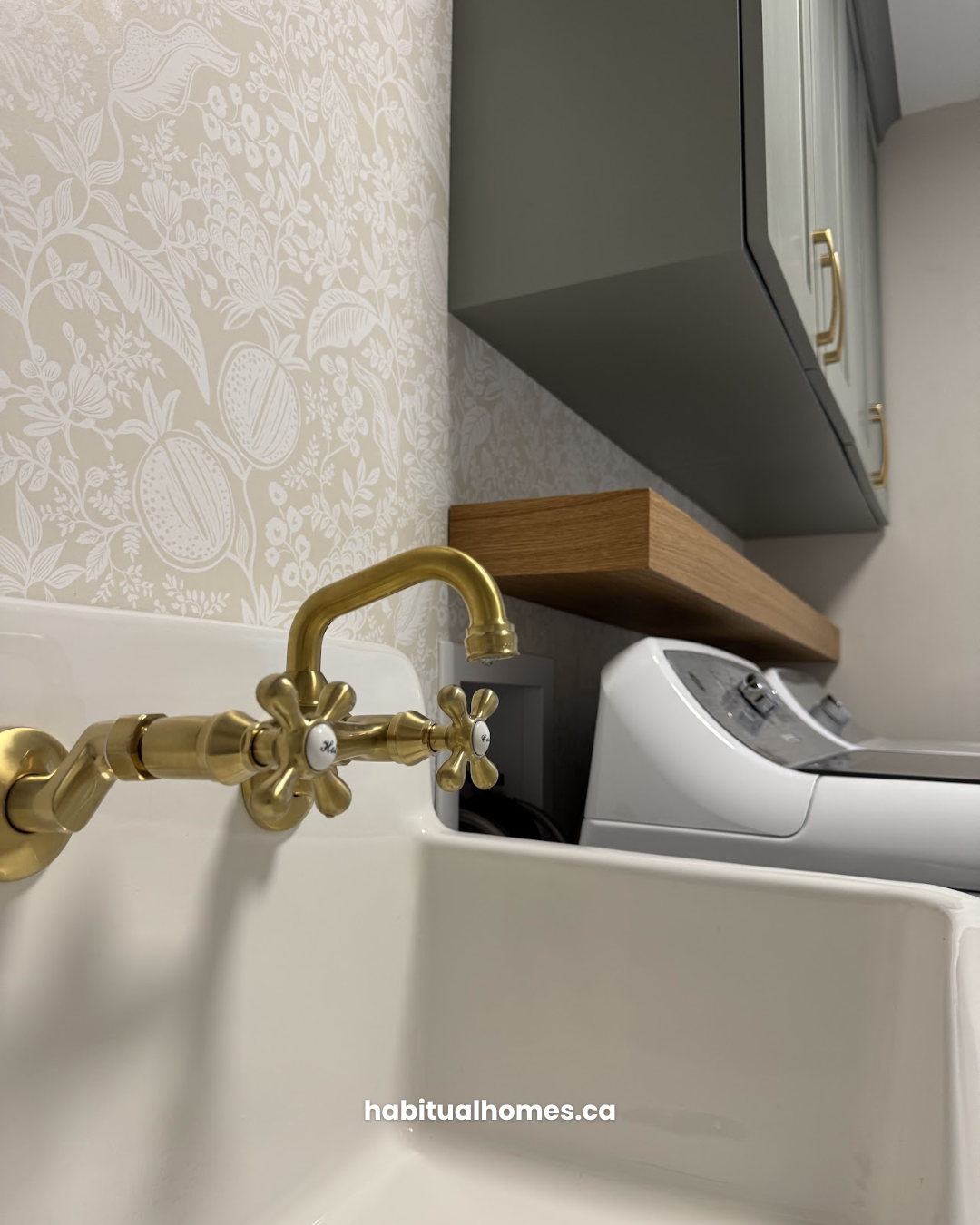
Hardware finish. Brass, antique brass, and aged brass play well with warm wood darks. Polished chrome and brushed nickel can work but feel cooler. Matte black hardware on dark cabinets disappears — pick something with contrast.
Lifestyle. Will you wipe down the cabinets weekly? If yes, dark works. If you’re someone who lets surfaces do their thing, lean lighter or accept the maintenance and budget for it mentally.
When dark cabinets are not the right call
Honest answer: dark cabinets are not always right.
Small kitchens with little natural light feel cramped with full dark. Kitchens with low ceilings (under eight feet) get the height issue exaggerated.Open-concept layouts where the kitchen visually connects to a small dining area can be dominated by dark cabinets. Households with high cleaning sensitivity — where you can see fingerprints from across the room and it bothers you — are better off with mid or light tones.
For these kitchens, light or medium tones (pale oak, painted off-white, soft greens) age just as well and reduce the daily visual maintenance to almost nothing.
FAQs about dark cabinets in Toronto kitchens
Are dark cabinets out of style?
No — they’re coming back, but in a different form than the 2010s espresso version. Today’s dark cabinets are warm wood tones with visible grain (walnut, white oak with brown stain), not painted MDF.
Do dark cabinets show fingerprints more than light cabinets?
Yes. Dark surfaces show every fingerprint, dust speck, and water spot. Matte finishes show less than gloss, but the contrast with skin oils means dark always shows more than light. If that’s a deal-breaker, lean toward medium tones.
Will dark cabinets make my kitchen feel small?
It depends on light, ceiling height, and counter/floor contrast. A small north-facing kitchen with eight-foot ceilings plus dark cabinets to the ceiling will feel small. The same room with dark lowers, light uppers, and a light counter can feel grounded without shrinking.
What’s the best dark wood for cabinets in a Toronto kitchen?
For aging well: walnut with natural finish, or white oak with a rich brown stain. Both have visible grain that reads as warm and timeless. Avoid espresso-painted MDF and cool gray-browns — those feel dated within five years.
Should I do upper and lower cabinets dark, or just the lowers?
For most Toronto kitchens — average size, average light — dark on the lowers and lighter on the uppers (or open shelving) works better than full dark. It anchors the room without closing it in. Full-dark works in larger kitchens with strong natural light or high ceilings.
Planning a kitchen renovation in Toronto?
We help homeowners in Toronto and the GTA think through these decisions before they get committed in millwork. Cabinet color is a 15-year decision — not one to make from a Pinterest board alone. We’d rather help you choose the right shade for your kitchen, your light, and your lifestyle than have you regret the espresso five years from now.
Look through our work at habitualhomes.ca/kitchen-renovation-toronto/, and reach out when you’re ready to start the conversation about your kitchen.
Related articles
5 Kitchen Cabinet Choices That Won’t Look Dated in 10 Years
The same “will this feel dated” thinking applied across five other cabinet choices — finish, hardware, profile, color, and layout.
Is It Better to Paint or Stain Kitchen Cabinets?
If you’re going dark, paint and stain produce very different results. The post breaks down when each works.
Should You Extend Kitchen Cabinets to the Ceiling?
The ceiling-height decision matters double when cabinets are dark — this post walks through the trade-offs in detail.