Here’s How We Transformed Tania’s Staircase Disaster into a Stunning Makeover
If you’re wondering, “Can you stain a staircase?” The answer is YES! Staining is a fantastic way to enhance the natural beauty of wood, refresh an outdated staircase, and give your home a modern, polished look.
But, as Tania found out the hard way, not all staining jobs are created equal.
Tania’s Staircase Nightmare – A Job Gone Wrong
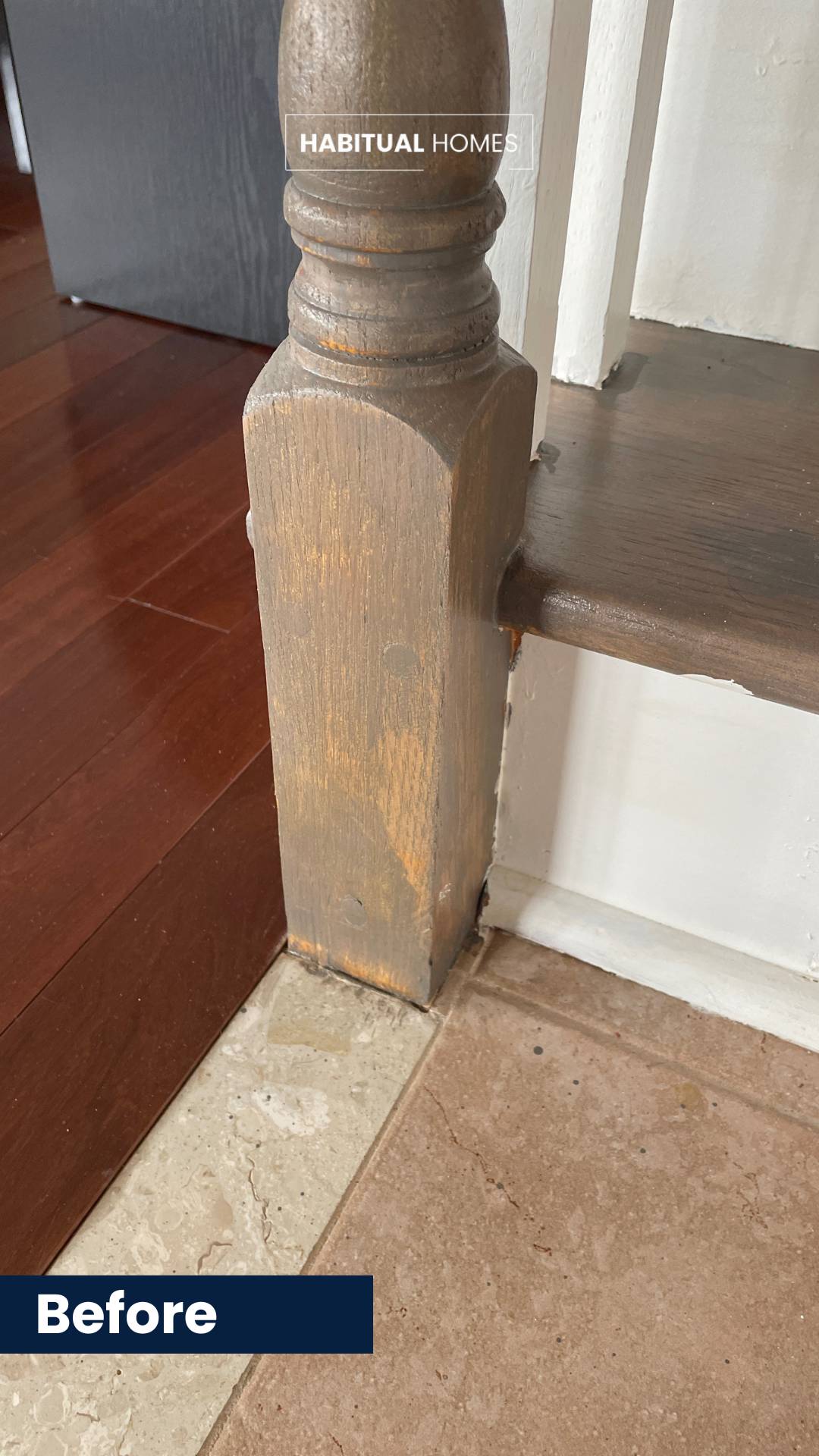
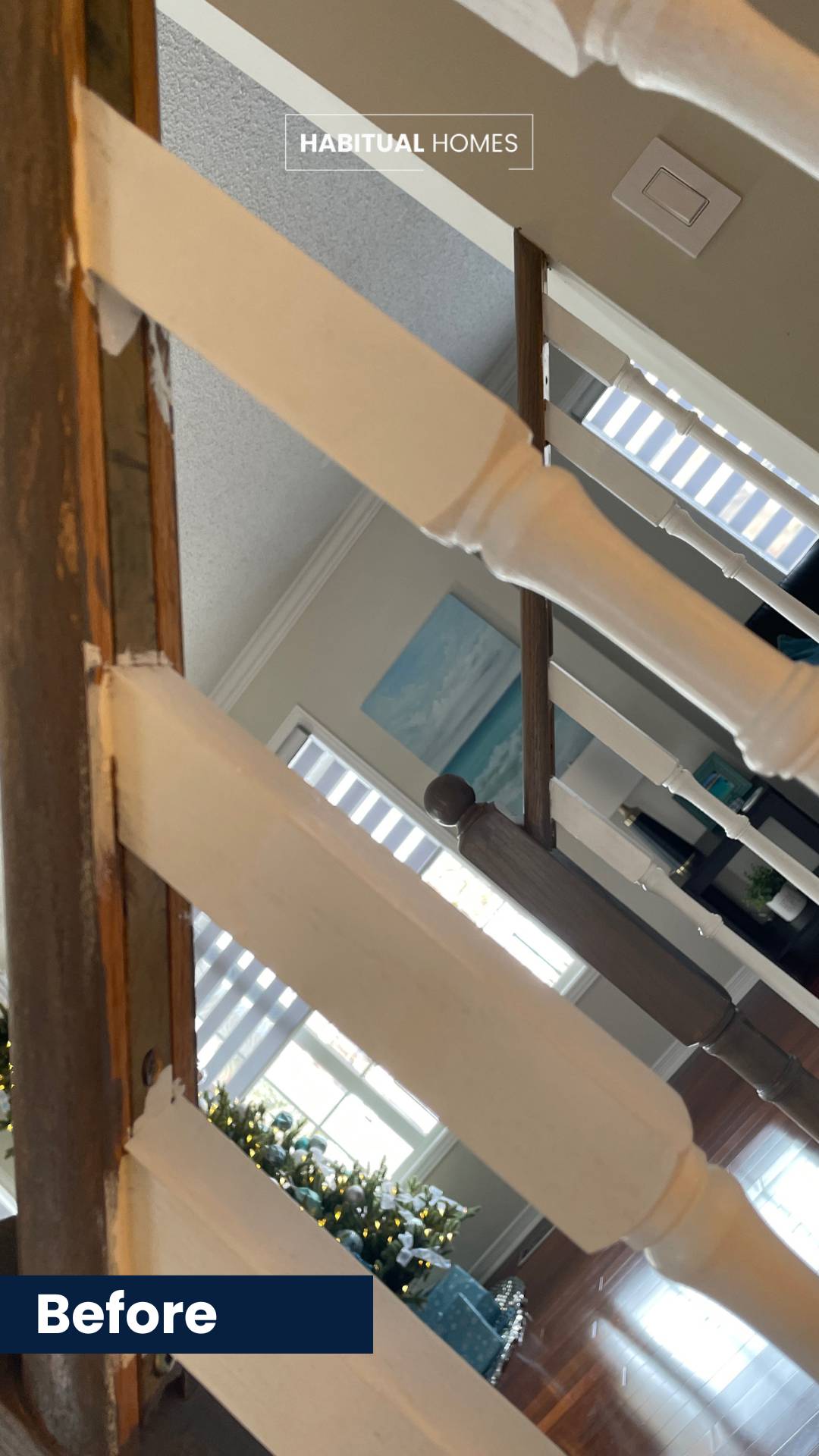
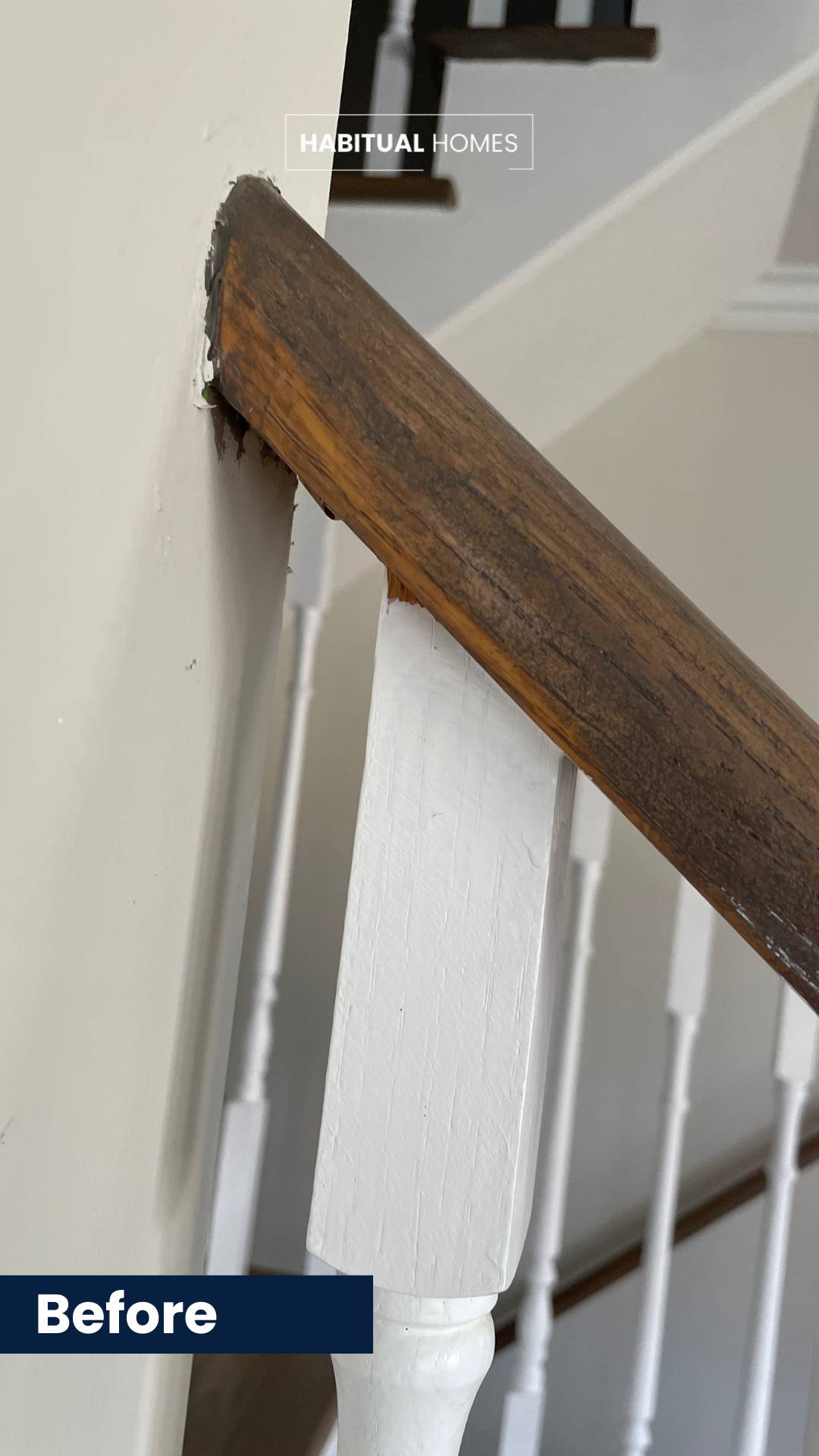
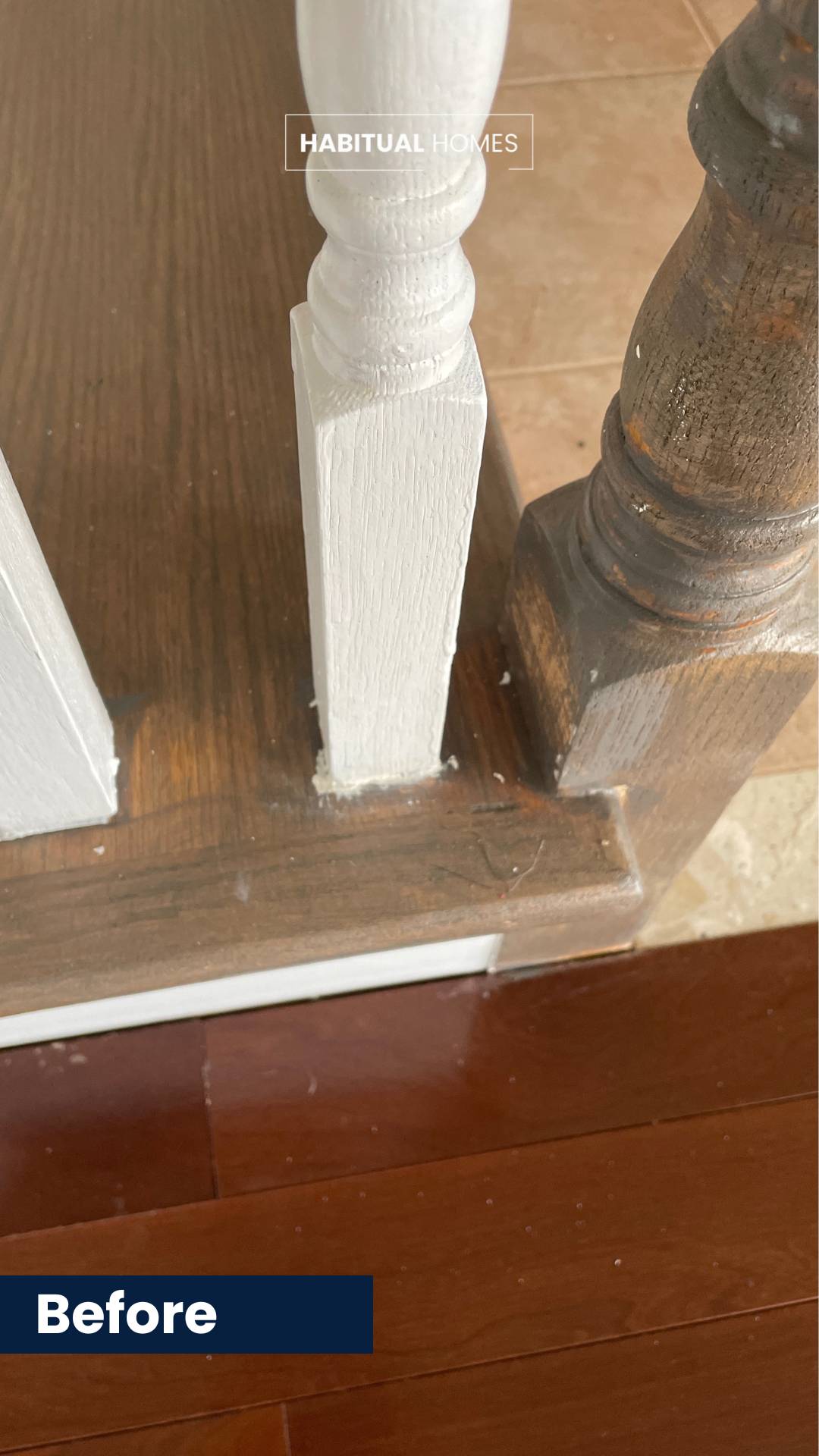
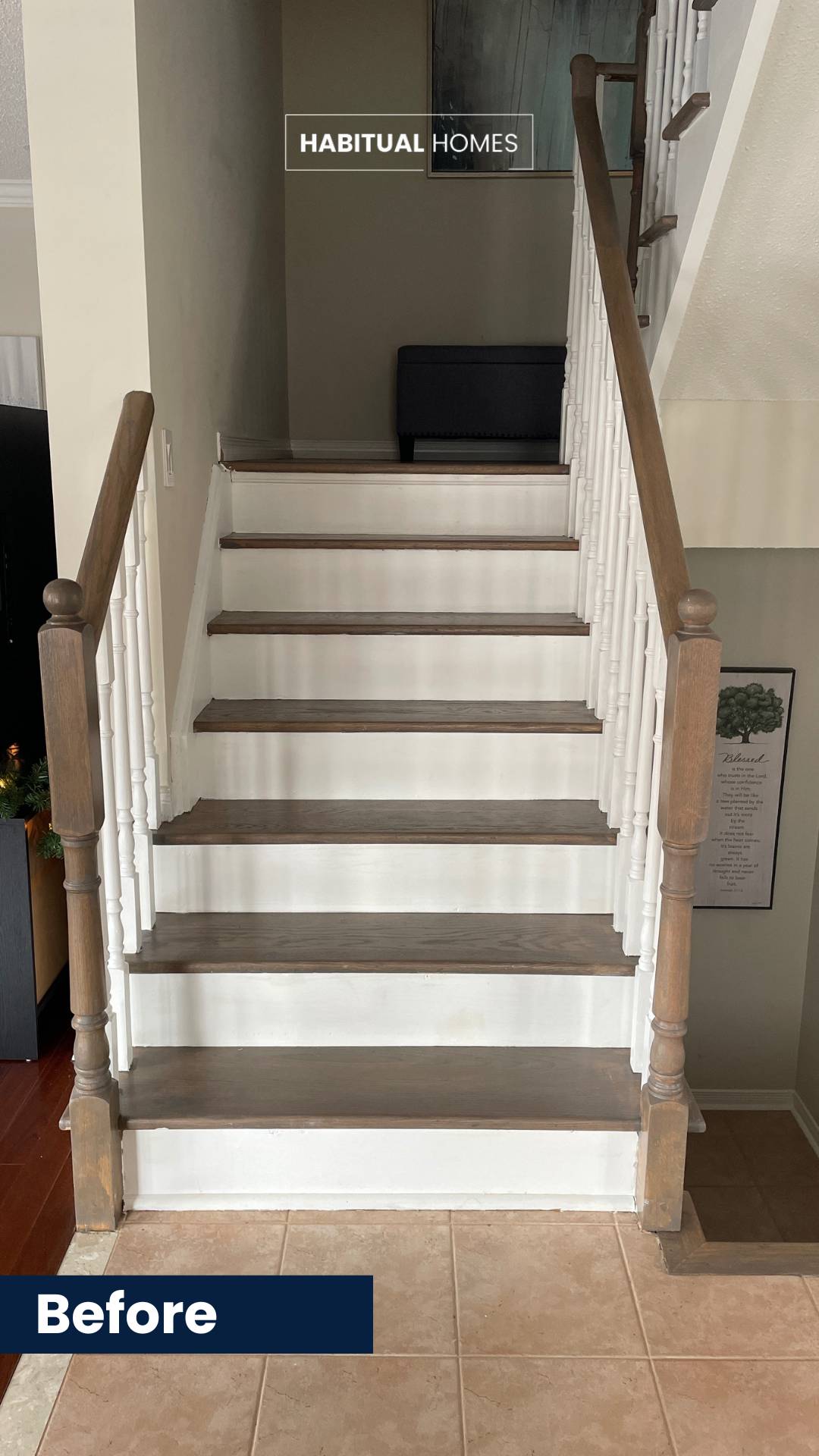
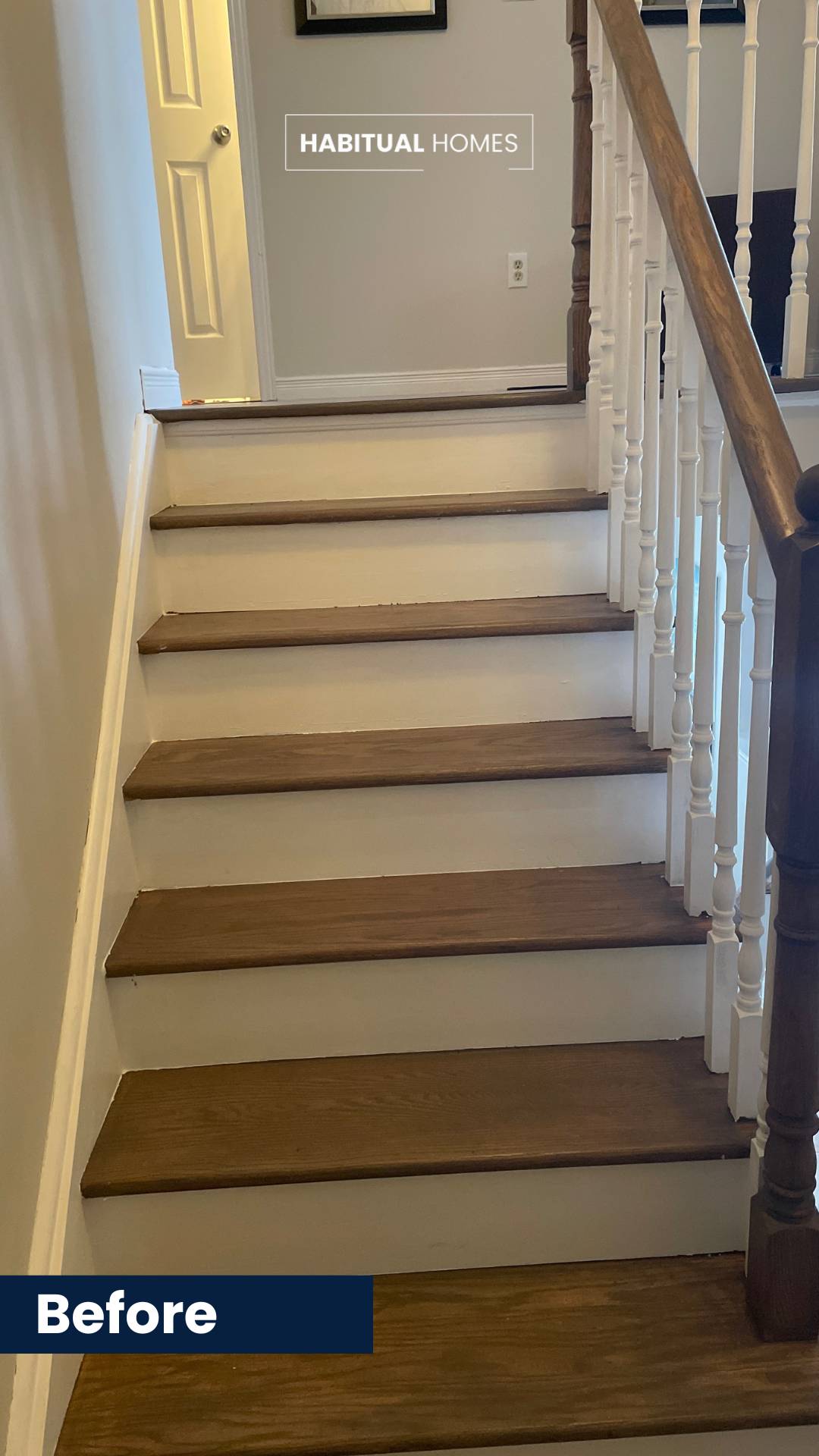
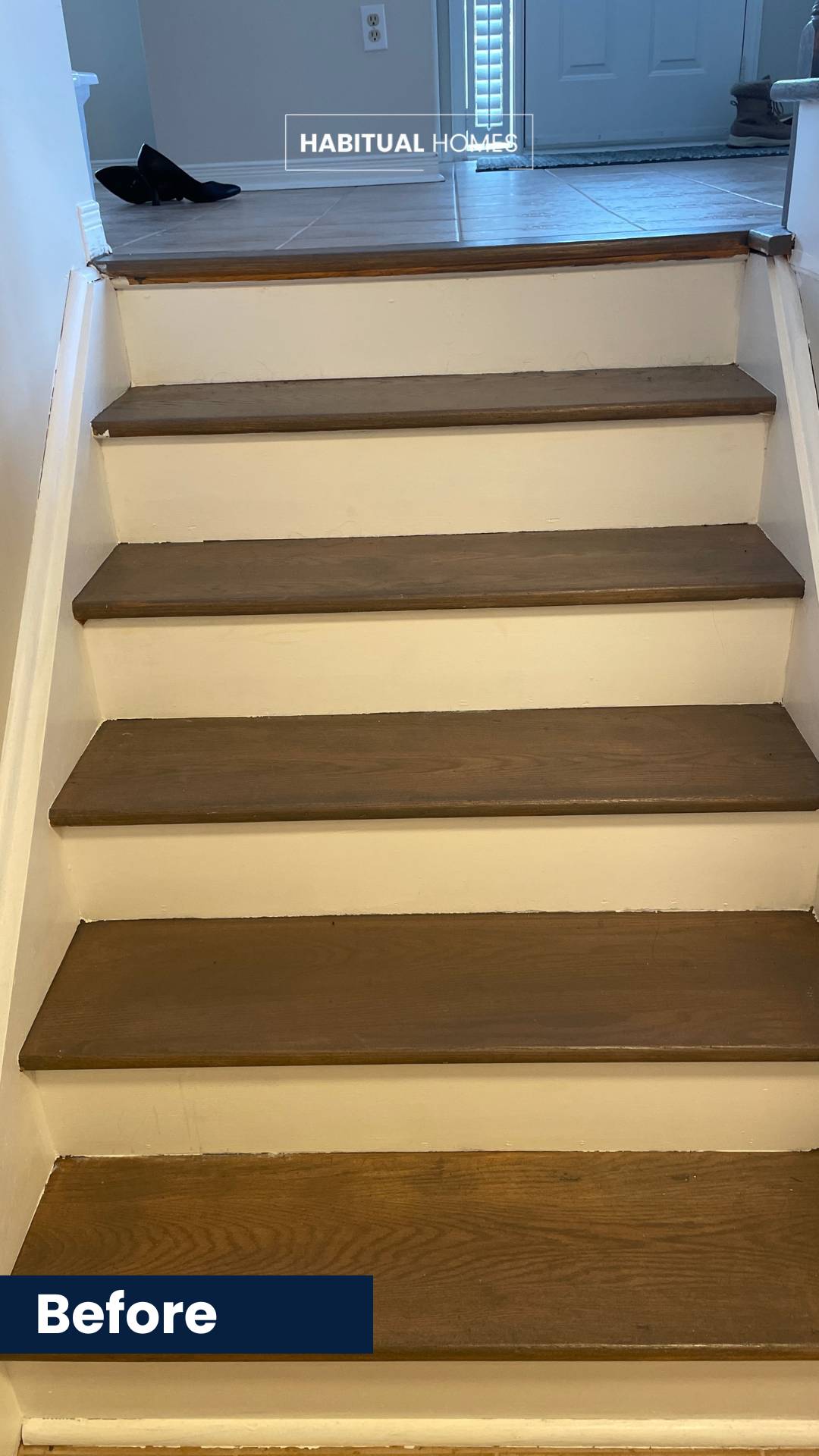
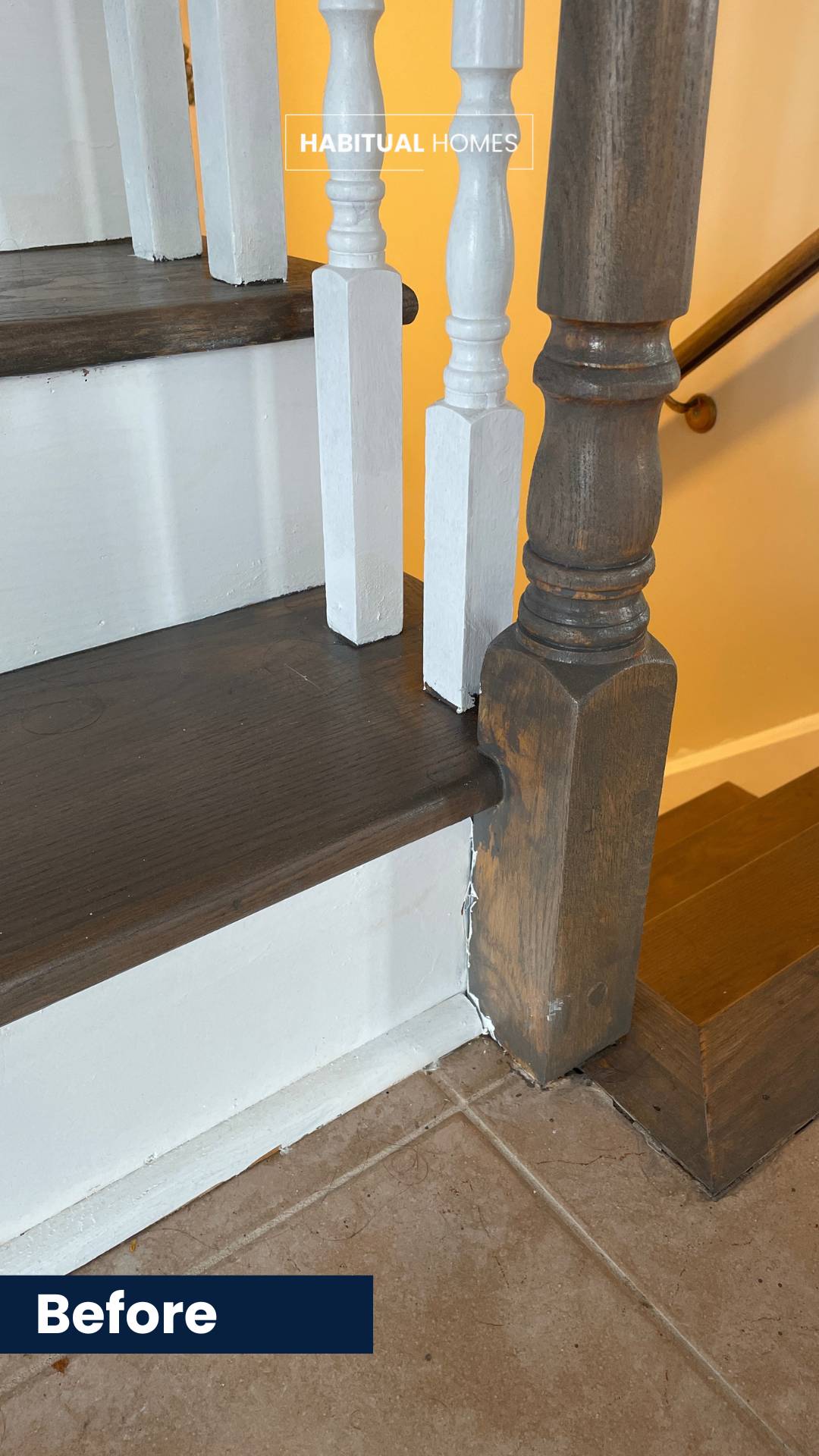
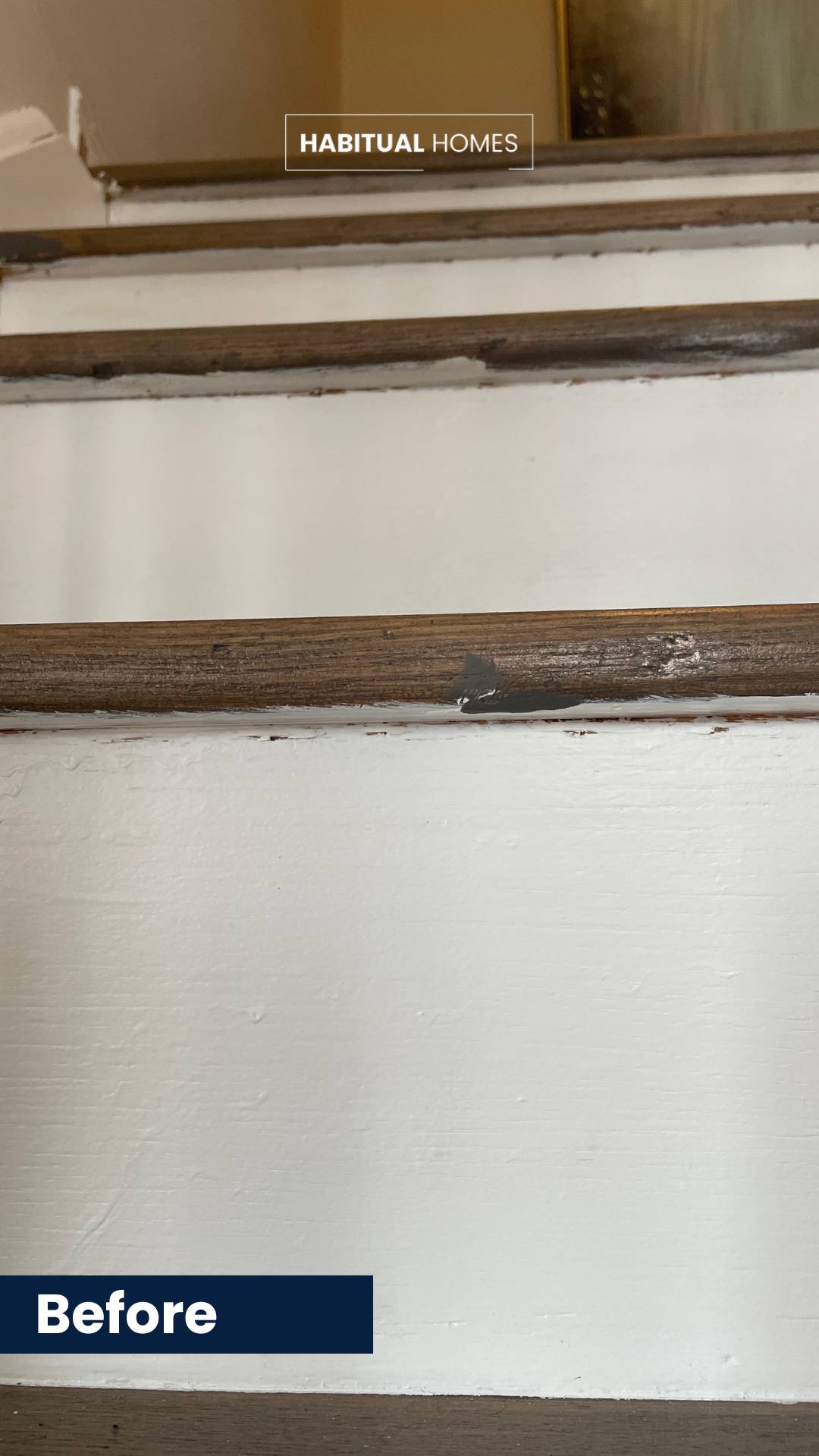
Tania wanted to refresh her staircase with a rich, elegant stain to match her home’s aesthetic. She hired a contractor to do the job, but instead of a beautiful transformation, she was left with:
❌ Uneven, blotchy stain that looked rushed and messy
❌ Visible brush marks and streaks that ruined the wood’s natural grain
❌ No proper sealing, leaving the stain vulnerable to wear and tear
She was frustrated, disappointed, and felt she had wasted money on a job that didn’t meet her expectations. That’s when she found Habitual Homes, and we assured her that we could fix it and do it right.
How We Fixed Tania’s Stained Staircase
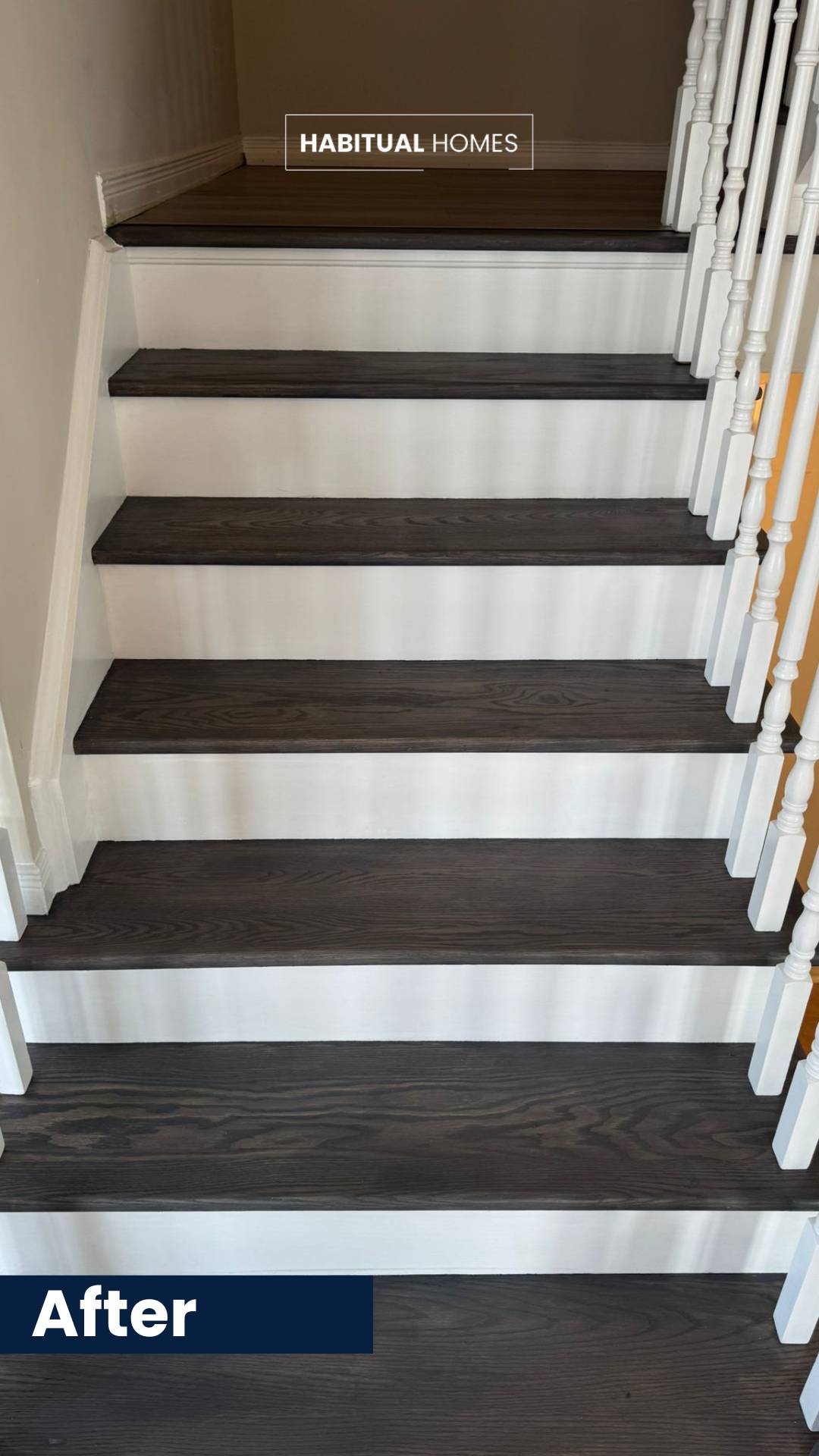
Our process was all about precision, attention to detail, and quality craftsmanship. Here’s how we rescued her staircase and gave it the stunning finish she originally wanted:
1️⃣ Sanding Down the Bad Stain
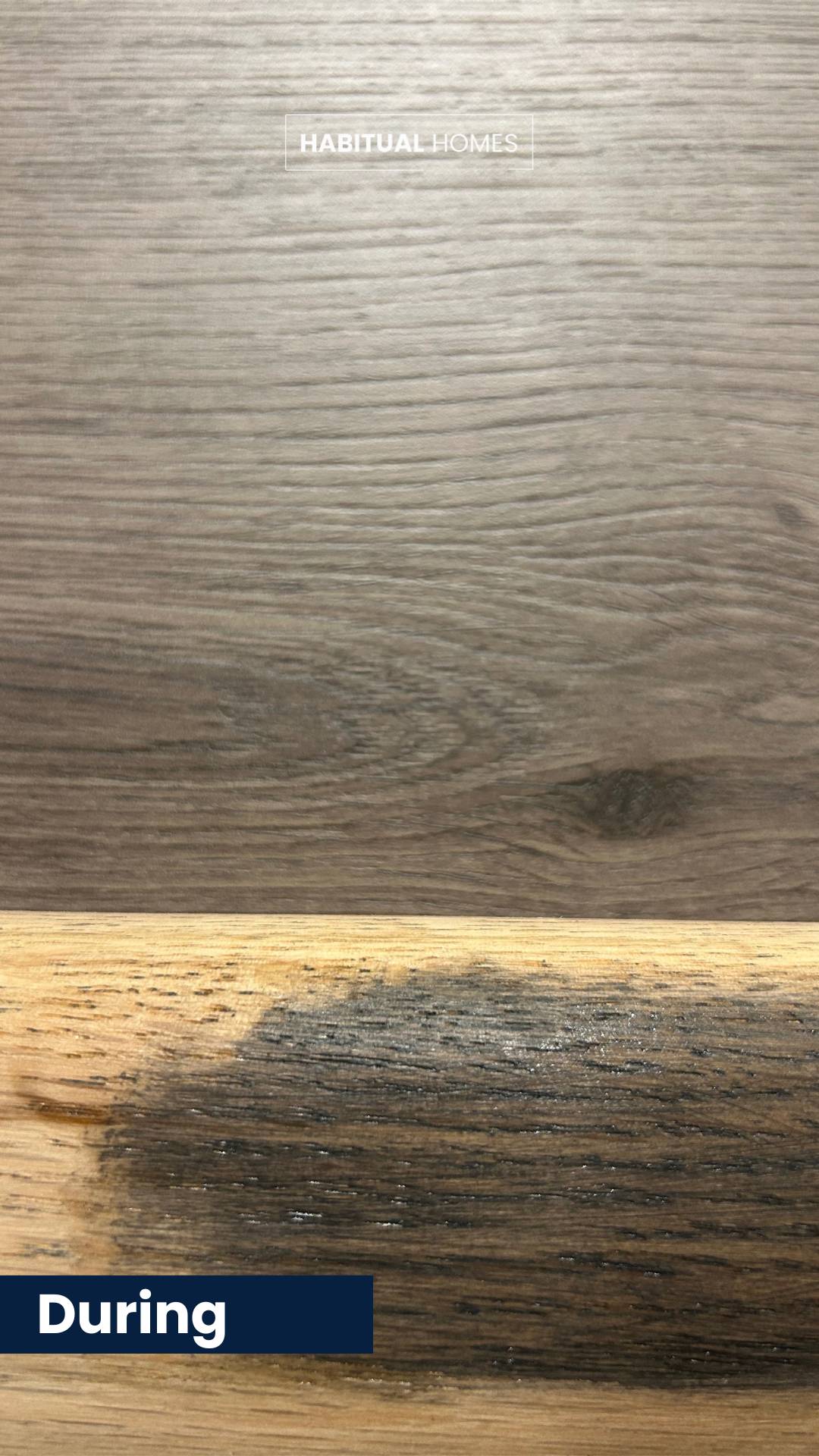
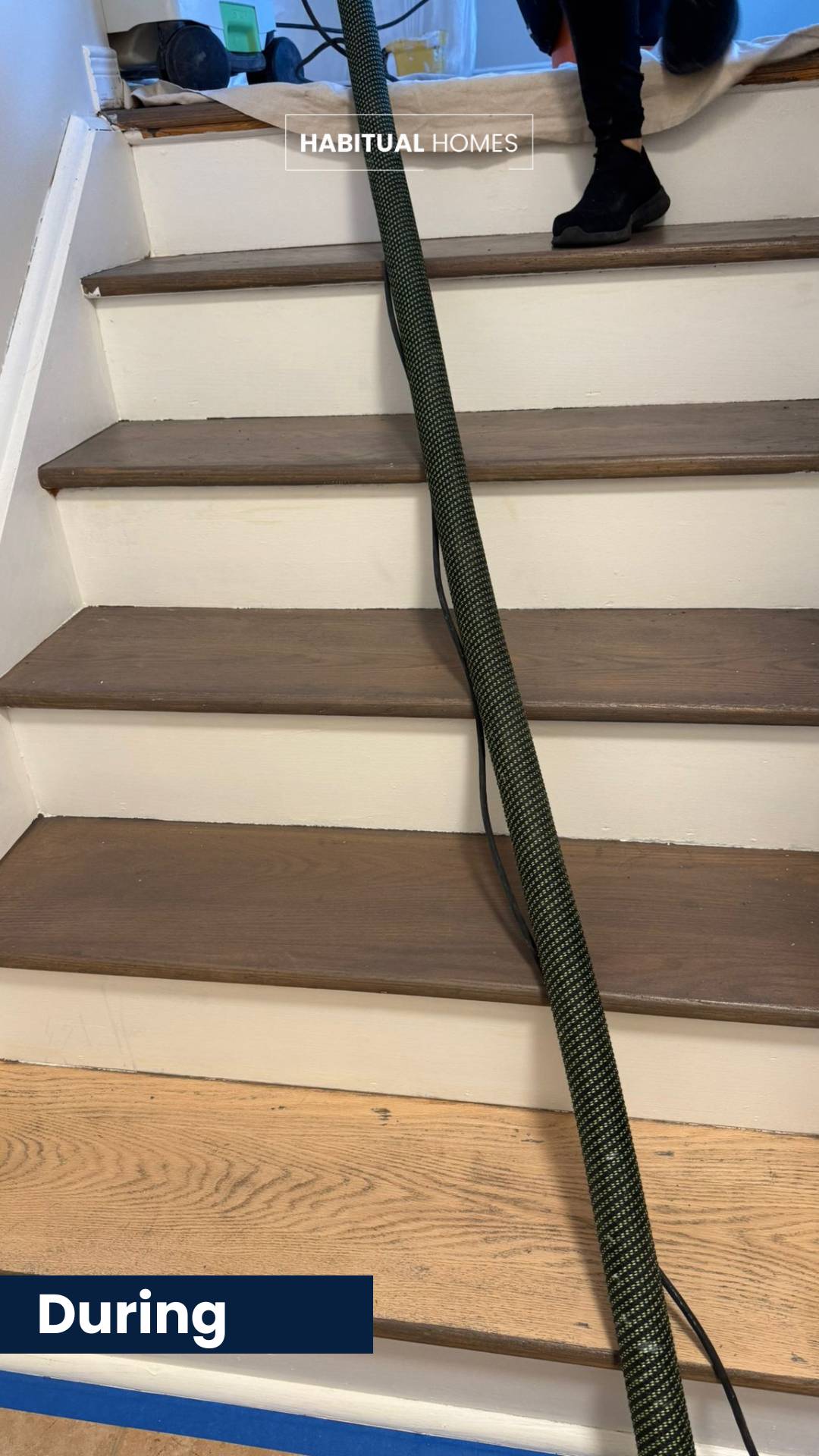
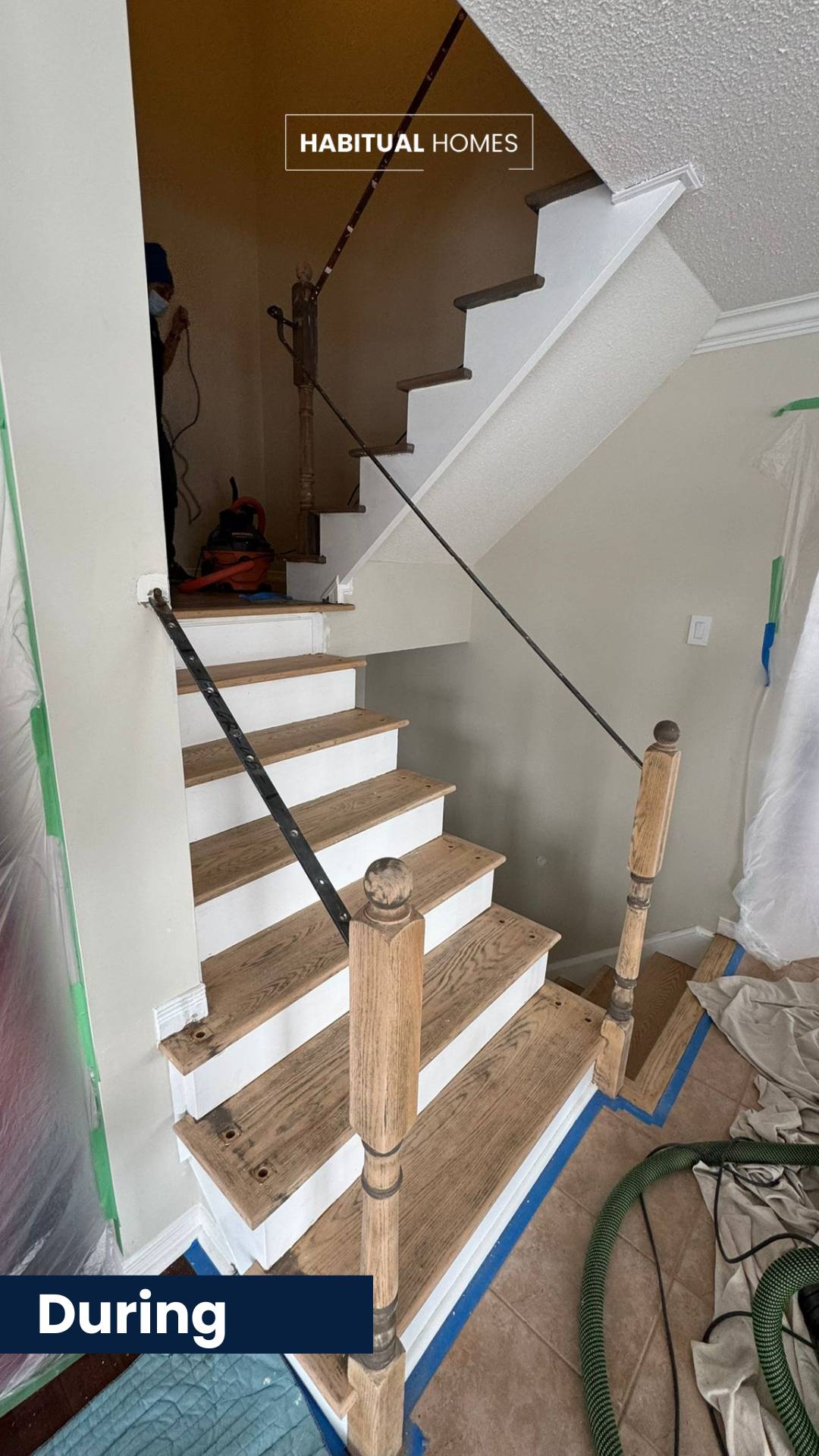
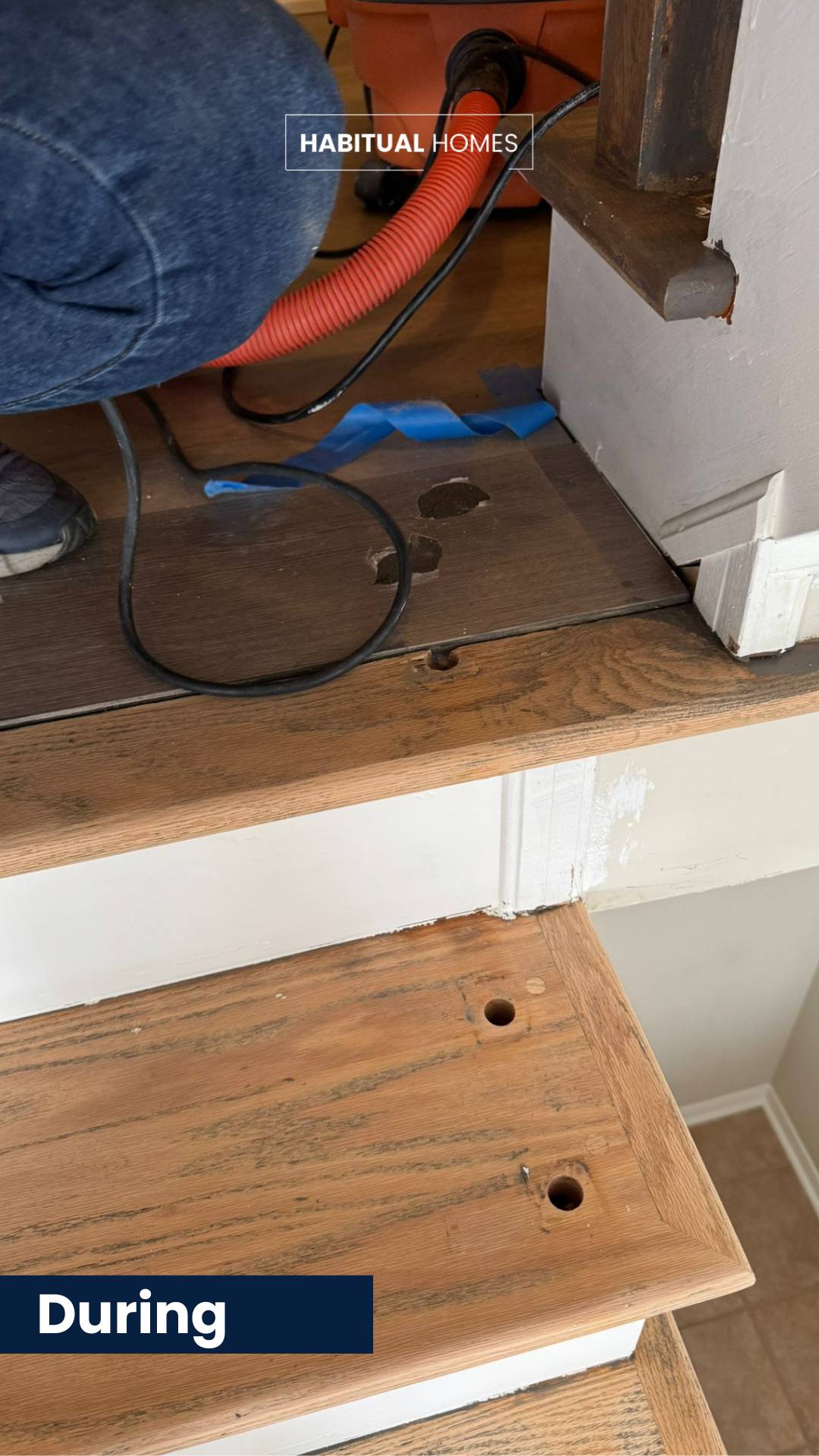
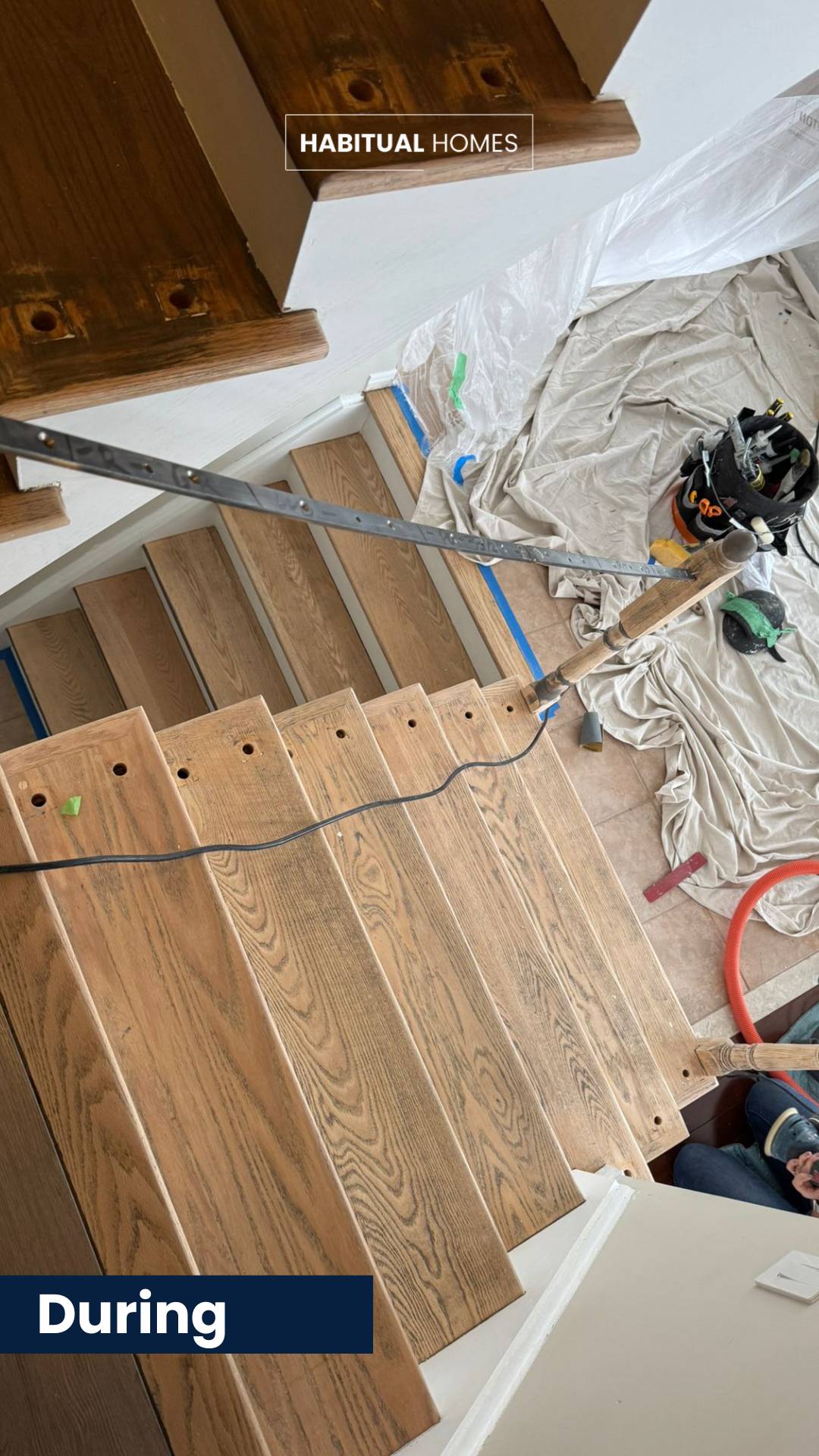
The first step was to remove the previous stain completely. We carefully sanded down the staircase to eliminate the uneven application and brush marks, creating a smooth, clean surface to work with.
2️⃣ Choosing the Right Stain Color
Tania wanted a warm, timeless finish that would enhance the wood’s natural beauty. We helped her select a high-quality stain that complemented her home’s flooring and décor.
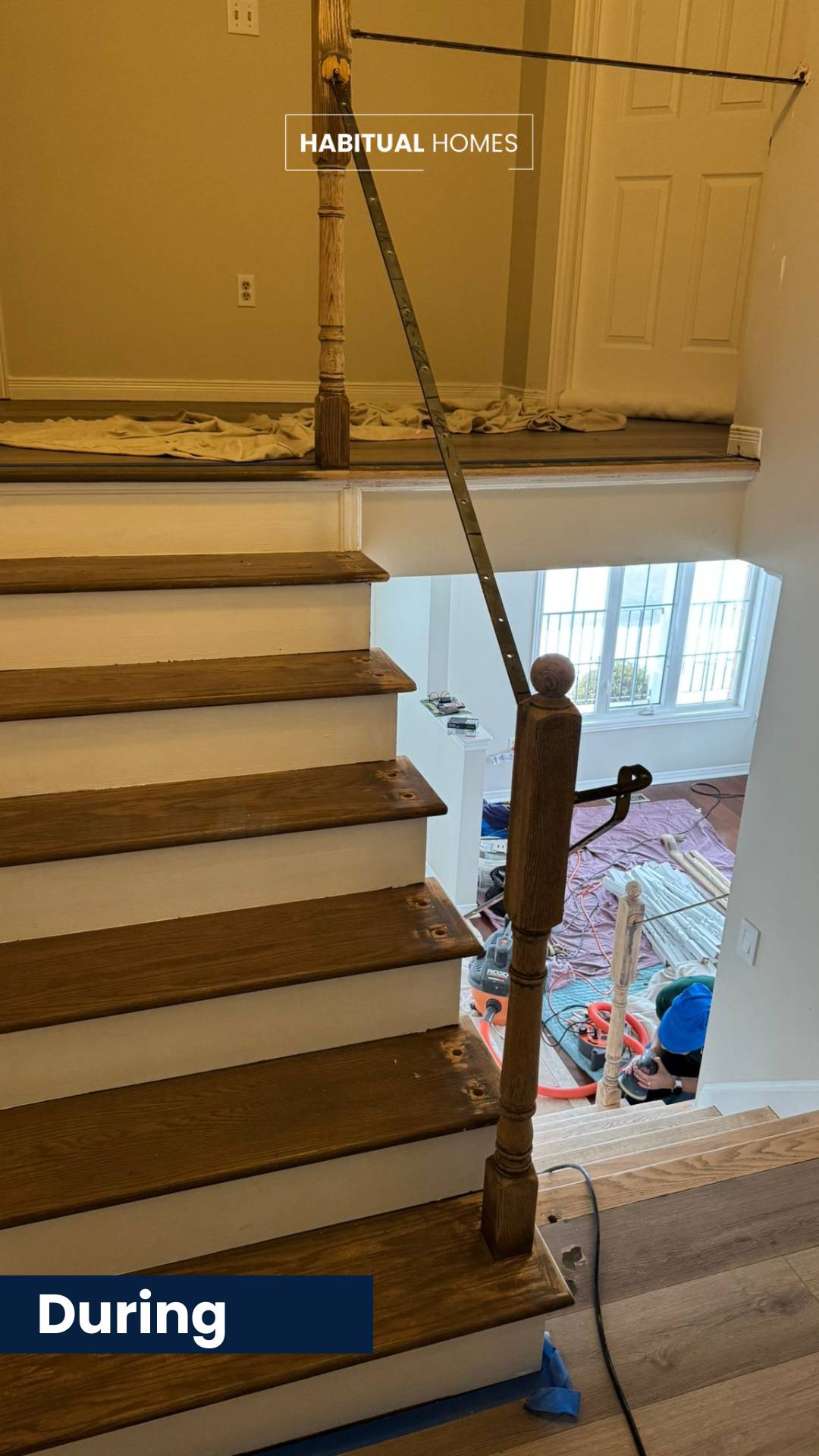
3️⃣ Professional Stain Application
Unlike the previous contractor, we used a precise staining technique to ensure:
✔ Even color distribution with no blotches or streaks
✔ Smooth, professional-grade finish
✔ Enhanced wood grain for a natural, high-end look
4️⃣ Sealing for Durability
One of the most important steps (which was skipped in the first attempt) is sealing the staircase. We applied a protective sealant to:
✔ Increase durability and prevent scratches
✔ Protect against daily wear and tear
✔ Ensure long-lasting beauty
Can You Stain a Staircase Yourself?
Technically, yes, but should you? Staining a staircase requires skill, patience, and the right materials to achieve a flawless, professional look. If done incorrectly, you can end up with blotchy results, uneven color, or peeling stain—just like Tania experienced.
Why Hire a Professional?
✔ Even, streak-free application
✔ Long-lasting finish that won’t fade or peel
✔ Proper sealing for durability
✔ Less mess, less stress!
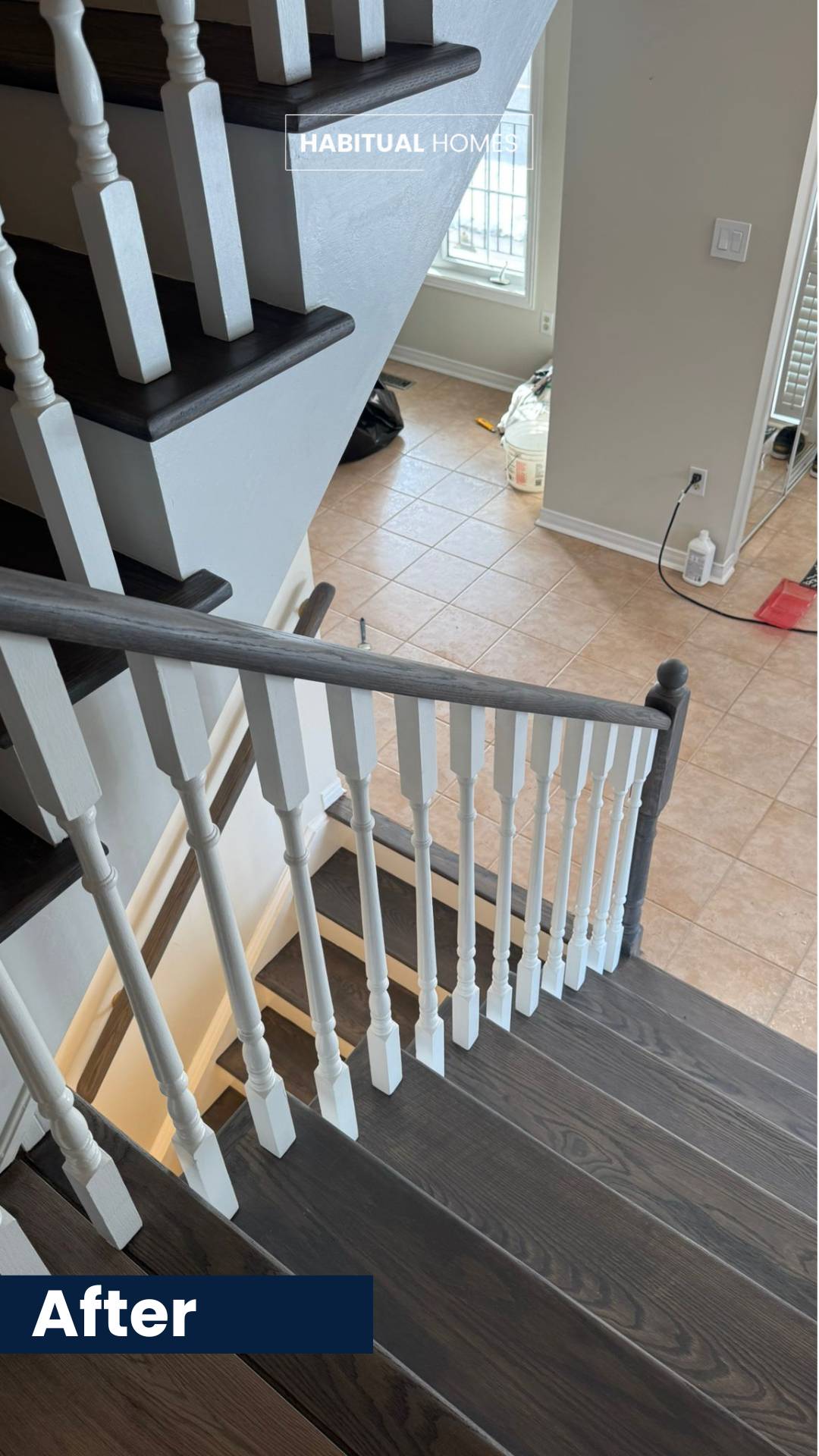
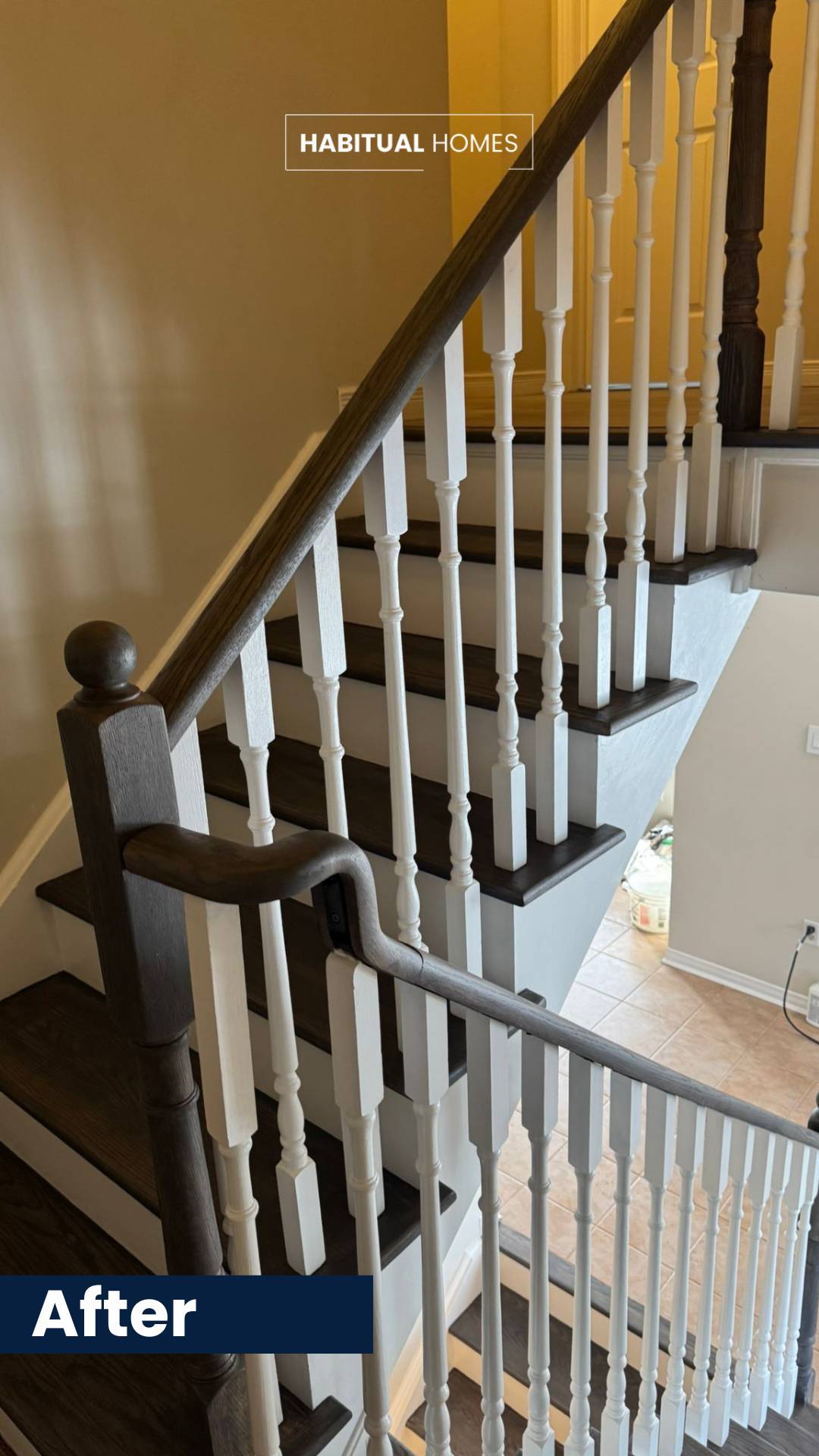
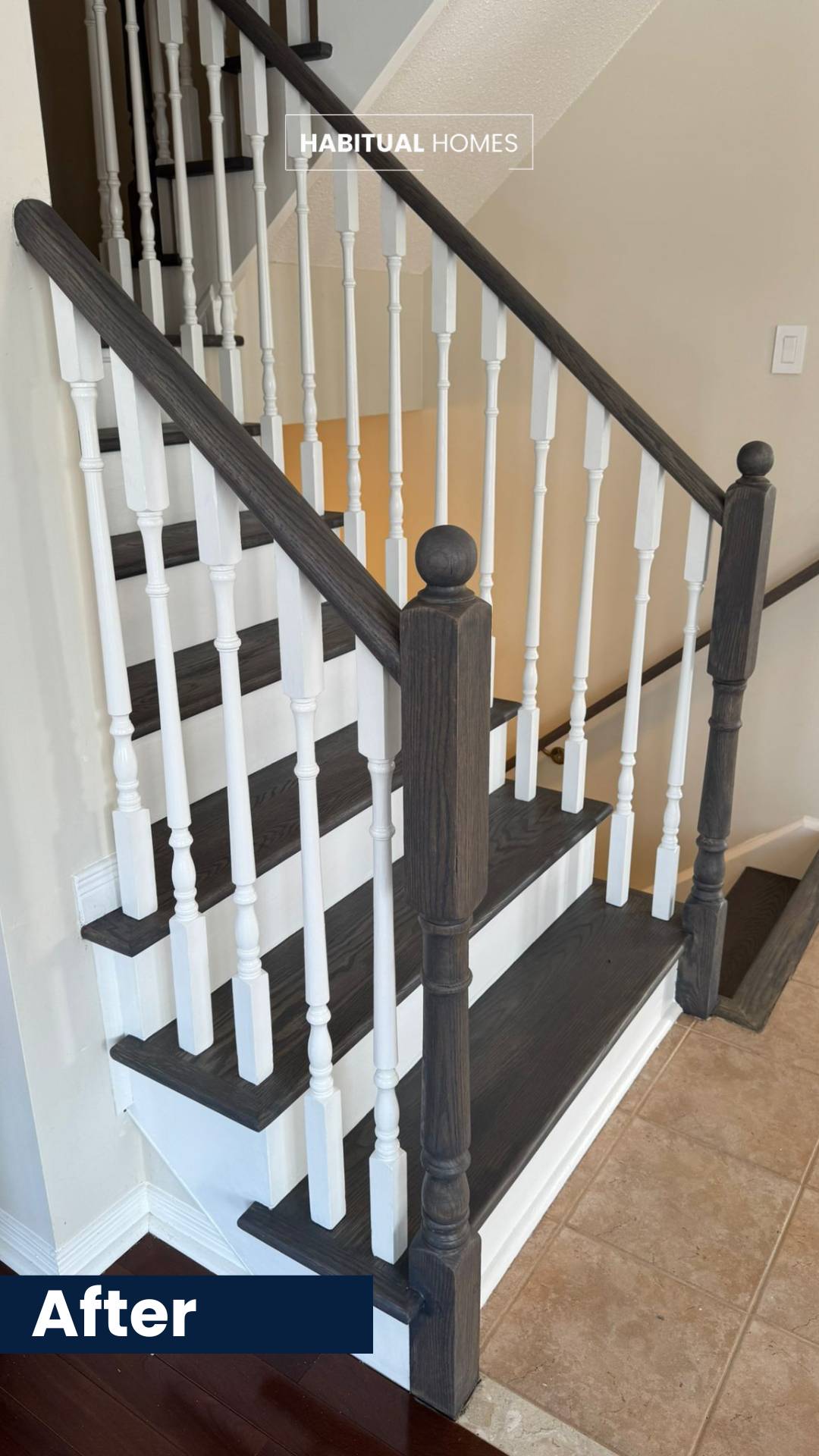
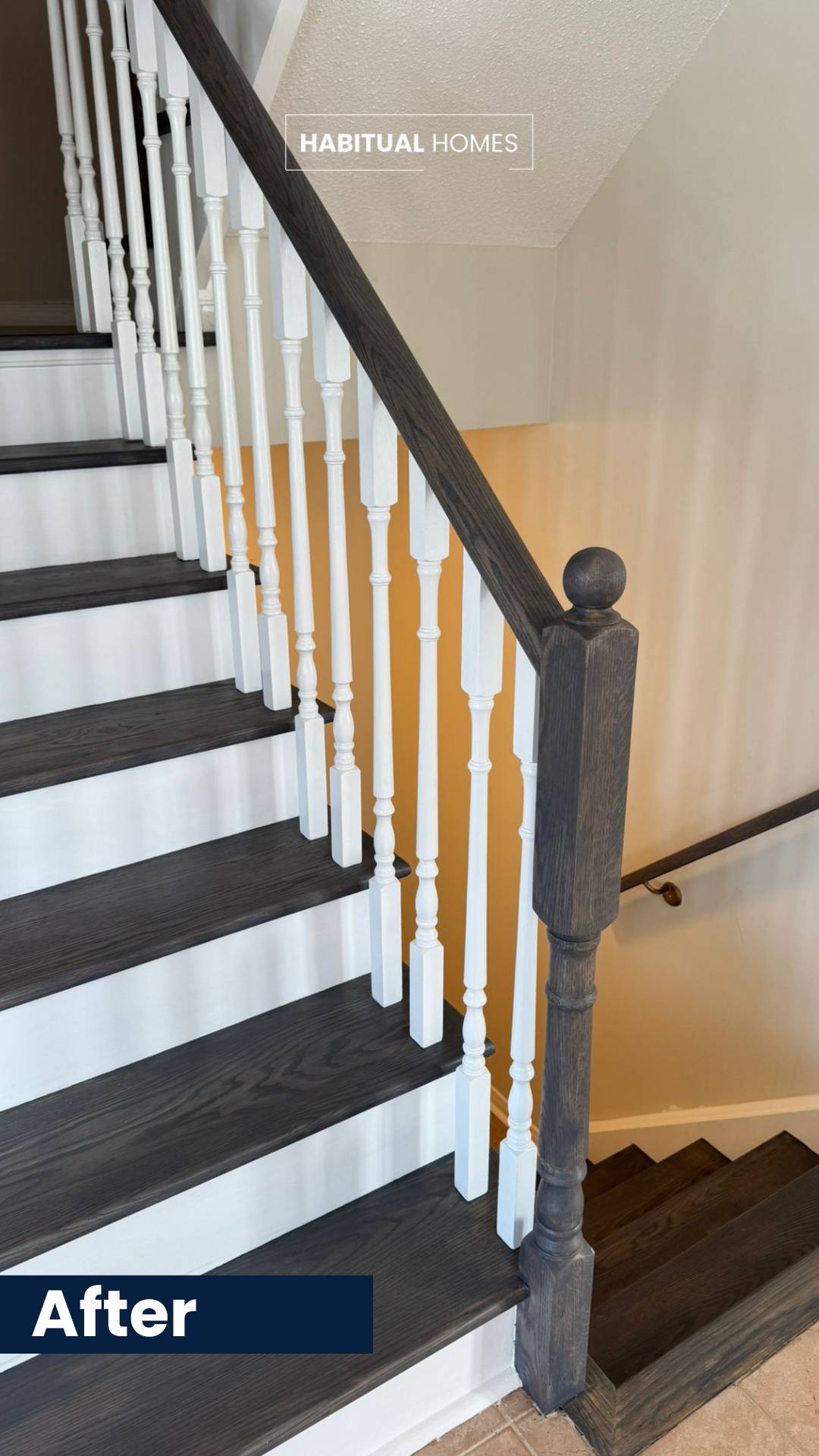
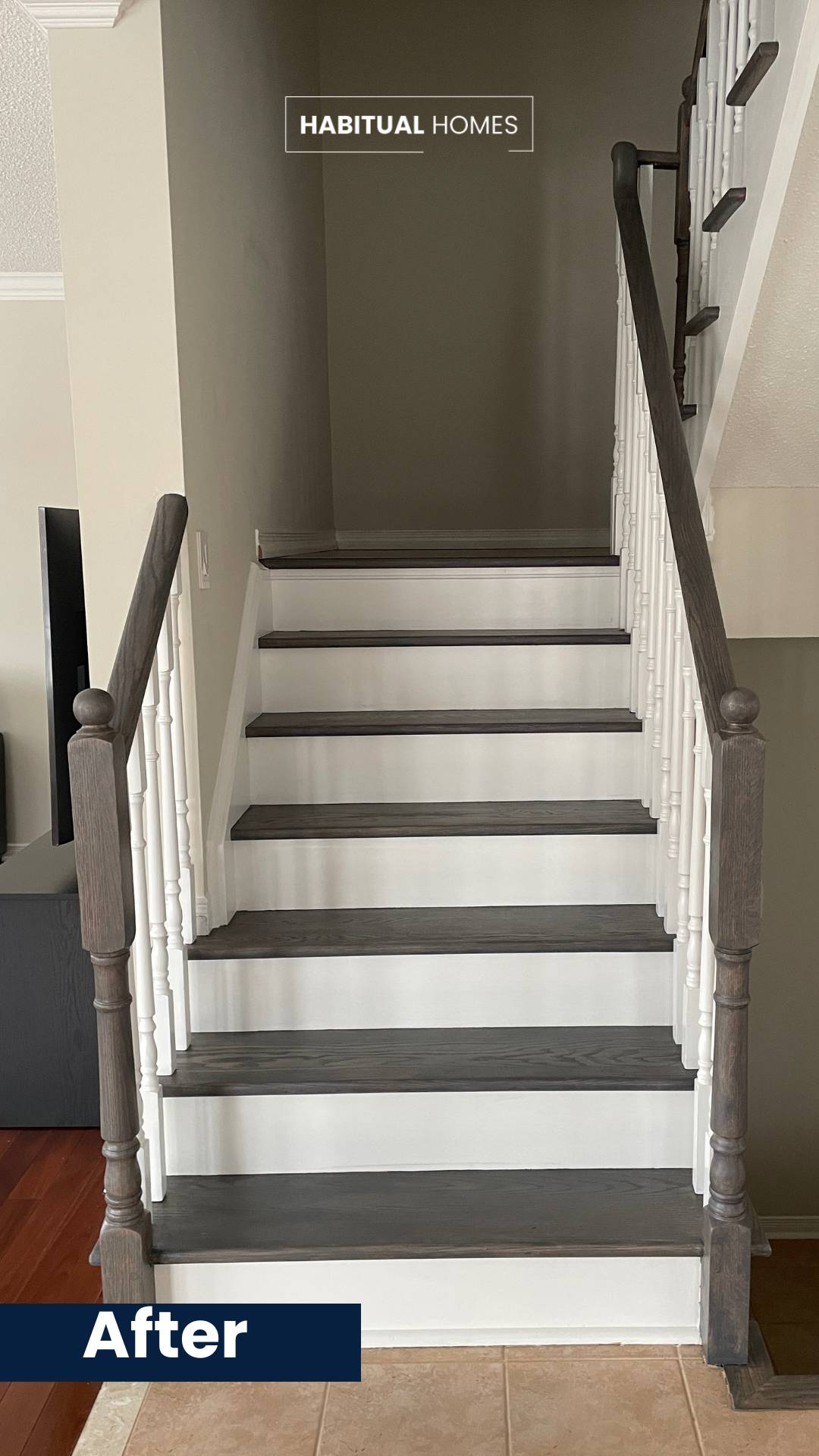
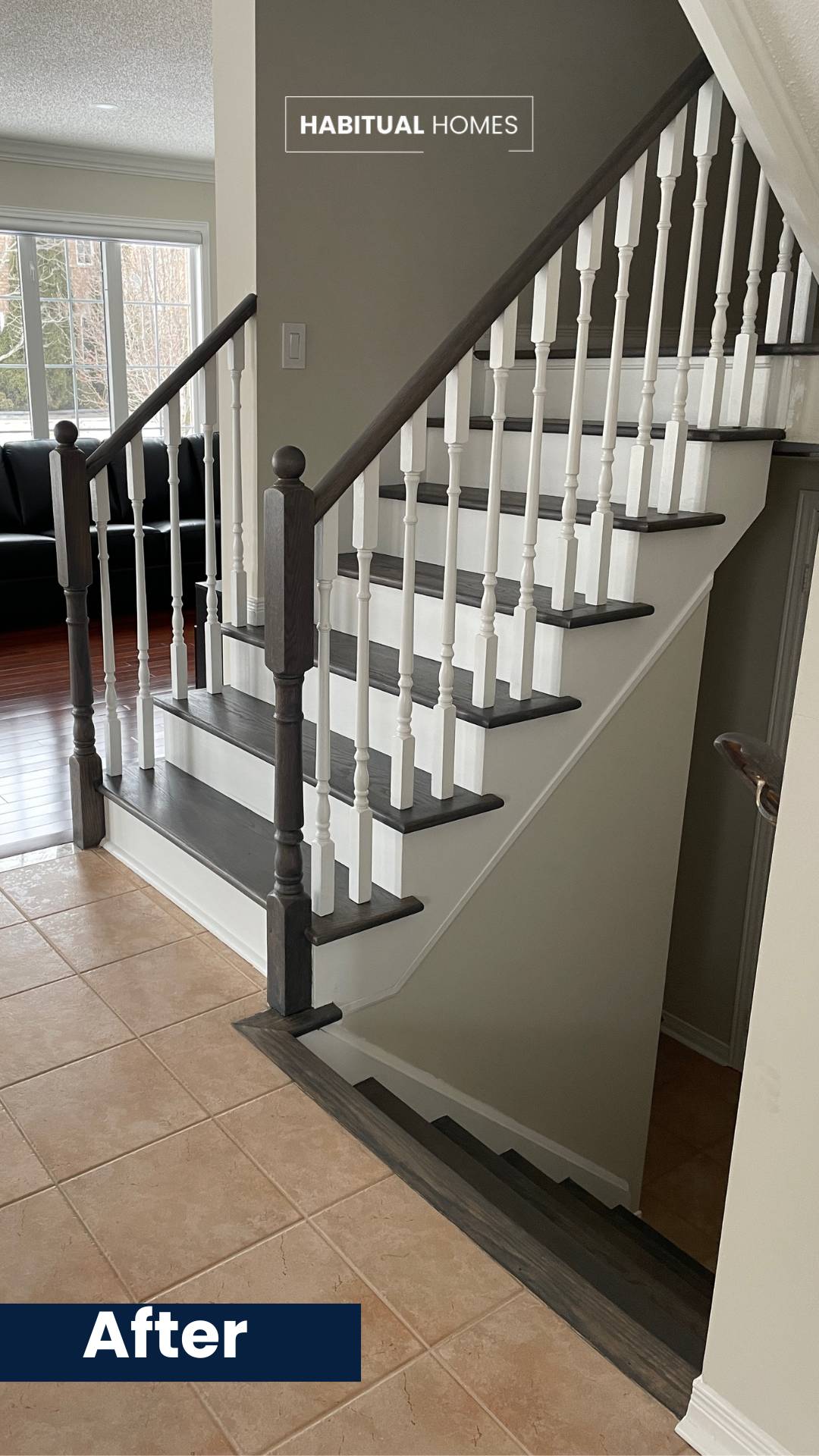
Tania’s Final Results – A Stunning Transformation!
The before-and-after difference was incredible! Tania’s staircase went from frustrating mistake to flawless masterpiece. She was thrilled with the results and finally had the elegant, professionally finished staircase she originally envisioned.
✨ Smooth, even stain with no streaks
✨ A rich, modern color that enhances the wood
✨ Durability that will last for years
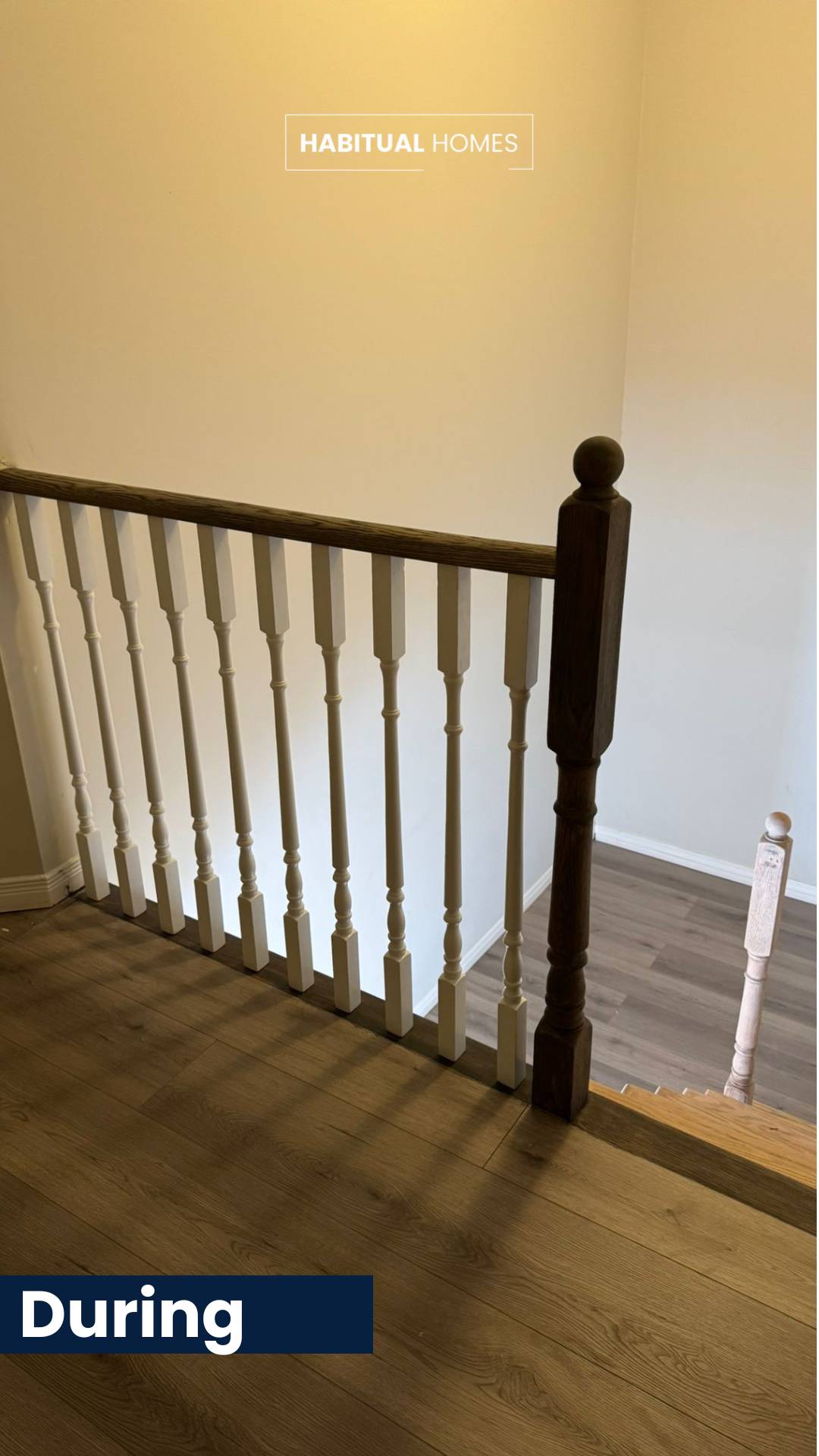
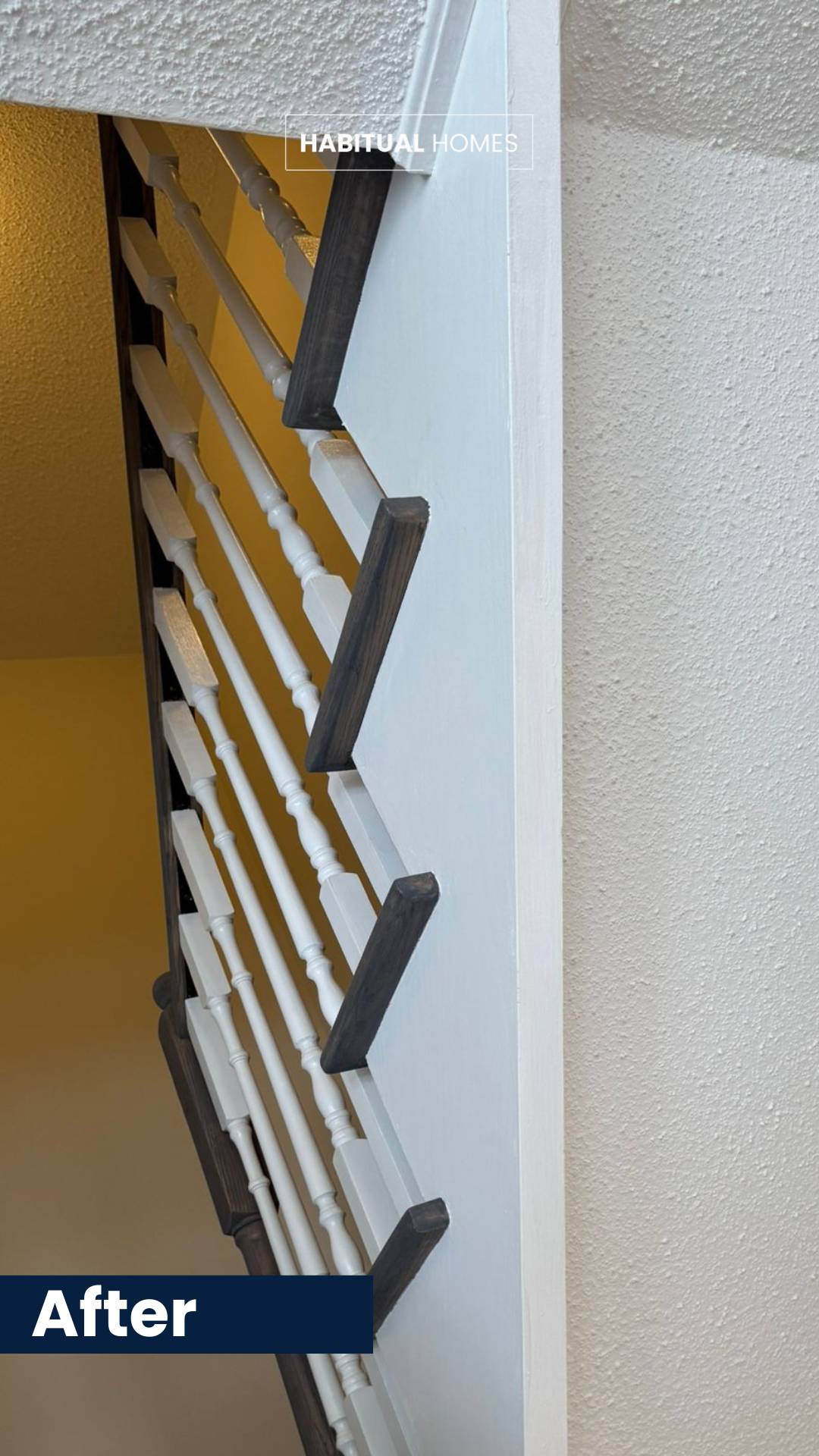
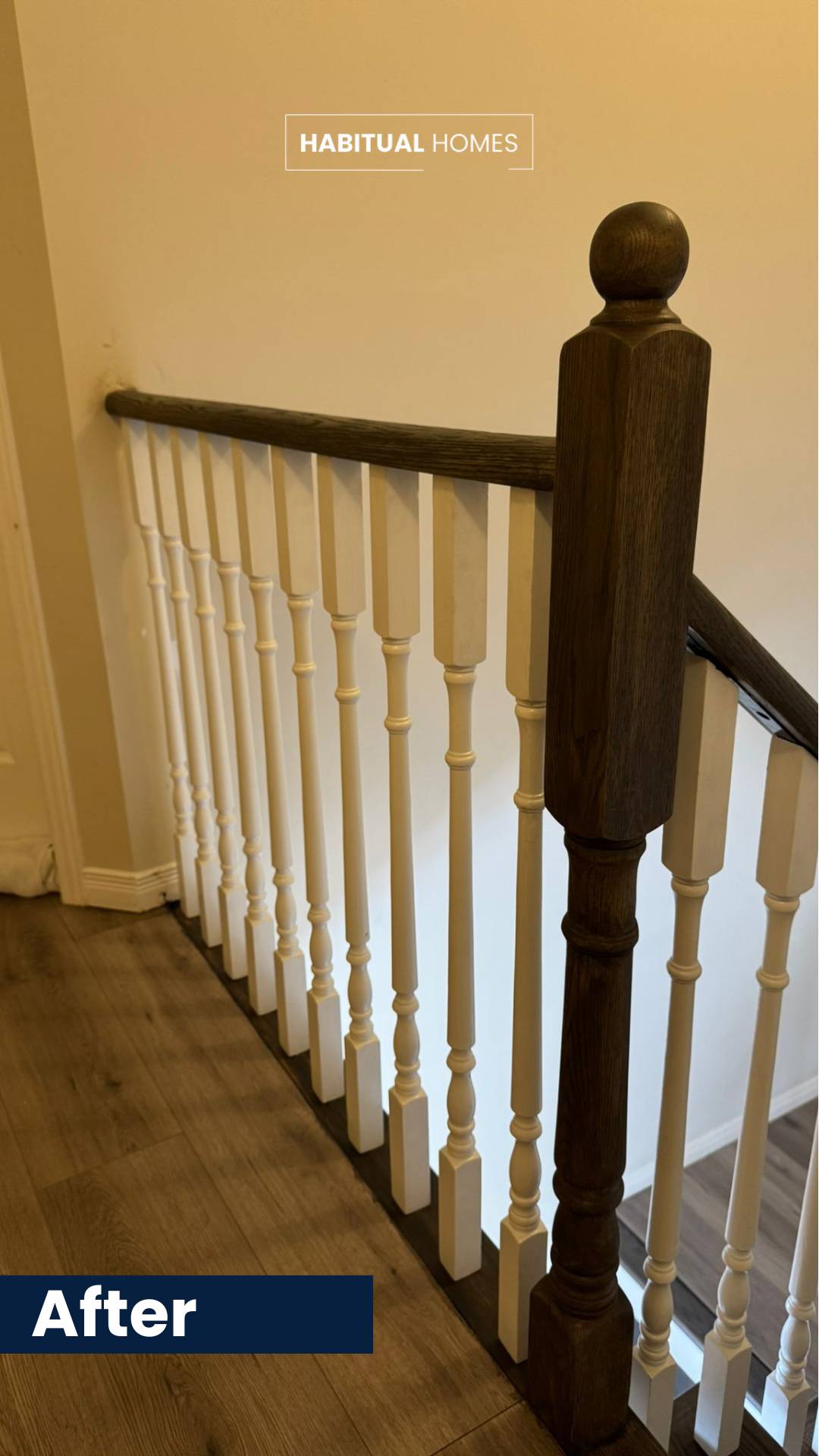
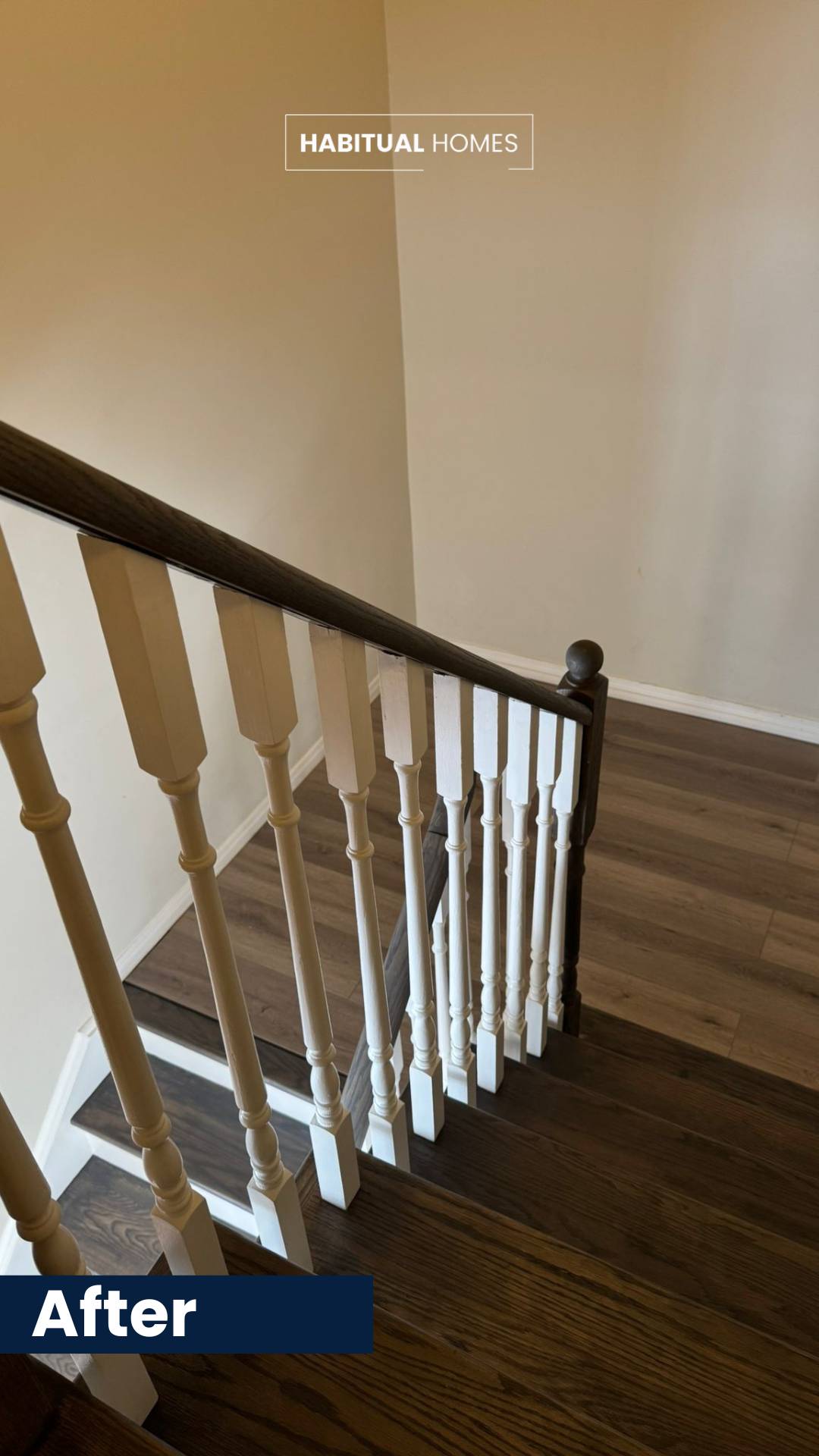

Thinking About Staining Your Staircase? Let’s Do It Right!
If your staircase is worn out, outdated, or poorly finished, we can help! Don’t risk a DIY disaster or a rushed contractor job—hire experts who will get it right the first time.
📞 Contact us today to discuss your staircase renovation in Toronto & the GTA.
Frequently Asked Questions – Staining a Wood Staircase in Toronto
1. Can I stain a staircase for the first time, or do I need professional help?
Yes, you can stain a staircase yourself, but it requires prep work, the right materials, and patience. If it’s your first time, hiring a professional ensures an even, long-lasting finish.
2. What is the best stain for a wood staircase?
Popular choices include dark stain for a rich, modern look or antique walnut gel stain for a timeless finish. Gel stains provide even coverage and are great for beginners.
3. How do I prepare my staircase for staining?
✔ Remove old stain or paint using a chemical stripper
✔ Fill cracks or gaps with wood filler
✔ Sand using medium-grit sandpaper
✔ Clean dust with a tack cloth before staining
4. Do I need a second coat of stain?
Be careful! A second coat of stain helps deepen the color and even out any inconsistencies. Much stain can lead to blotchiness, so applying thin layers is best.
5. What’s the best finish for a stained staircase?
A satin finish offers a low sheen with durability, while coats of polyurethane provide extra protection against scratches and wear.
6. How long does it take for staircase stain to dry?
Dry time varies, but gel stain typically takes 24-48 hours before sealing. A thin layer dries faster, while multiple coats extend drying time.
7. Can I stain wood stairs with white risers?
Yes! White risers with dark wood tones create a classic, high-contrast look that many homeowners love.
8. Should I use painter’s tape during staircase staining?
Absolutely! Painter’s tape helps protect white risers, walls, and trim from accidental staining.
9. Can I stain a staircase if I have carpet runners?
Yes! If you plan to keep a carpet runner, stain only the visible wood areas and allow proper drying before reinstalling the runner.
10. How many coats of polyurethane do I need for my staircase?
Typically, 2-3 coats of polyurethane provide the best protection and durability.
11. What is the best way to apply stain to stairs?
Using a foam brush or lint-free cloth allows for smooth application and prevents streaks.
12. Can I stain over an old staircase finish?
It’s best to remove the old finish using a chemical stripper and sanding before applying new stain for an even, professional look.
13. How can I stain a staircase without strong fumes?
Use low-VOC stains, ensure proper ventilation, and consider using a heat gun to speed up drying in well-ventilated areas.
14. What’s the best stain for an old house staircase?
For older homes, antique walnut gel stain enhances vintage wood grain while maintaining a natural look.
15. Can I stain just part of my staircase?
Yes! You can stain just the treads while keeping the risers white or refresh worn-out steps without redoing the entire staircase.
16. How do I avoid blotchy stain on wood stairs?
✔ Always sand properly
✔ Apply thin, even layers
✔ Use gel stain for more controlled application
17. What’s the best approach for staining banisters?
Use a foam brush or lint-free cloth for smooth application and finish with polyurethane for added protection.
18. Should I stain my entire staircase at once?
If possible, yes! But if the staircase is in use, stain every other step so you can still walk up and down while it dries.
19. Can I stain a staircase in tight spaces?
Yes! Using a small foam brush or cloth helps with precision in tight spaces and corners.
20. How do I maintain my newly stained staircase?
✔ Clean with a damp microfiber cloth
✔ Avoid harsh cleaners
✔ Apply a fresh coat of polyurethane every few years for durability