How to choose materials and finishes for your built-in units starts with understanding your practical needs, matching them with durable materials, and selecting finishes that fit your overall design and color scheme.
The best way to choose materials and finishes for your built-in units is to start with your practical needs, match them with the right materials for durability and maintenance, then select finishes that complement your overall design and color scheme.
Whether you’re building custom cabinets for a new kitchen, adding built-in closets, or upgrading a laundry room, the goal is to pick a durable material that fits your style and stands up to the rigors of daily use.
Always view material samples in your space with natural light before making the final decision.
Why Materials Matter in Built-In Design
When you invest in custom cabinetry or custom solutions like a media wall, mudroom, or built-in closets, the materials you choose play a crucial role in how your project will look, feel, and perform over the long run.
Even the most beautiful design style can lose its aesthetic appeal if the wrong types of cabinet material are used. Interior designers know that the best choice balances practical needs with design elements like texture, wood grain, and color scheme.
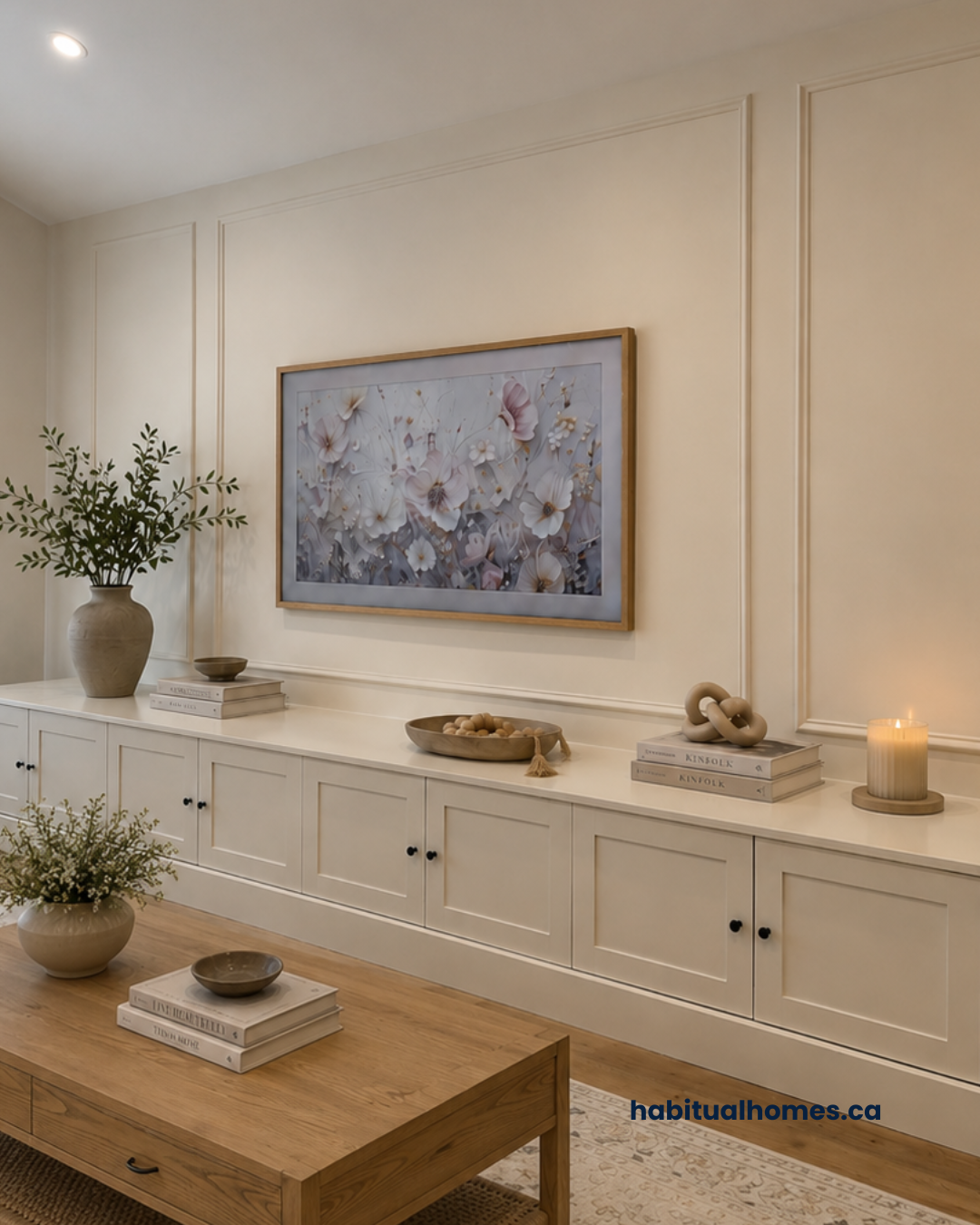
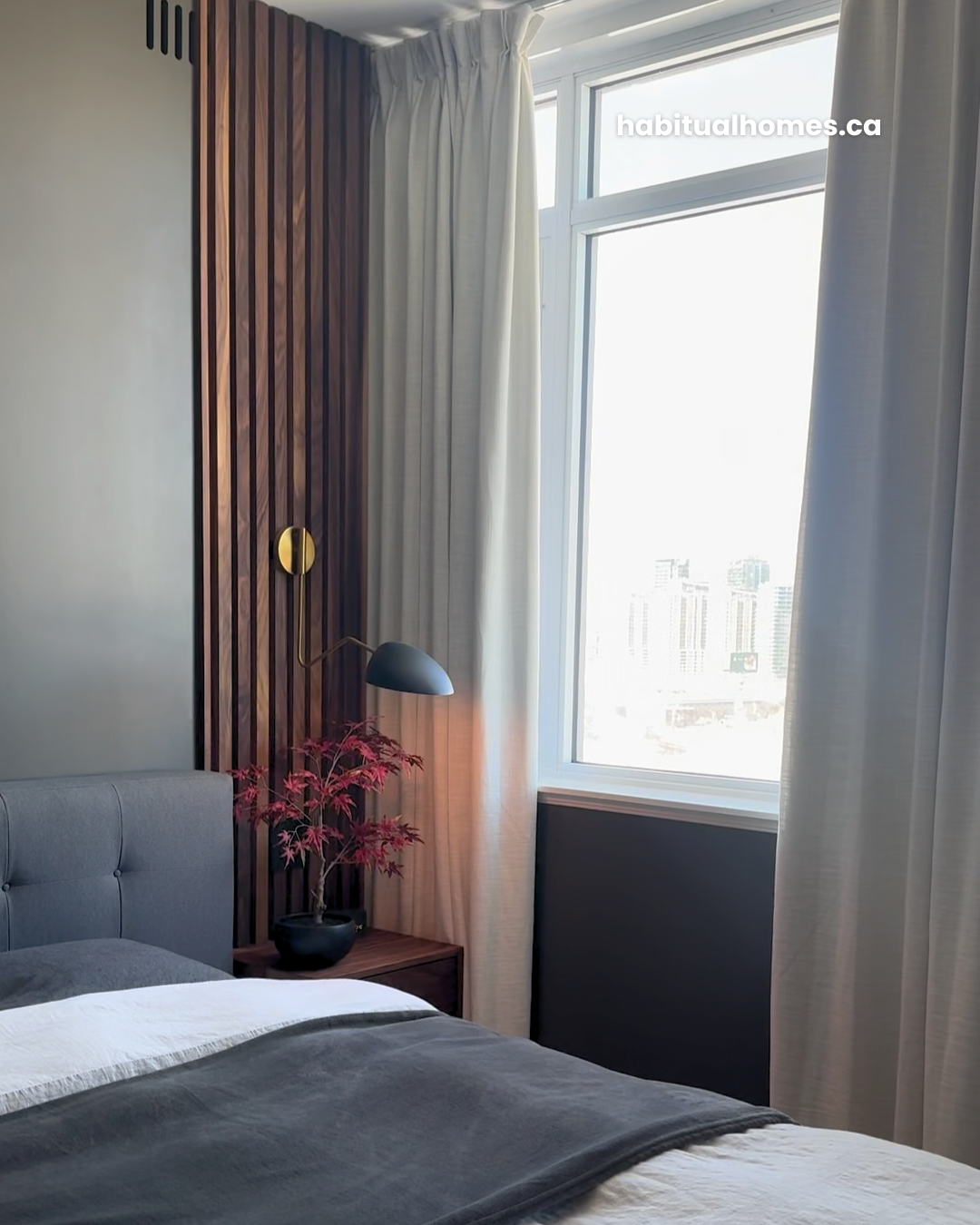
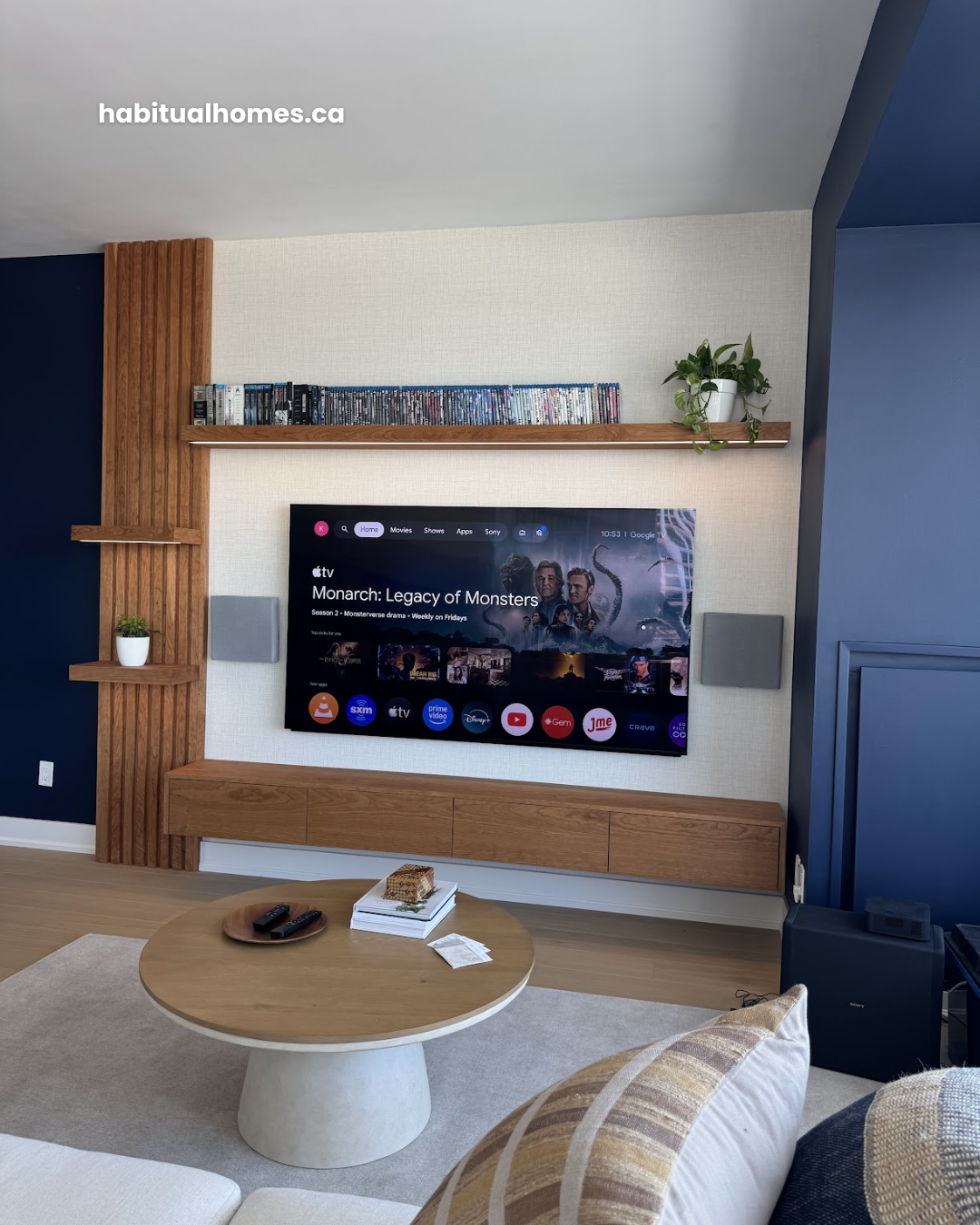
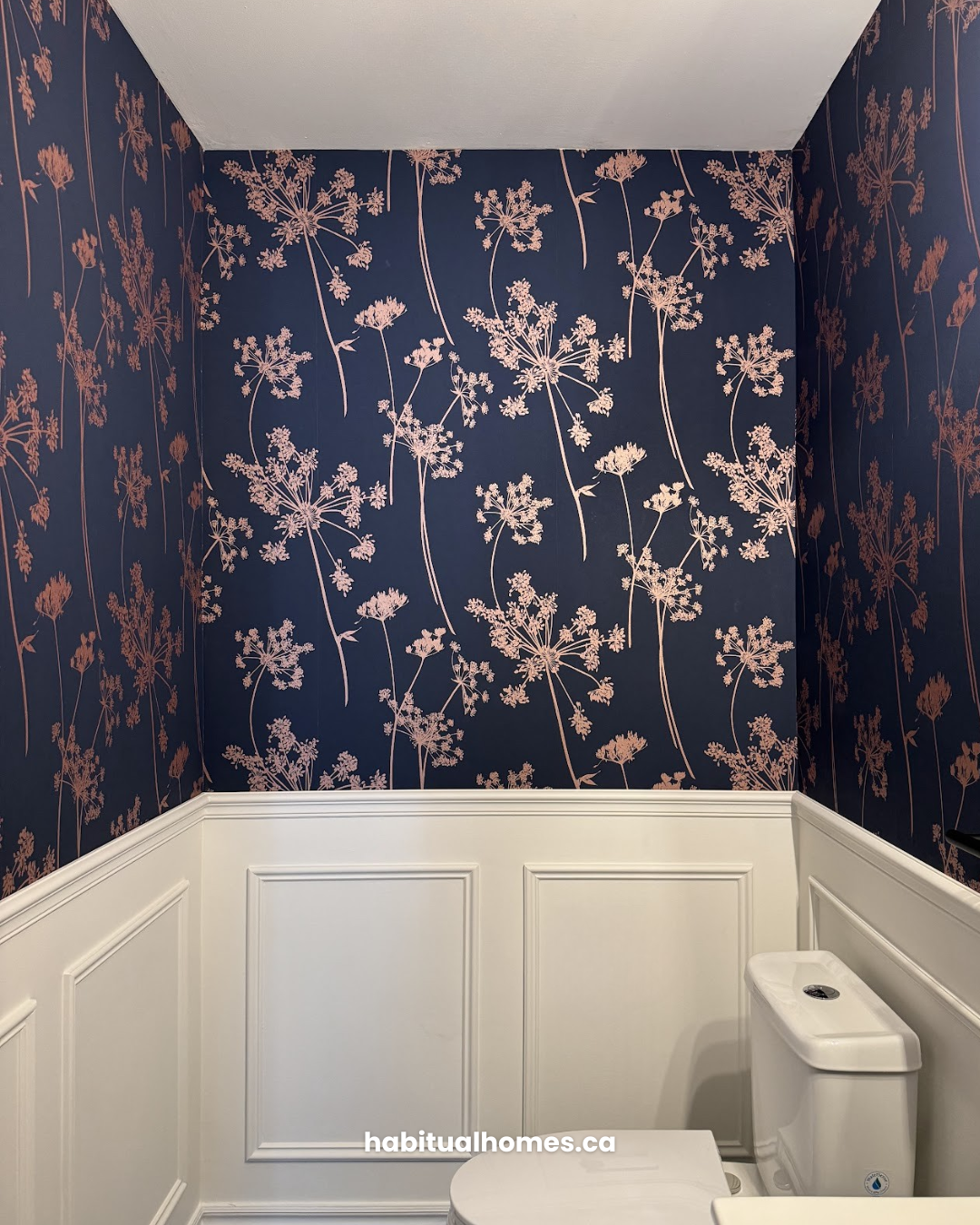
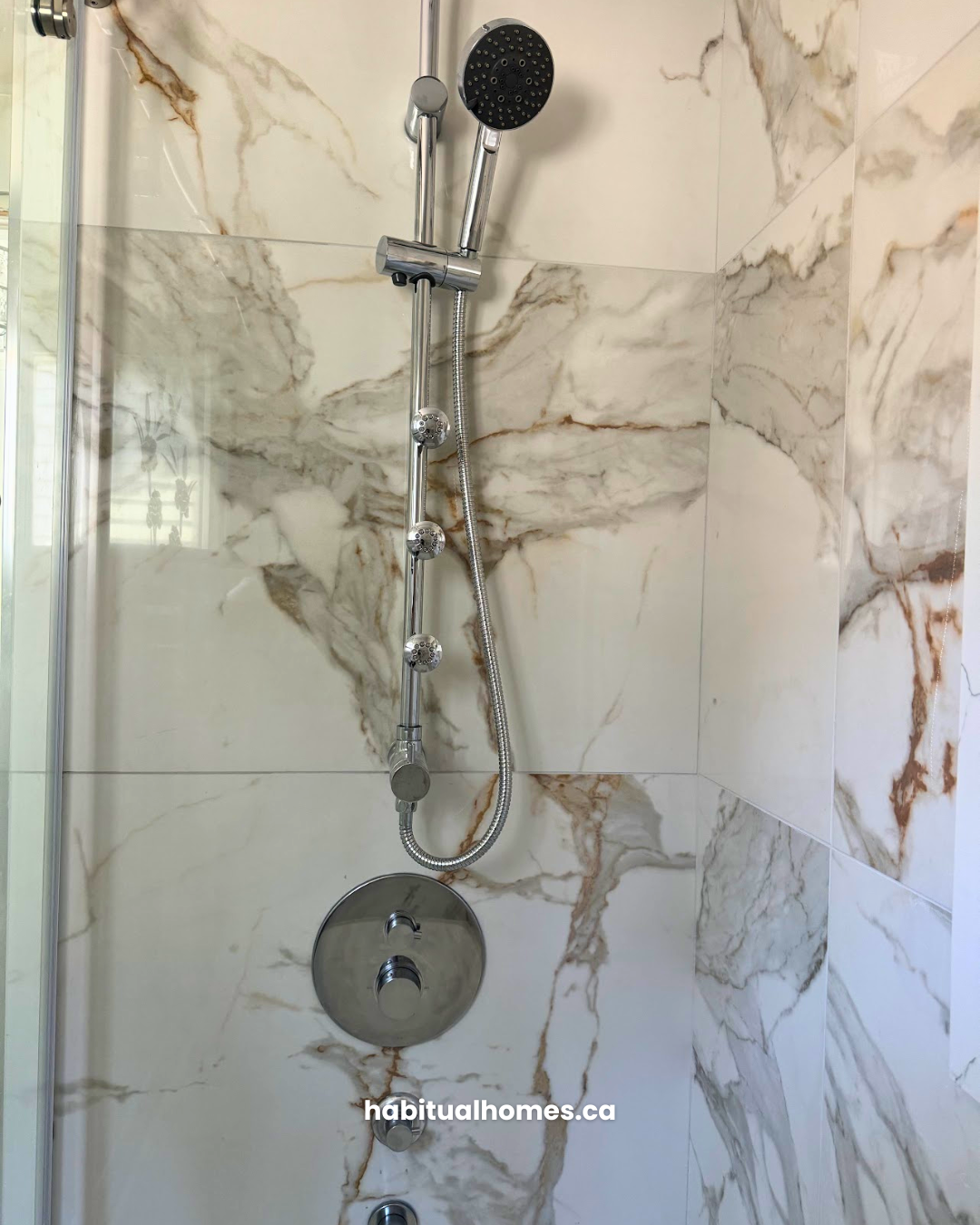
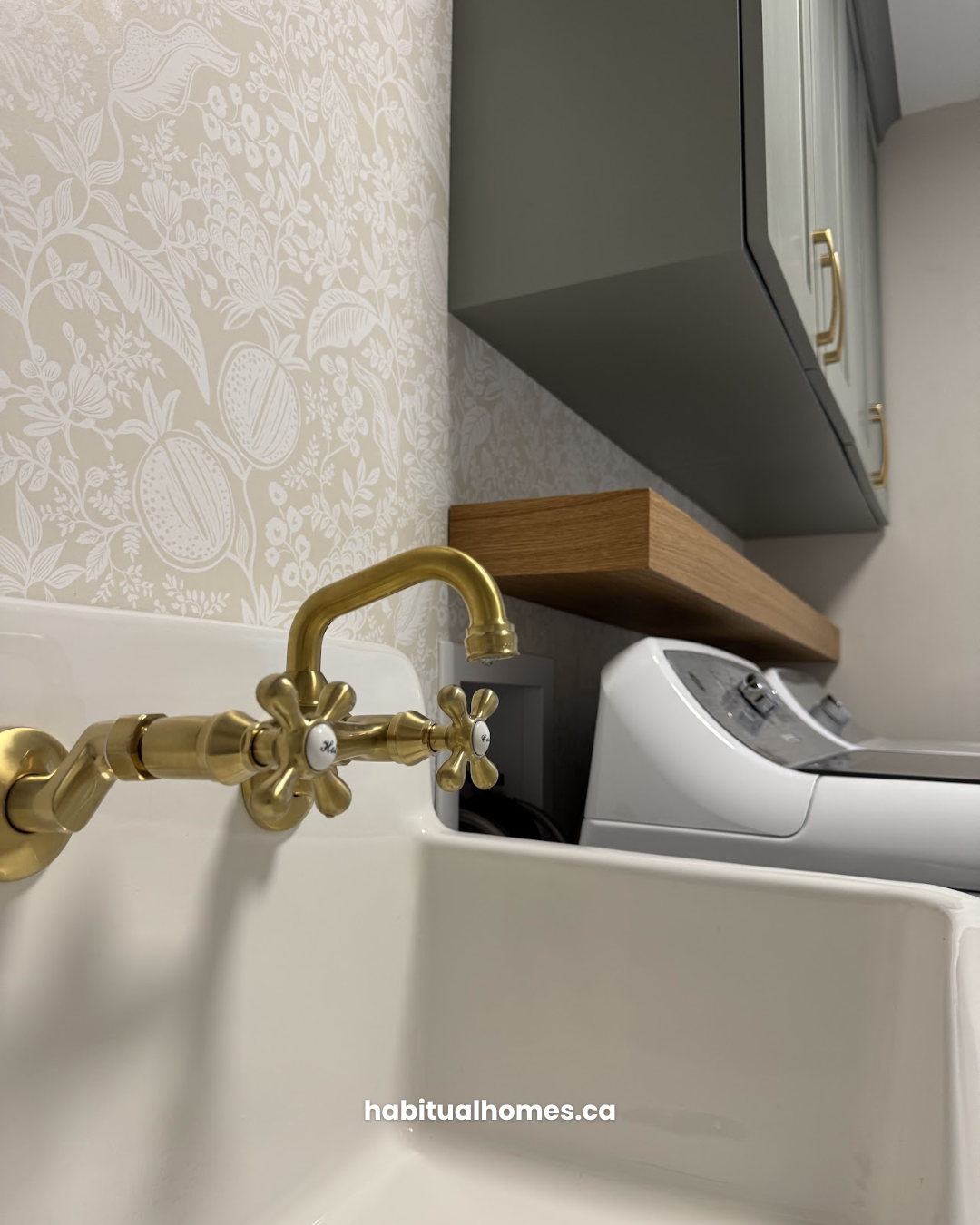
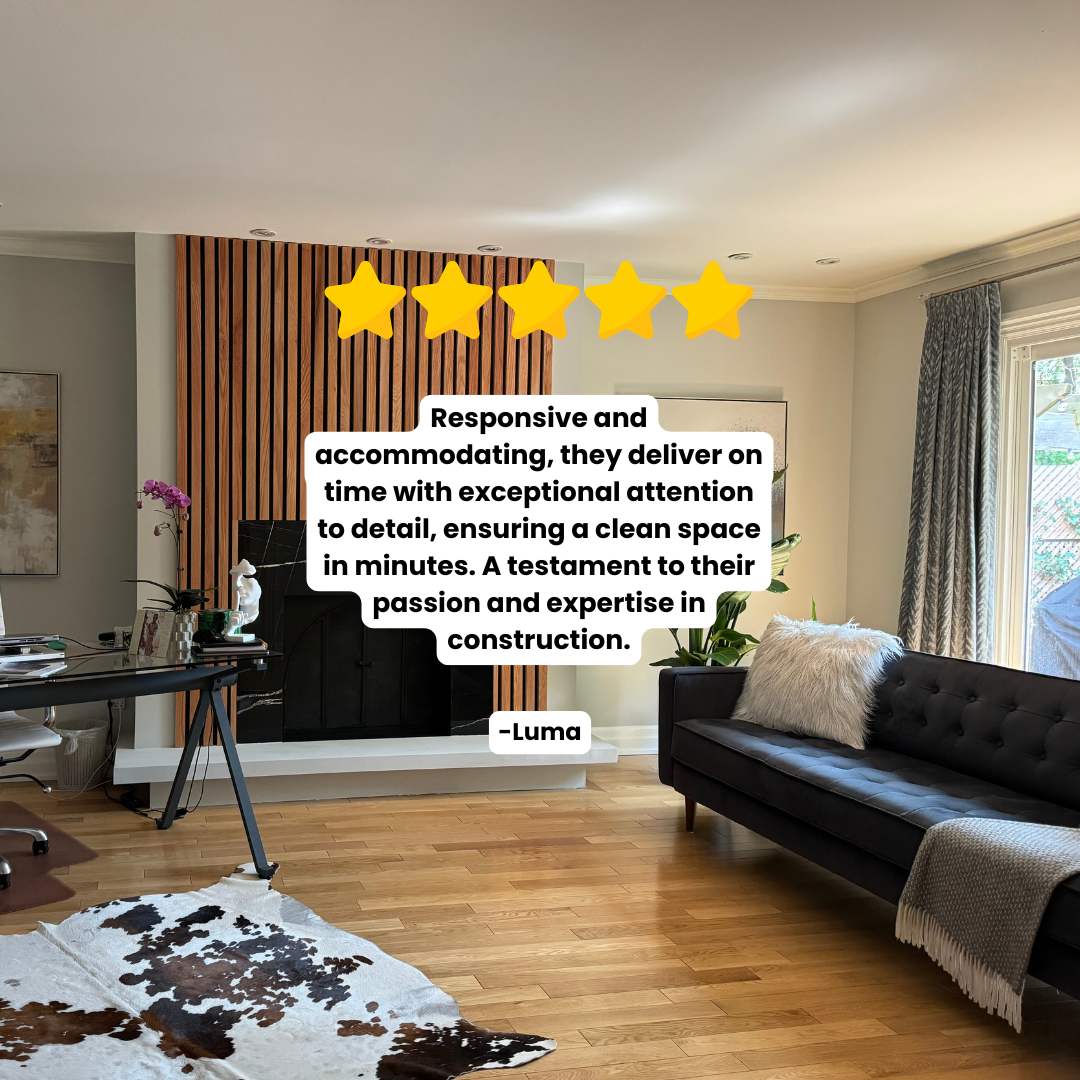
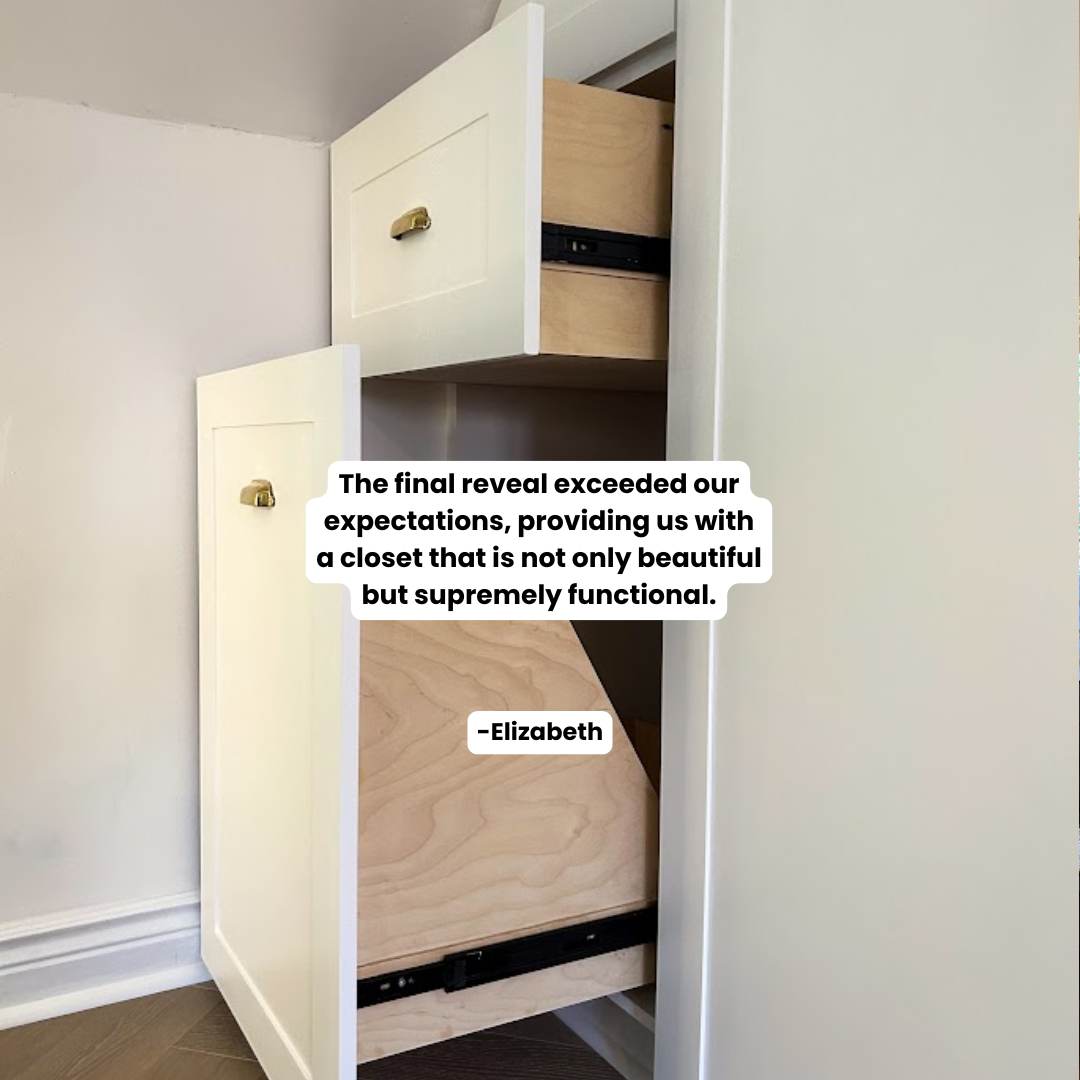
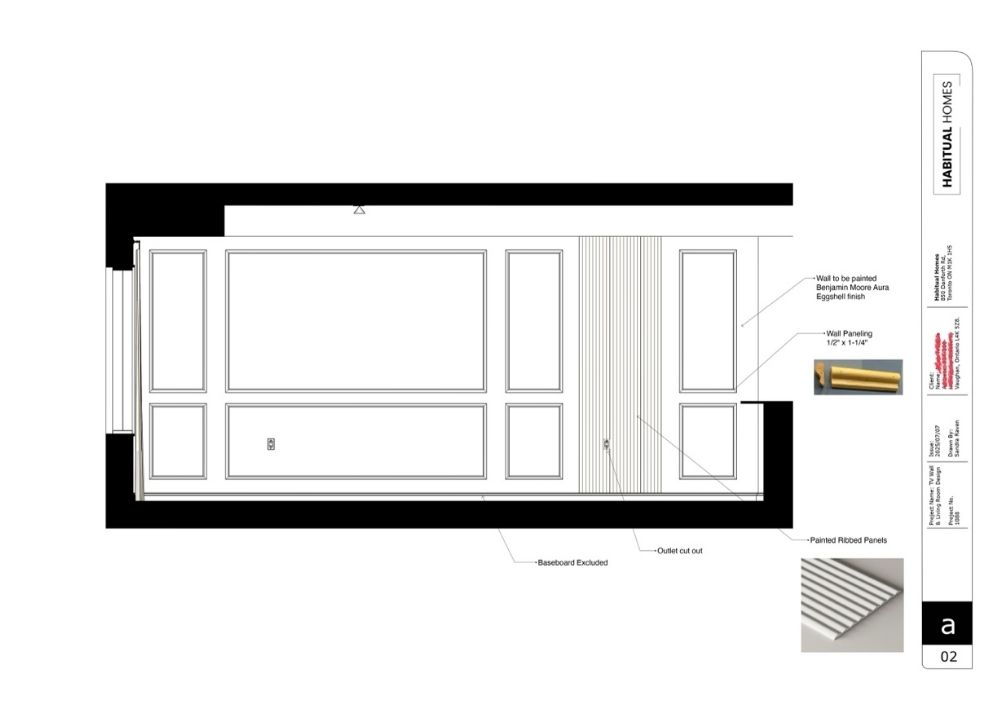
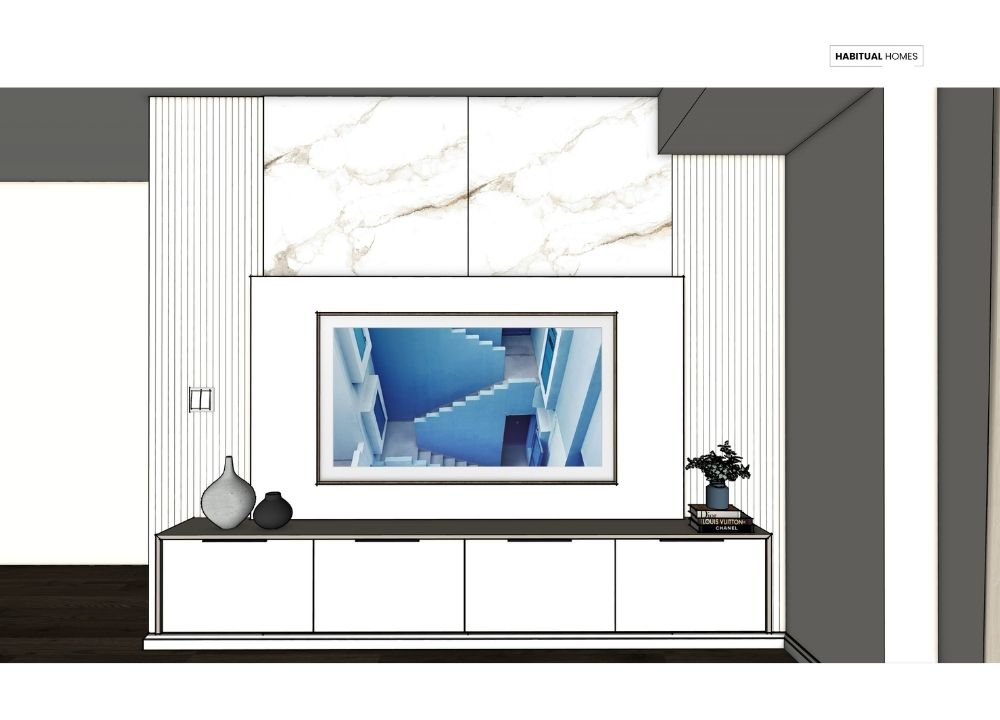
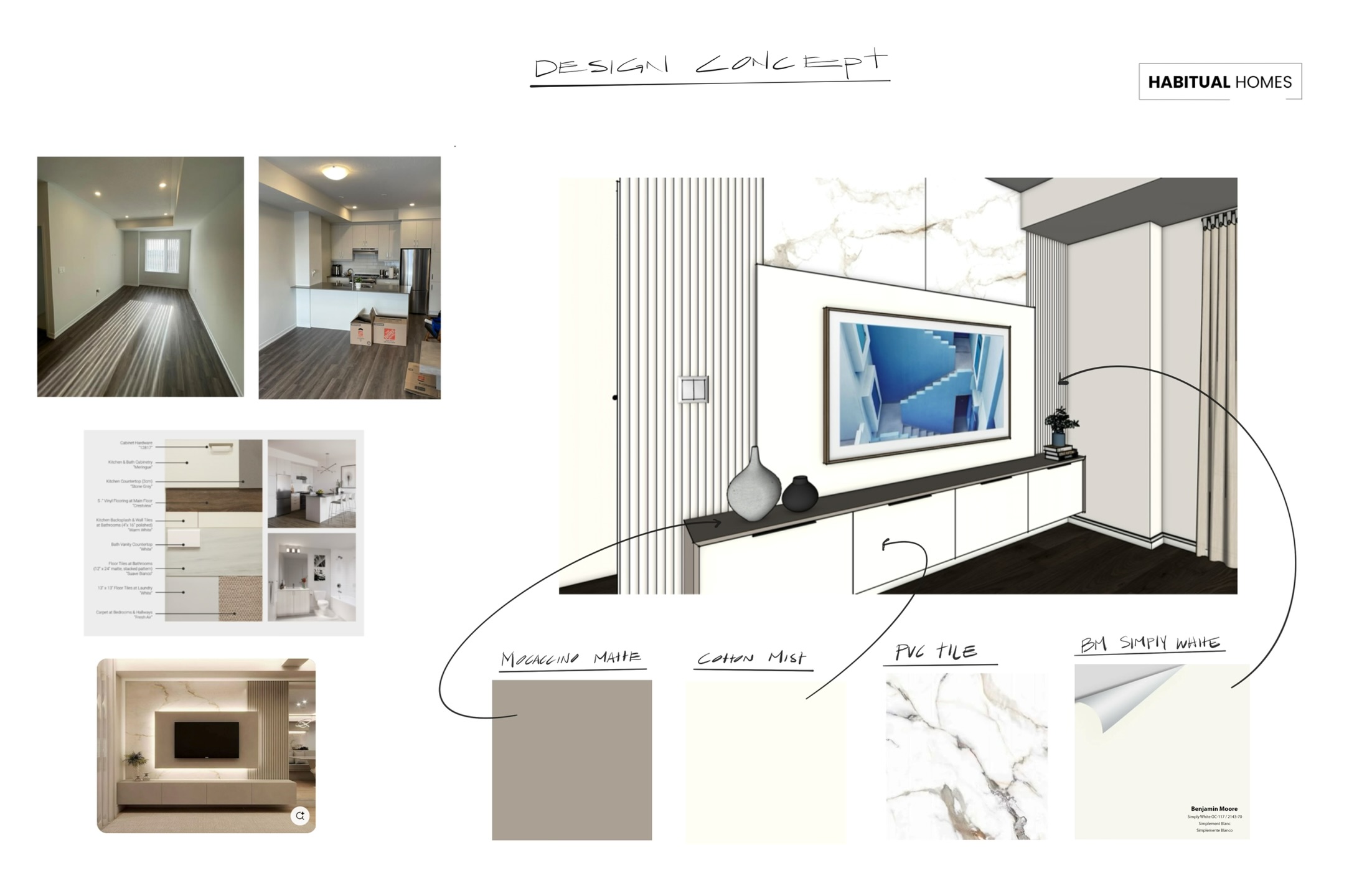
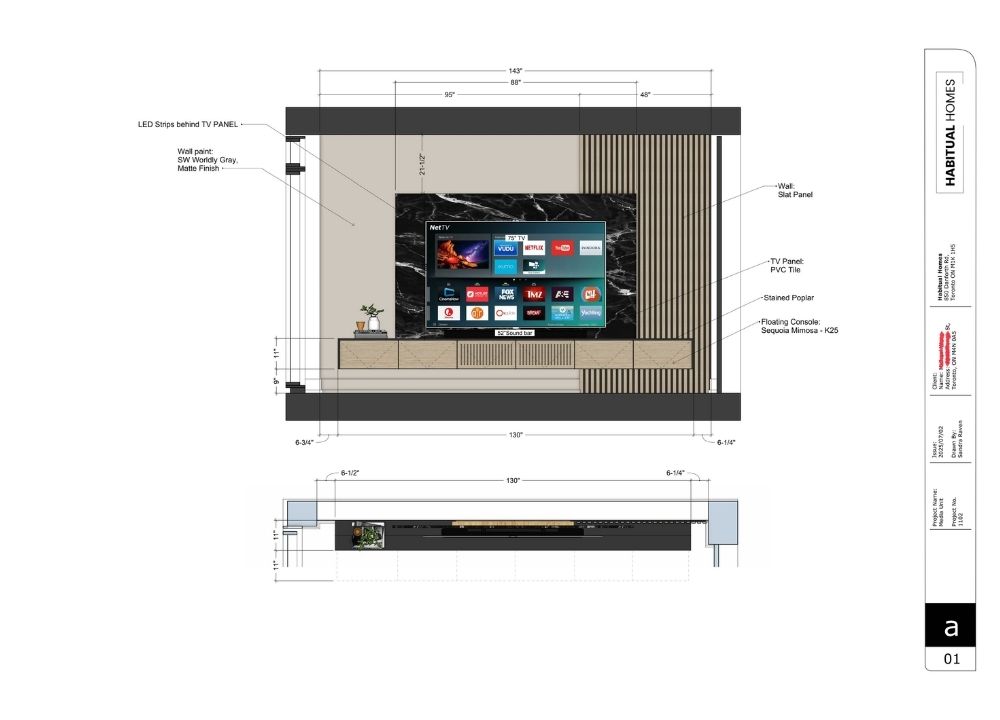
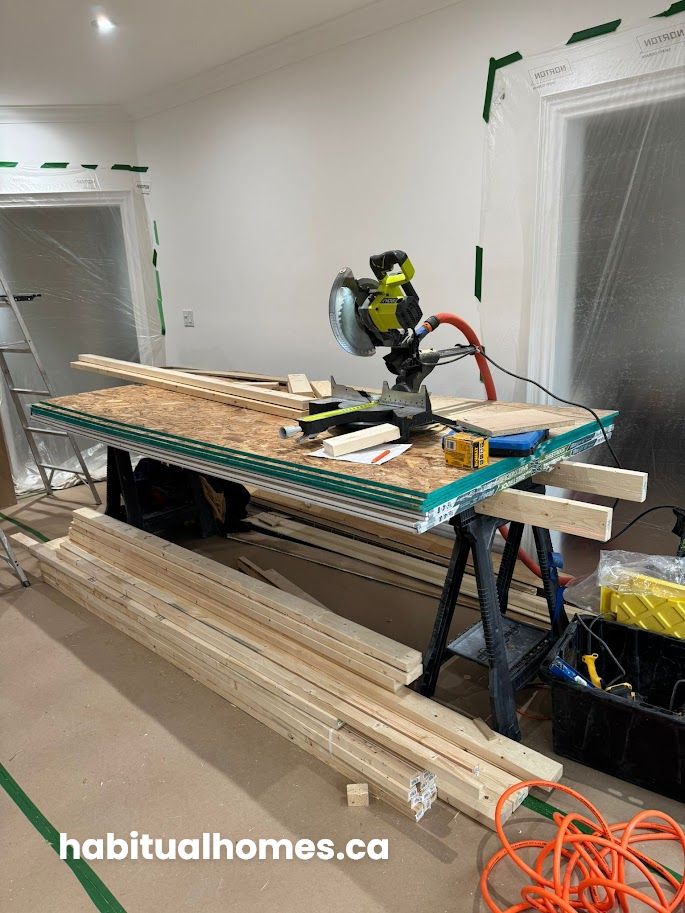
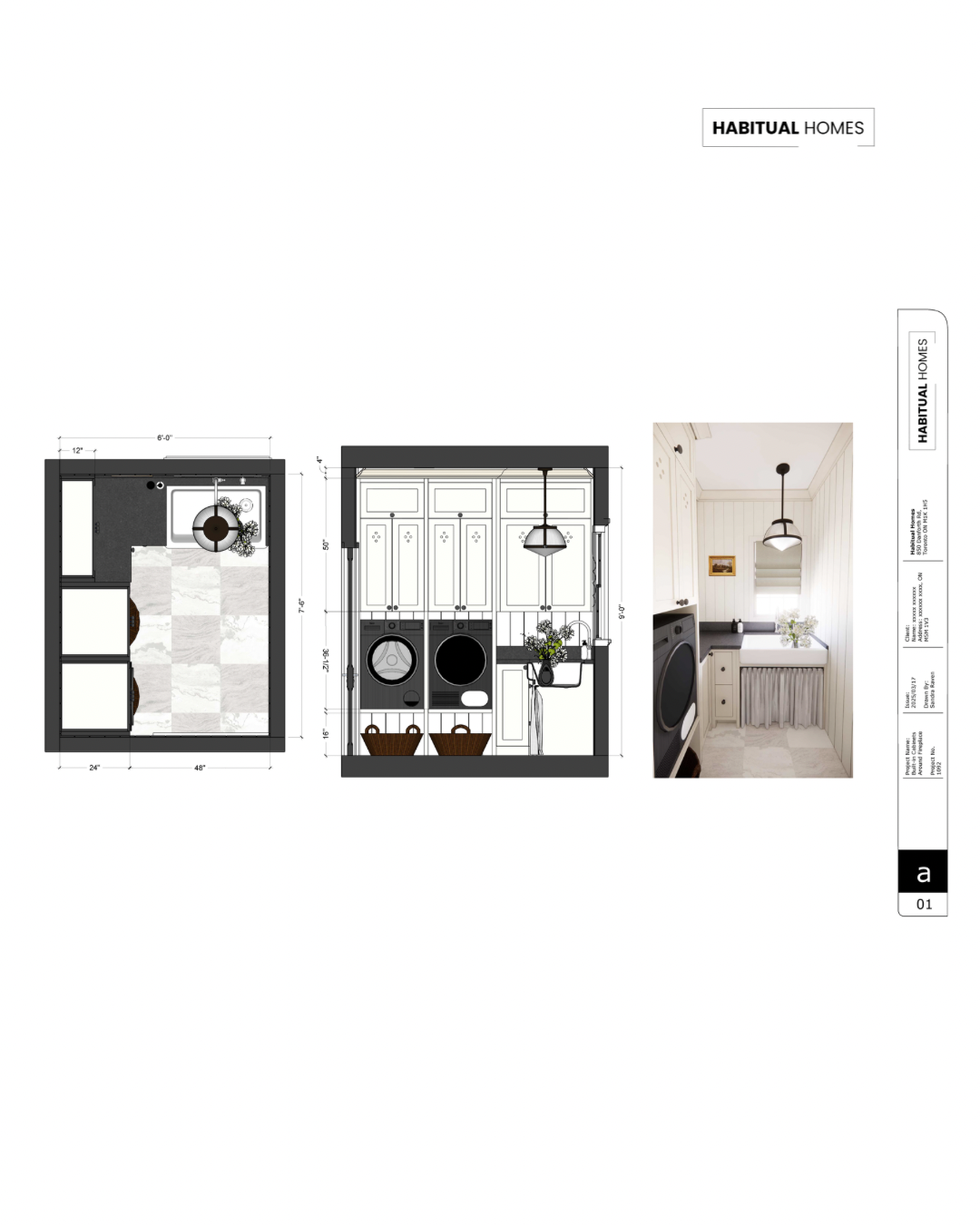
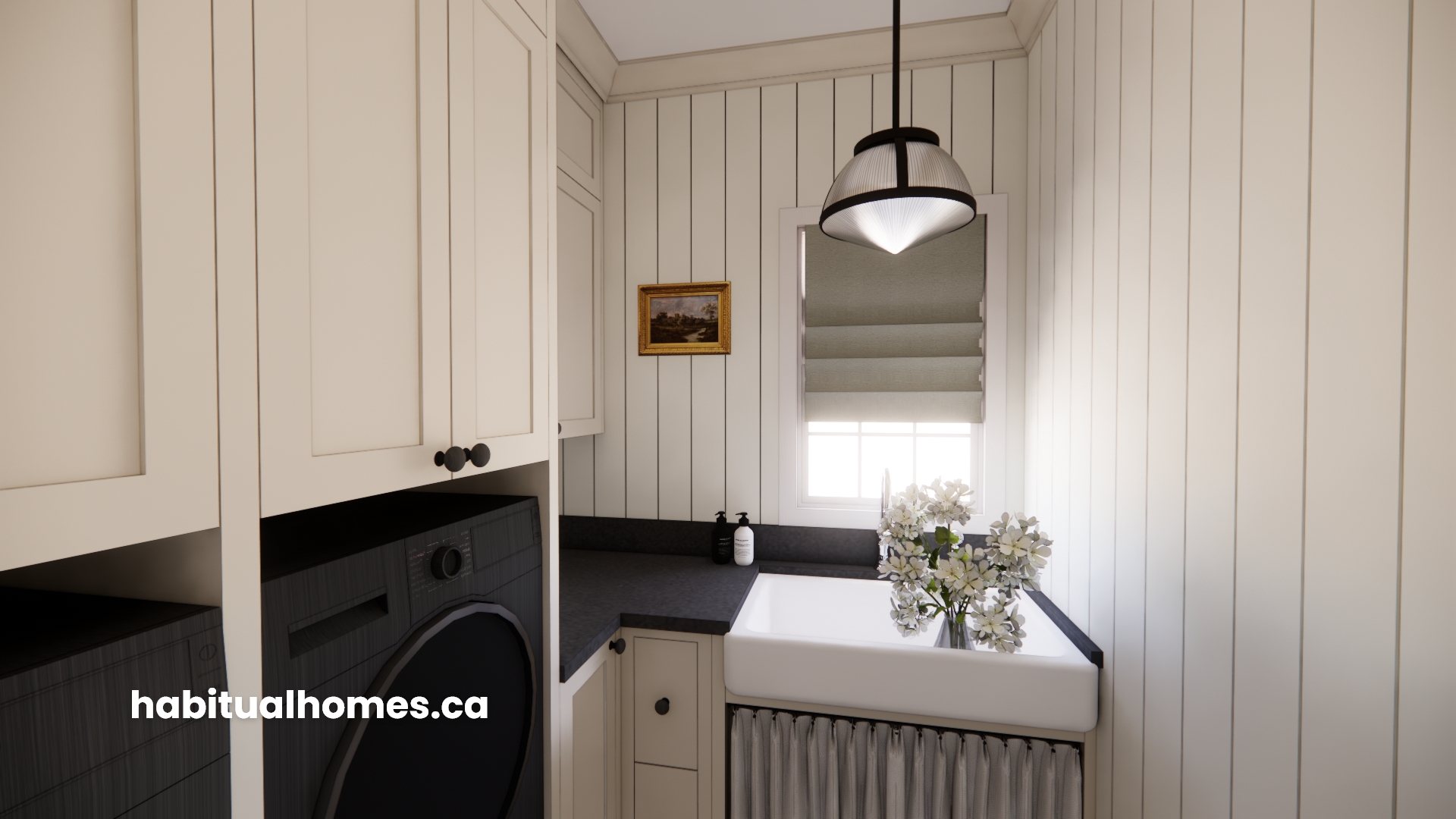
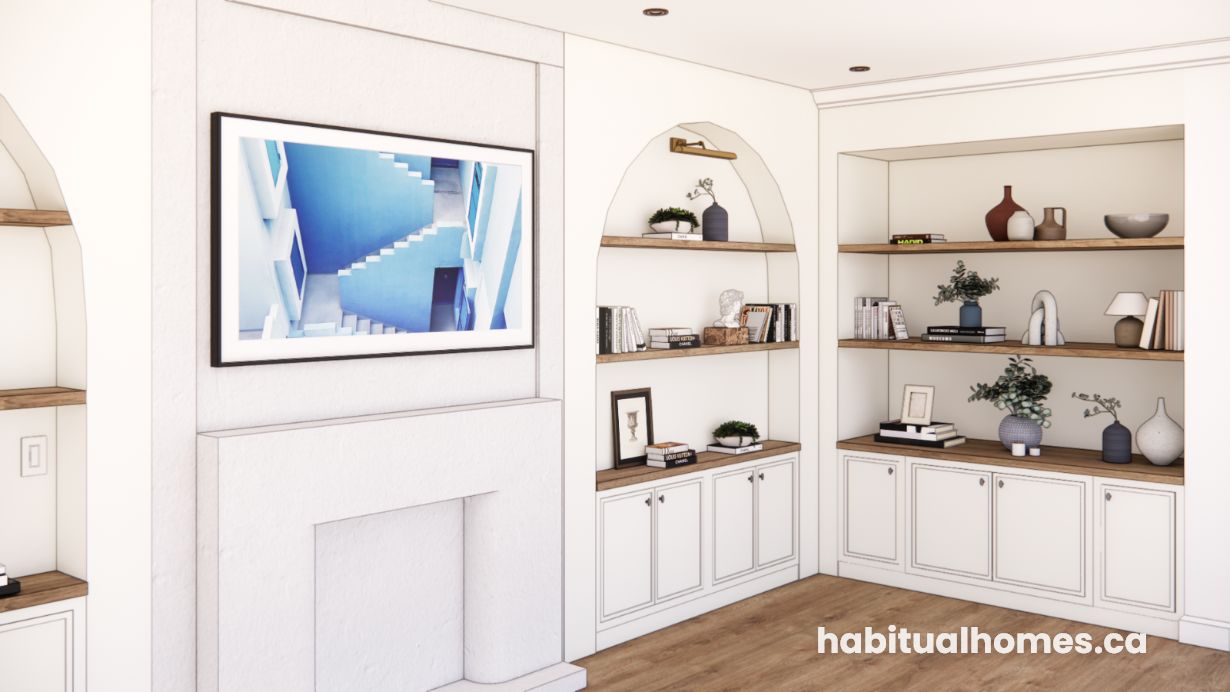
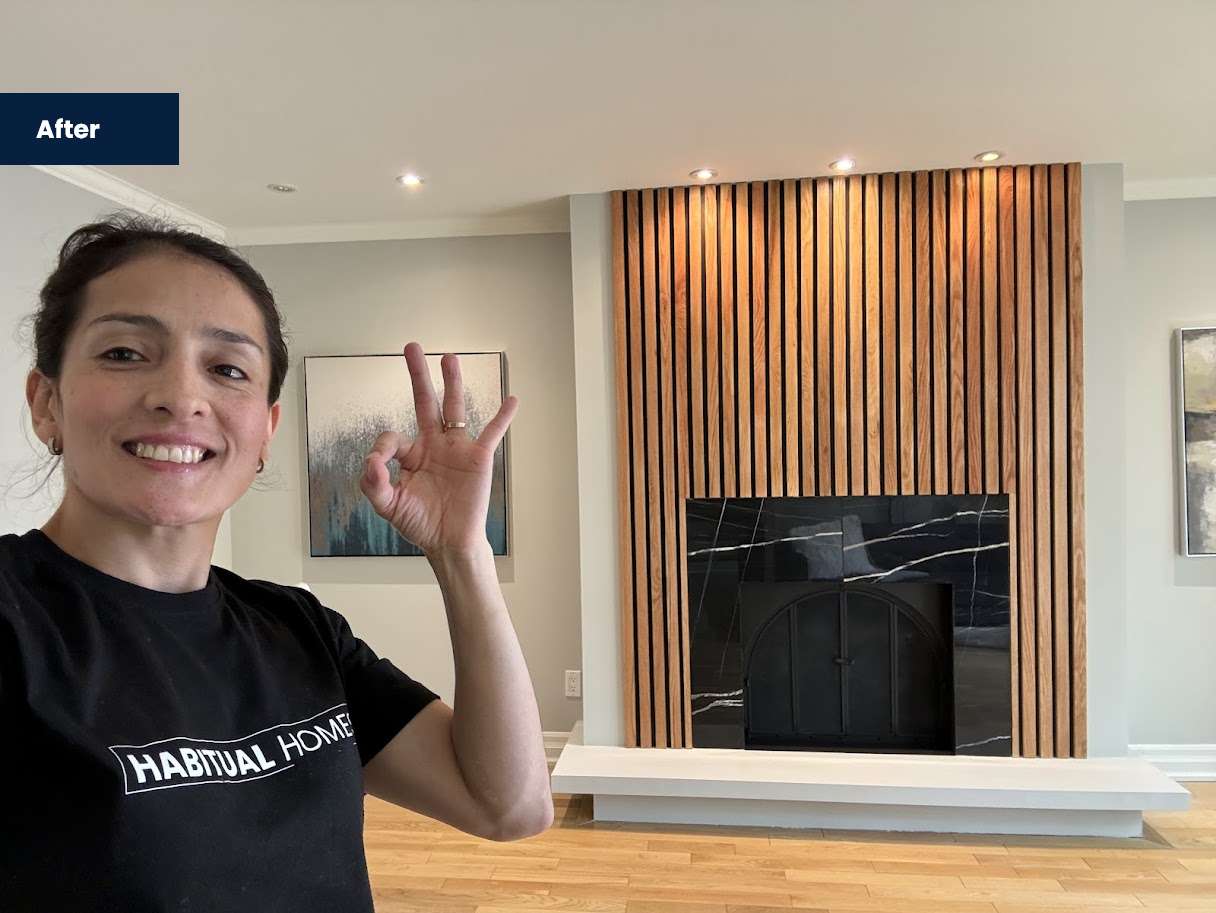
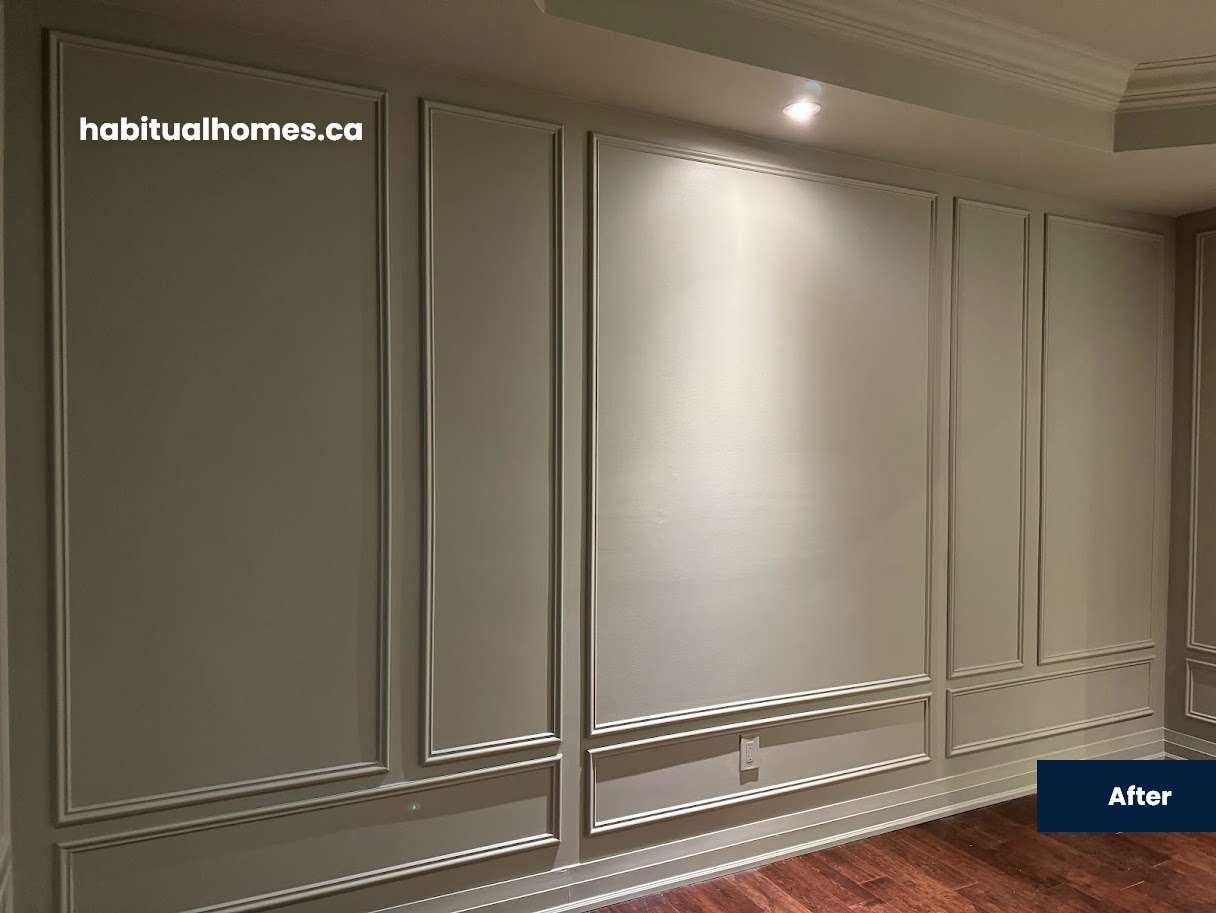
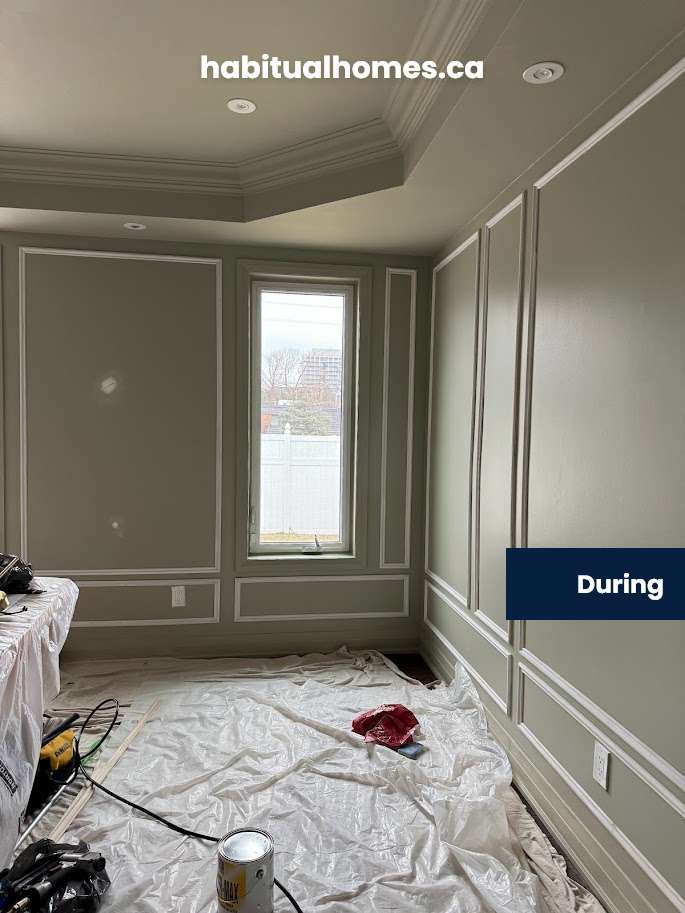
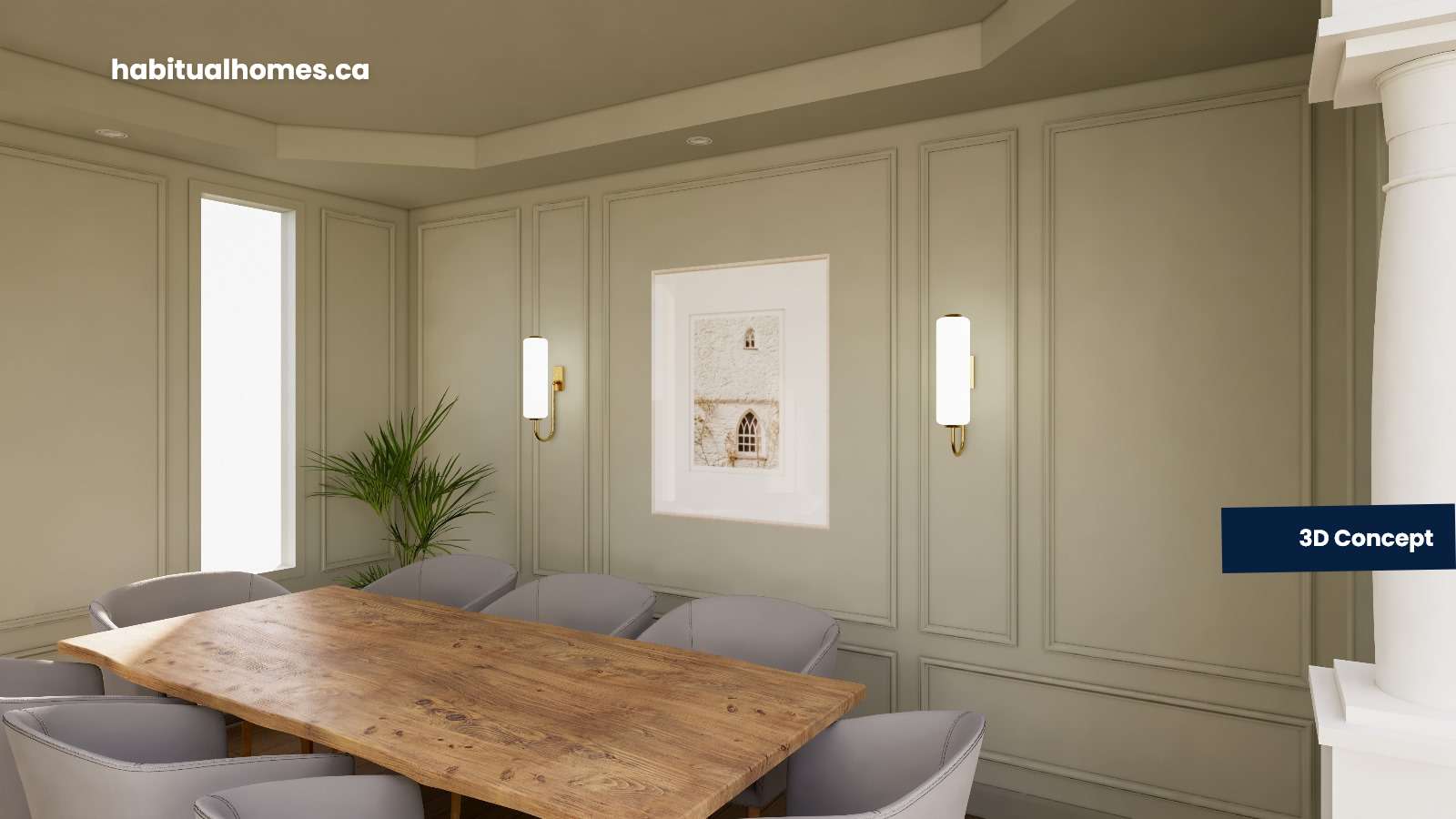
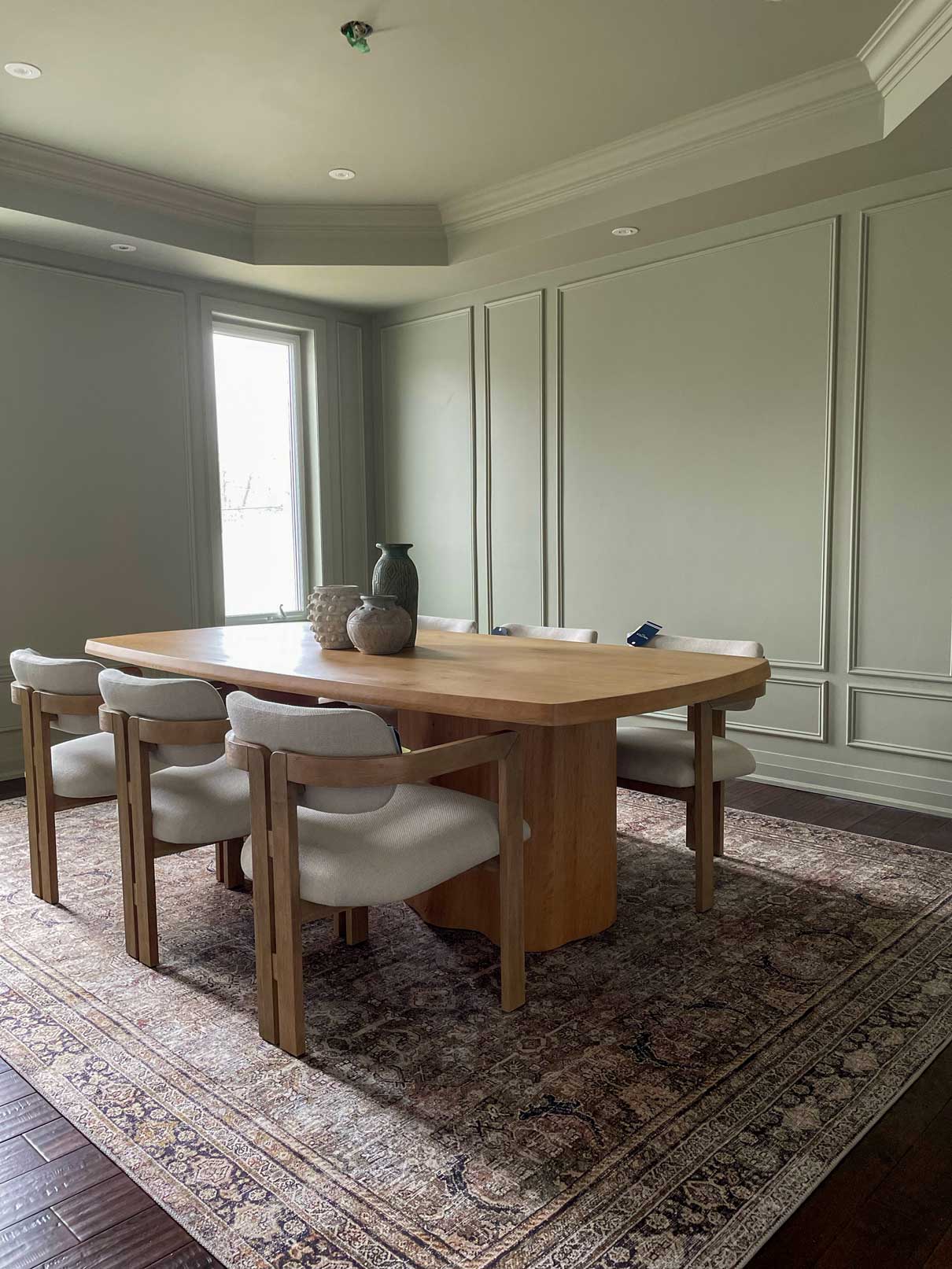
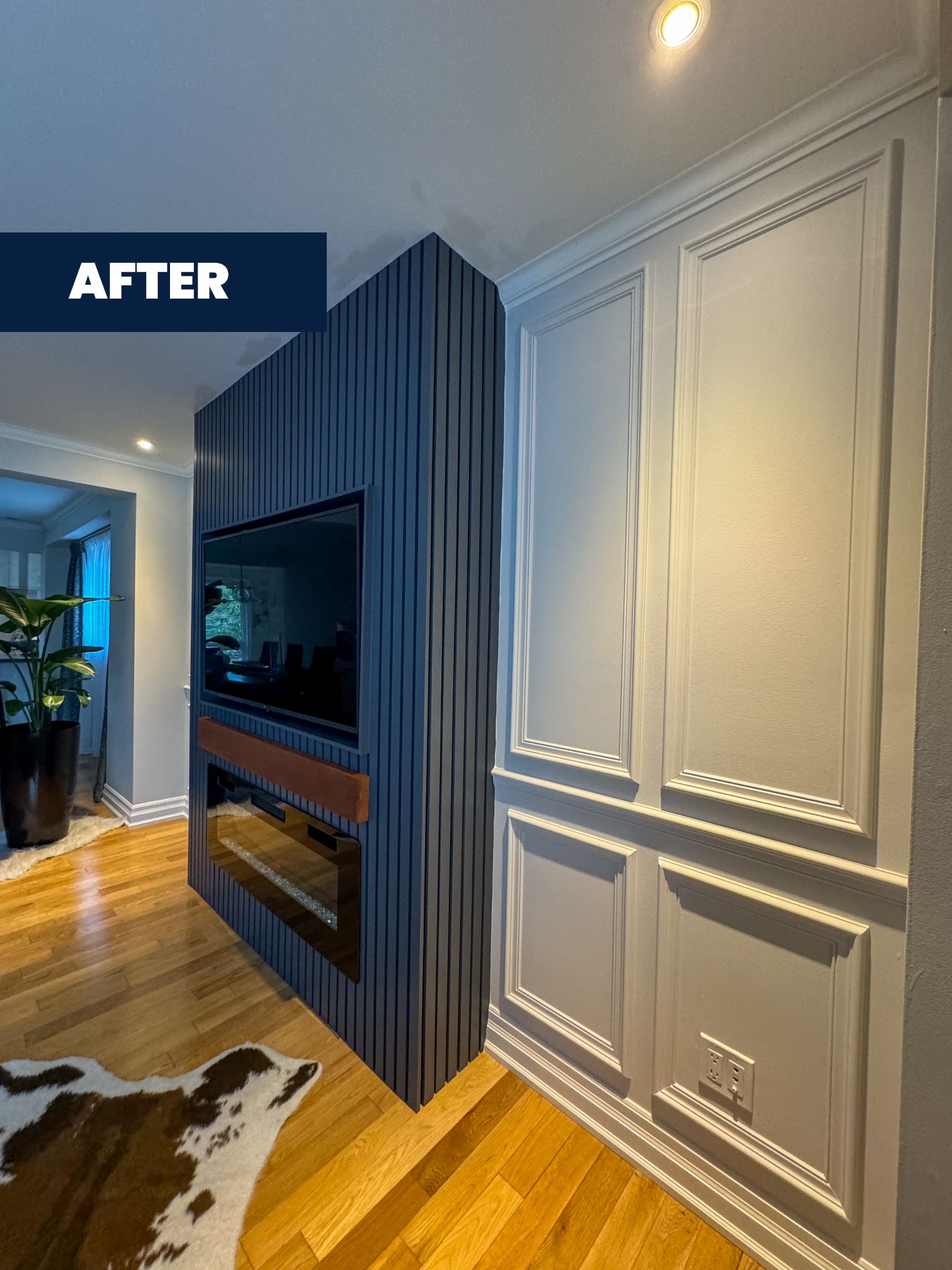
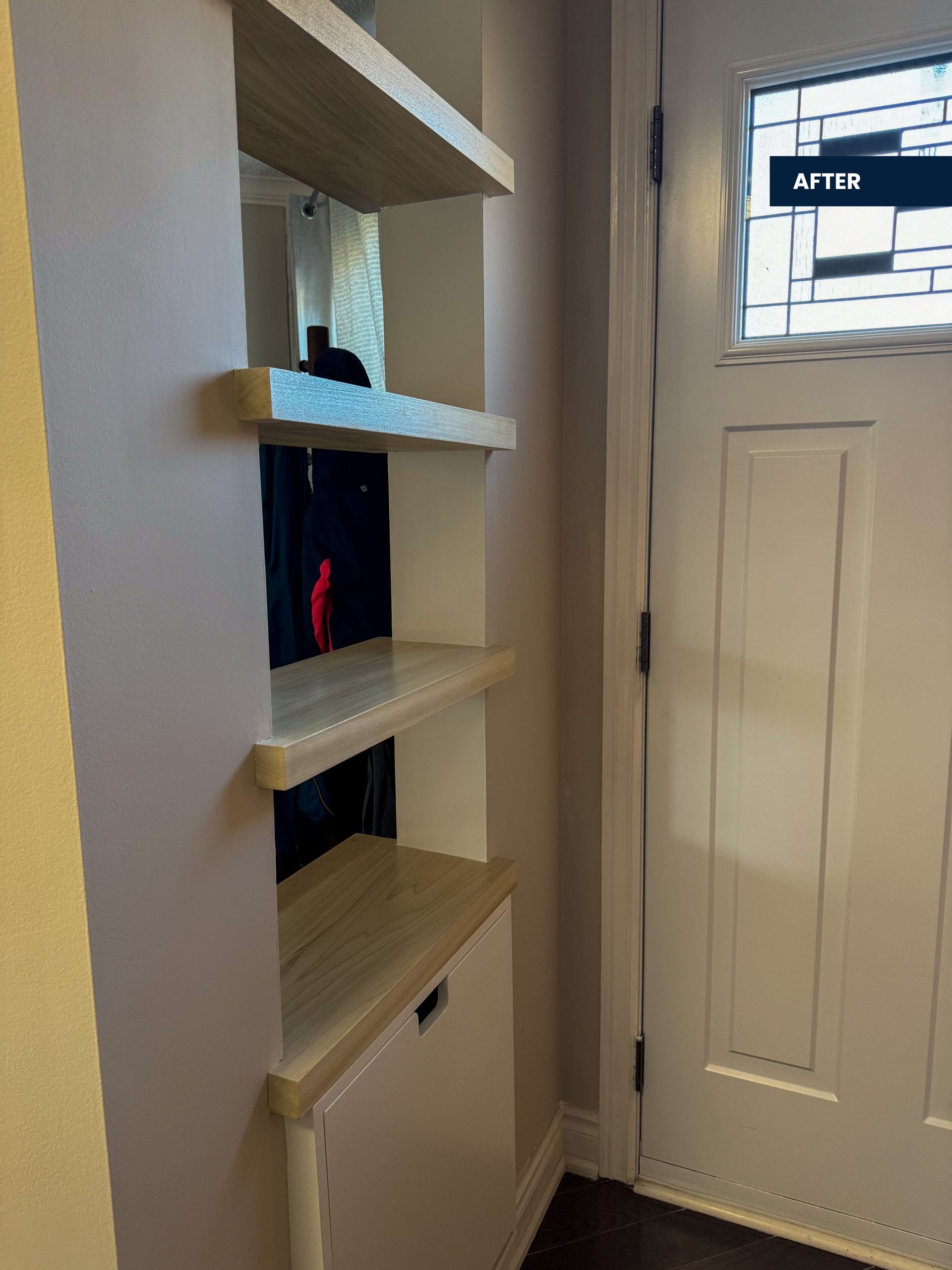
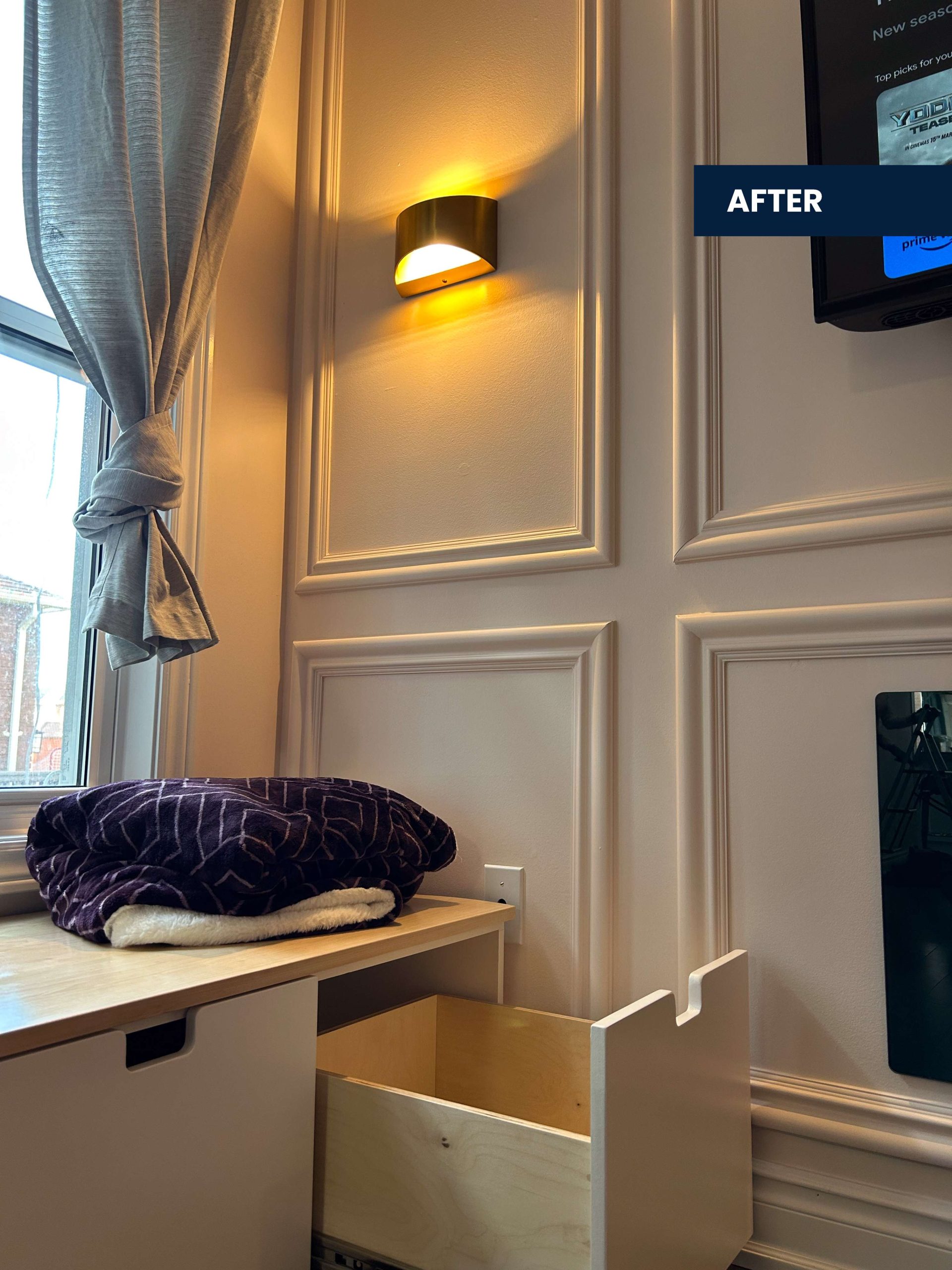
Built-In Projects We’ve Designed and Installed Across Toronto
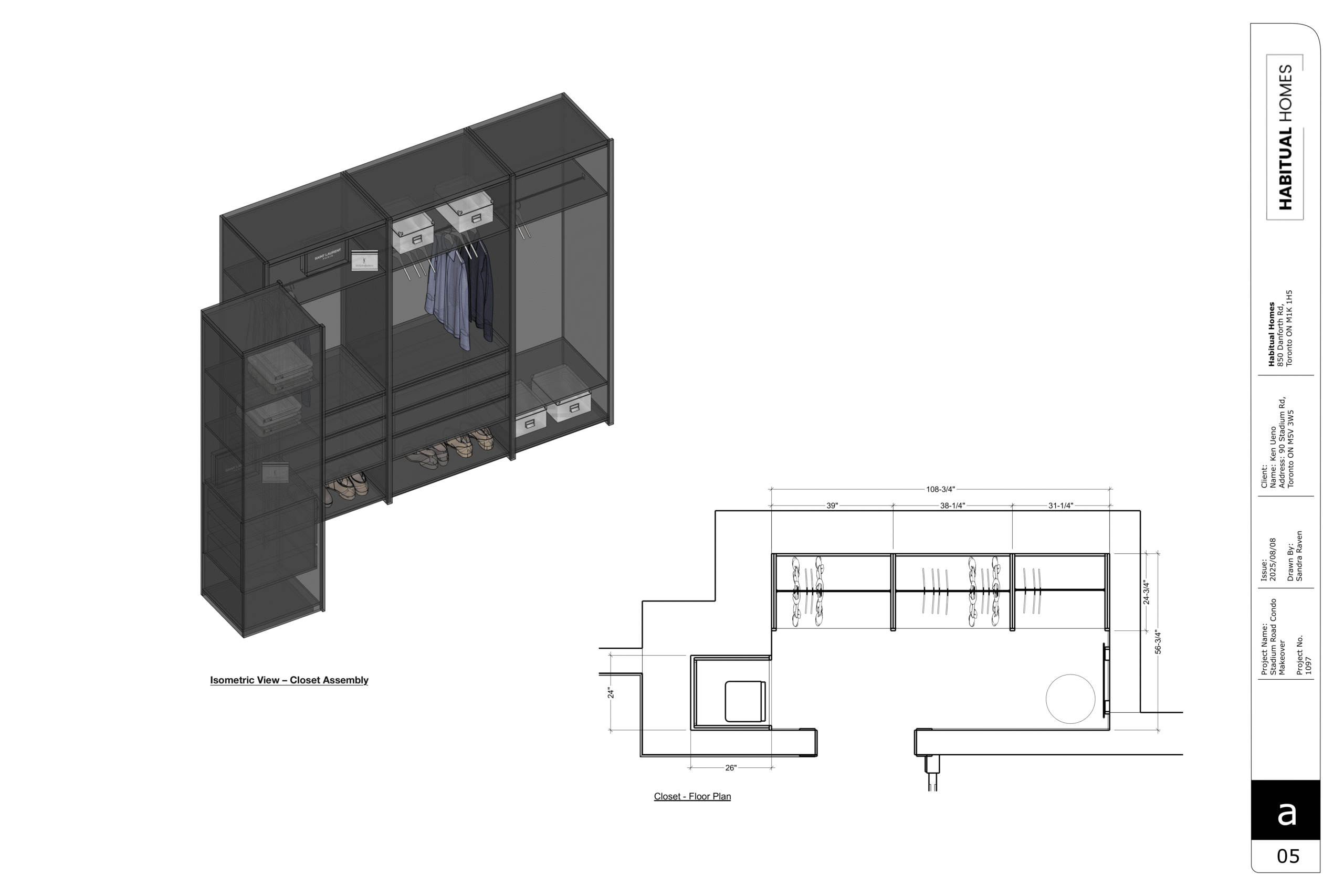
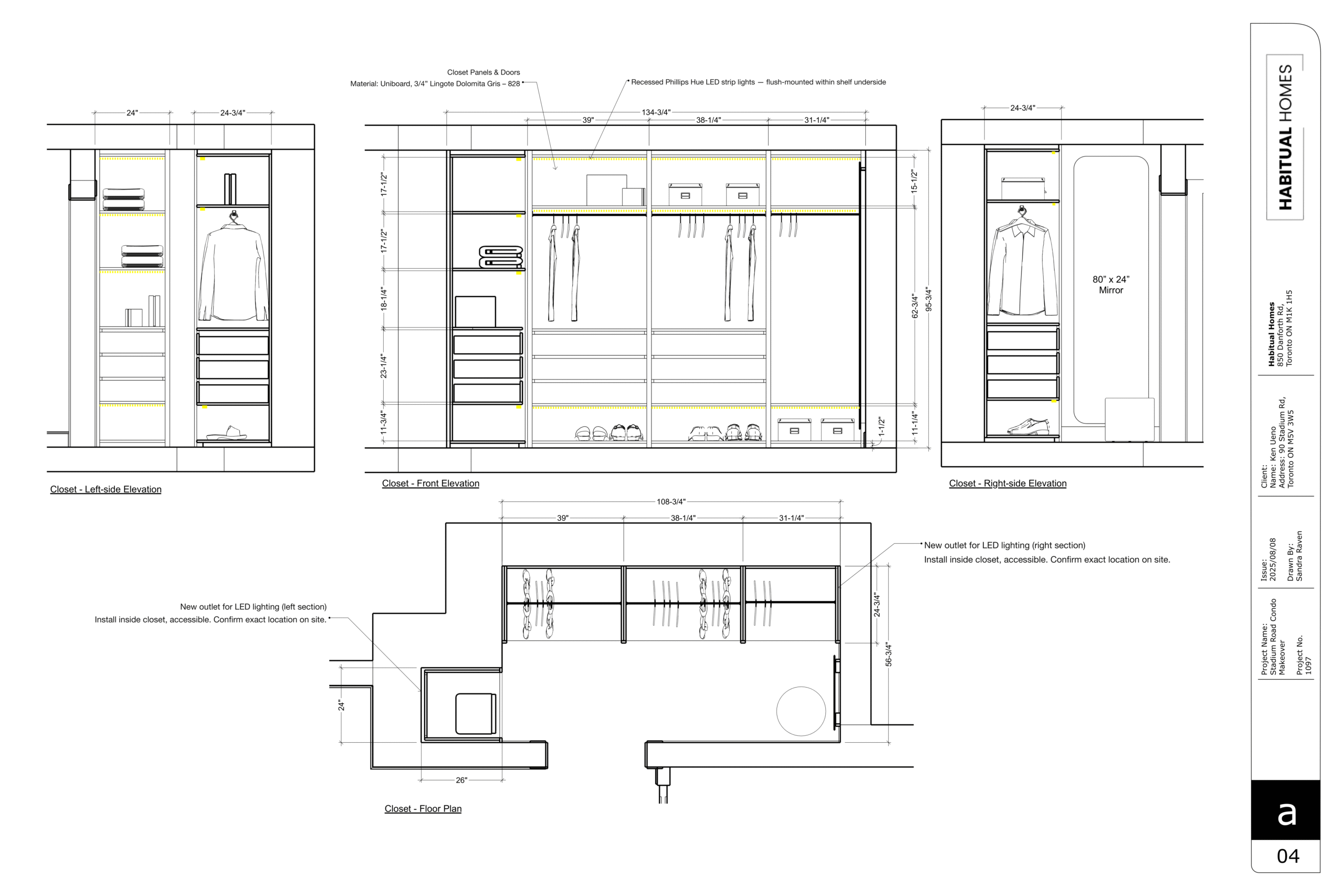
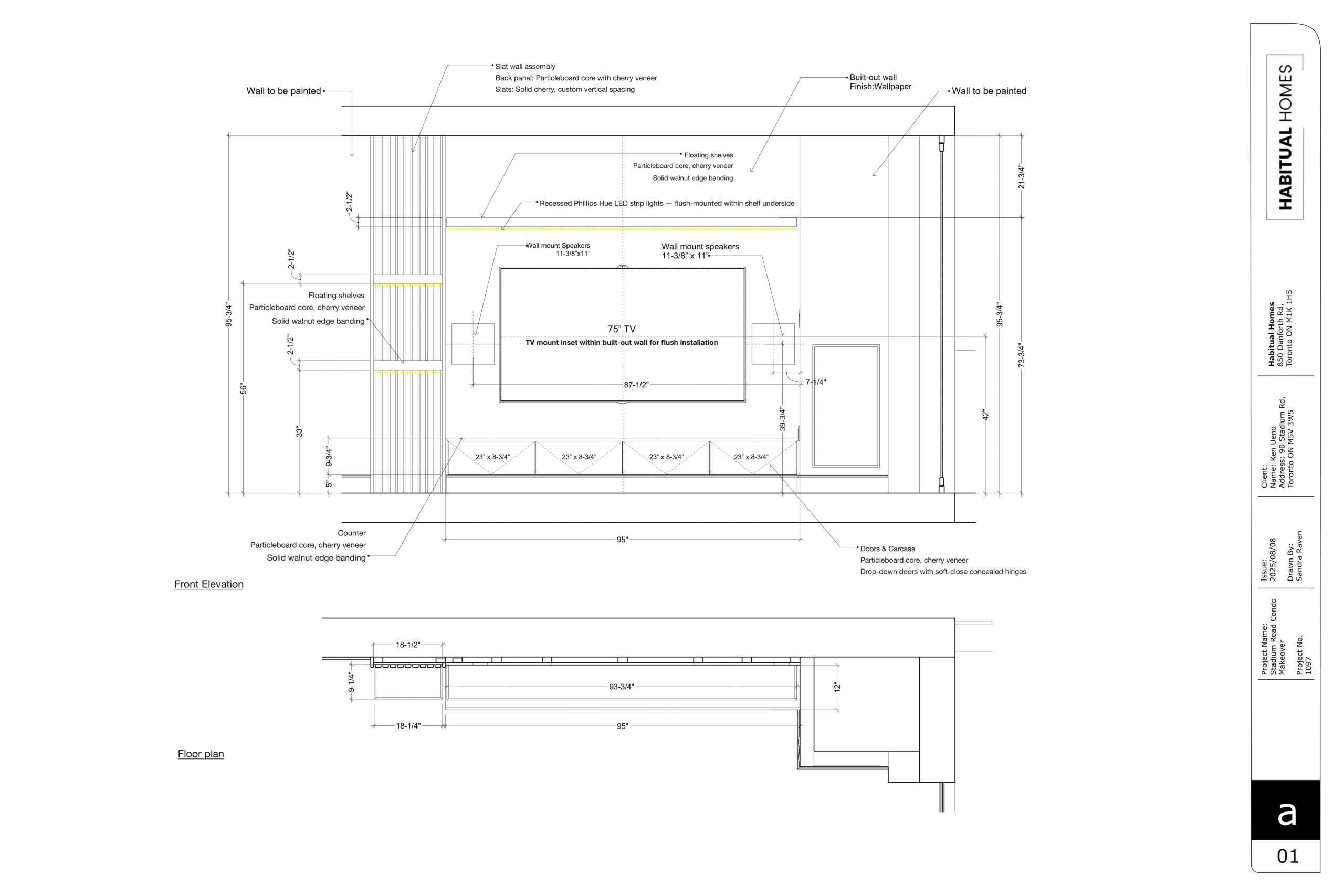
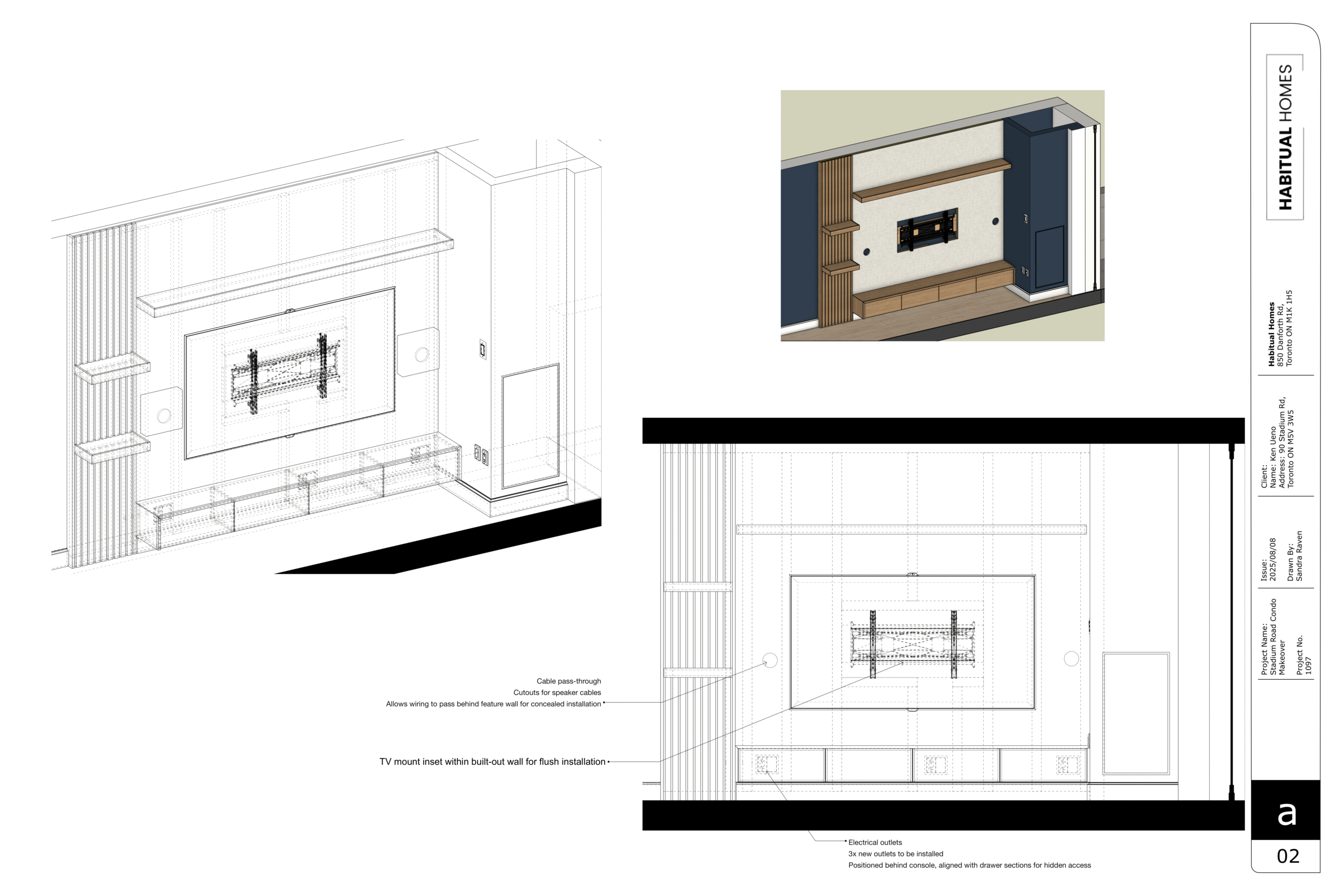
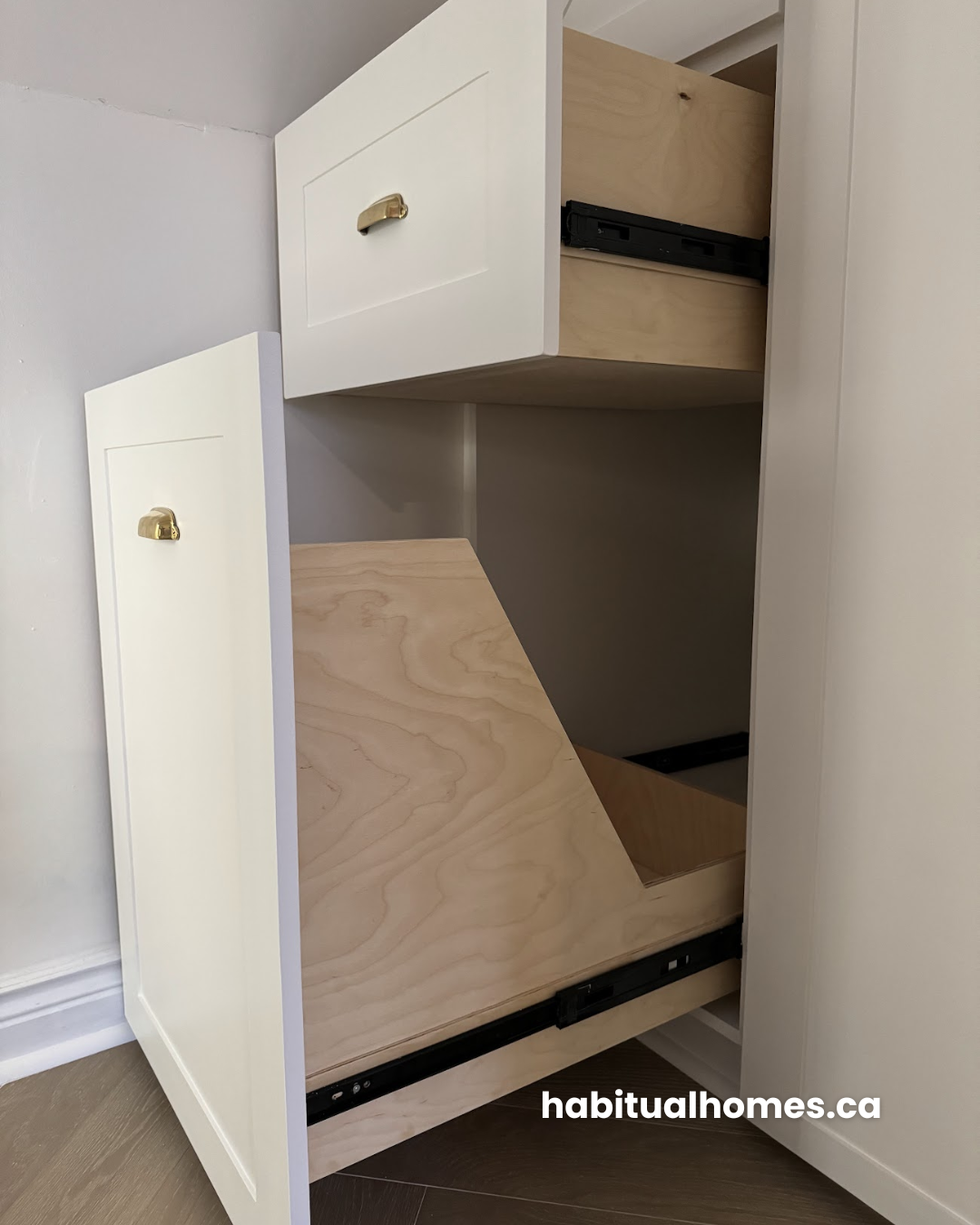
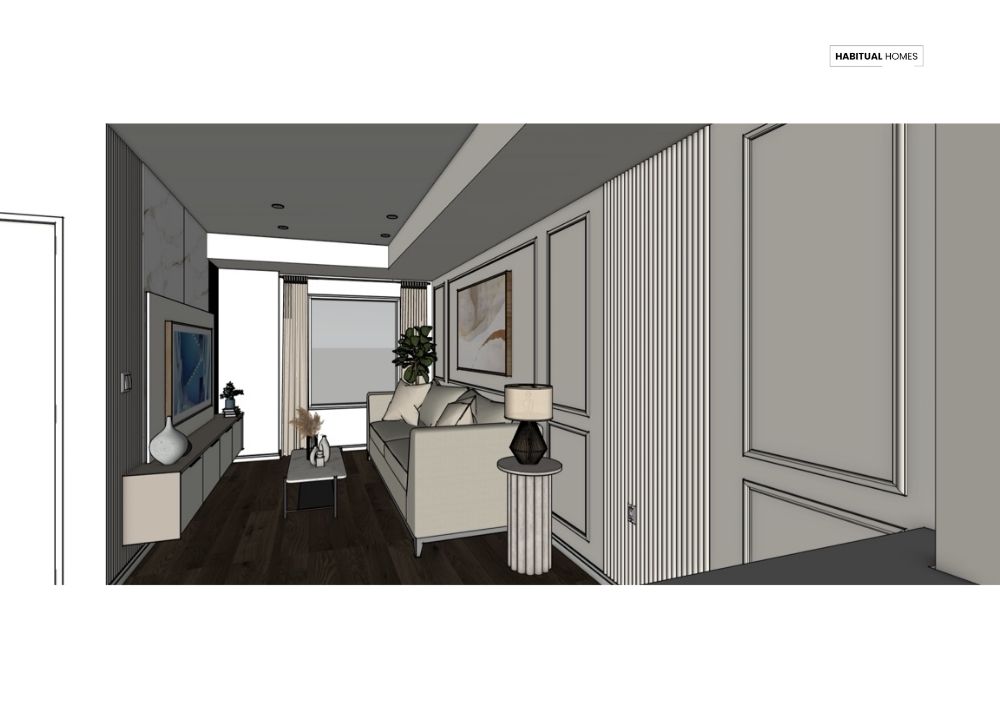
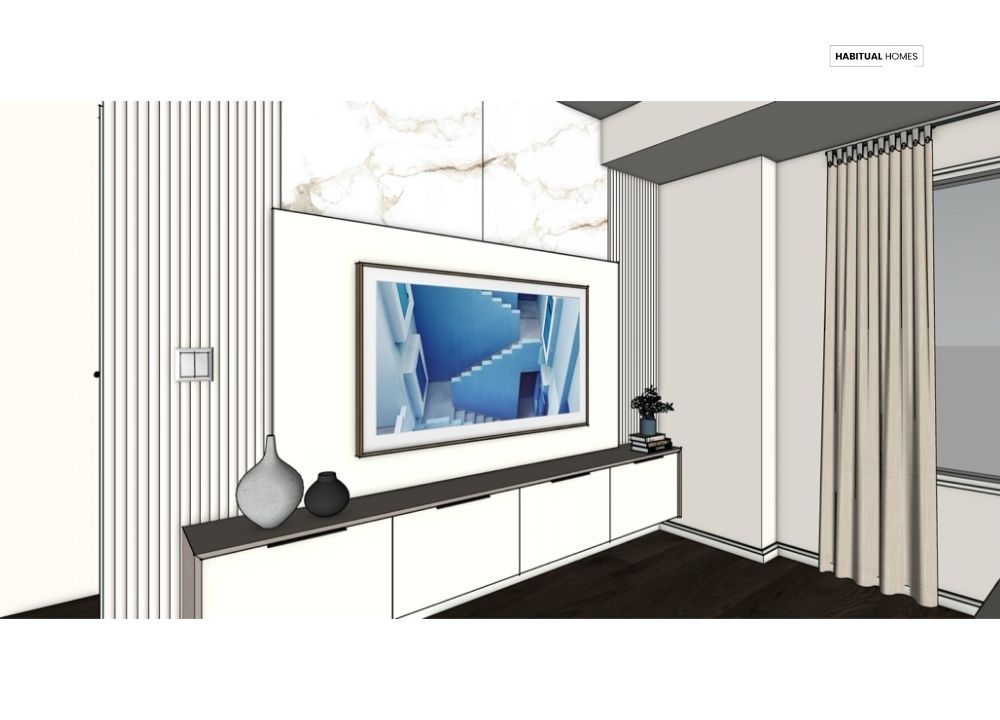
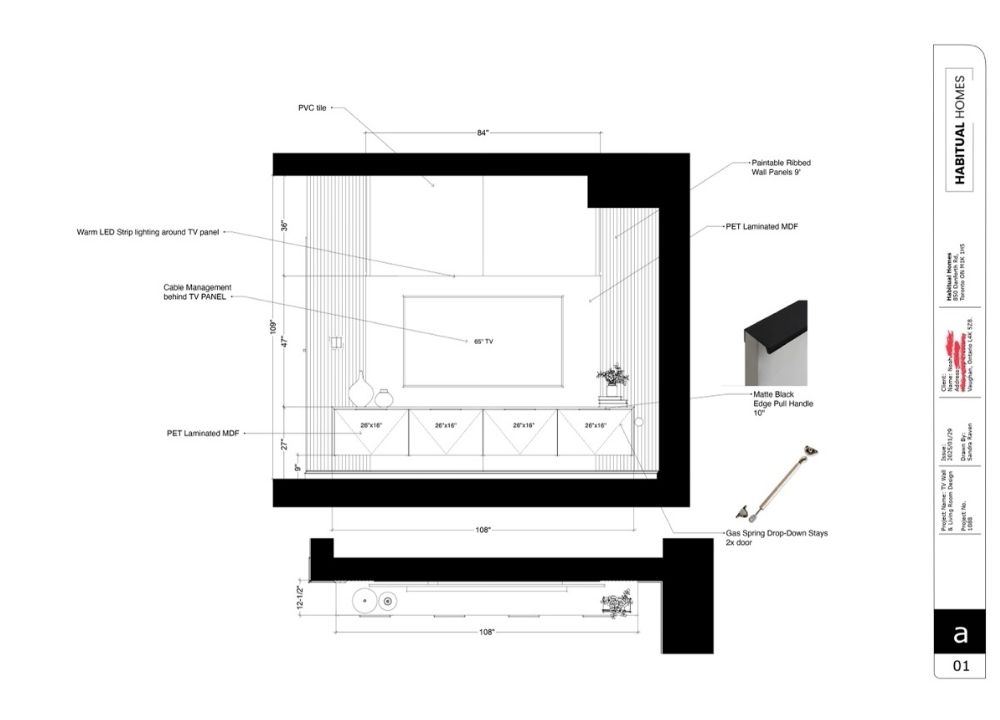

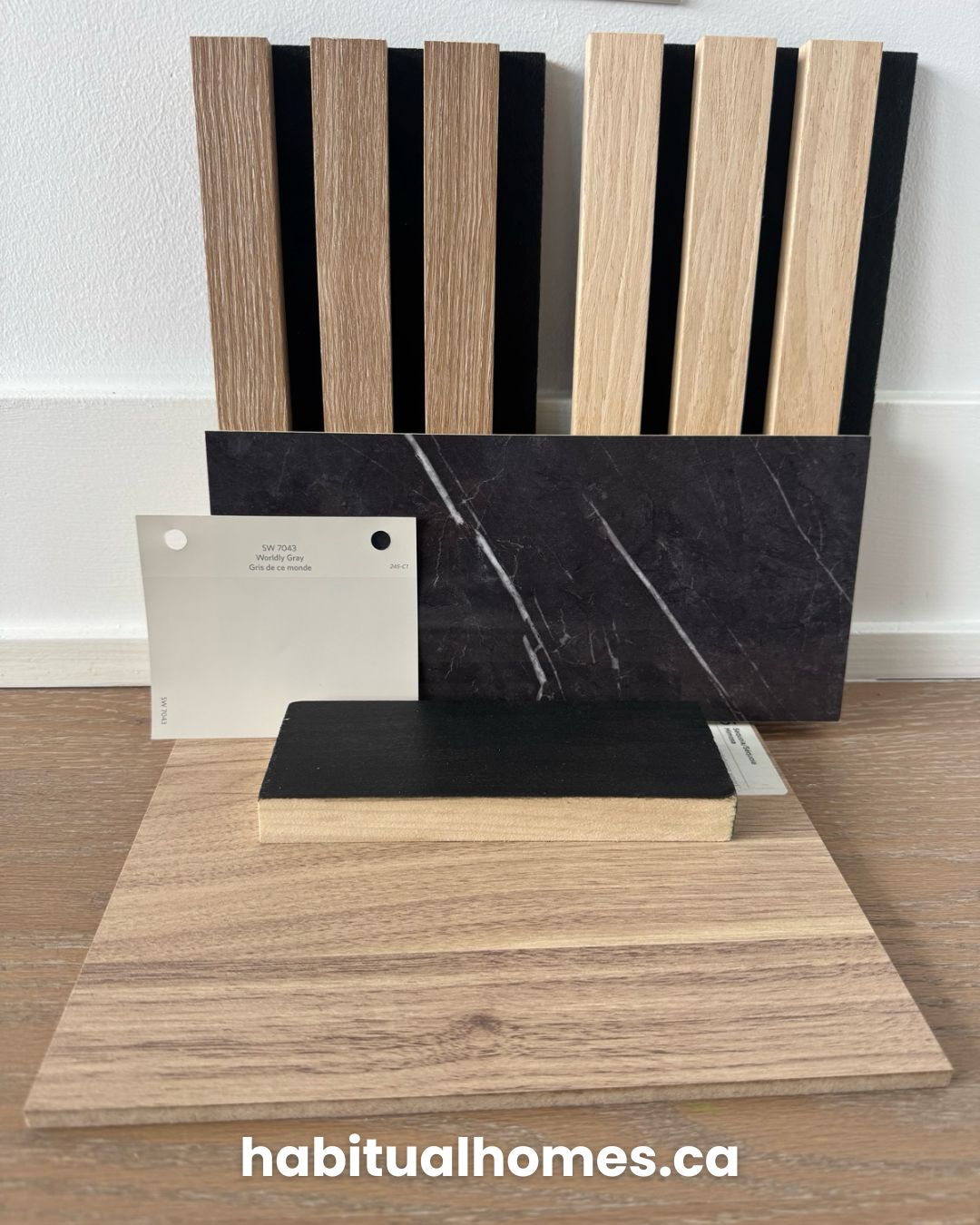

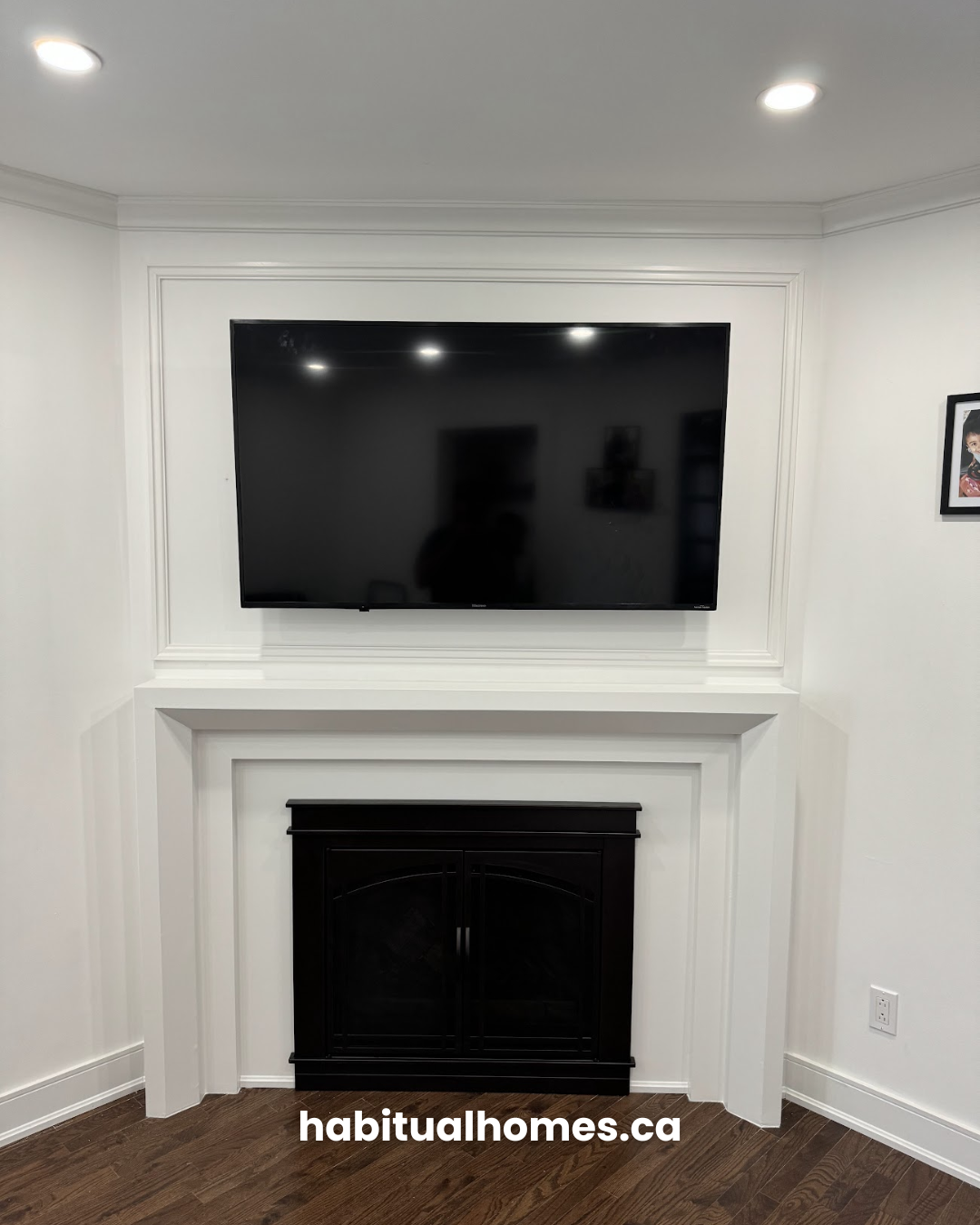
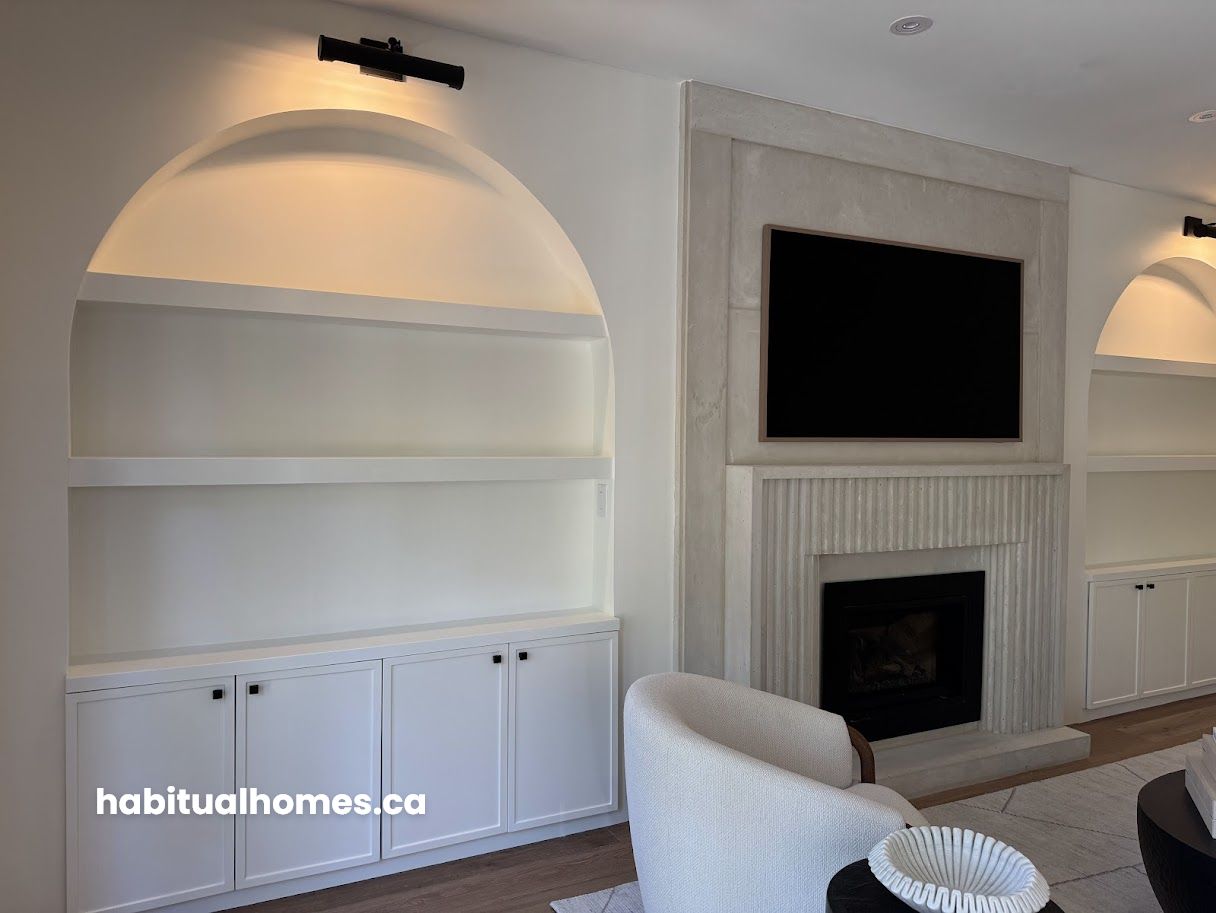
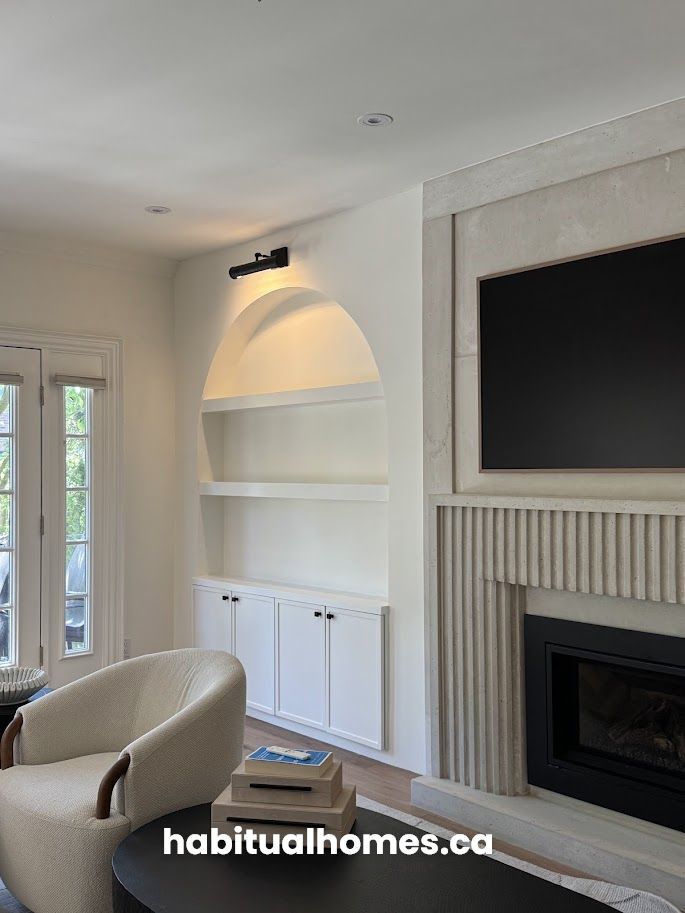
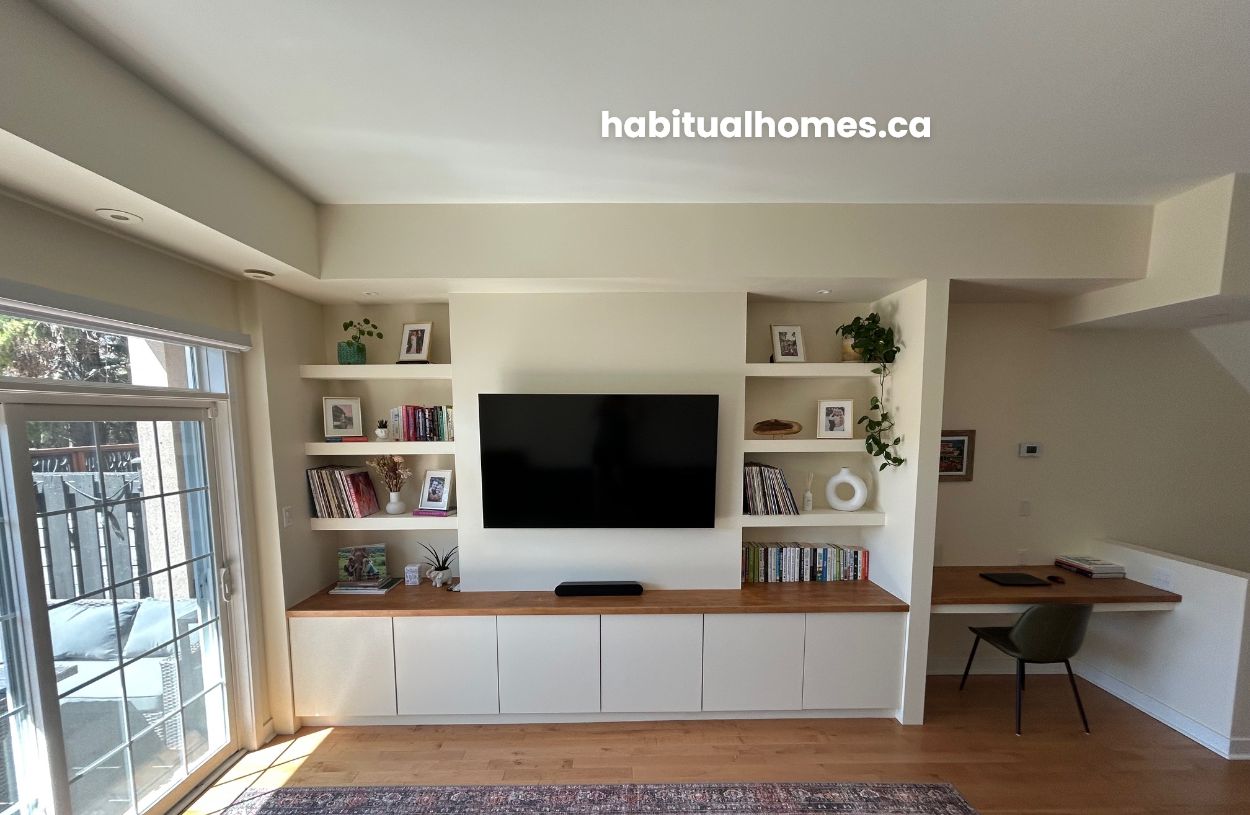
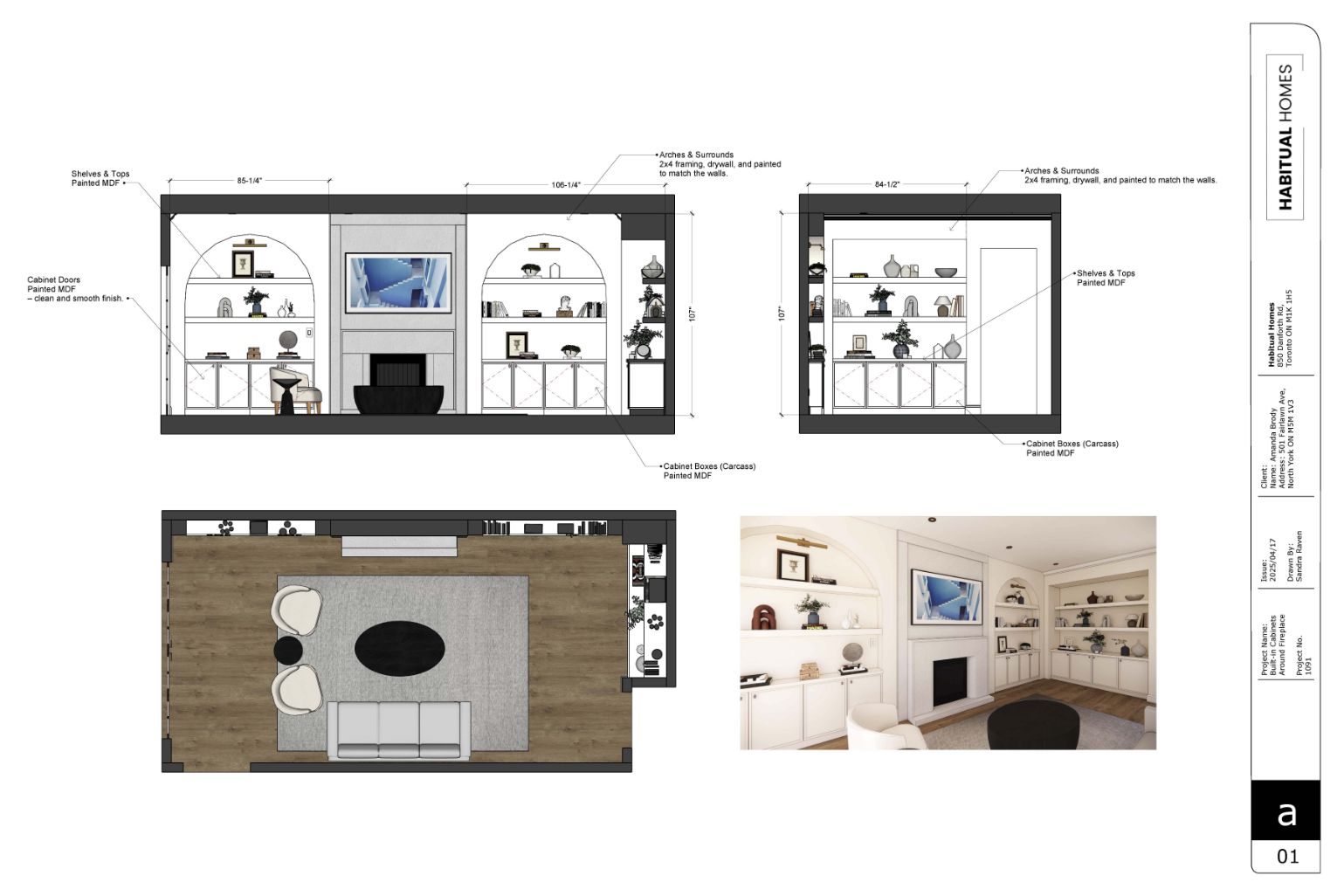
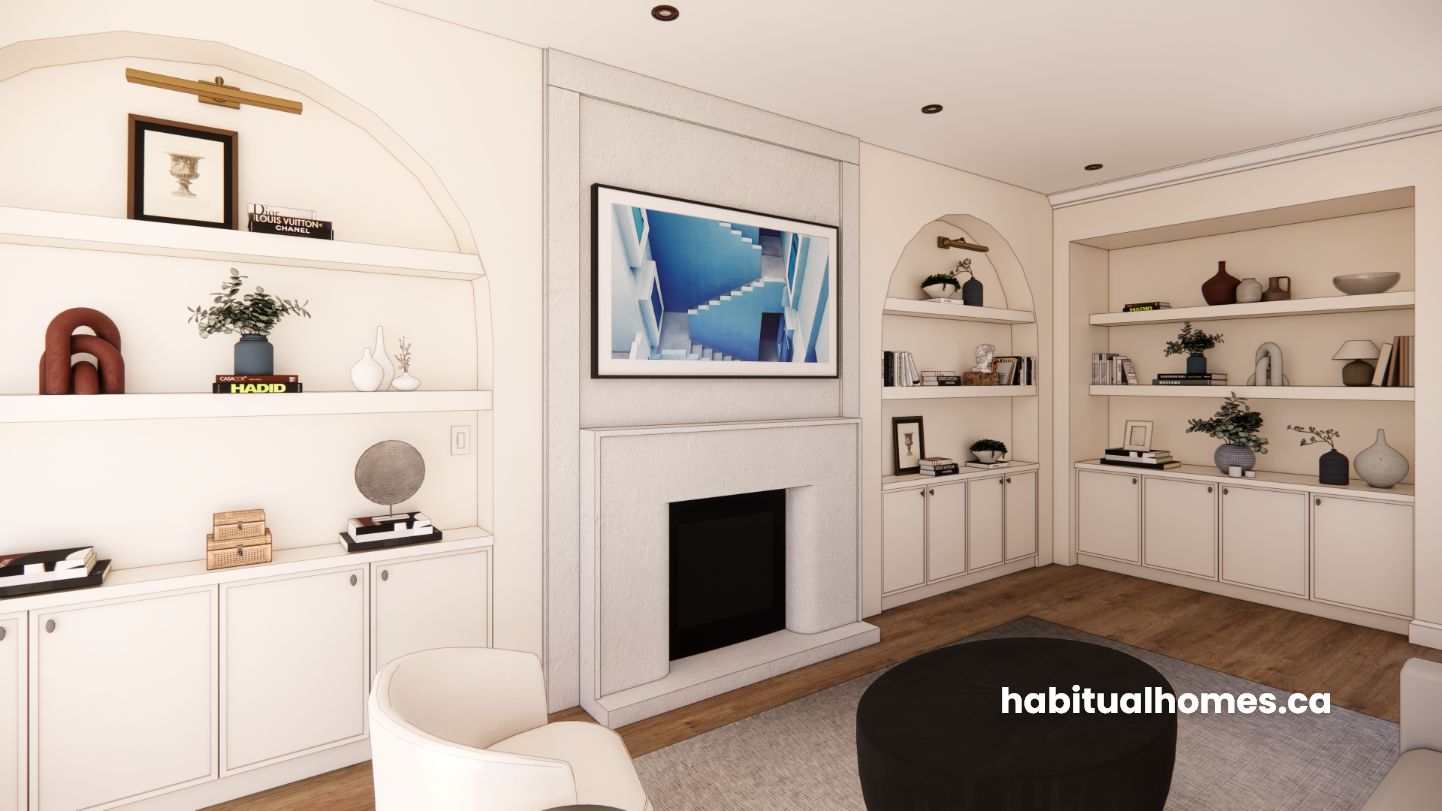
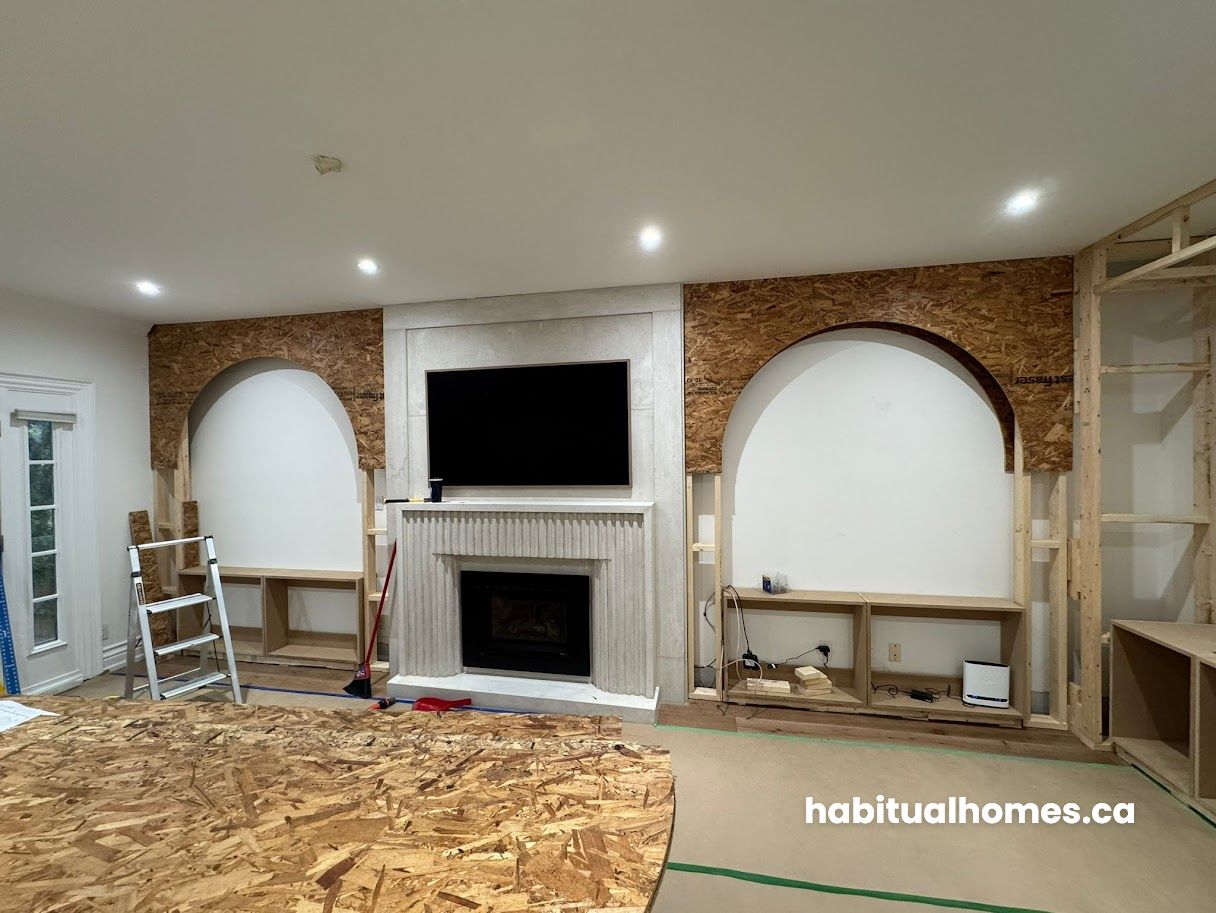


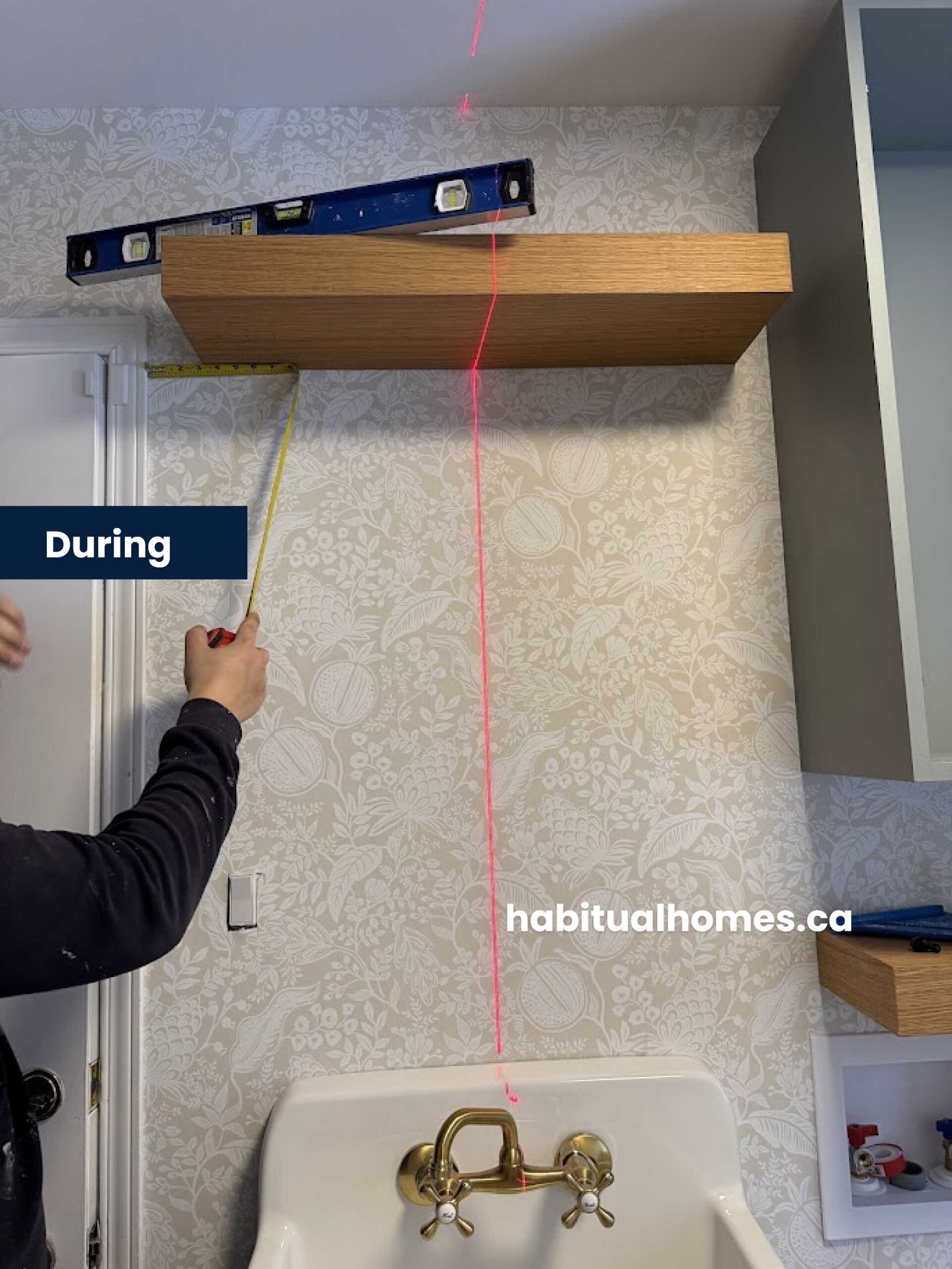
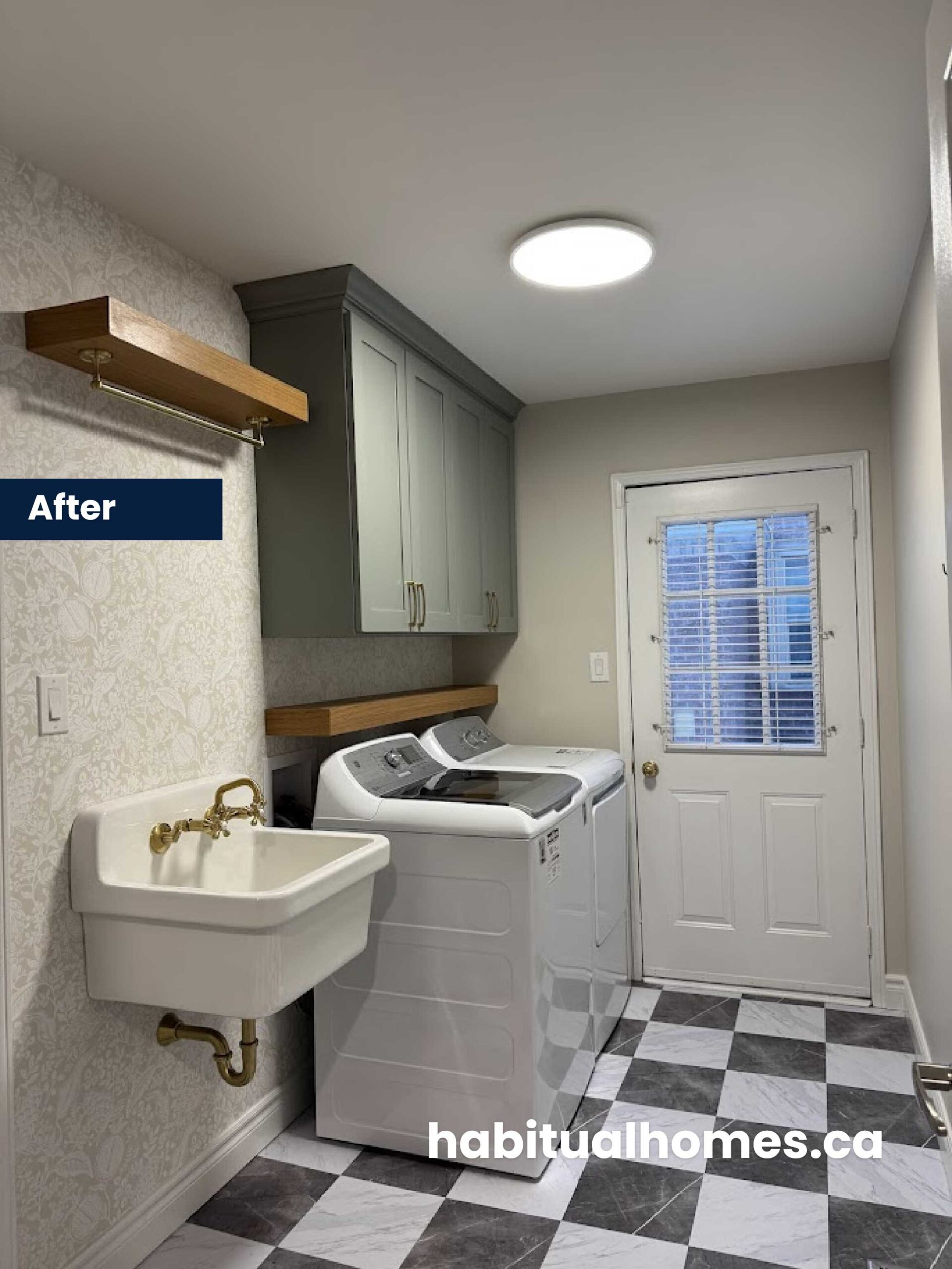
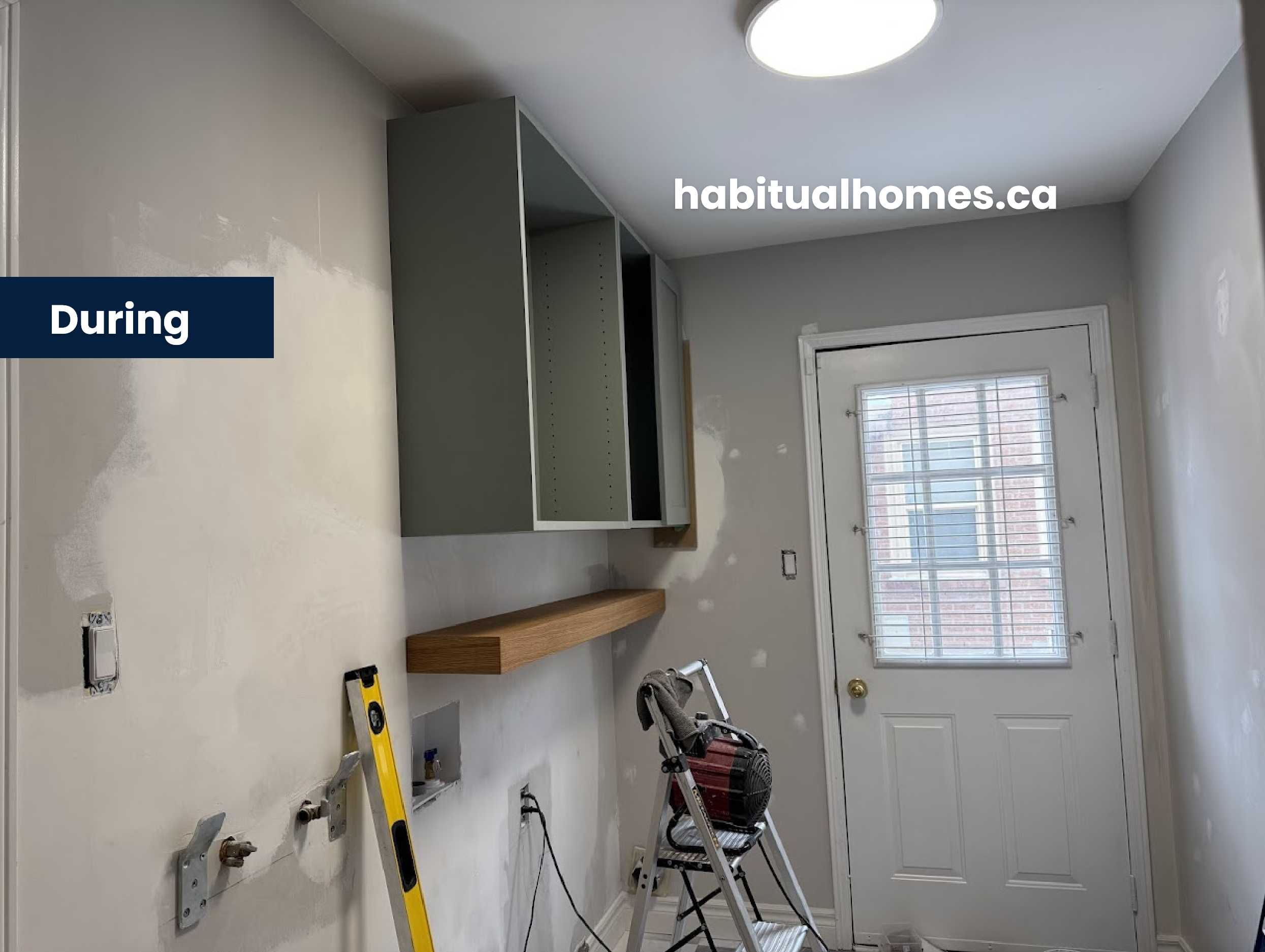
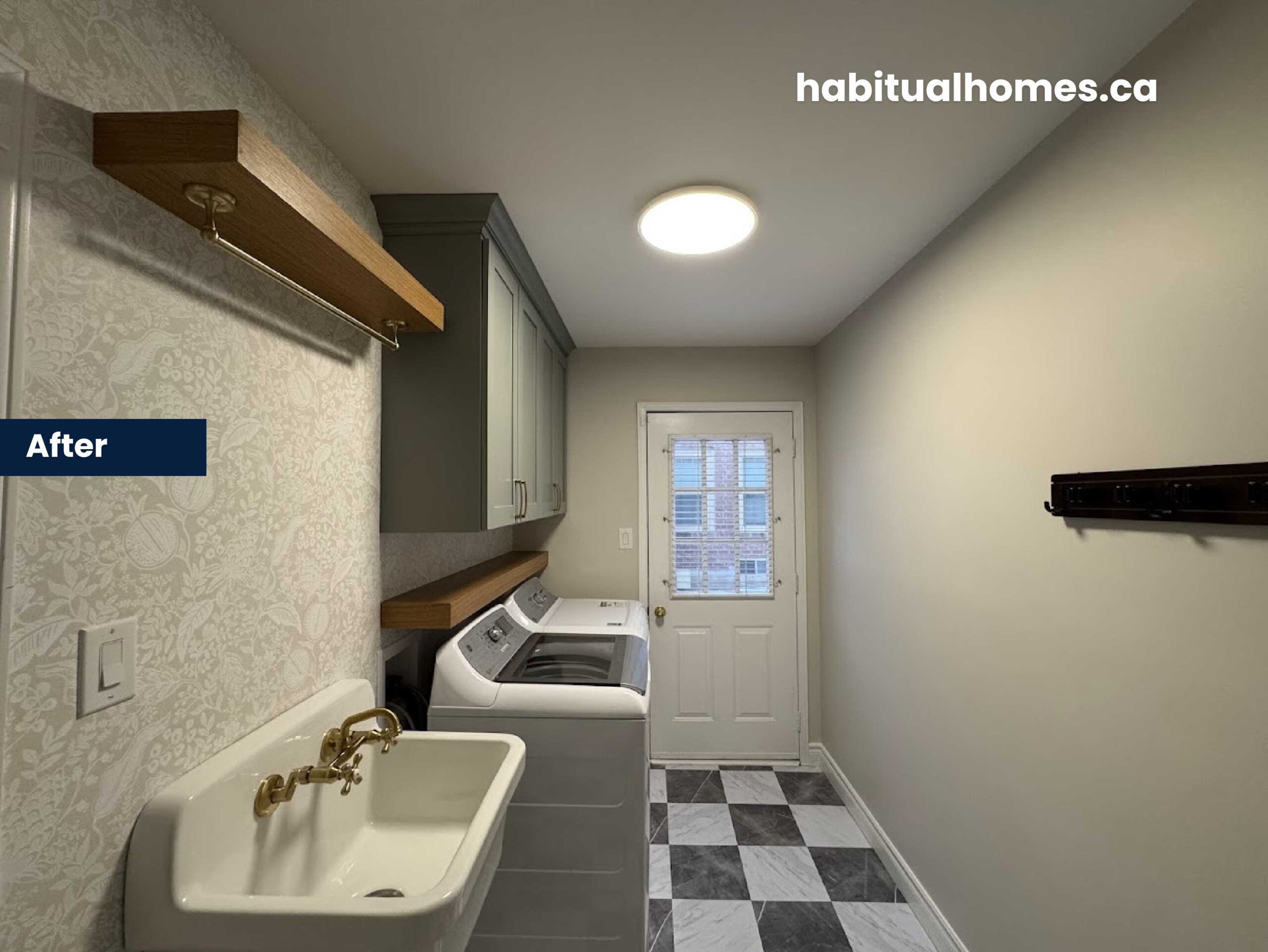
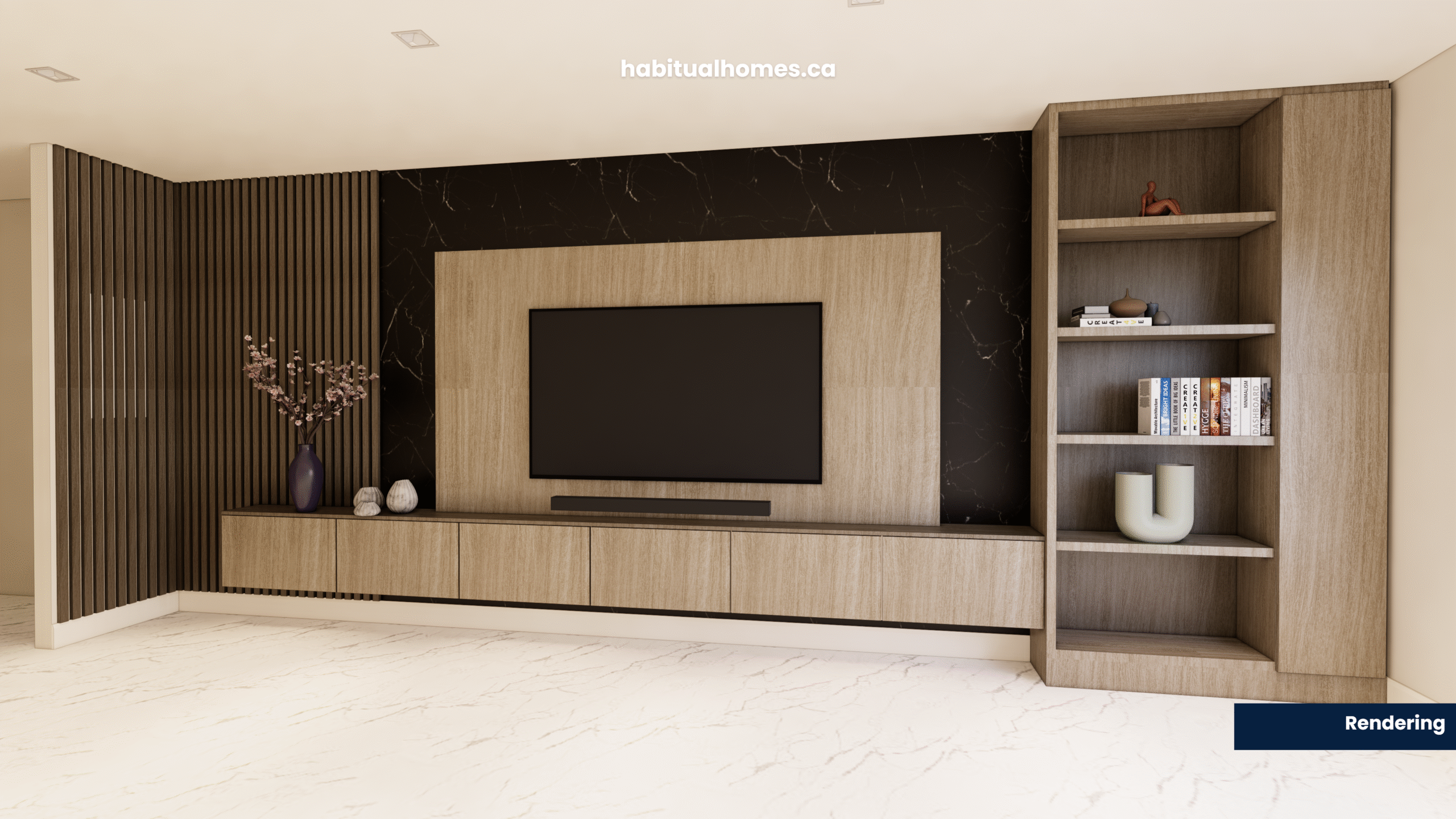
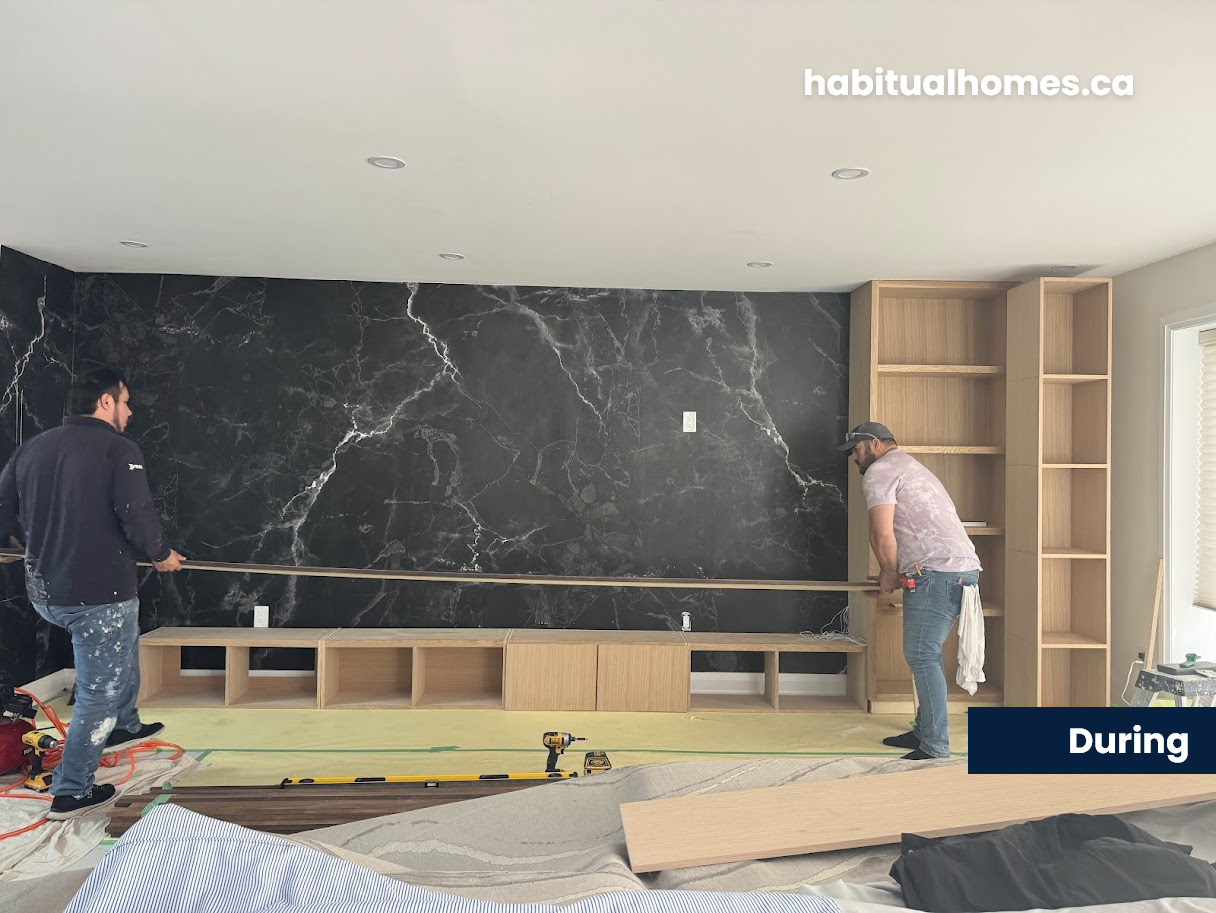
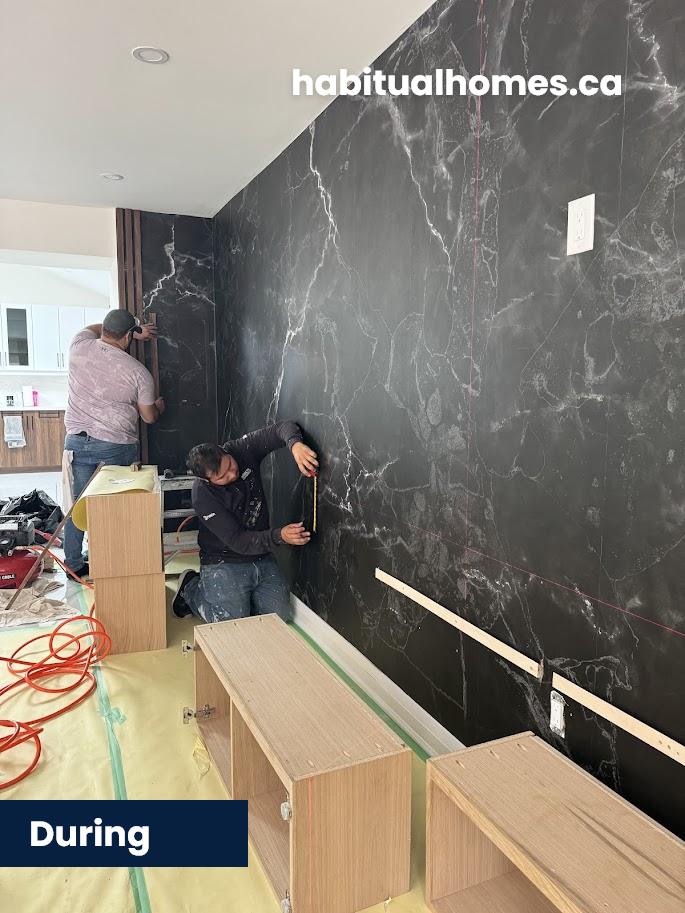
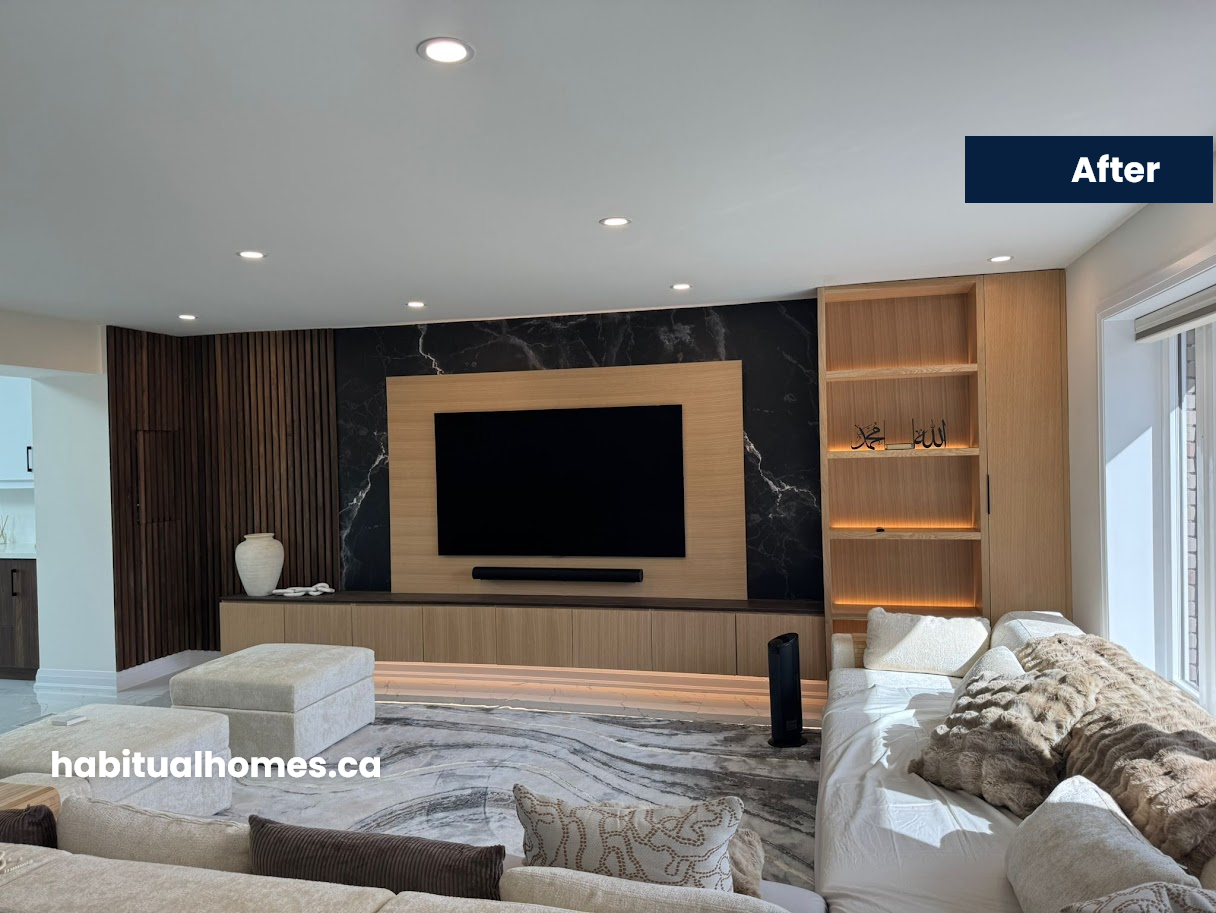
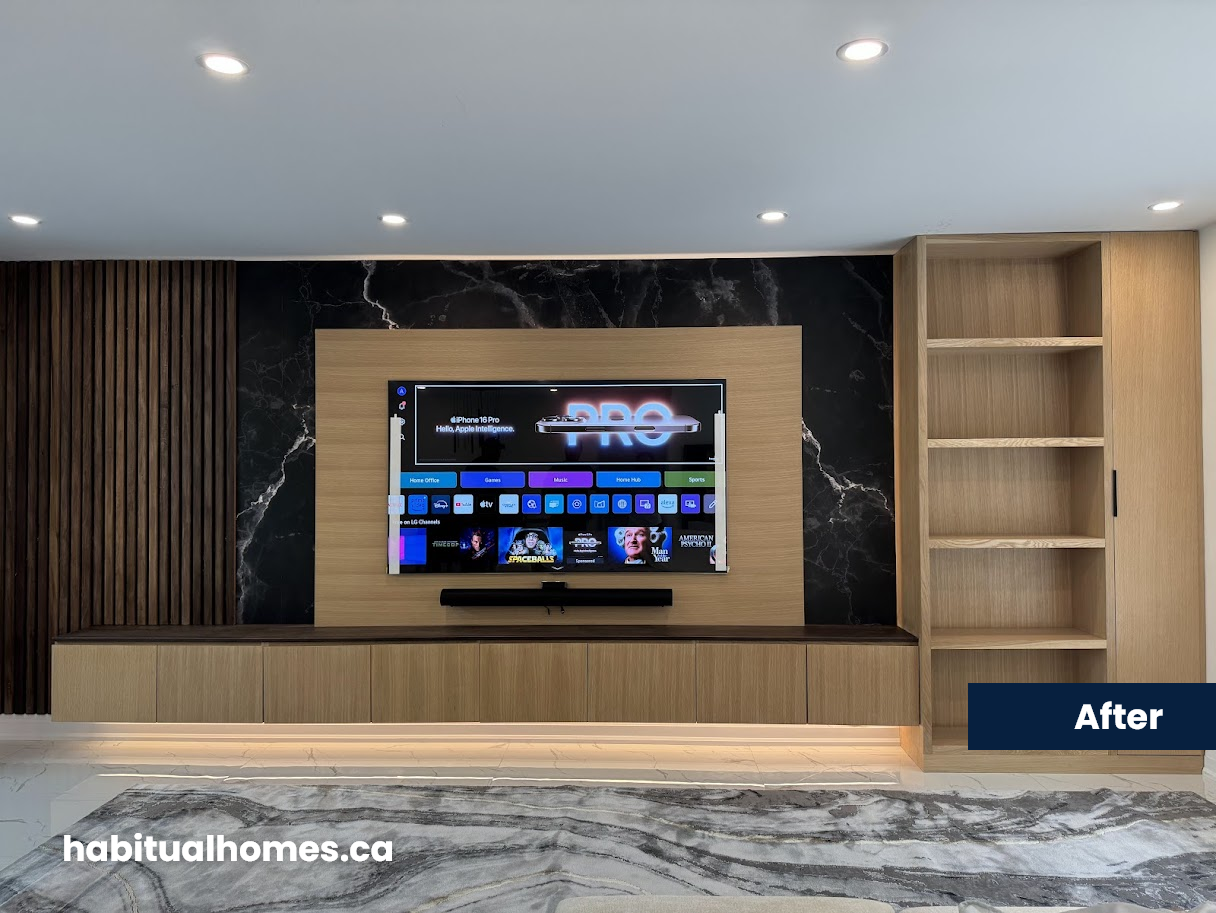
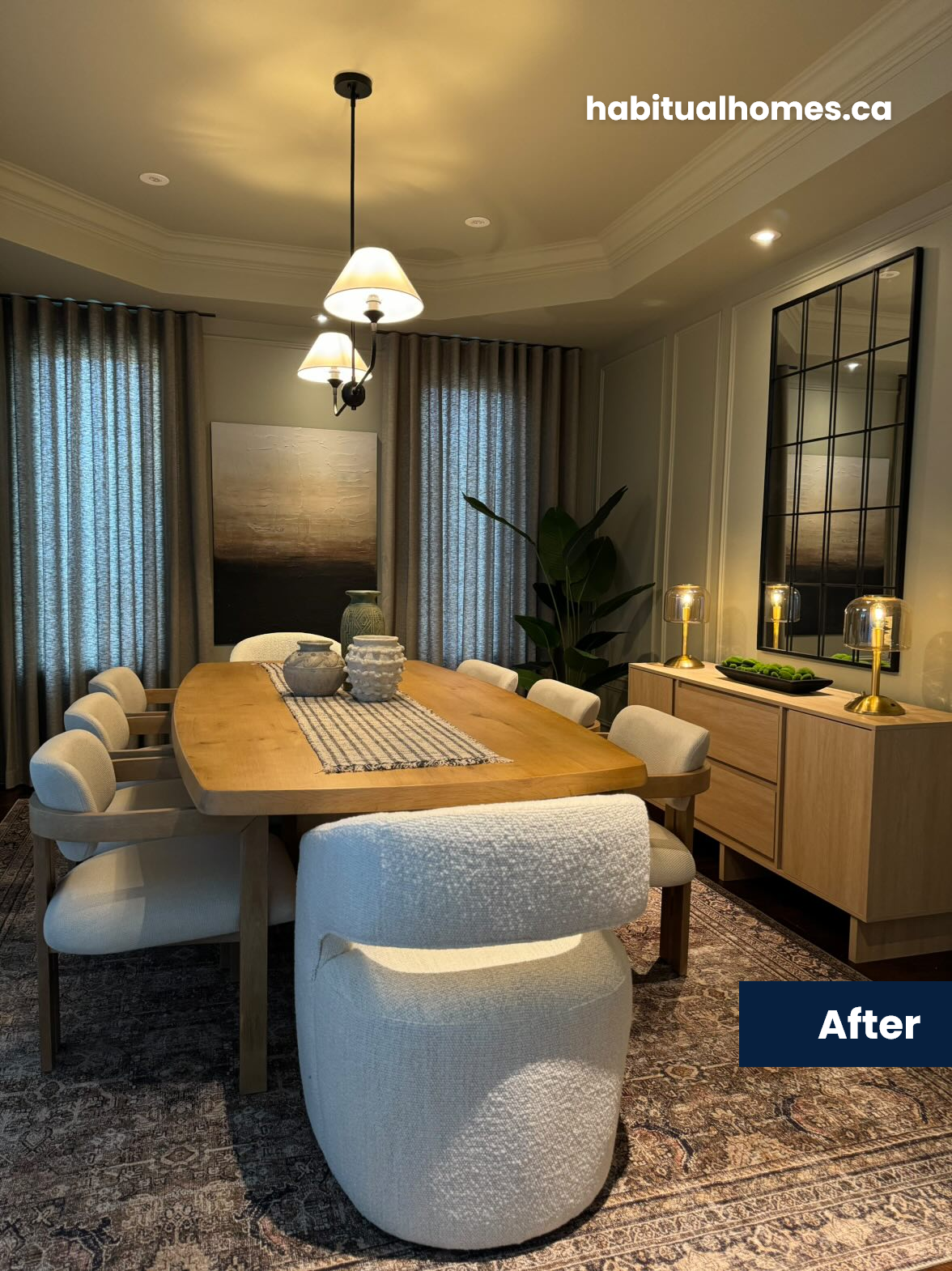
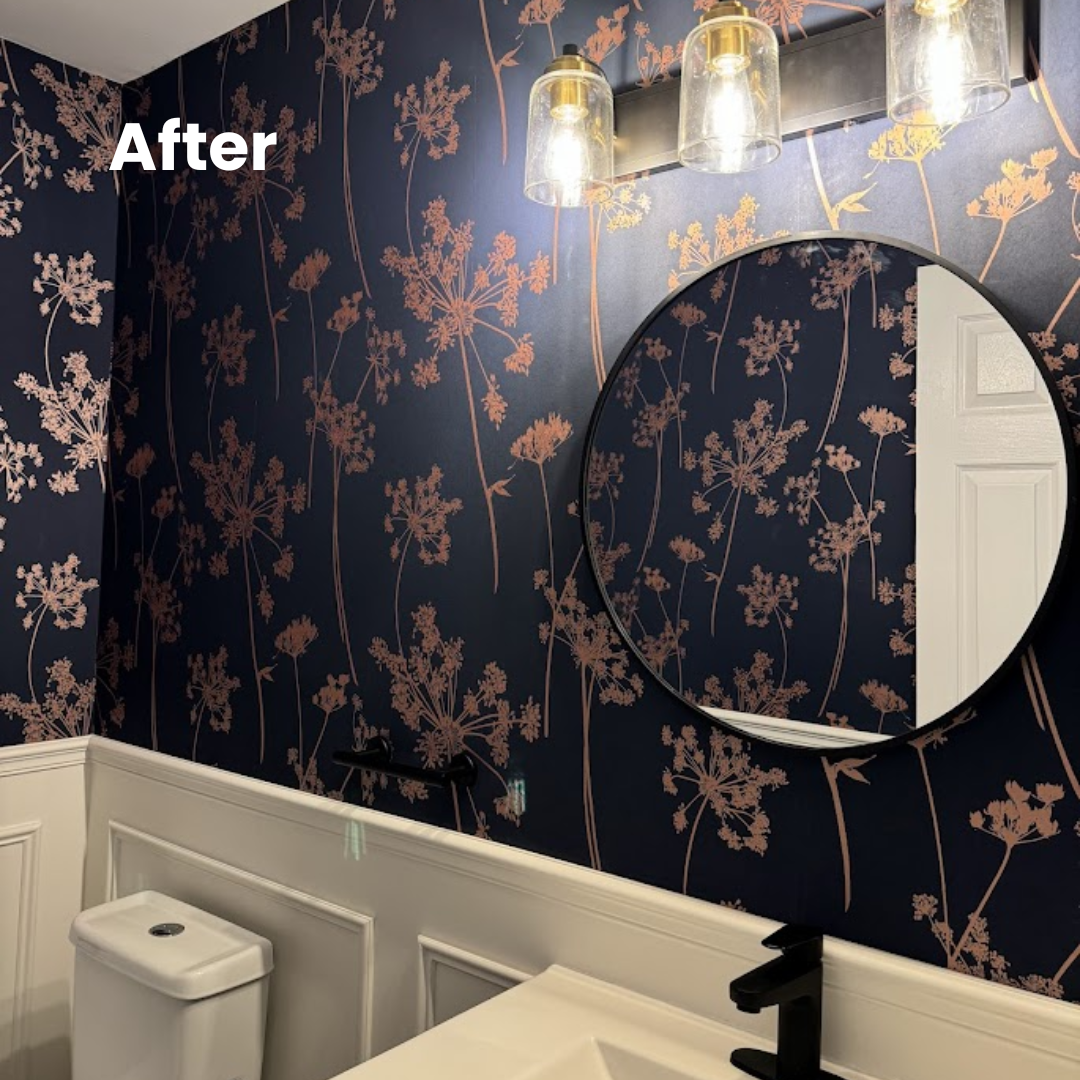
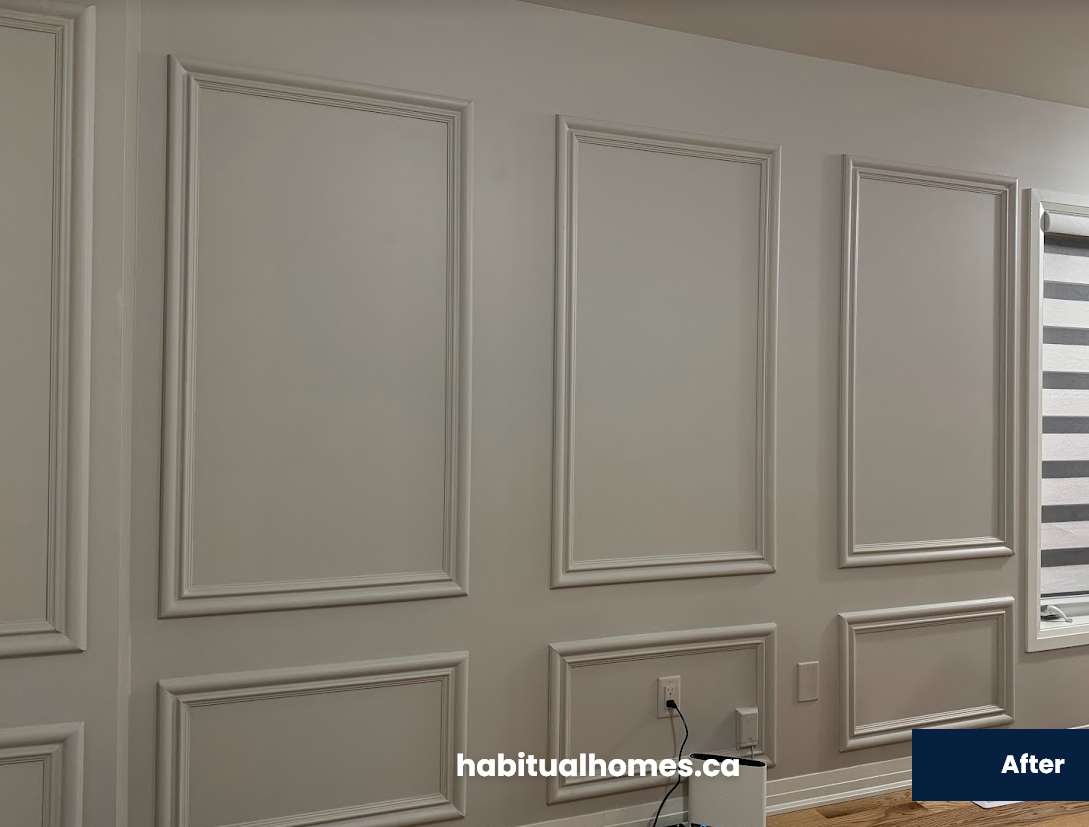
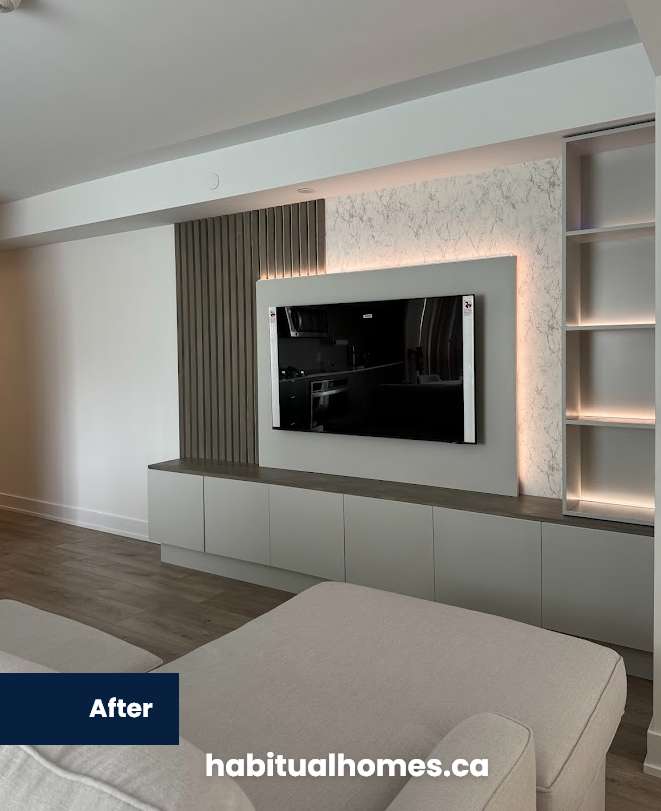
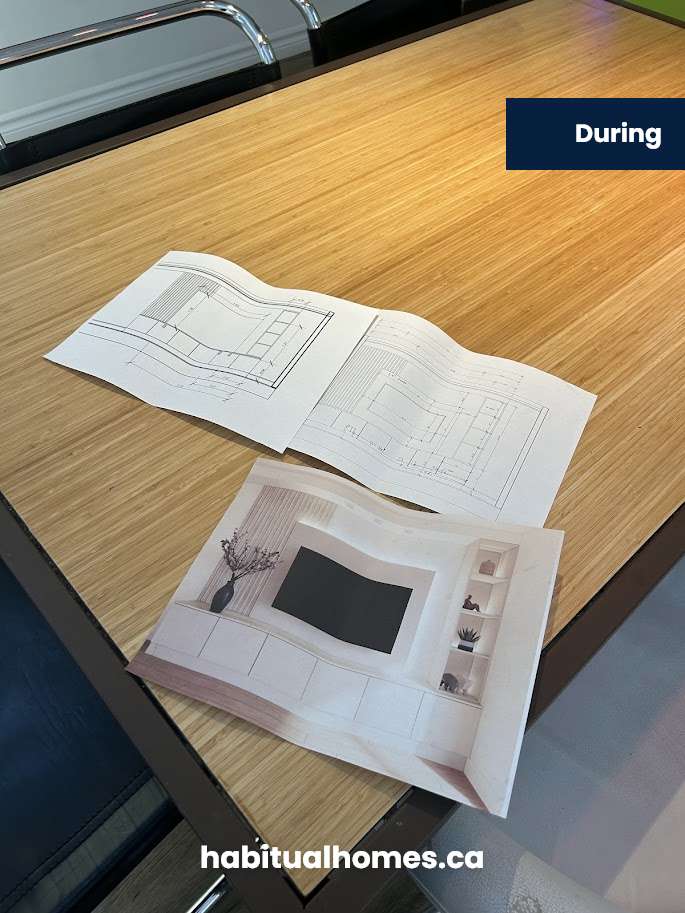
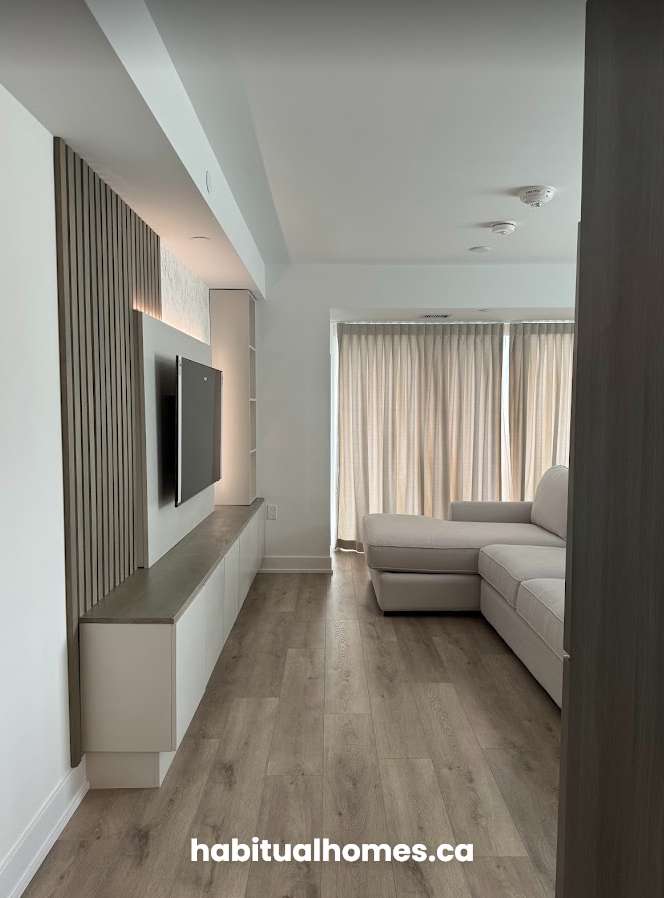
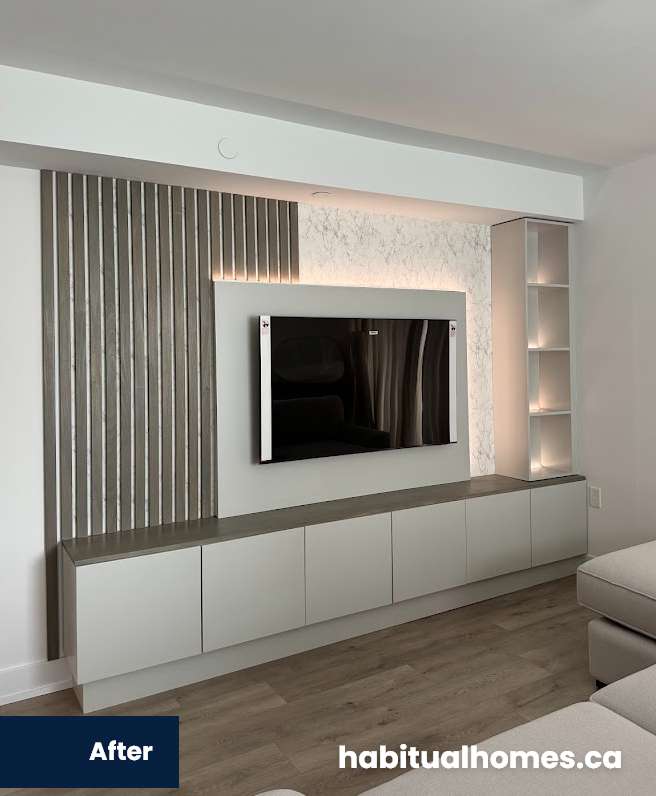



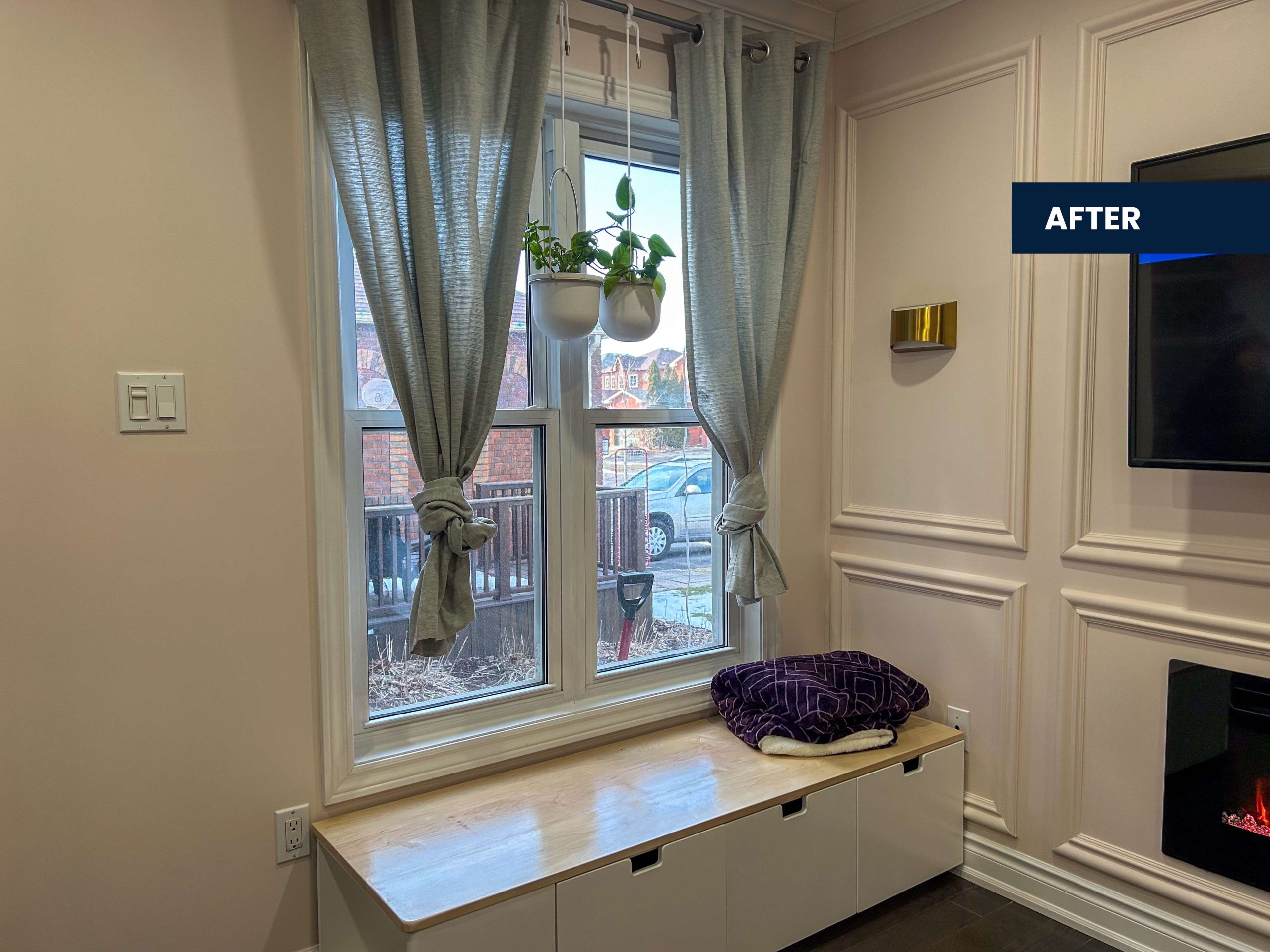
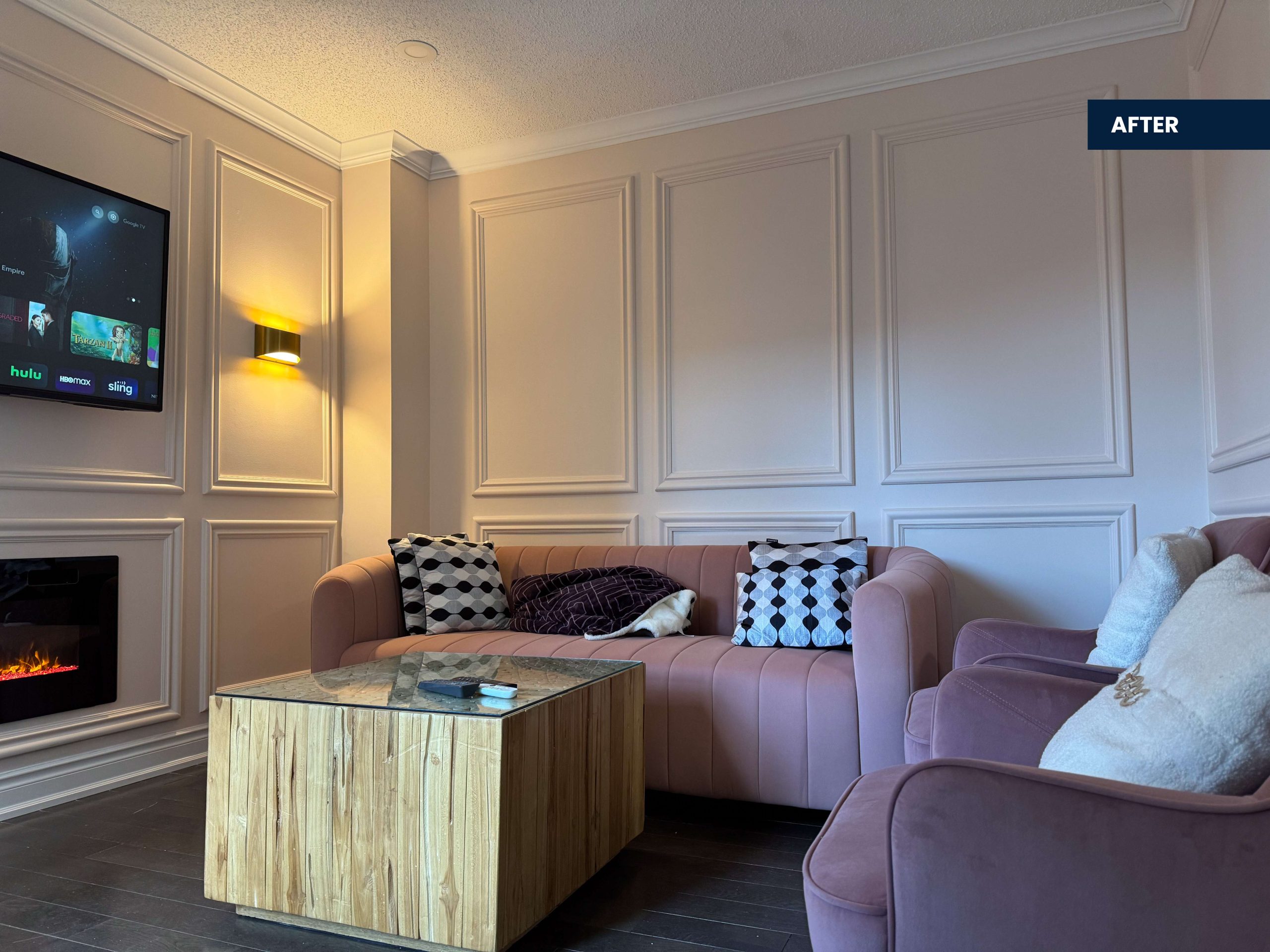
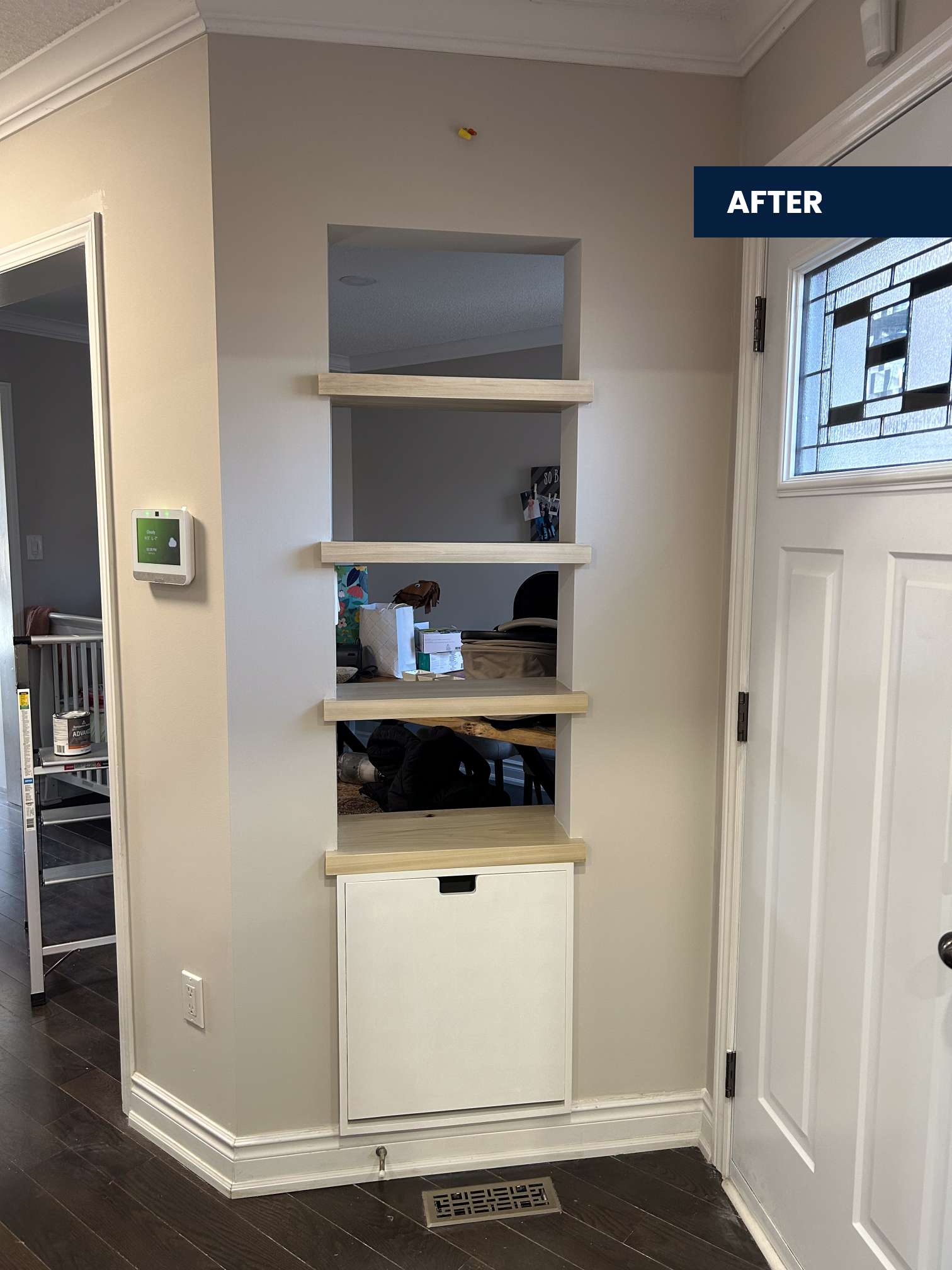
How to Choose Materials and Finishes for Your Built-In Units – Step-by-Step
Step 1: Start With How You’ll Use It
Before picking a best material or finish, think about where and how your built-in will be used.
Questions to ask:
- Is it in a high-traffic area like a hallway or family room?
- Will it be exposed to natural light or UV light daily?
- Is it for storage, display, or both?
- Will it sit near countertop materials, bath tile, or light fixtures that influence its visual appeal?
This is an important step because common materials that work beautifully for upper cabinets in a white kitchen may not be the ideal choice for a laundry room with high humidity.
Step 2: Know the Common Core Materials
Solid Wood
- Pros: Natural wood with natural grain patterns; timeless look; can be refinished
- Cons: Higher prices; can expand/contract with humidity
- Best for: Solid wood cabinets, shelving, focal points, and visible parts of custom kitchen cabinets
Plywood
- Pros: Durable material; great for base cabinets and high-traffic areas; lightweight but strong
- Cons: Higher cost than particle board or medium-density fiberboard
- Best for: Long-lasting builds and structural parts of custom cabinets
Medium-Density Fiberboard (MDF)
(Also known as medium density fiberboard)
- Pros: Smooth surface for painting; uniform look; affordable
- Cons: Can swell with water; not as strong as plywood for heavy loads
- Best for: Painted cabinet door styles, flat panel designs, and frameless cabinets
High-Density Fiberboard (HDF)
- Pros: Harder than MDF; resists dents; smooth for painting
- Cons: Slightly more expensive than MDF
- Best for: Painted custom cabinetry in modern designs or contemporary looks
Particle Board
- Pros: Budget-friendly; common in stock cabinets and modular kitchens
- Cons: Lower durability; not great for high-traffic areas
- Best for: Temporary solutions or lower-cost projects
Melamine and Laminate
- Pros: Made from plastic resins and synthetic materials; resistant to moisture; easy to clean
- Cons: May chip at edges; can have a less natural materials feel
- Best for: Interiors of new cabinets, laundry rooms, or budget-friendly custom solutions
Wood Veneers
- Pros: Thin layers of wood over a core; keeps wood looks without the cost of solid maple or walnut
- Cons: Needs careful sealing to prevent lifting
- Best for: Face frame accents, open shelving, and visual interest in design trends
Step 3: Choose the Right Finish
The finish you choose determines both the visual appeal and how well your built-in stands up to the rigors of daily use.
Paint
- Works well on MDF, HDF, and plywood
- Choose neutral colors for a timeless look or bold shades for focal points
- High gloss finishes create a modern look but show fingerprints; matte finishes hide wear better
Veneer
- Brings in natural materials feel and wood tones
- Adds warmth and visual interest through natural grain patterns
Laminate
- A popular choice for a clean look and uniform look
- Can mimic natural stone, wood looks, or even ceramic tile
Thermofoil Cabinets
- Vinyl over medium-density fiberboard
- Great for contemporary look and easy cleaning
- Limited in different color options compared to paint
Step 4: Think About the Overall Design
When integrating built-ins into your overall design, consider:
- Color scheme — How the right cabinets and finishes work with your light fixtures, walls, and flooring
- Wood tones — Use lighter tones for natural light spaces, darker tones for a cozy feel
- Mixing materials — Combining natural wood with synthetic materials can create unique style and visual interest
Step 5: Match Materials to the Room
Kitchen Renovation:
- Best material: Plywood or HDF for structure, veneer or painted MDF for doors
- Countertop materials like quartz or natural stone should coordinate with cabinet finishes
Laundry Room:
- Moisture-resistant composite materials or laminate for easy cleaning
- Avoid solid wood cabinets in high-moisture areas unless properly sealed
Built-In Closets:
- Wood veneers or melamine for interiors; solid wood or painted MDF for visible fronts
- Consider frameless cabinets for a modern look
Step 6: Don’t Forget Maintenance
Some materials require more upkeep:
- Solid wood may need refinishing
- High gloss finishes show smudges
- Laminate and thermofoil cabinets are easier for quick cleaning
FAQ: Choosing Materials and Finishes for Built-In Units
1. What is the best material for built-in cabinets?
For most projects, plywood with a hardwood veneer is the best choice because it’s strong, stable, and works well with both paint and stain. For a modern look, medium-density fiberboard (MDF) is excellent for smooth painted finishes.
2. What is the best material for cabinets?
The right choice depends on your budget, style, and practical needs. Solid wood cabinets offer timeless appeal, MDF provides a clean look, and plywood gives you a strong, moisture-resistant base — making it an ideal choice for kitchens and bathrooms.
3. What is the most durable finish for cabinets?
A high-quality catalyzed lacquer or polyurethane finish is the most durable, resisting the rigors of daily use. For high-traffic areas, consider a semi-gloss finish, which adds visual appeal and is easier to clean.
4. Should I use plywood or MDF for cabinets?
Use plywood for strength and moisture resistance, especially in high-traffic areas like a laundry room or new kitchen. Use MDF if you want a perfectly smooth painted finish for custom cabinetry in living spaces.
5. Are wood veneers durable enough for built-ins?
Yes. Wood veneers — thin layers of wood bonded to a stable core — offer natural grain patterns and the warmth of natural materials at a lower cost than solid wood cabinets.
6. Can I mix natural and synthetic materials in built-ins?
Absolutely. Many interior designers mix natural wood with synthetic materials like thermofoil cabinets or laminate to create a unique style that’s also easy to maintain.
7. Which materials are best for laundry room built-ins?
Moisture-resistant composite materials or high-pressure laminates are the best choice for laundry rooms, as they handle humidity and daily wear.
8. Do solid wood cabinets warp?
They can if exposed to fluctuating humidity. The design process should include sealing and proper installation to prevent warping.
9. What’s the most budget-friendly material for built-ins?
Particle board with a melamine or laminate finish is a common type for stock cabinets, offering a clean look at a lower price.
10. What finish is best for a modern look?
Flat panel doors in neutral colors with a high gloss or matte finish create a contemporary look with uniform appeal.
11. Are thermofoil cabinets good for built-ins?
Yes, they’re a popular choice for low-maintenance, budget-friendly projects. However, avoid placing them near heat sources.
12. How do I match built-in finishes to my overall design?
Consider your color scheme, natural light, and design style. Wood tones add warmth, while neutral colors and white kitchens offer timeless looks.
13. Should I use natural stone or ceramic tile for built-in surfaces?
Yes, both are durable materials with aesthetic appeal, especially as countertop materials or accents in kitchens and baths.
14. What are the most commonly used cabinet materials?
Plywood, MDF, HDF, particle board, and solid maple are the most commonly used materials in both custom cabinets and stock cabinets.
15. Are face frame cabinets better than frameless cabinets?
Face frame cabinets offer a traditional, sturdy construction, while frameless cabinets give you more interior space and a modern look.
16. Which materials resist UV light best?
High-quality materials with UV-protected finishes or laminates help prevent fading in spaces with lots of natural light.
17. Can built-ins be made from stainless steel?
Yes. Stainless steel is an excellent choice for durability, especially in kitchens, though it’s less common in living spaces.
18. Are high-pressure laminates better than regular laminates?
Yes. High pressure laminates resist scratches and moisture better, making them great for high-traffic areas.
19. Can I get built-ins in different colors and wood tones?
Yes. Many custom cabinetry projects offer different colors, stains, and wood tones to match your design elements.
20. How do I choose the right cabinets for my dream kitchen?
Work with an interior designer or custom cabinetry specialist who can balance high-quality materials, visual appeal, and your practical needs for the long run.
Final Takeaway
Choosing the right materials and finishes for your built-ins is about finding the balance between practical needs, design style, and budget. Whether you’re working on a kitchen renovation, adding custom kitchen cabinets, or creating a dream kitchen, your material selection will be the foundation of its long run durability and beauty.
If you want a built-in that’s custom-designed for your unique needs, our team at Habitual Homes can guide you through the design process, recommend the best choice of high-quality materials, and deliver a custom solution that looks beautiful and lasts.
📅 Book your consultation today — let’s design something that fits your life and your style perfectly.