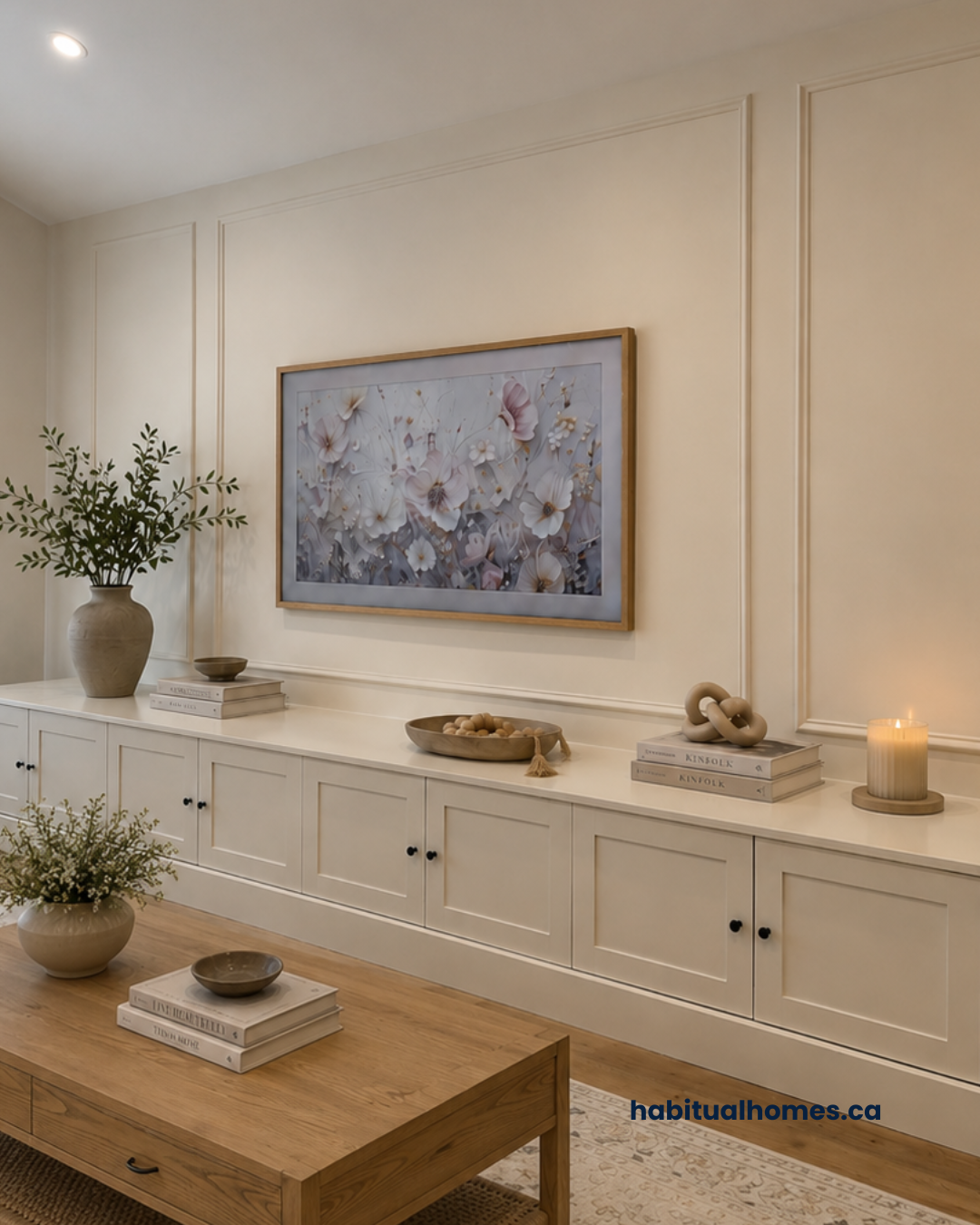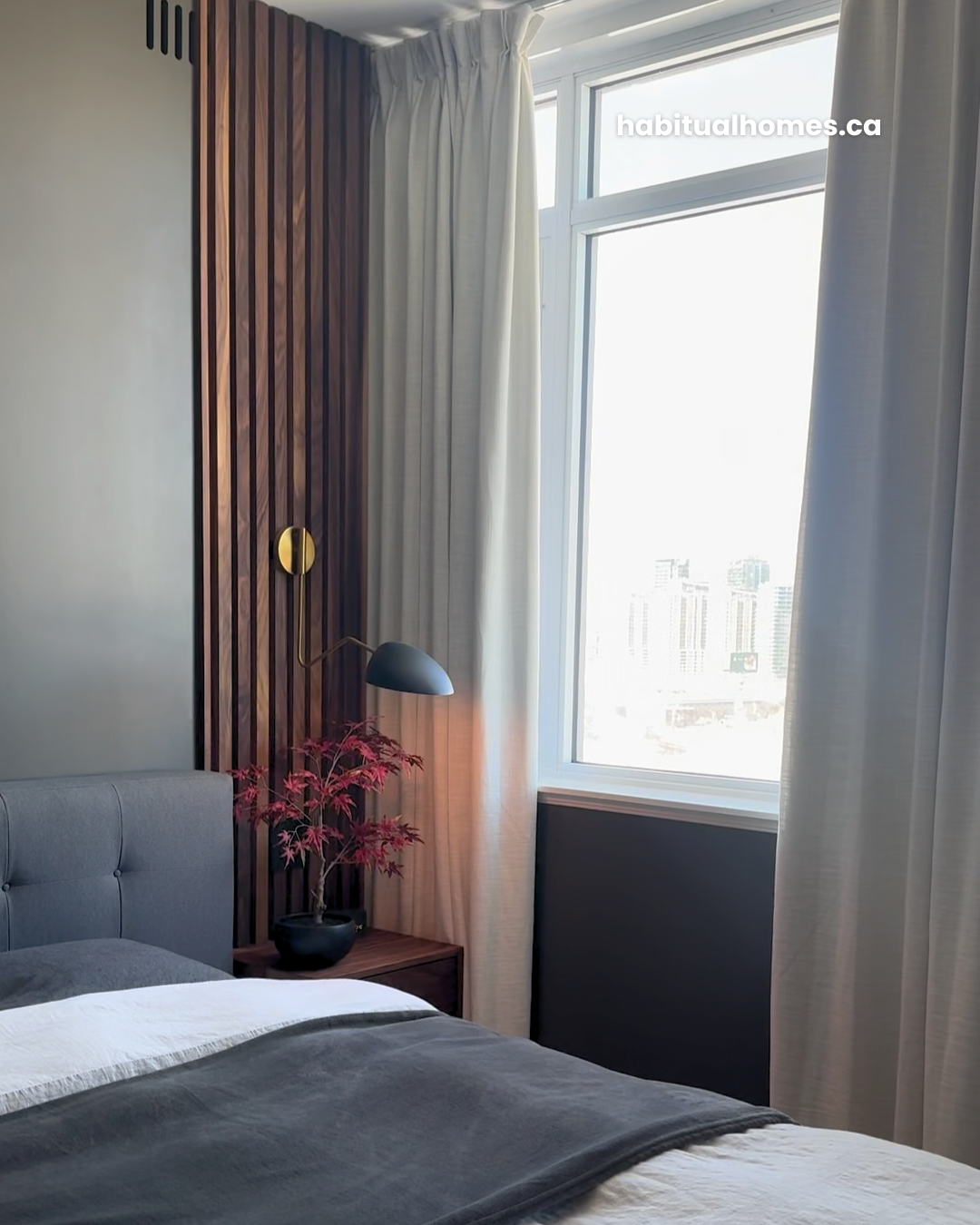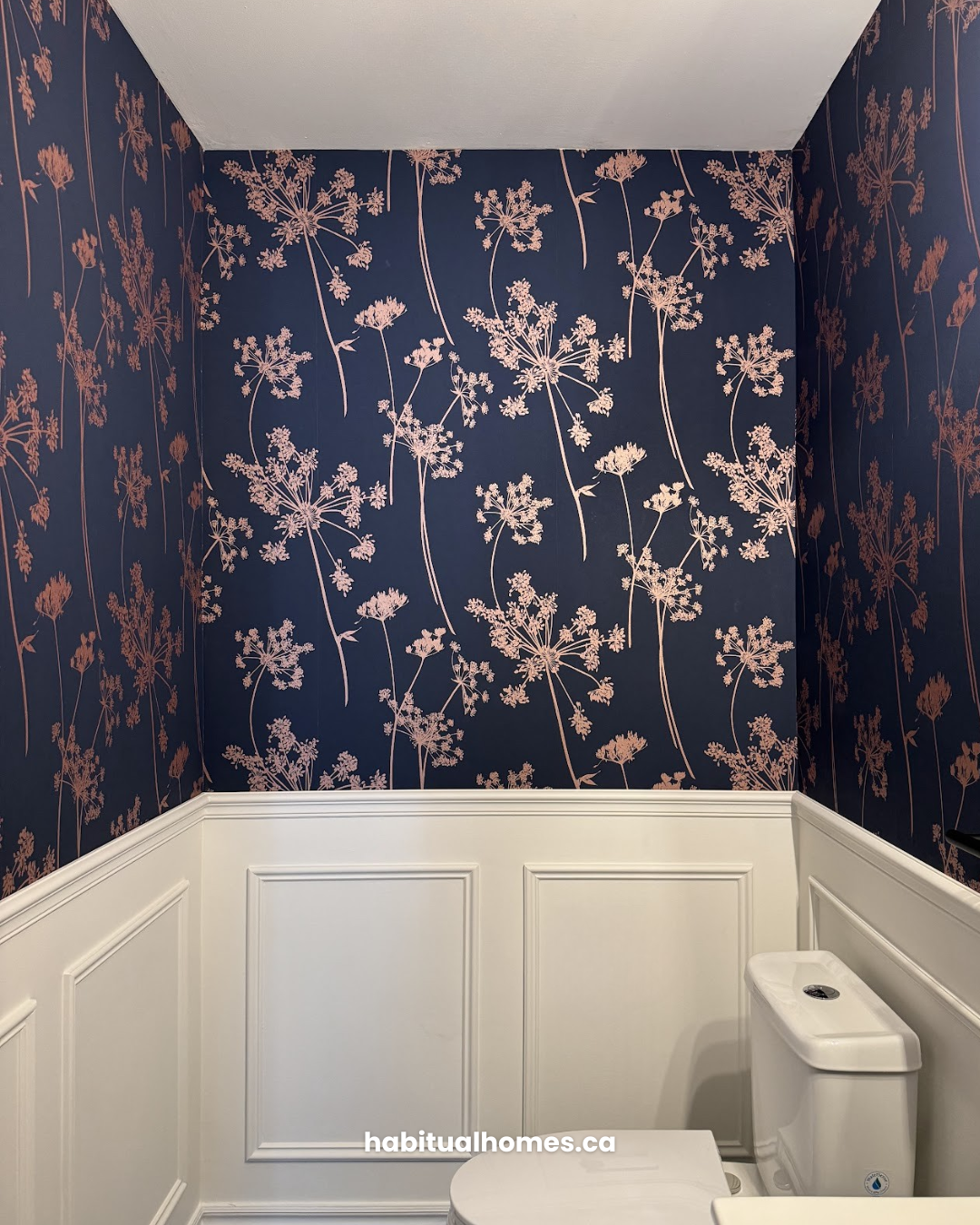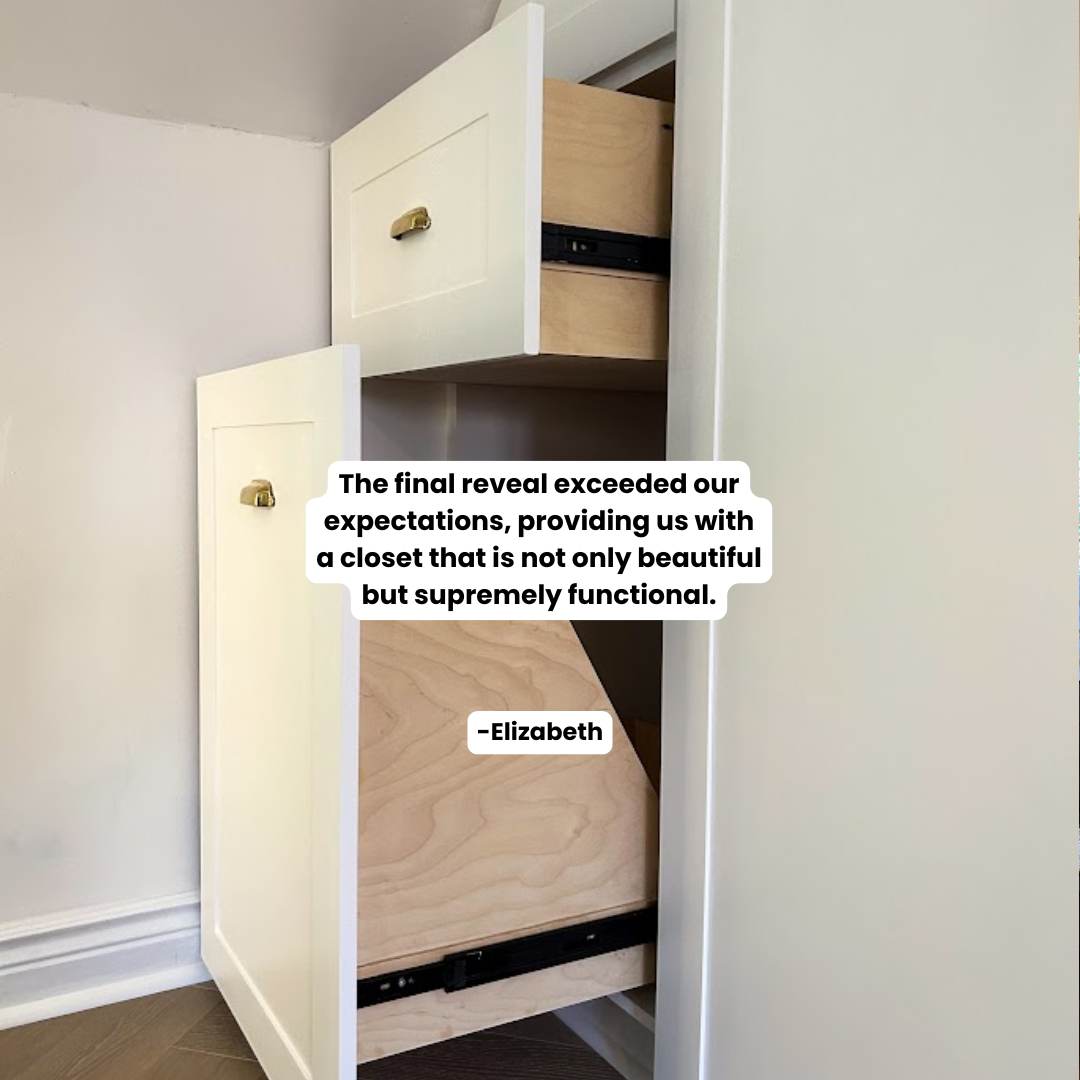
You know, there’s a common belief that using white in home decor can make a space feel cold and stark.
But hey, guess what? That doesn’t have to be the case at all! In fact, whites and neutrals are some of the most versatile and warm colors you can use to create a cozy and inviting atmosphere in your home. 🏡✨
In this post, we’re going to dive deep into how you can transform your living spaces using the perfect shades of white and neutral tones.
Whether you’re blessed with lots of natural sunlight 🌞 or your rooms tend to be on the darker side 🌙, we’ve got tips and tricks to make your home feel just right. You’ll learn how to harness natural light, choose the right shades, layer colors effectively, and add those essential accents and textures to make your space pop. 🎨✨
So, if you’ve been thinking white is too cold or bland, stick around. By the end of this post, you’ll be ready to say goodbye to stark and hello to warm, cozy, and stylish! 🛋️ Ready to get started? Let’s go!
The Misconception About White
To be honest, white often gets a bad rap for being too cold or stark. Many people believe that decorating with white will make their home feel clinical or impersonal. But hey, that’s just a misconception!
The thing is, white is one of the most versatile colors in the decorating world. When used correctly, it can create a sense of calm, cleanliness, and even warmth.
Think about a cozy winter morning with a fresh blanket of snow outside—there’s a kind of serene beauty in that whiteness, right? 🌨️
What’s important to understand is that white comes in many shades and undertones. You can choose warm whites with yellow or red undertones to add a cozy feel to your room, or cool whites with blue or green undertones for a fresh and crisp look.
The key is knowing how to balance these shades to match your overall decor and desired ambiance.
In the next sections, we’ll explore how to use whites and neutrals in various ways to transform your home. From maximizing natural light to layering different tones and adding textures, you’ll see that white can be anything but boring. 😉
Harnessing Natural Light
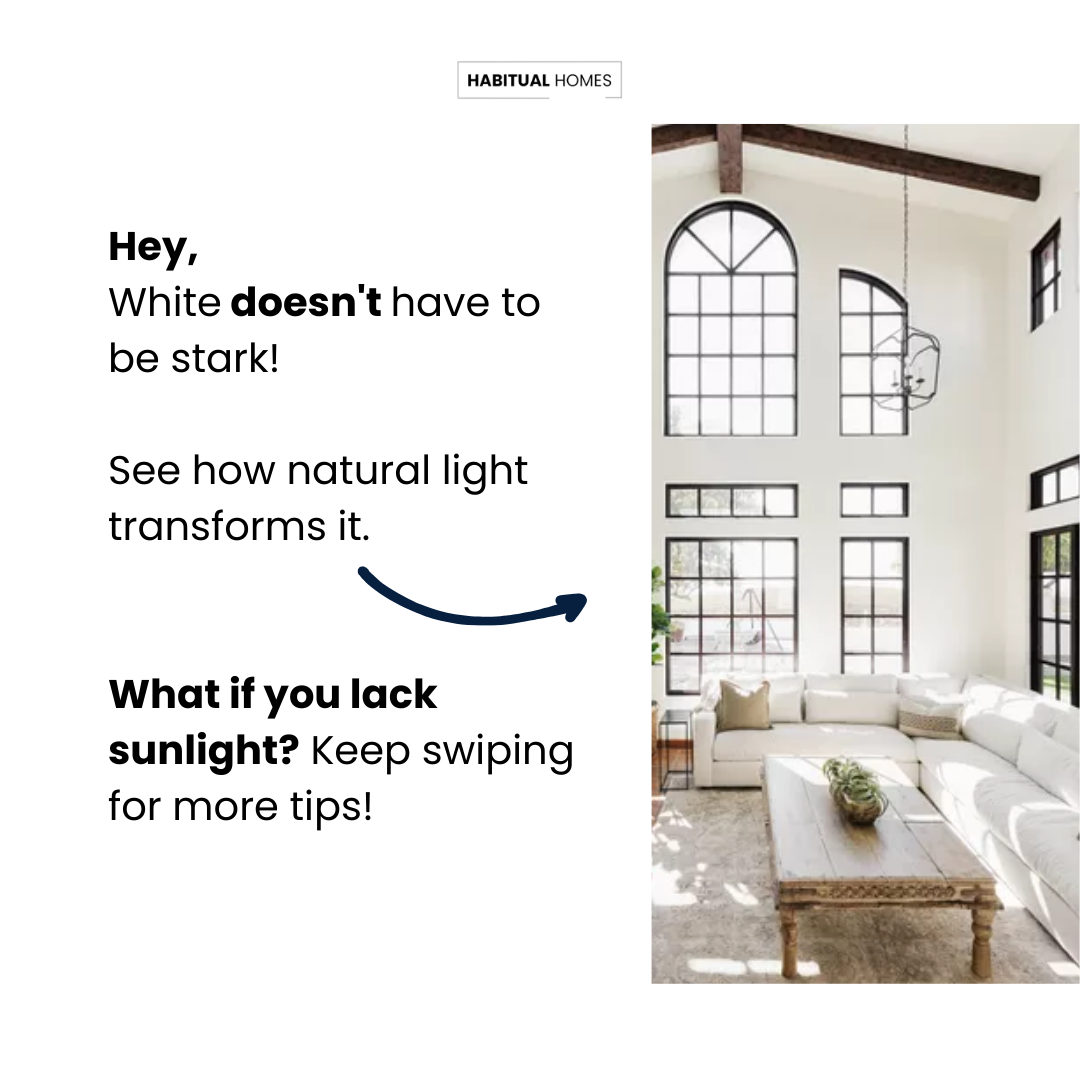
One of the best ways to make white and neutral tones work in your home is by harnessing the power of natural light. Natural light can transform a room, making it feel warm, welcoming, and full of life. 🌞
Natural light enhances the subtle undertones in white and neutral shades, bringing out their true beauty. When sunlight streams into a room, it can make a plain white wall glow with warmth or a neutral sofa look more inviting. The key is to maximize the natural light your home receives. Here are some tips to help you do just that:
- Use Sheer Curtains: Heavy drapes can block out precious sunlight. Instead, opt for sheer curtains that allow light to filter through while still providing privacy. 🪟✨
- Strategic Mirror Placement: Mirrors can reflect light and make a space feel brighter. Place mirrors opposite windows to bounce light around the room. 🪞🌟
- Light-Colored Furniture: Choose furniture in light shades to enhance the effect of natural light. Dark furniture can absorb light, making the room feel dimmer. 🛋️🖼️
- Clean Windows Regularly: Dust and grime on windows can block light. Keep your windows clean to ensure you’re getting the maximum amount of sunlight. 🧼🪟
- Trim Outside Foliage: If trees or shrubs are blocking your windows, consider trimming them back to let more light in. 🌳✂️
But what if your home doesn’t get much natural light? Don’t worry! In the next section, we’ll explore how to create warmth and coziness even in rooms with limited sunlight. 🌙🏡
Creating Warmth Without Sunlight
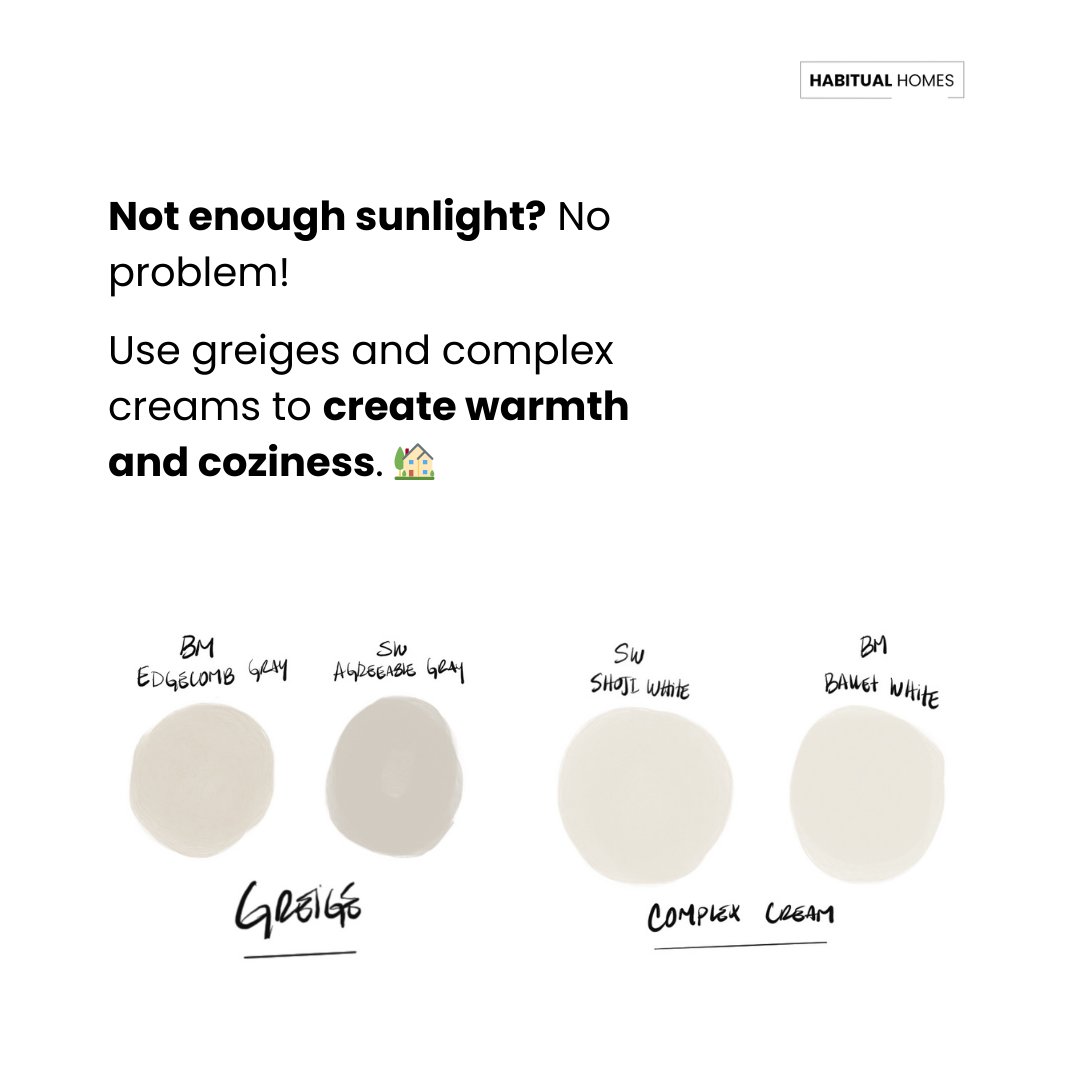
So, what if your home doesn’t get much natural light? 🌙 No worries! You can still create a warm and cozy atmosphere using whites and neutrals. The secret lies in choosing the right shades and adding complementary elements that bring out their warmth.
Use Warm Shades of White and Neutral Tones
Warm whites and neutrals have undertones that can make a space feel cozy even without natural light. Here are some recommended shades to try:
- BM Edgecomb Gray (HC-173): A warm, soft greige that adds a subtle warmth to any room. 🏡
- SW Agreeable Gray (SW 7029): This versatile greige is perfect for creating a cozy vibe. 🌙
- SW Shoji White (SW 7042): A warm white that can brighten up spaces with limited light. ✨
- BM Ballet White (OC-9): A creamy, soft white that adds a touch of elegance and warmth. 🎨
Incorporate Layered Lighting
To compensate for the lack of natural light, it’s important to use a combination of different light sources:
- Ambient Lighting: This is your main source of light, usually from overhead fixtures. Choose warm bulbs to create a cozy atmosphere. 💡
- Task Lighting: Use task lighting in areas where you need focused light, such as reading nooks or kitchen counters. 🛋️
- Accent Lighting: Add accent lights to highlight specific areas or features, like artwork or architectural details. 🖼️
Add Textures and Accents
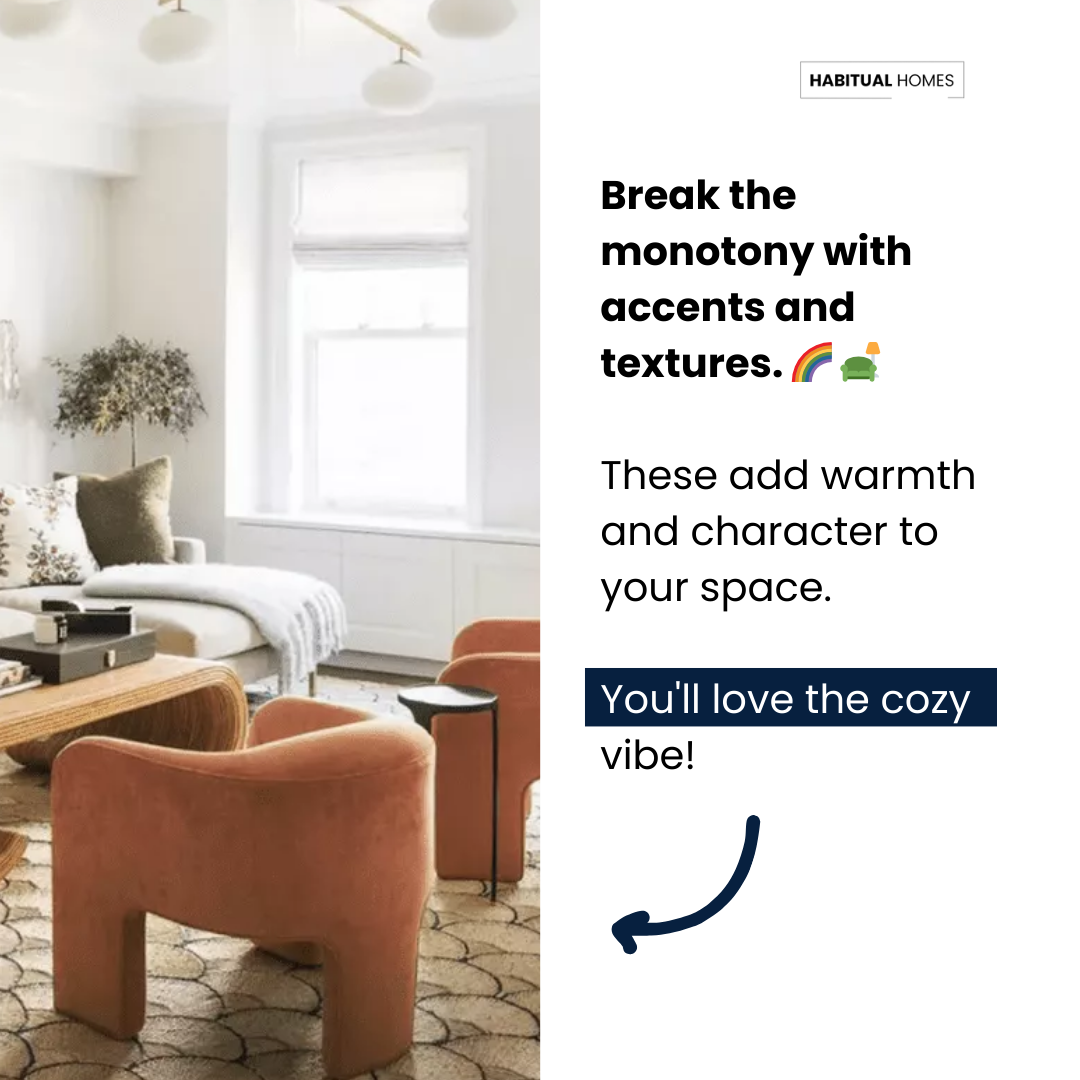
Textures and accents can significantly enhance the warmth of a room. Here are some ideas:
- Textured Fabrics: Use throw blankets, pillows, and rugs with rich textures to add depth and coziness. 🛋️🧺
- Warm Wood Tones: Incorporate wooden furniture and decor elements to bring in natural warmth. 🌲🪵
- Metallic Accents: Add touches of gold, brass, or copper to reflect light and add a warm glow. ✨🏡
Use Reflective Surfaces
Reflective surfaces can help bounce light around the room, making it feel brighter:
- Mirrors: Place mirrors strategically to reflect light from lamps or other light sources. 🪞🌟
- Glossy Finishes: Choose furniture or decor items with glossy finishes to enhance light reflection. 🖼️✨
By carefully selecting warm shades and adding the right elements, you can create a cozy and inviting space even without abundant natural light. In the next section, we’ll talk about how to layer whites and neutrals effectively. 🌙🏡
Layering Whites and Neutrals
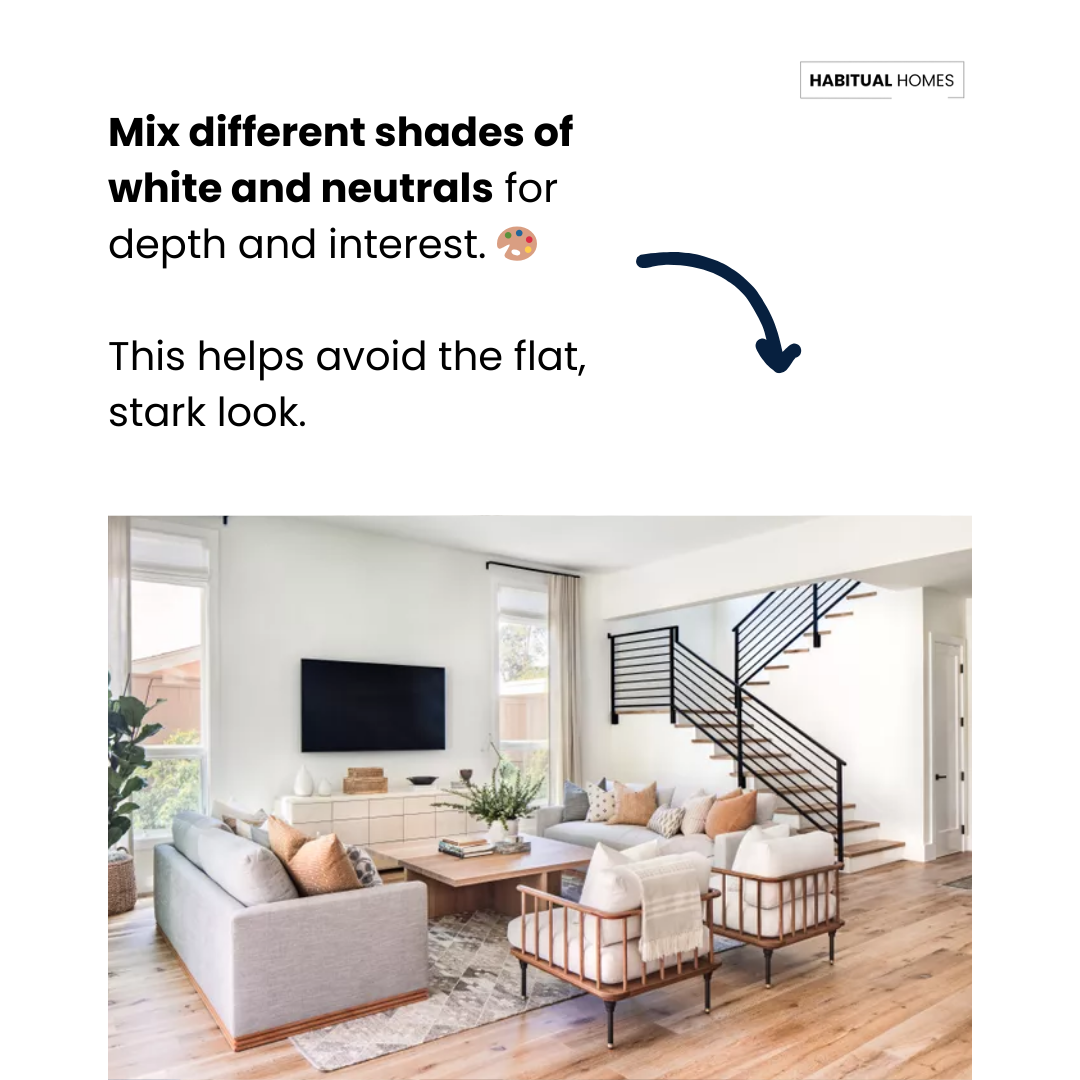
One of the most effective ways to avoid a flat and stark look when using whites and neutrals is by layering different shades and tones. This technique adds depth and interest to your space, making it feel rich and inviting. 🎨🏡
Why Layering Works
Layering involves combining various shades of white and neutral tones to create a cohesive yet dynamic look. Instead of using a single color throughout a room, layering allows each shade to complement and enhance the others. This approach prevents the space from looking one-dimensional and adds visual interest.
Tips for Layering Whites and Neutrals
- Start with a Base Color: Choose a main white or neutral shade that will serve as the foundation of your room. This could be the color of your walls or trim. For instance, a soft greige like BM Edgecomb Gray (HC-173) makes an excellent base. 🏡
- Add Complementary Shades: Once you have your base color, add complementary shades of white and neutral tones. These can be lighter or darker variations of your base color. For example, pair BM Simply White (OC-117) on the trim with your base greige for a harmonious look .
- Incorporate Textures: Use different textures to enhance the layered effect. Think about adding linen curtains, a wool rug, or a velvet throw. These textures will catch the light differently, adding depth and interest. 🛋️🧺
- Use Patterns Sparingly: Patterns can also be a great way to introduce more shades and textures. Opt for subtle patterns that blend well with your color scheme. A striped pillow or a patterned rug can add a playful yet sophisticated touch. 🖼️✨
- Vary the Undertones: Make sure to vary the undertones of your whites and neutrals. Combining warm and cool undertones can create a balanced and inviting look. For instance, mix the cool undertone of SW Shoji White (SW 7042) on the ceiling with the warm undertone of SW Agreeable Gray (SW 7029) on the walls.
Examples of Successful Layering
• Living Room: Start with BM Edgecomb Gray (HC-173) on the walls, add BM Simply White (OC-117) on the trim and ceiling, and layer in SW Shoji White (SW 7042) for painted furniture like a coffee table. Complete the look with a textured wool rug and a few gold accent pieces. 🛋️✨
• Bedroom: Use SW Agreeable Gray (SW 7029) for the walls, SW Shoji White (SW 7042) on the trim and ceiling, and incorporate BM Simply White (OC-117) on painted furniture like nightstands. Add texture with a chunky knit blanket and a patterned throw pillow. 🛏️🧺
By thoughtfully layering different shades and textures, you can create a rich, inviting space that feels anything but stark. In the next section, we’ll discuss how to add accent colors and textures to further enhance your decor. 🎨🏡
Adding Accent Colors and Textures
Adding accent colors and textures is crucial to creating a warm and inviting space with whites and neutrals. These elements can break up the monotony, add personality, and enhance the overall aesthetic of your home. 🌈🛋️
Why Accents and Textures Matter
Accents and textures bring life to a room. They introduce color, contrast, and a tactile quality that can make a space feel more dynamic and cozy. Without them, a room decorated solely in whites and neutrals might feel flat or uninspired.
Tips for Adding Accent Colors
- Choose a Color Palette: So, choose a few accent colors that complement your base white and neutral tones. These could be bold colors like navy, emerald green, or mustard yellow, or more subdued shades like soft blues and greens. 🎨
- Incorporate Through Accessories: You know, use your accent colors in smaller decor items such as throw pillows, blankets, vases, and artwork. These pieces are easy to swap out if you want to change your color scheme later. 🖼️🛋️
- Balance is Key: Seriously, distribute your accent colors evenly throughout the room to create a balanced look. Too much of one color in a single area can overwhelm the space. ✨
- Layering Accents: Don’t be afraid to layer your accent colors. For instance, you might have a navy throw blanket on the sofa with mustard yellow pillows and a green vase on a nearby table. 🌈
Tips for Adding Textures
- Mix Materials: Look, combine different materials such as wood, metal, glass, and fabric to add texture. A wooden coffee table, a metal lamp, a glass vase, and a linen sofa can create a rich, layered look. 🛋️🪵
- Use Textiles: Textiles are a great way to introduce texture. Think about using woven baskets, knitted blankets, velvet cushions, and wool rugs. These items add both visual and tactile interest. 🧺🧶
- Textured Walls: Honestly, consider adding texture to your walls with shiplap, beadboard, or even textured wallpaper. These elements can add depth and character to your room. 🖼️
- Natural Elements: Incorporate natural elements like plants, flowers, and stones. These not only add texture but also bring a bit of the outdoors inside, creating a more inviting and vibrant space. 🌿🌷
Examples of Successful Accent and Texture Use
• Living Room: Paint the walls SW Agreeable Gray (SW 7029), and use navy blue throw pillows, a mustard yellow throw blanket, and a green vase to add accents. Layer with a textured wool rug and a metal floor lamp. 🛋️✨
• Bedroom: Paint the walls BM Edgecomb Gray (HC-173), add soft blue cushions and a patterned throw on the bed, use a woven basket for storage, and place a plant on a wooden nightstand. Finish with a velvet bench at the foot of the bed. 🛏️🌿
By carefully choosing and distributing accent colors and textures, you can create a cozy, inviting space that feels balanced and interesting. In the next section, we’ll talk about choosing the right undertones to ensure your whites and neutrals are perfectly balanced. 🎨🏡
Choosing the Right Undertones
Selecting the right undertones is crucial to creating a balanced and harmonious space with whites and neutrals. Undertones are the subtle hues that lie beneath the main color, and they can significantly influence the overall feel of your room. 🎨🏡
Understanding Undertones
Undertones can be warm (yellow, red, orange) or cool (blue, green, purple). Identifying the undertones in your white and neutral paint colors will help you create a cohesive look that enhances the warmth and coziness of your space.
Tips for Choosing the Right Undertones
- Identify Existing Undertones: Look, at the fixed elements in your room, such as flooring, countertops, and large furniture pieces. Identify the undertones in these elements to ensure your paint colors complement them. For example, if your sofa has a cool blue undertone, choose a white with a similar cool undertone. 🛋️✨
- Sample Before Committing: Honestly, always test paint colors on your walls before making a final decision. Paint large swatches and observe them at different times of the day to see how the undertones appear under various lighting conditions. 🖌️🕰️
- Use Coordinating Colors: Choose whites and neutrals with undertones that coordinate with each other. For instance, pair a warm white like SW Alabaster (SW 7008) with a warm neutral like BM Edgecomb Gray (HC-173) to create a harmonious look. 🌟
- Consider Lighting: The thing is, the type of lighting in your room can affect how undertones are perceived. Natural light, incandescent, and LED lighting can all change the appearance of paint colors. Make sure to evaluate your paint samples under the lighting conditions present in your space. 💡🌞
Examples of Successful Undertone Combinations
• Living Room: If your flooring has a warm undertone, paint the walls BM Edgecomb Gray (HC-173) and use SW Alabaster (SW 7008) for the trim and ceiling. Add accents in warm tones like burnt orange or mustard yellow to enhance the warmth. 🏡🌟
• Bedroom: For a room with cool undertones in the furniture, use SW Shoji White (SW 7042) on the walls and BM Simply White (OC-117) for the trim and ceiling. Complement the look with accents in cool tones like soft blues and greens. 🛏️🌿
By choosing the right undertones, you can ensure that your whites and neutrals harmonize beautifully with the other elements in your space, creating a cohesive and inviting atmosphere. 🎨🏡
Conclusion

So, there you have it! Using whites and neutrals doesn’t have to result in a cold or stark space. With the right techniques, you can create a warm, inviting, and stylish home that feels just right. 🏡✨
To recap, we debunked the misconception that white is too cold by exploring how versatile and warm it can be. By harnessing natural light, you can make your white spaces glow. And if you’re lacking sunlight, don’t worry! Using warm shades like greiges and complex creams can add coziness and warmth even in the darkest corners. 🌙✨
Layering different shades of whites and neutrals can add depth and interest to your space, while accent colors and textures bring life and personality. Remember, choosing the right undertones is key to ensuring that everything harmonizes beautifully. 🎨🏡
By following these tips, you can say goodbye to stark and hello to a home that is both inviting and stylish. Ready to transform your space? Start experimenting with these ideas today, and see the difference it makes!
Believe it or not, with a little creativity and the right approach, your home can be a warm, cozy haven that you love spending time in. So, what are you waiting for? Let’s get started on creating your dream space! 🛋️✨
Frequently Asked Questions
How can I make my white walls feel less stark?
To make white walls feel less stark, incorporate natural materials like wood and stone, use warm neutrals in your decor, and add textures such as faux fur throws and area rugs. These elements create a cozy and inviting atmosphere .
What are some tips for designing a cozy white living room?
For a cozy white living room, layer different shades of white and neutral palette tones. Add warmer tones through accessories like pillows and side tables. Using natural materials and textures can also make the space feel more inviting.
How do I choose the right color palette for a neutral space?
An interior designer would recommend starting with a neutral palette that includes various light colors and warm neutrals. Then, add accents with cool colors to create a balanced and harmonious look.
What are some easy ways to add warmth to a white room?
An easy way to add warmth to a white room is by using warmer tones in your decor, such as beige, taupe, and soft gold. Incorporate natural materials like wooden furniture and greenery. Soft textiles like faux fur and knitted throws can also add coziness.
How can I make a neutral space feel more inviting?
To make a neutral space more inviting, layer different textures and materials. Use warm neutrals and add natural materials like wood and stone. Accents such as area rugs, side tables, and cushions in various shades can also enhance the space .
What’s the best way to decorate a white dining room?
For a white dining room, use a mix of neutral palette colors to add depth and interest. Incorporate natural materials like a wooden dining table and chairs. Add warmth with warmer tones in your place settings and decor accessories .
How do I make a white room cozy without using too much color?
To make a white room cozy, focus on textures and materials. Use faux fur throws, knitted blankets, and area rugs. Incorporate natural materials like wood and stone to add warmth without relying heavily on color .
Can cool colors work in a neutral space?
Absolutely! Cool colors like soft blues and greens can add a refreshing contrast to a neutral space. Balance them with warm neutrals and natural materials to keep the space feeling cozy and inviting .
What are some decorating ideas for a small white living room?
For a small white living room, use light colors to make the space feel larger and brighter. Incorporate multifunctional furniture and side tables to maximize space. Add interest with natural materials and textured accents .
How do I create a warm and inviting color palette?
To create a warm and inviting color palette, start with a base of neutral palette tones and add warm neutrals like beige, taupe, and soft gold. Use natural materials and accents in warmer tones to enhance the coziness of your space .