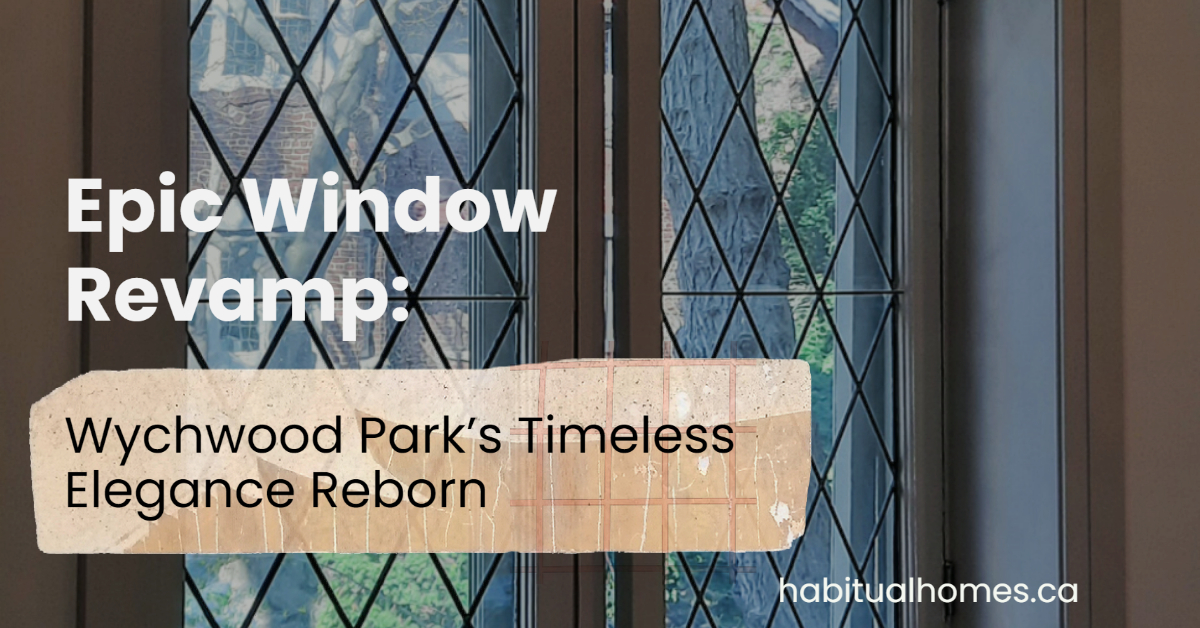
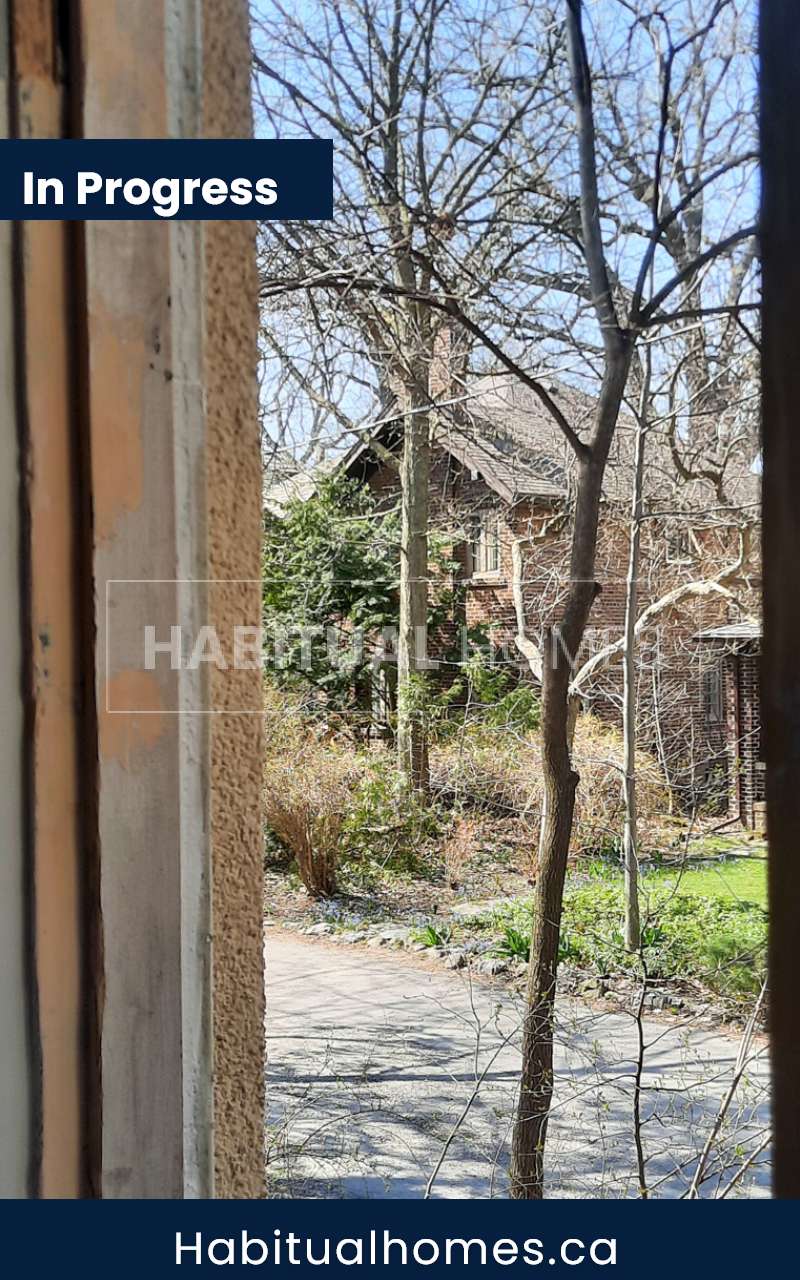
Nestled in the heart of Toronto, Wychwood Park is a picturesque neighbourhood known for its rich history and stunning architecture. Many of the homes in this charming enclave date back to the early 20th century, showcasing unique details that speak to past craftsmanship.
One such home, built in 1923, presented a fascinating challenge to our team: restoring and preserving the architectural beauty of its century-old wooden windows.
In this blog post, we’ll walk you through our journey of reviving the timeless elegance of this Wychwood Park gem, demonstrating the importance of meticulous restoration in maintaining the area’s historic charm.
Key Takeaways
- Restoring century-old wooden windows requires removing rotted material, stripping old paint, sanding surfaces, applying wood filler to damaged areas, and finishing with primer and high-quality paint to preserve original architectural integrity.
- Each wooden window in a historic restoration project demands approximately three days of labour-intensive work to achieve proper structural soundness and aesthetic results.
- Wychwood Park is a historic Toronto neighbourhood featuring early 20th-century homes with unique architectural details that require specialized preservation techniques to maintain the area’s heritage character.
- Wood filler integration and meticulous sanding between restoration stages ensures seamless repairs that blend with existing wooden window components while maintaining the original design.
- Sherwin Williams Emerald paint in semi-gloss finish provides a durable, sophisticated coating that protects restored wooden windows while complementing historic home aesthetics.
The Project: Restoring Wooden Windows
This 100-year-old house in Wychwood Park had fallen into disrepair, with its once-magnificent wooden windows in desperate need of restoration.
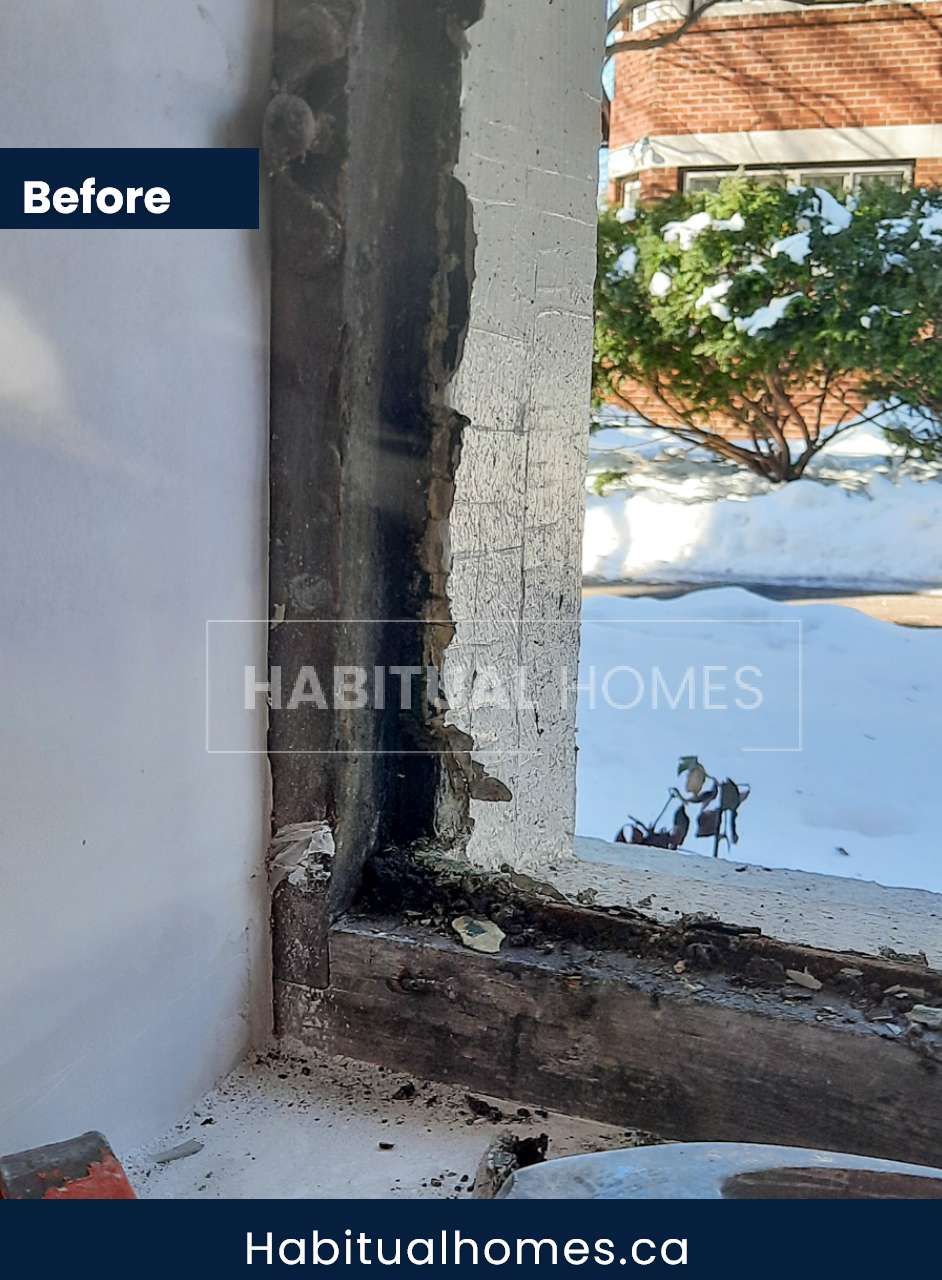
Our mission was to breathe new life into these windows while maintaining their original architectural charm, vital to preserving the neighbourhood’s historic character.
As a home builder subcontractor, our company ensured this challenging restoration project would be completed with the utmost care and attention to detail.
The Restoration Process
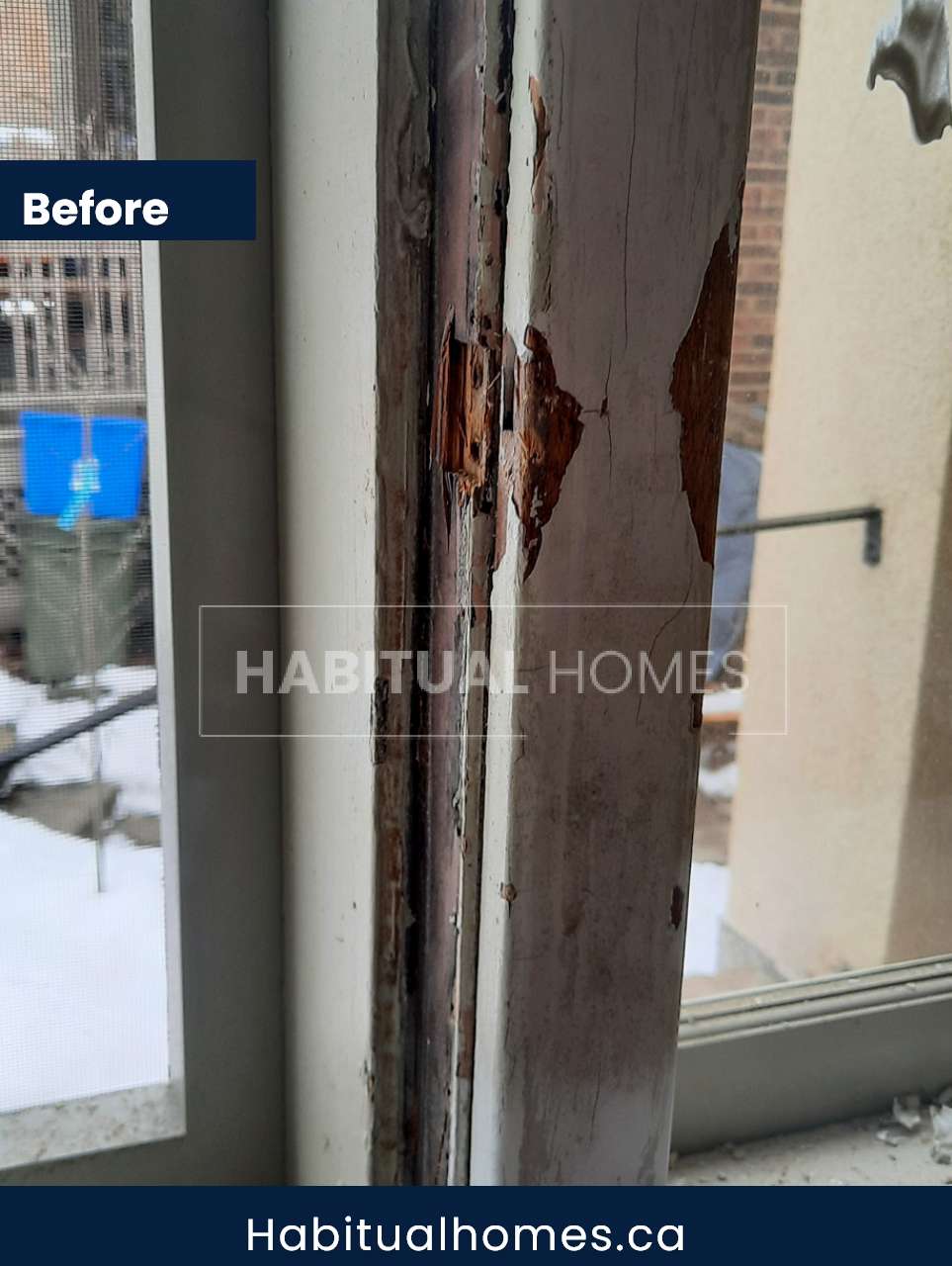
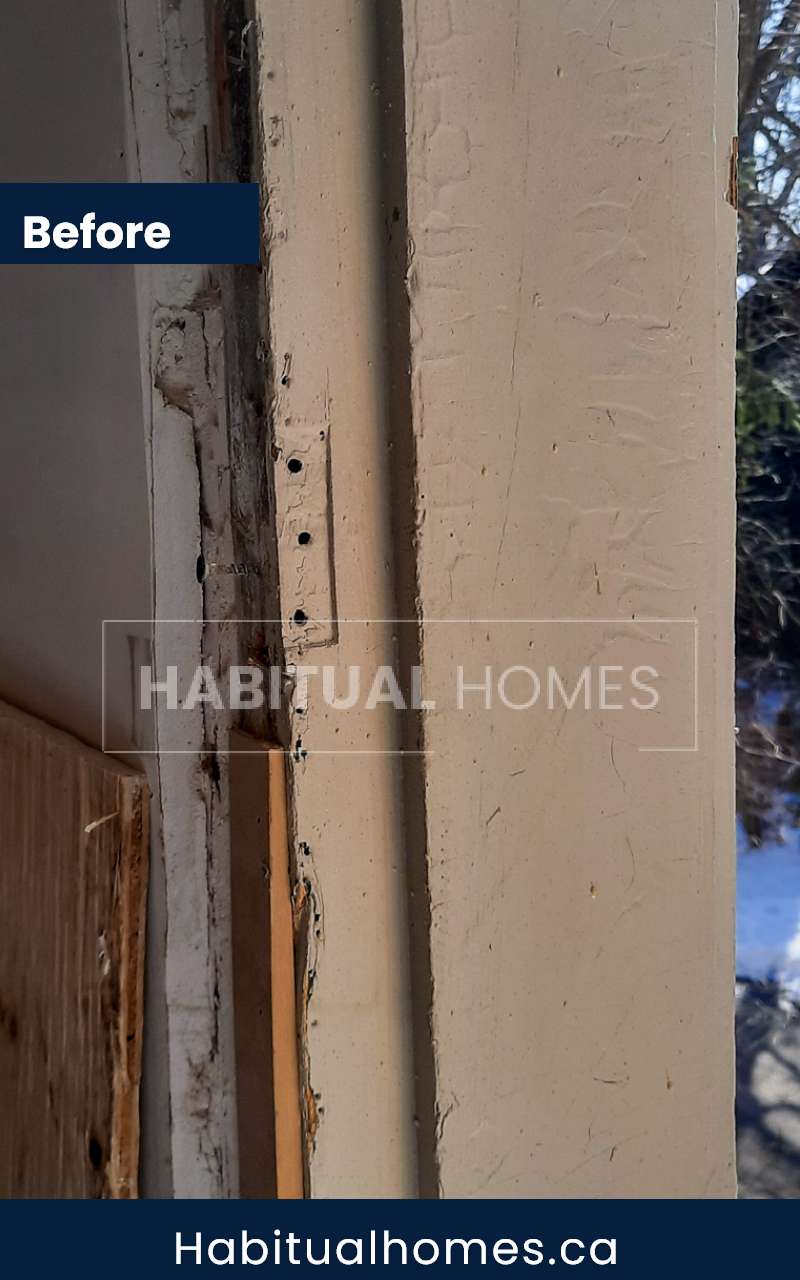
The window restoration process began with unhanging each window to address the window frame and leaf. Our team carefully removed all rotted material and old paint and then meticulously sanded the wooden surfaces. This attention to detail was crucial for maintaining the integrity of the original design while preparing the windows for further restoration.
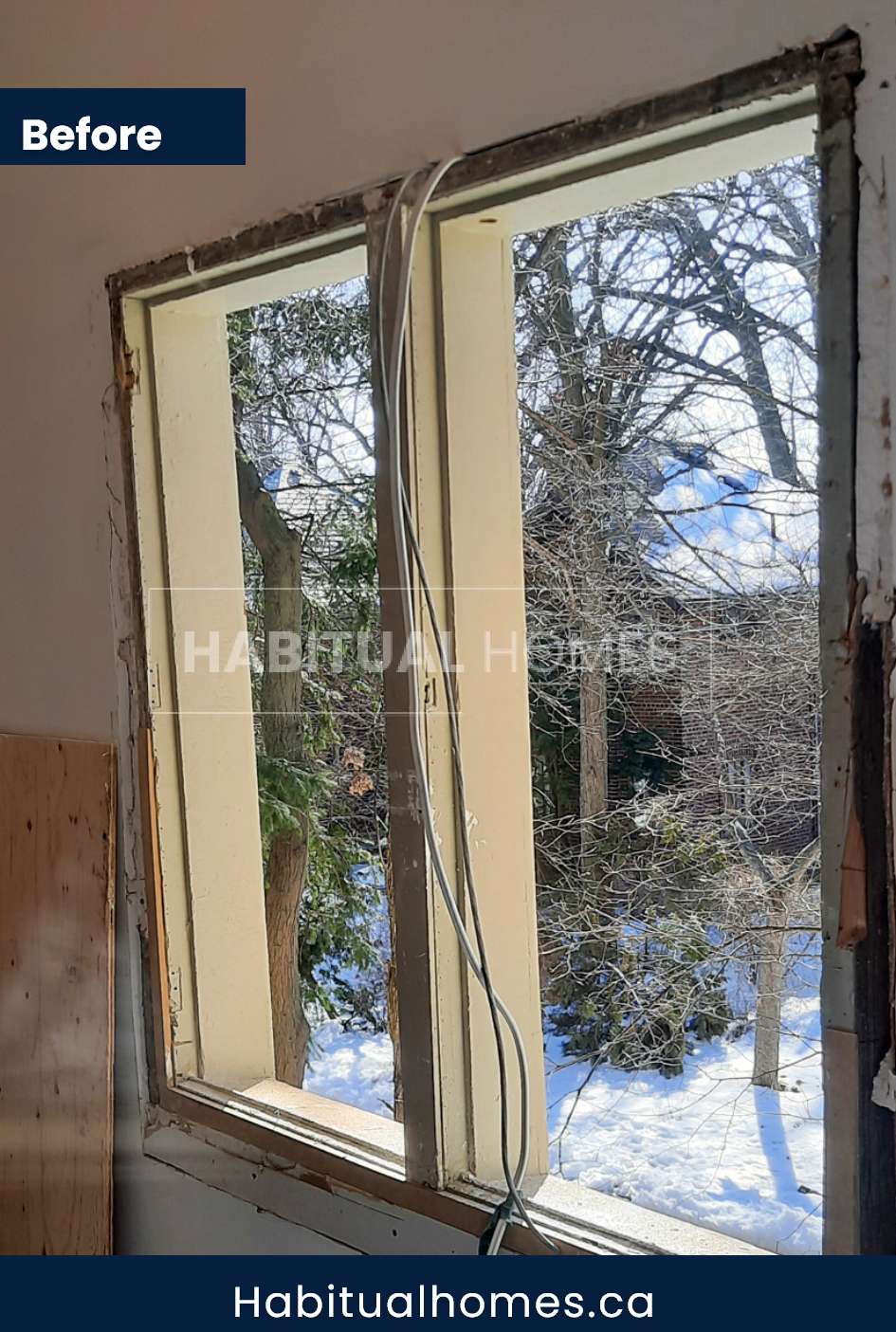
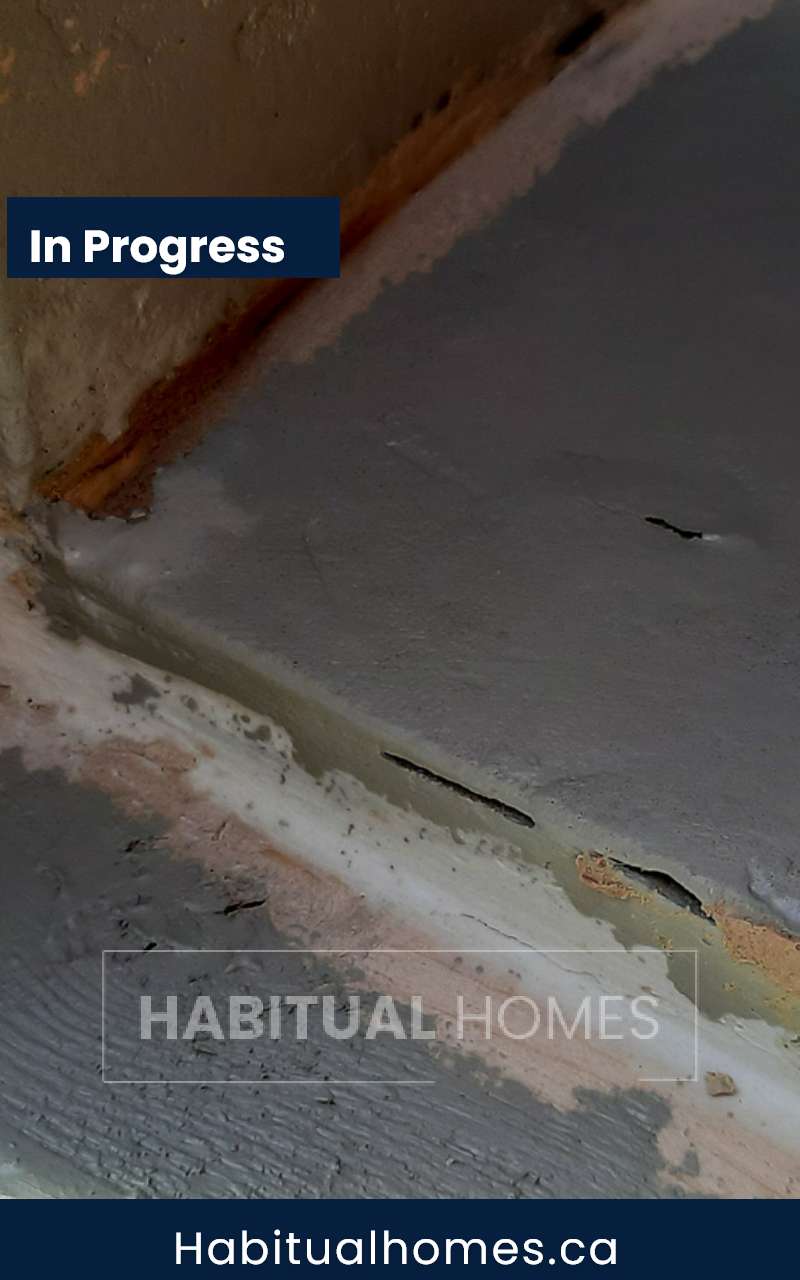
Once the windows were cleaned and prepped, we used wood filler to fix damaged areas, ensuring seamless integration with the existing wood. After allowing the filler to dry, we again sanded the surface to achieve a smooth finish.

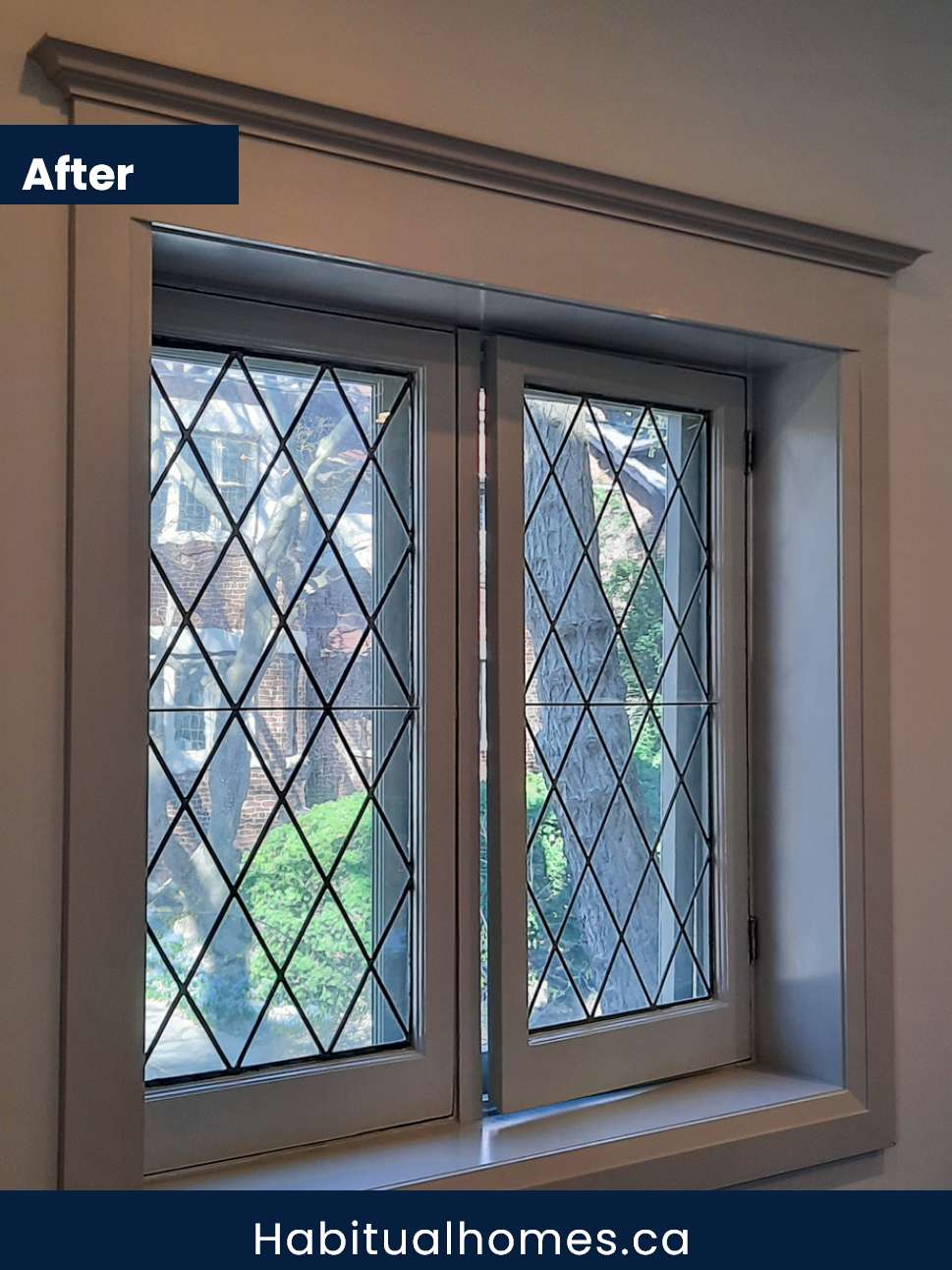
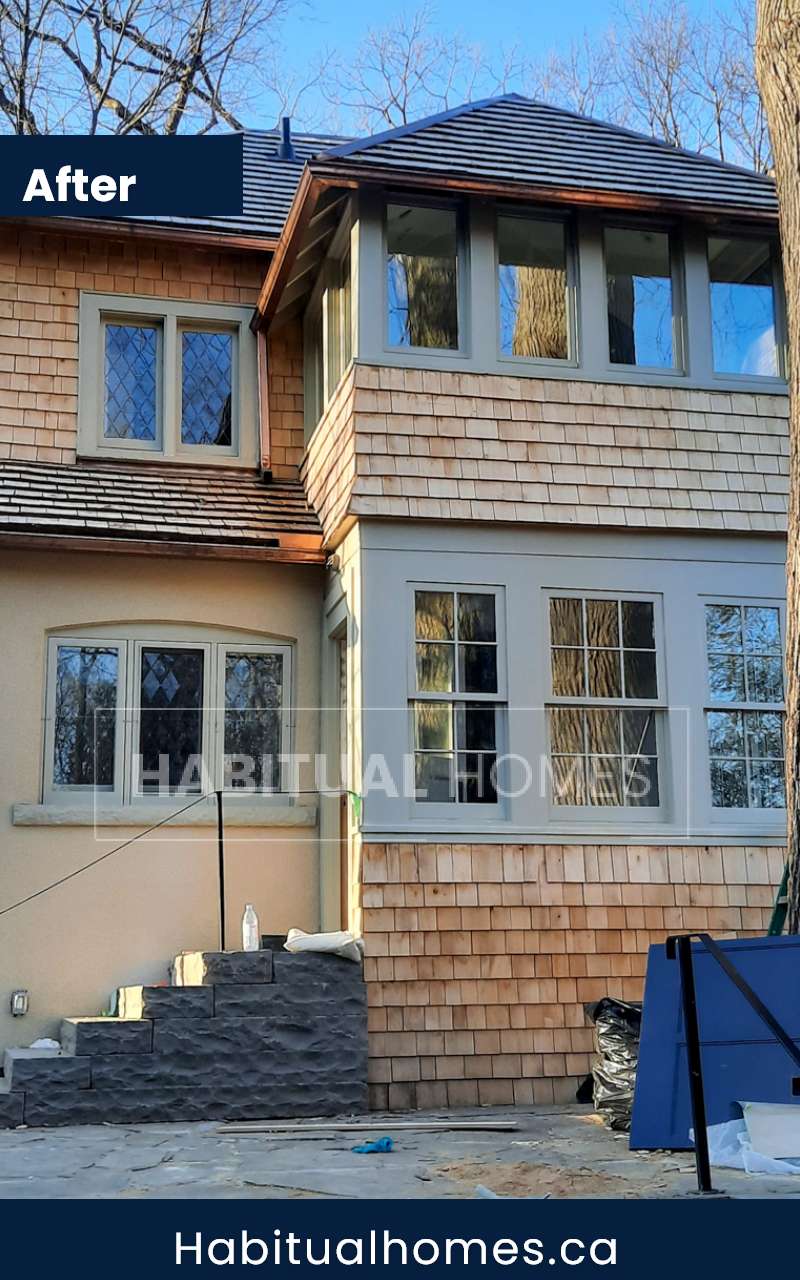
With the windows structurally sound and free of imperfections, we moved on to the painting process. We applied a high-quality primer, providing a strong foundation for the final paint layer. For this project, we chose Sherwin Williams’ Emerald paint in a sophisticated grey semi-gloss finish, perfectly complementing the home’s timeless aesthetic.
Reading a Window’s History Through Its Paint Layers
Before restoration can move forward, it helps to understand what’s already there. The paint layers on a 100-year-old window tell a story that shapes the entire approach:
- 1923–1940s (original coat): Original oil-based paint with lead pigments — exceptional adhesion, but requires certified lead-safe removal.
- 1950s–1970s: Alkyd-based paints — these are the problem layers that trap moisture and cause wood failure.
- 1980s–2000s: Latex over oil creates delamination zones, where most current paint failure originates.
Our removal sequence follows a set order: heat gun at 600–800°F for bulk removal (kept below this range to avoid releasing lead vapour), chemical stripper for detail areas and muntins, infrared paint removal for flat surfaces, hand scraping for the final layer near the original wood, and lead-safe cleanup throughout.
The three-day timeline per window isn’t arbitrary — it reflects the safe removal rate of these paint layers without damaging the wood fibre underneath. Rushing this stage causes gouging, which means more wood filler and a longer timeline overall. On this project, infrared (Silent Paint Remover-style) tools cut average paint removal time from 8 hours per window to 4, without heat damage to glass seals or wood.
Wood Preparation & Repair Timeline Per Window
| Restoration Phase | Time Required | Critical Success Factor |
|---|---|---|
| Paint Removal & Surface Prep | 8–10 hours | Lead-safe work practices |
| Rot Removal & Wood Filler Application | 4–6 hours | Complete moisture removal first |
| Sanding & Surface Smoothing | 3–4 hours | Progressive grit sequence 80–220 |
| Priming & Paint Application | 6–8 hours | Temperature 50–85°F, low humidity |
| Curing & Reinstallation | 48–72 hours | Full paint cure before hanging |
Choosing the Right Wood Filler for Century-Old Windows
Not all wood fillers perform the same way, and using the wrong one on a historic window is a common cause of early repair failure. We work with a three-tier system depending on the damage:
- Structural epoxy (rot damage over 2″ in diameter) — e.g. Abatron WoodEpox or System Three. Can replace entire sill sections, cures in 24 hours, and holds up 50+ years. Used on sill corners and bottom rails with water damage.
- Two-part polyester filler (¼” to 2″ deep, exterior surfaces) — e.g. Bondo All-Purpose. Cures in 30 minutes between coats, lasts 20–30 years. Used on face frame repairs, exterior muntins, and glazing bar damage.
- Solvent-based wood filler (fine detail work, interior surfaces) — e.g. Minwax High Performance. Lasts 10–15 years with the right topcoat. Used for interior sash repairs, nail holes, and minor cracks.
This Wychwood Park project used all three tiers, since water damage varied by exposure — north-facing windows needed only minor filler repairs, while south- and west-facing windows had significant sill deterioration requiring epoxy consolidation.
One thing to avoid: latex-based wood fillers shrink as they cure and absorb moisture from humidity, which creates micro-gaps where water gets in — causing repairs to fail within 2–5 years on exterior windows. The Sherwin Williams Emerald paint used on this project bonds well with epoxy and polyester fillers but doesn’t hold up over latex fillers under UV exposure.
Paint System Specifications for Historic Wood Windows
| Paint Layer | Product Used | Dry Time |
|---|---|---|
| Primer Coat | Oil-based wood primer | 24 hours |
| First Finish Coat | Sherwin Williams Emerald Semi-Gloss | 4–6 hours |
| Second Finish Coat | Sherwin Williams Emerald Semi-Gloss | 4–6 hours |
| Full Cure Time | Complete system | 7–10 days |
Common Window Damage Types & Repair Methods
| Damage Type | Typical Location | Restoration Solution |
|---|---|---|
| Wood Rot | Sills and bottom rails | Epoxy consolidation & filler |
| Paint Failure | All exposed surfaces | Complete stripping & refinishing |
| Glazing Deterioration | Glass perimeter | Reglaze with linseed oil putty |
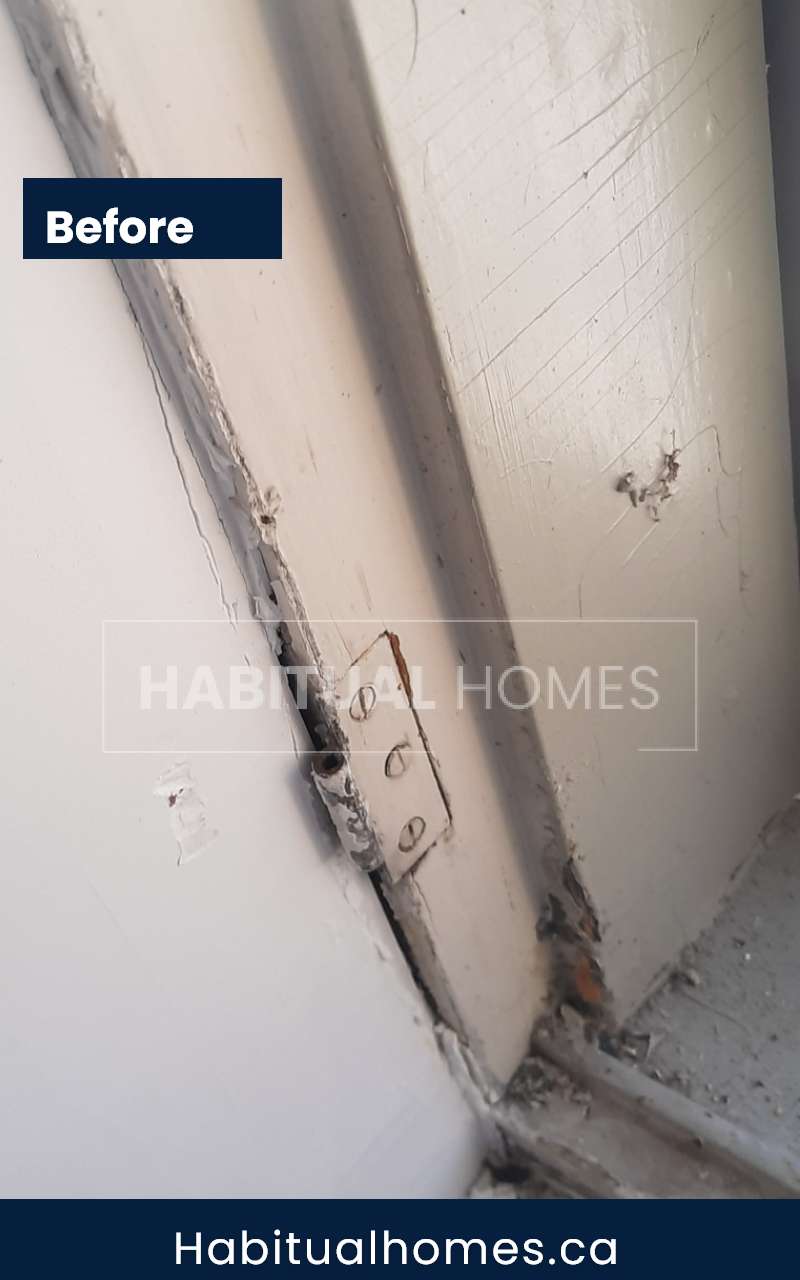
| Hardware Corrosion | Hinges and latches | Clean, restore, or replace matching |
| Joint Separation | Frame corners | Disassemble, reglue, reinforce |
The Impact of Meticulous Work
Each window in this Wychwood Park home required approximately three days of labour-intensive work. Despite the demanding nature of the project, our team remained dedicated to delivering top-notch results that met both the homeowners and our high standards. This level of commitment to quality and craftsmanship proved essential in preserving the architectural value of the house.
The homeowner, who purchased the property before the home builder completed the renovations, was thrilled with the outcome of our meticulous work. Their primary concern was maintaining the original architectural details, and we were proud to meet and exceed those expectations.
Our team carefully restored these century-old windows, and we are sure that this will profoundly impact the homeowner’s life and contribute to preserving Wychwood Park’s unique architectural heritage.
Restoration vs. Replacement: Why the Math Favours the Original Windows
Most homeowners assume new vinyl windows are the practical choice for a century home, but the numbers tell a different story once you factor in lifespan and property value.
Restored original wood windows run $2,500–$4,000 per window to fully restore, last 50–100+ years with proper maintenance, and need repainting only every 10–15 years (about $300–500 per window). Heritage homes with original windows intact also tend to see an 8–15% bump in property valuation. Over 50 years, that puts total cost around $4,000–$6,500 per window.
Vinyl replacement windows cost less upfront — $800–$1,500 per window — but typically fail within 15–25 years and need replacing 2–3 times over the same 50-year span. Heritage character loss can mean a 5–10% reduction in property value. Total 50-year cost lands around $2,400–$4,500, but the architectural change is irreversible.
The windows in this 1923 Wychwood Park home contain old-growth lumber that’s denser and more rot-resistant than anything available today — cut from trees that were 200–300 years old. Modern replacement wood comes from 20–40 year old trees with wider growth rings and less density, which is part of why properly restored original windows can outperform new manufactured ones.
Restoration vs. Replacement: Long-Term Value Comparison
| Factor | Restoration | Vinyl Replacement |
|---|---|---|
| Initial Investment | $2,500–$4,000 per window | $800–$1,500 per window |
| Expected Lifespan | 50–100+ years | 15–25 years |
| Heritage Value Impact | Preserves character (+8–15%) | Diminishes authenticity (-5–10%) |
| Maintenance Requirement | Repainting every 10–15 years | No maintenance until failure |
| Environmental Impact | Minimal — reuses existing materials | High — PVC production & disposal |
Wychwood Park Heritage Preservation Guidelines
| Architectural Element | Preservation Requirement | Approval Needed |
|---|---|---|
| Original Windows | Must be restored, not replaced | Yes — Heritage Committee |
| Exterior Paint Colors | Period-appropriate palette | Yes — Color consultation |
| Roof Materials | Match existing style and profile | Yes — Material samples |
| Front Facade Changes | Preserve original character | Yes — Detailed drawings |
| Landscaping Alterations | Maintain historic landscape | Yes — Landscape plan |
Frequently Asked Questions
Can wooden windows be restored if they have extensive rot damage?
Yes, even severely rotted windows can be restored using two-part epoxy consolidants and fillers that penetrate and solidify degraded wood fibers. Epoxy restoration can rebuild entire sill sections and structural components while maintaining the window’s original dimensions and profile. This approach is structurally superior to replacement and preserves the historic wood that contains old-growth lumber unavailable in modern materials.
How long does a professionally restored wooden window last compared to a new vinyl replacement?
Professionally restored wooden windows typically last 50–100+ years with proper maintenance, while vinyl replacement windows have an expected lifespan of only 15–25 years before seal failure and degradation occur. The old-growth lumber in century-old windows is denser and more durable than modern materials, making restoration a longer-lasting investment despite the higher initial cost.
What makes Sherwin Williams Emerald paint specifically suitable for historic window restoration?
Sherwin Williams Emerald paint offers exceptional adhesion to both wood and epoxy/polyester fillers, superior UV resistance that prevents premature degradation, and a semi-gloss finish that highlights architectural details while providing moisture protection. Its advanced acrylic formulation creates a flexible yet durable film that expands and contracts with wood movement, preventing cracking and peeling that compromise cheaper paint systems.
Are there specific regulations for window restoration in Toronto’s heritage districts like Wychwood Park?
Toronto’s heritage districts require homeowners to preserve original architectural features including windows, and replacement with modern materials typically requires Heritage Committee approval that is rarely granted. Window restoration must maintain the original design, dimensions, and character of the historic home, with color choices often requiring consultation to ensure period-appropriate aesthetics that preserve the neighbourhood’s heritage value.
What’s the most common mistake that causes restored wooden windows to fail prematurely?
Using latex-based wood fillers instead of epoxy or polyester products causes the most premature failures, as latex fillers shrink 15–30% during curing and absorb moisture from humidity, creating gaps where water infiltrates and causes recurring rot. Additionally, inadequate paint removal that leaves incompatible layers traps moisture against the wood, leading to delamination and accelerated deterioration within 2–5 years of restoration.
Key Insights
- Historic window restoration preserves irreplaceable old-growth lumber that is structurally superior to any modern wood available, making century-old windows more durable than contemporary replacements when properly restored.
- The three-day restoration timeline per window is determined by safe paint removal rates and proper curing times between preparation stages, not arbitrary scheduling — rushing this process causes damage that requires more extensive repairs.
- Epoxy-based wood consolidants and fillers are essential for structural repairs, while latex-based products cause premature failure through shrinkage and moisture absorption that creates recurring rot problems.
- Wychwood Park’s heritage designation requires preservation of original architectural features including windows, making restoration not just aesthetically preferable but often legally mandatory for maintaining property compliance.
- Sherwin Williams Emerald paint’s advanced acrylic formulation bonds chemically with epoxy repairs and provides superior UV resistance and flexibility that prevents the cracking and peeling common with standard exterior paints on historic windows.
Conclusion: The Importance of Wooden Window Restoration in Preserving Architectural Heritage
The successful restoration of the wooden windows in this Wychwood Park home is a testament to the importance of skilled craftsmanship in preserving architectural heritage. Through our company’s dedication to detail and expertise in home restoration services, we were able to revive the timeless elegance of this century-old house, ensuring that its historical charm remains intact for future generations to appreciate.
If you’re considering a restoration project for your home in Toronto, trust our team to deliver the same level of care and professionalism that we brought to this enchanting Wychwood Park gem. Together, we can help maintain the beauty and history of our city’s beloved neighbourhoods.
Don’t hesitate to contact us to learn more about our wooden window restoration services and how we can help preserve the historic beauty of your home.
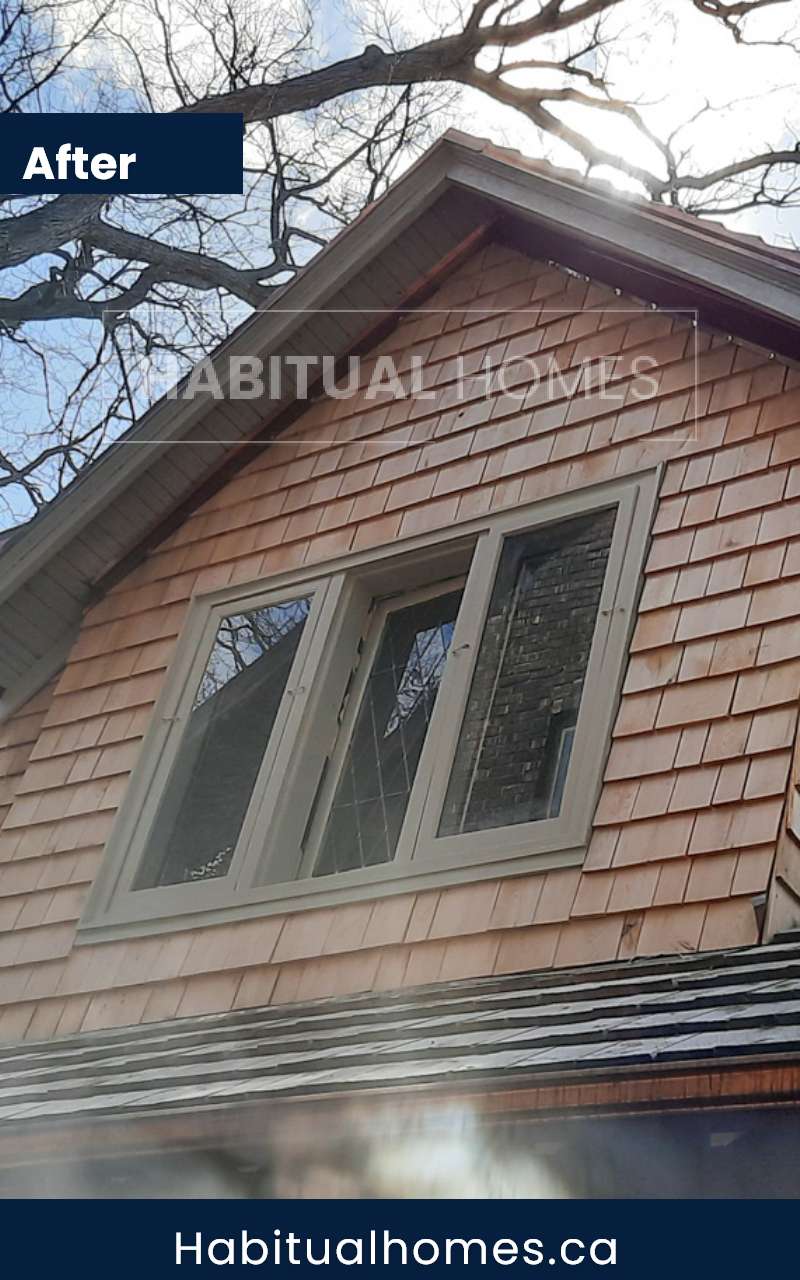
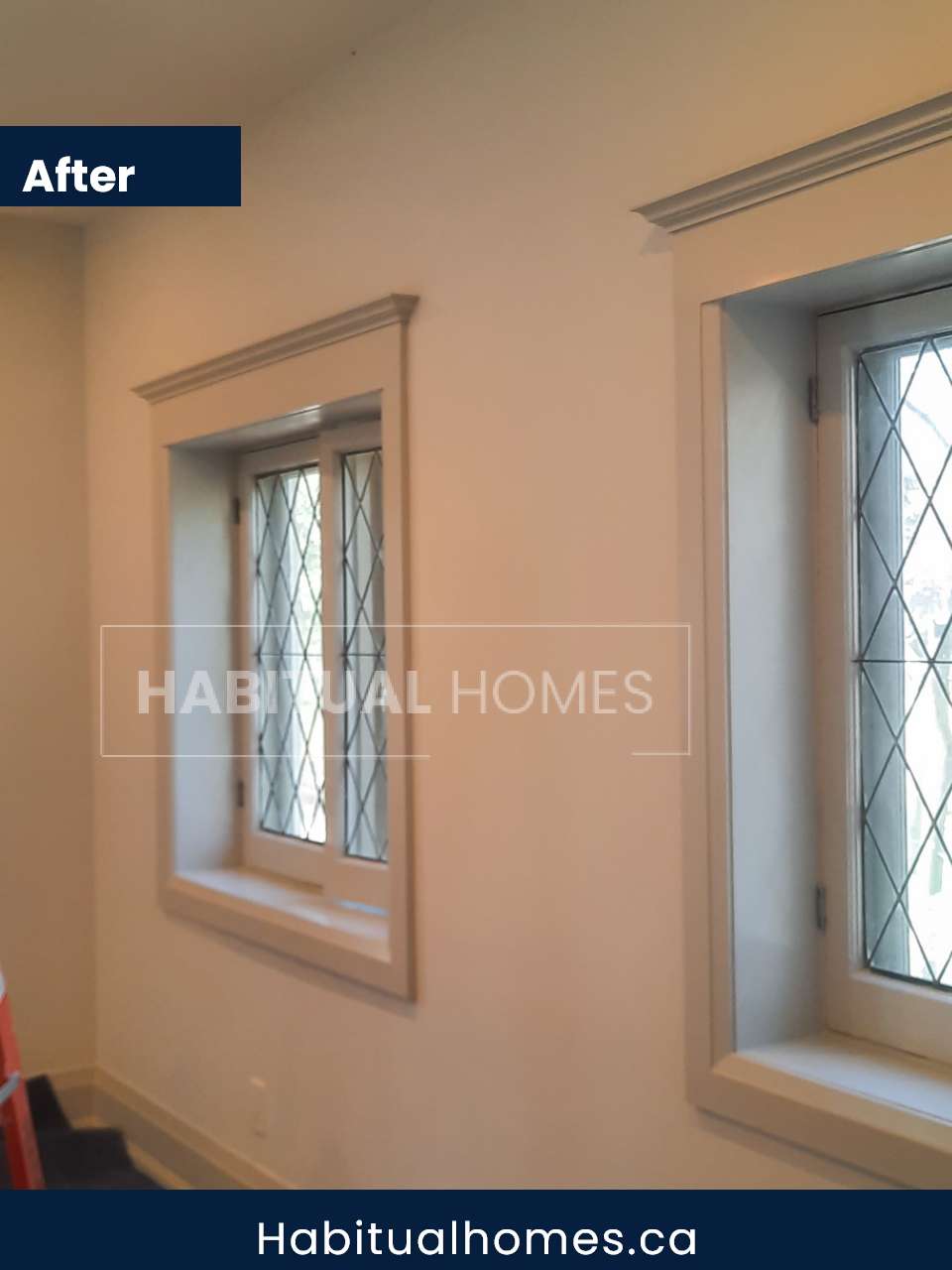
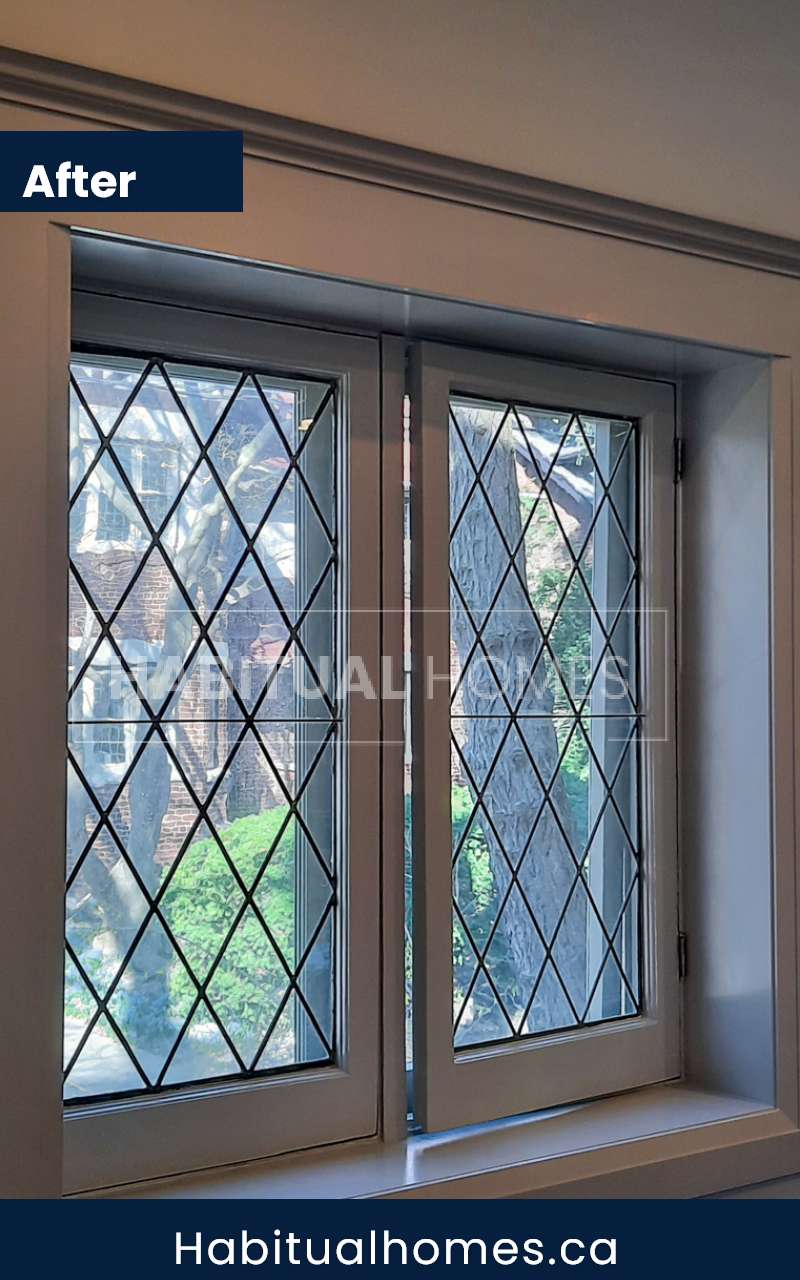
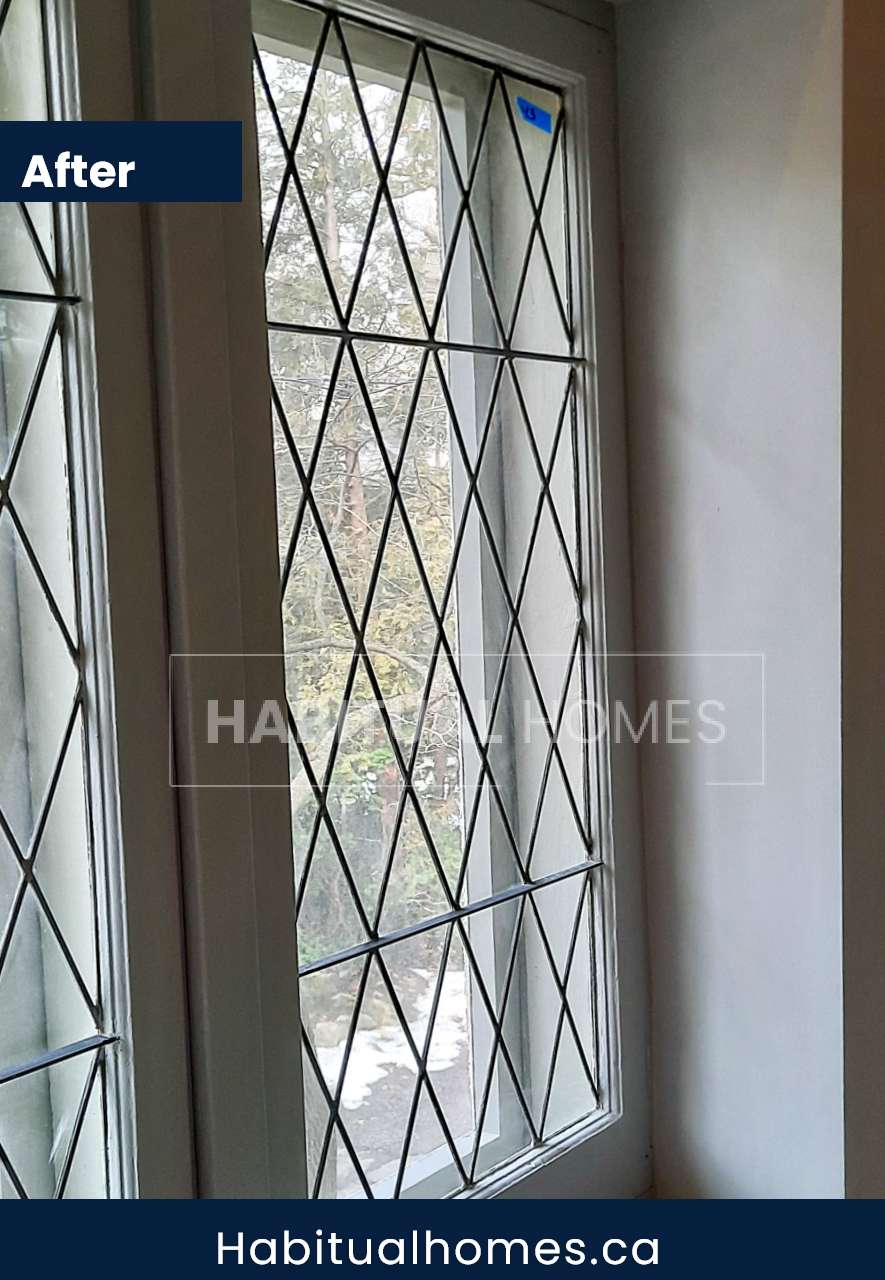
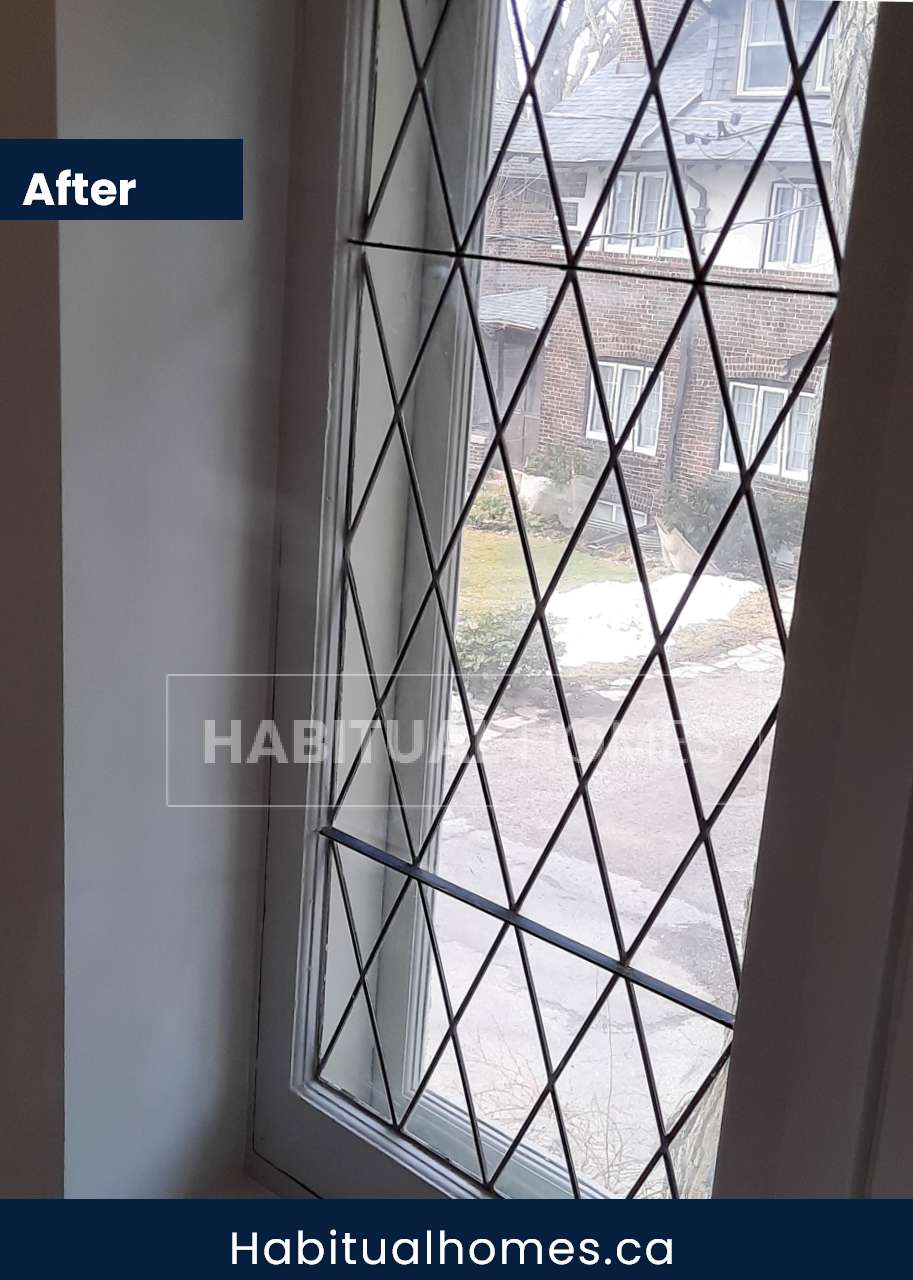
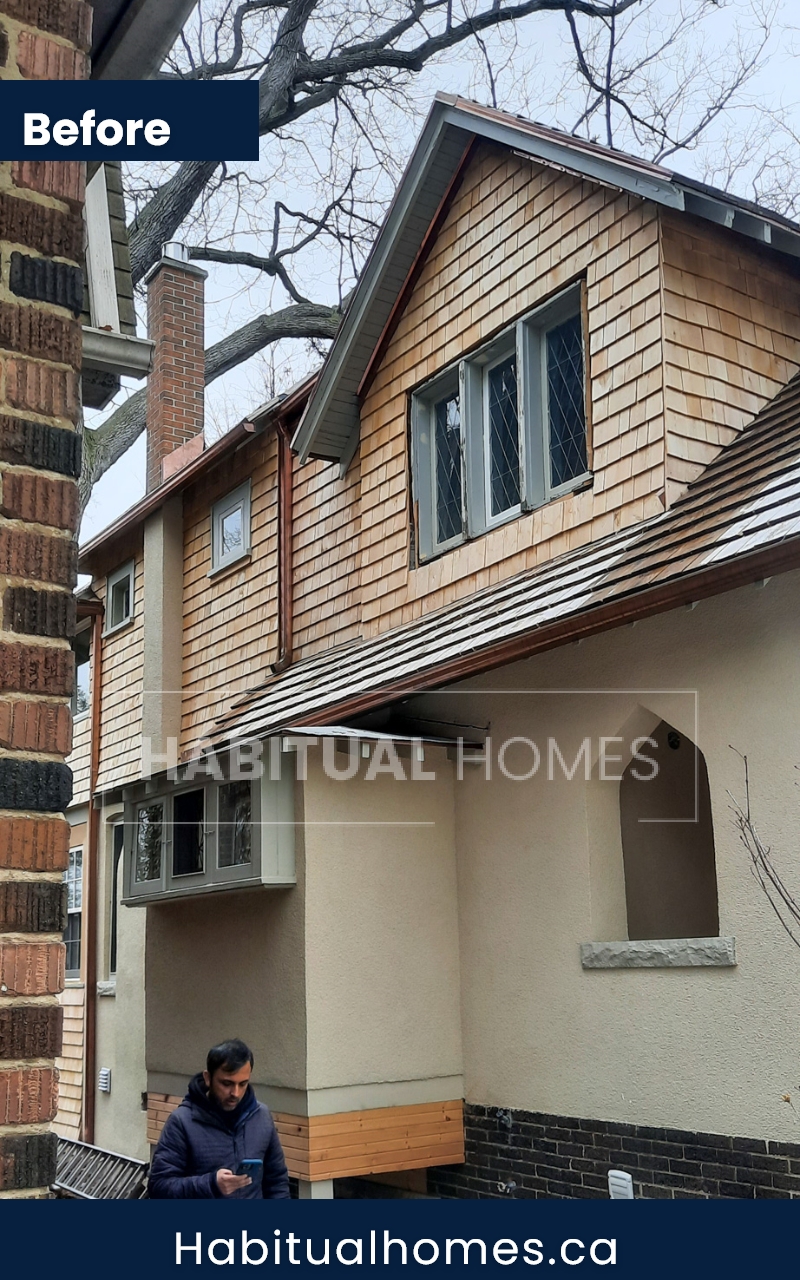
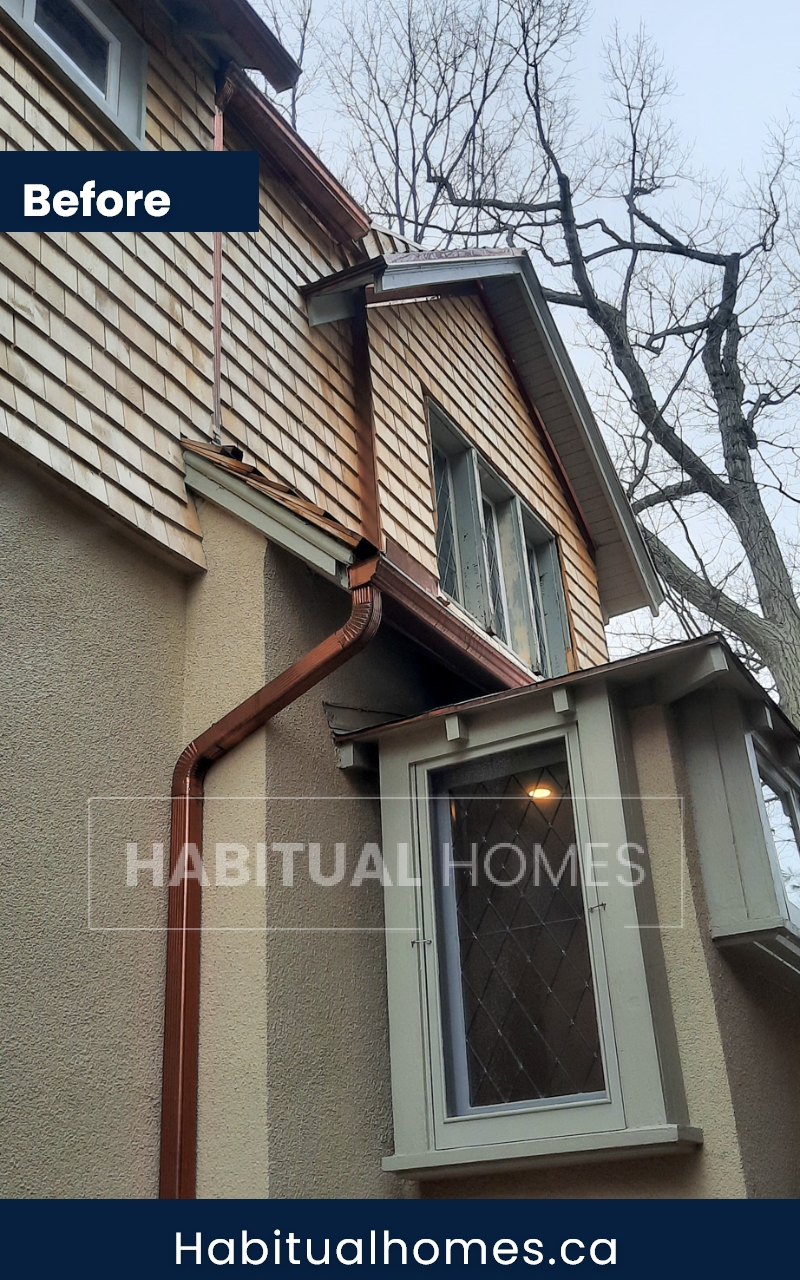
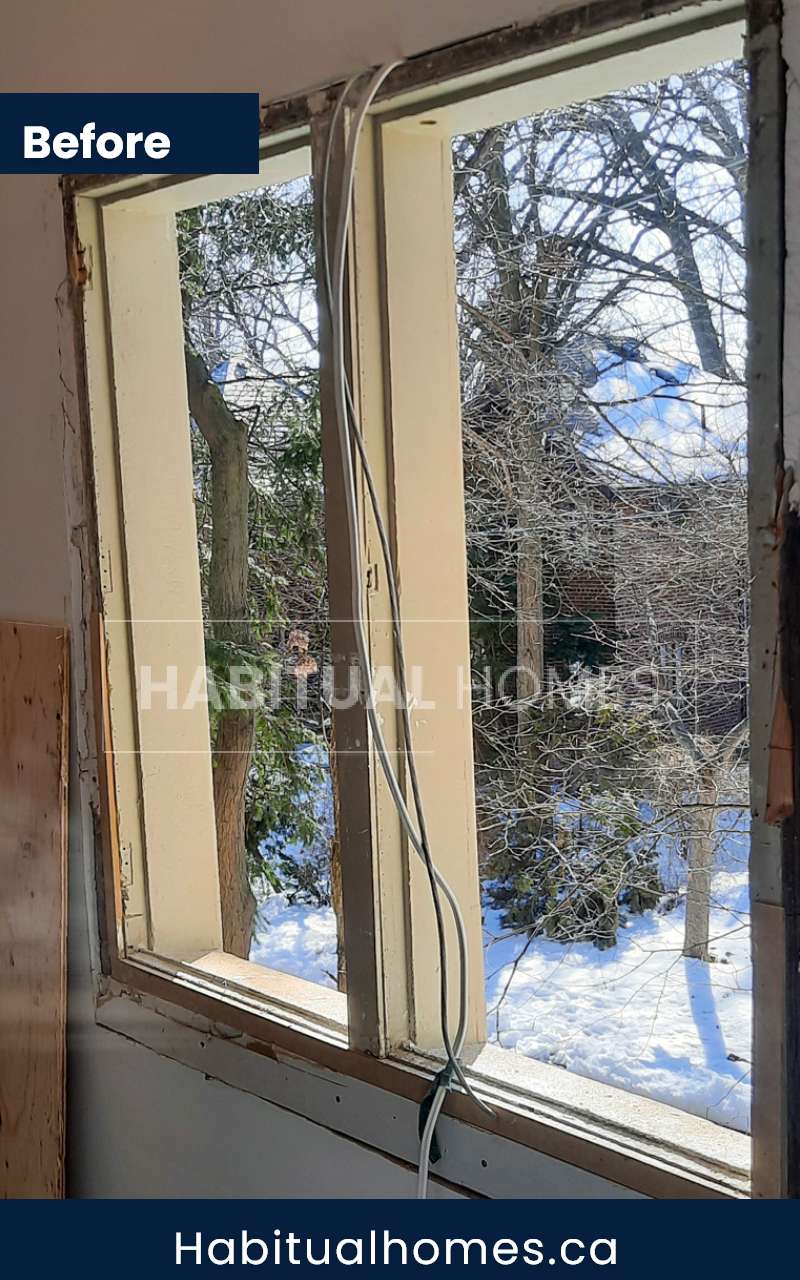
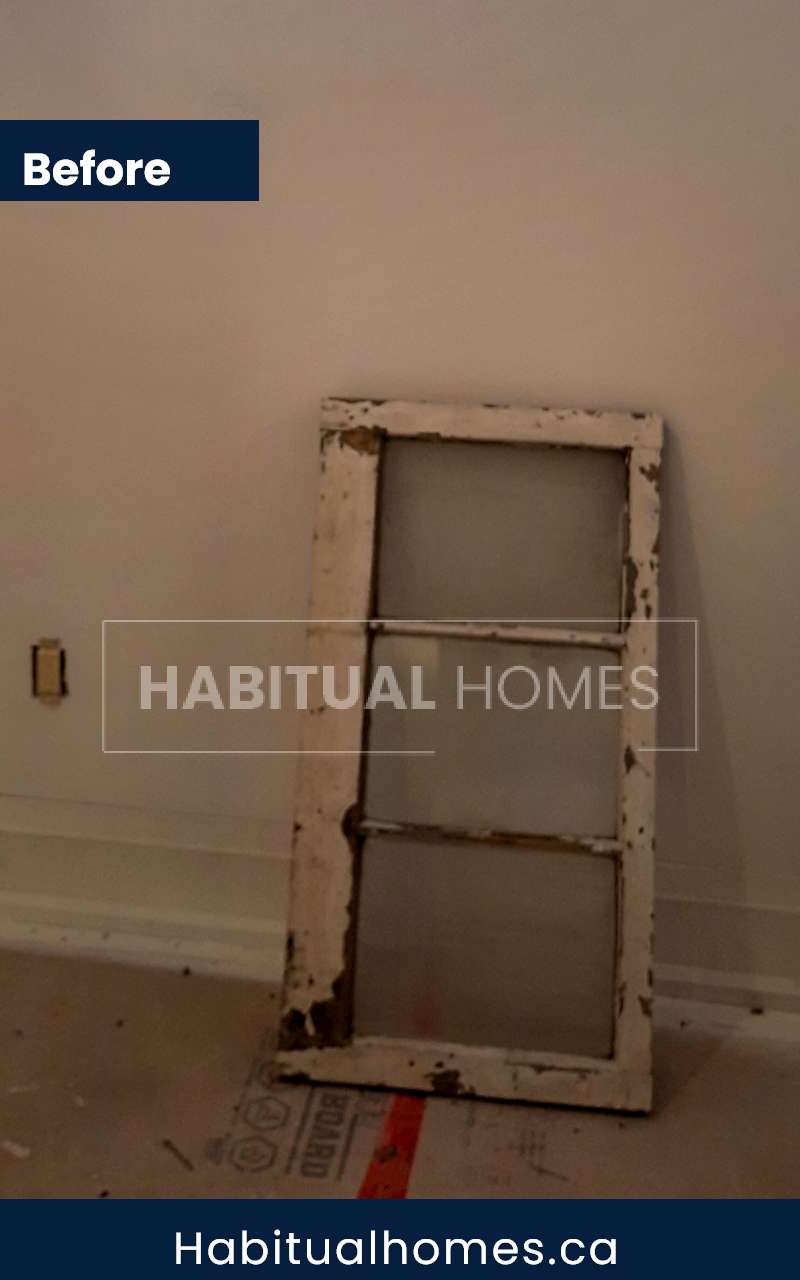
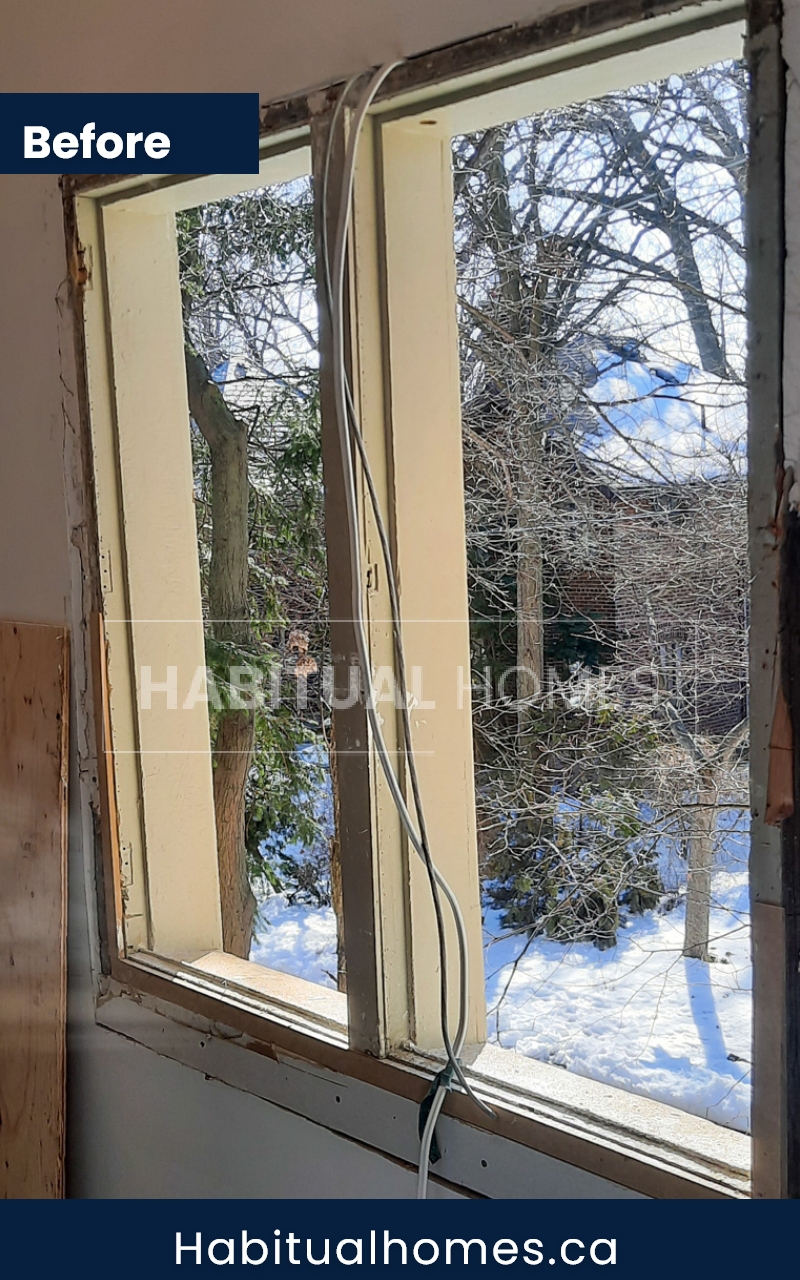
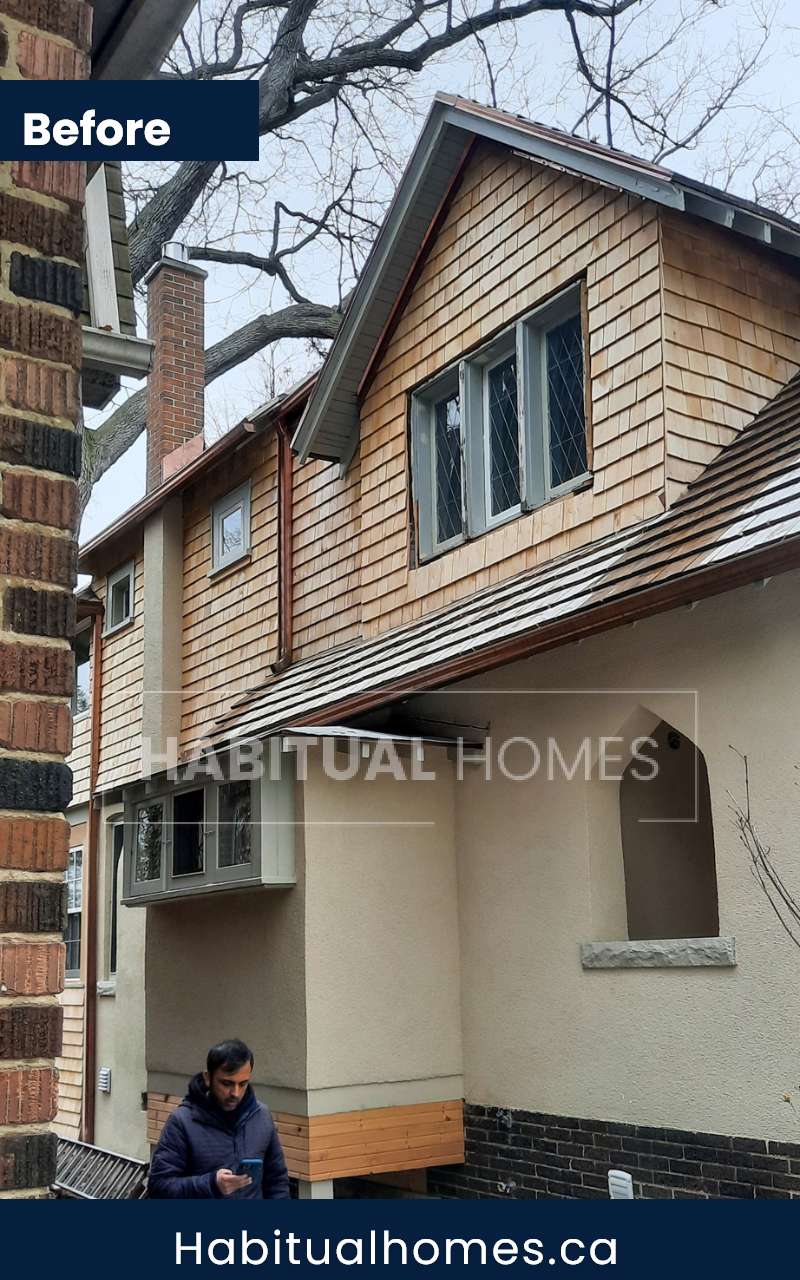
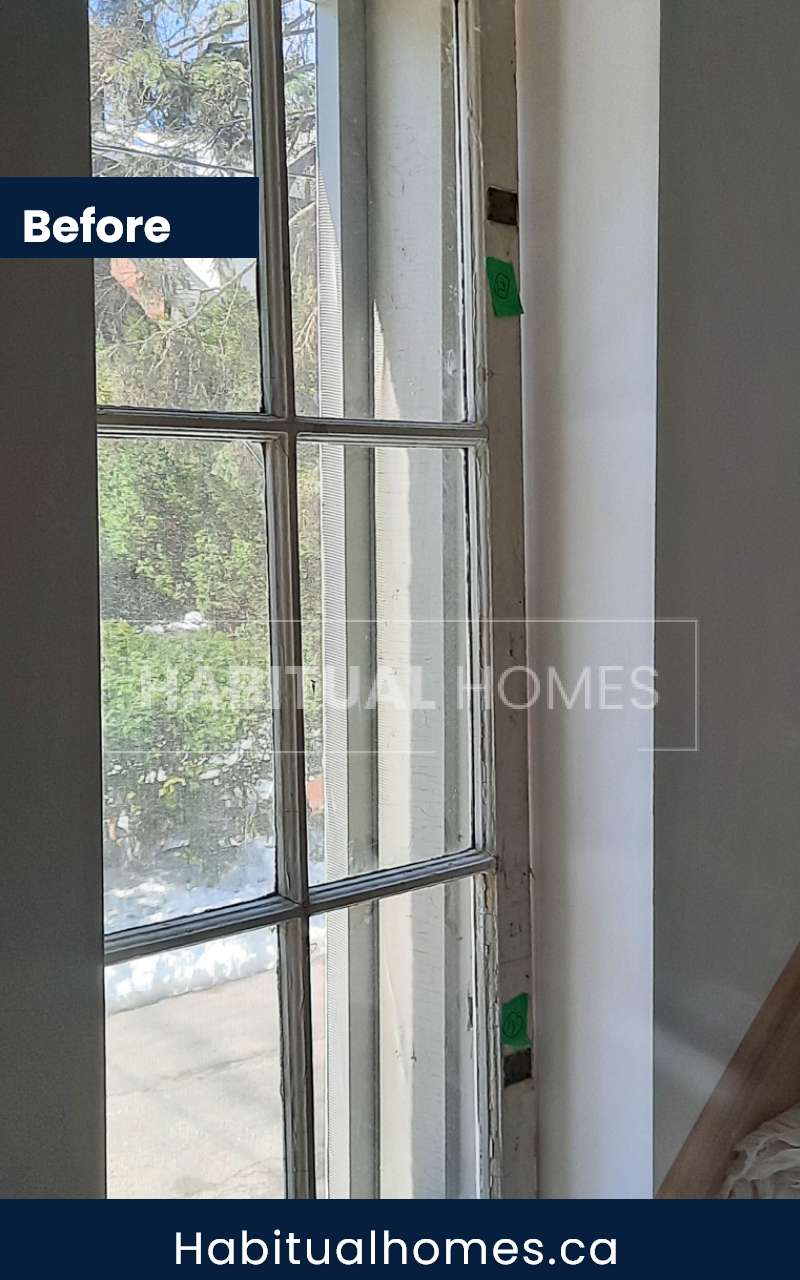
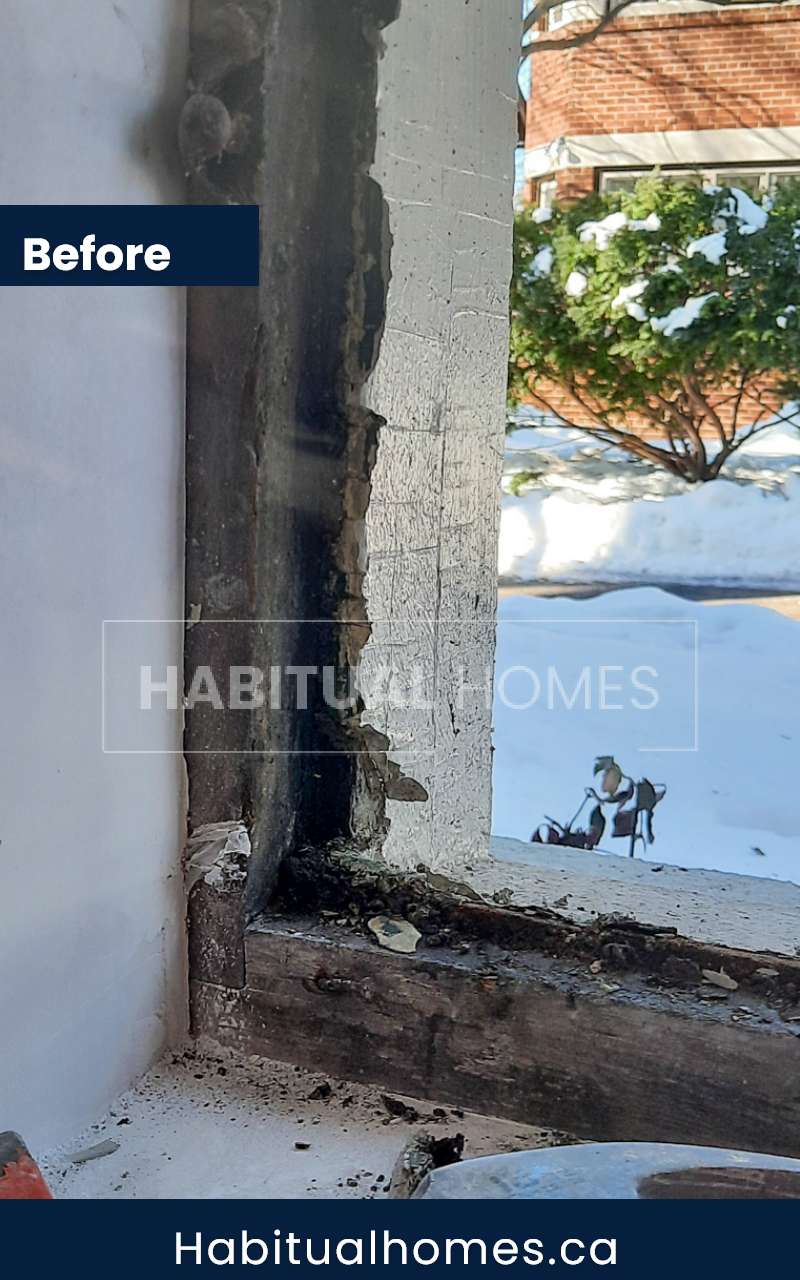
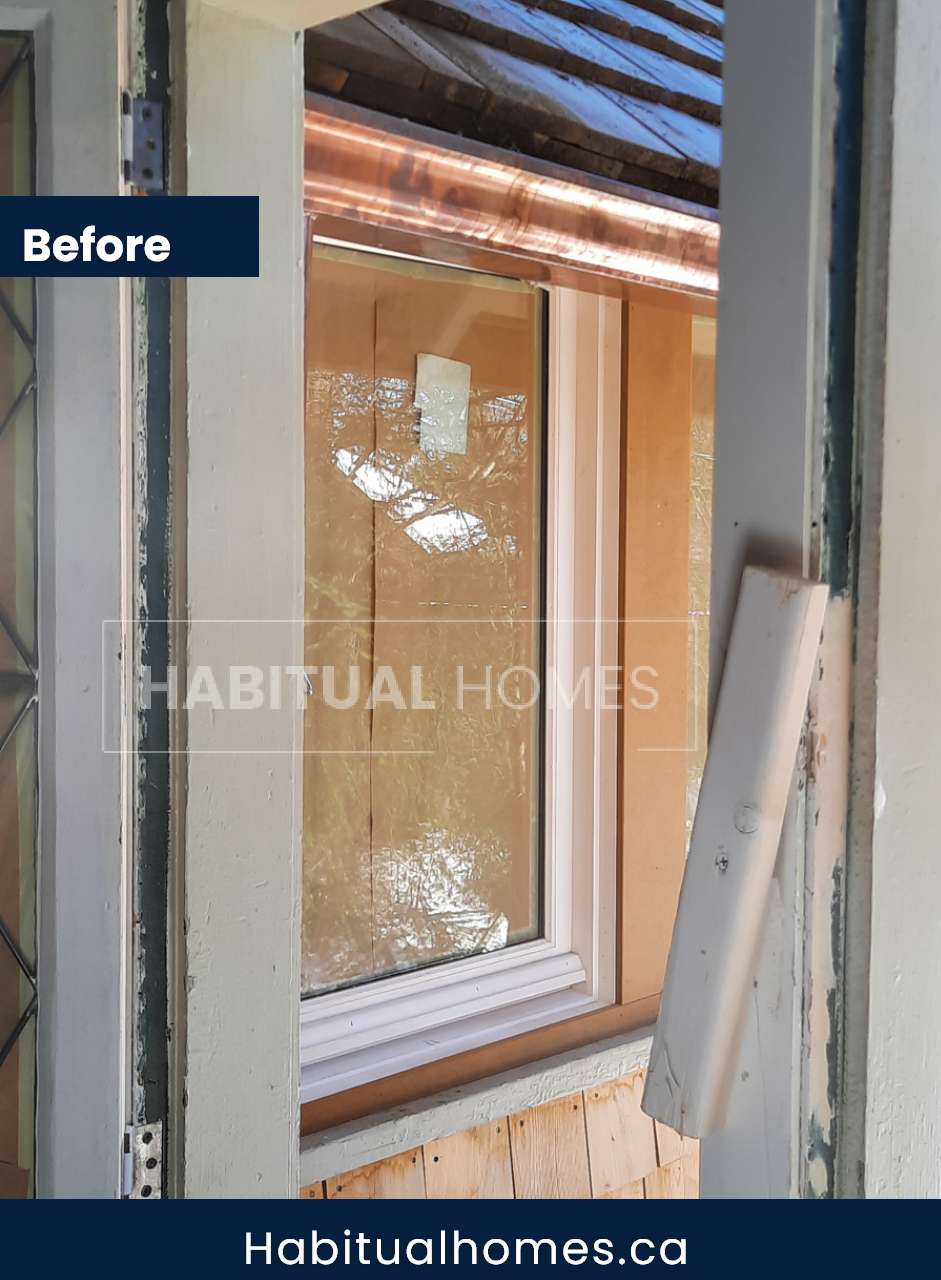
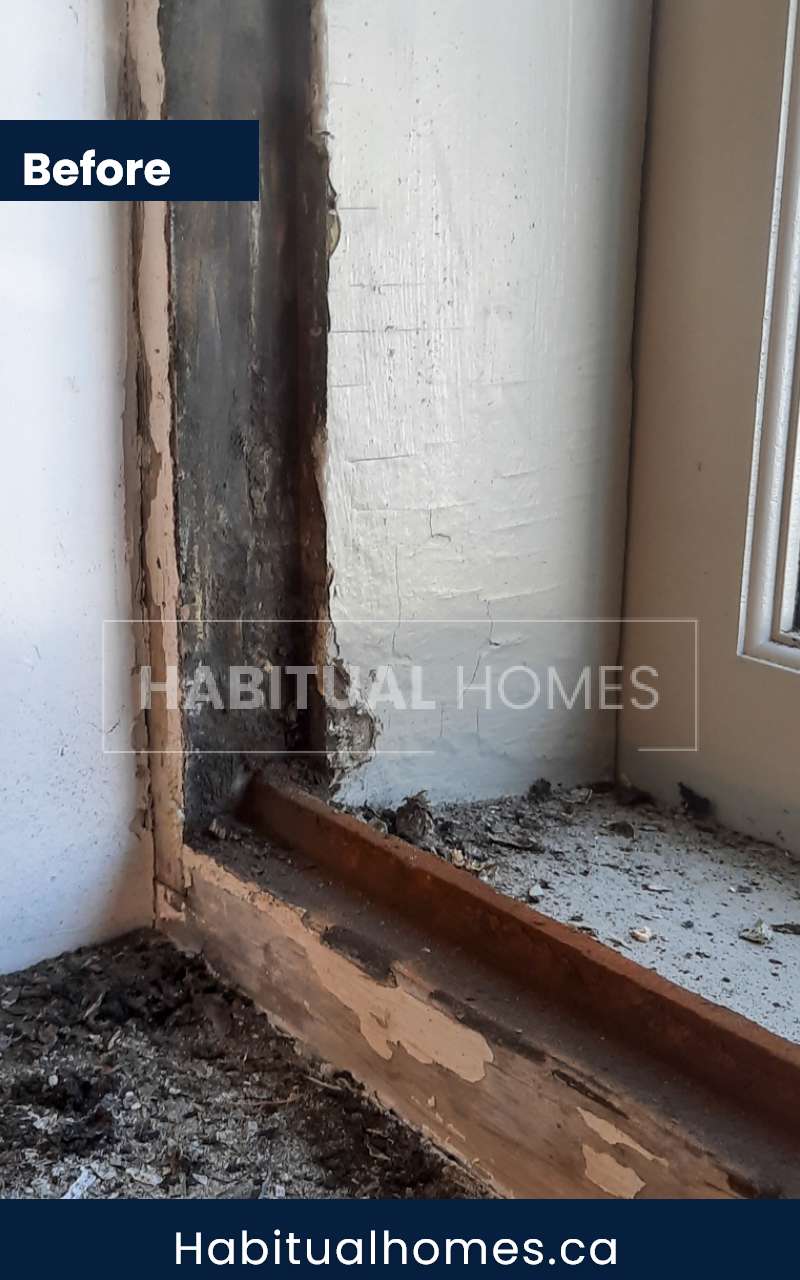
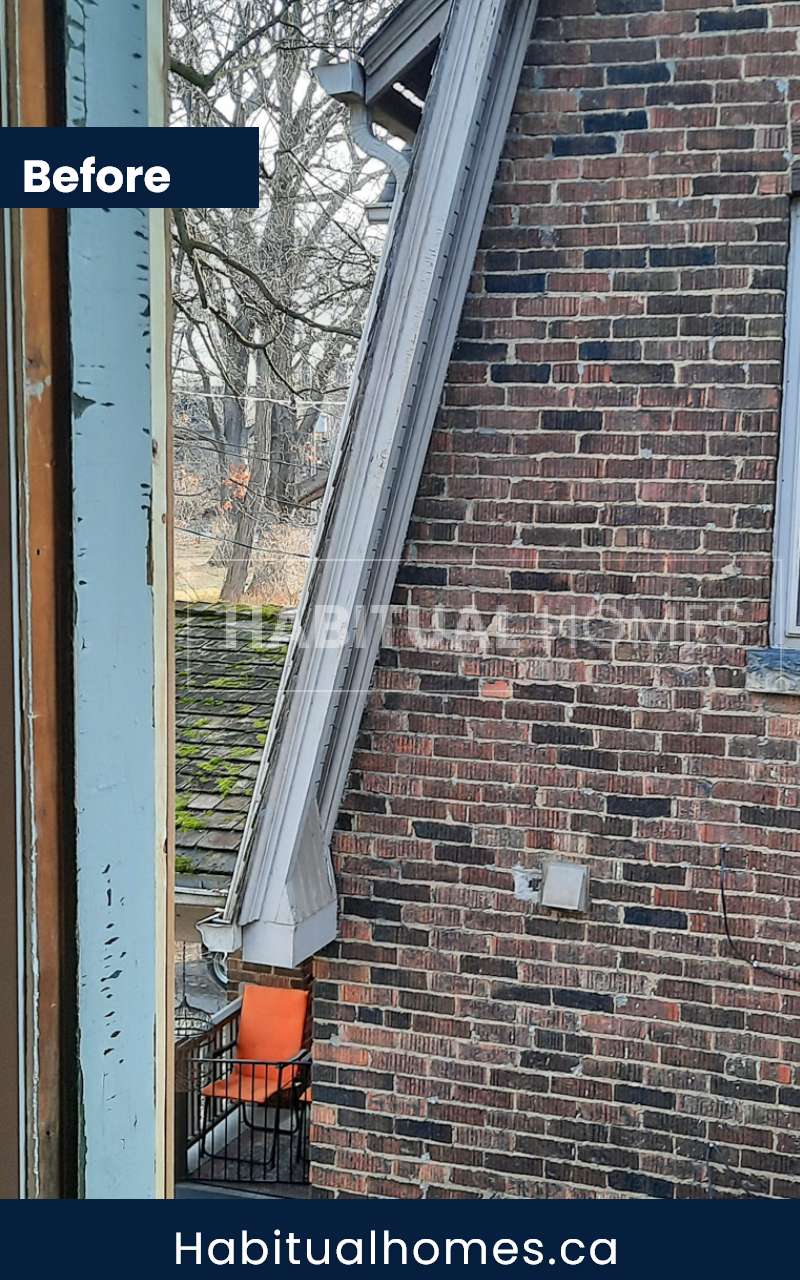
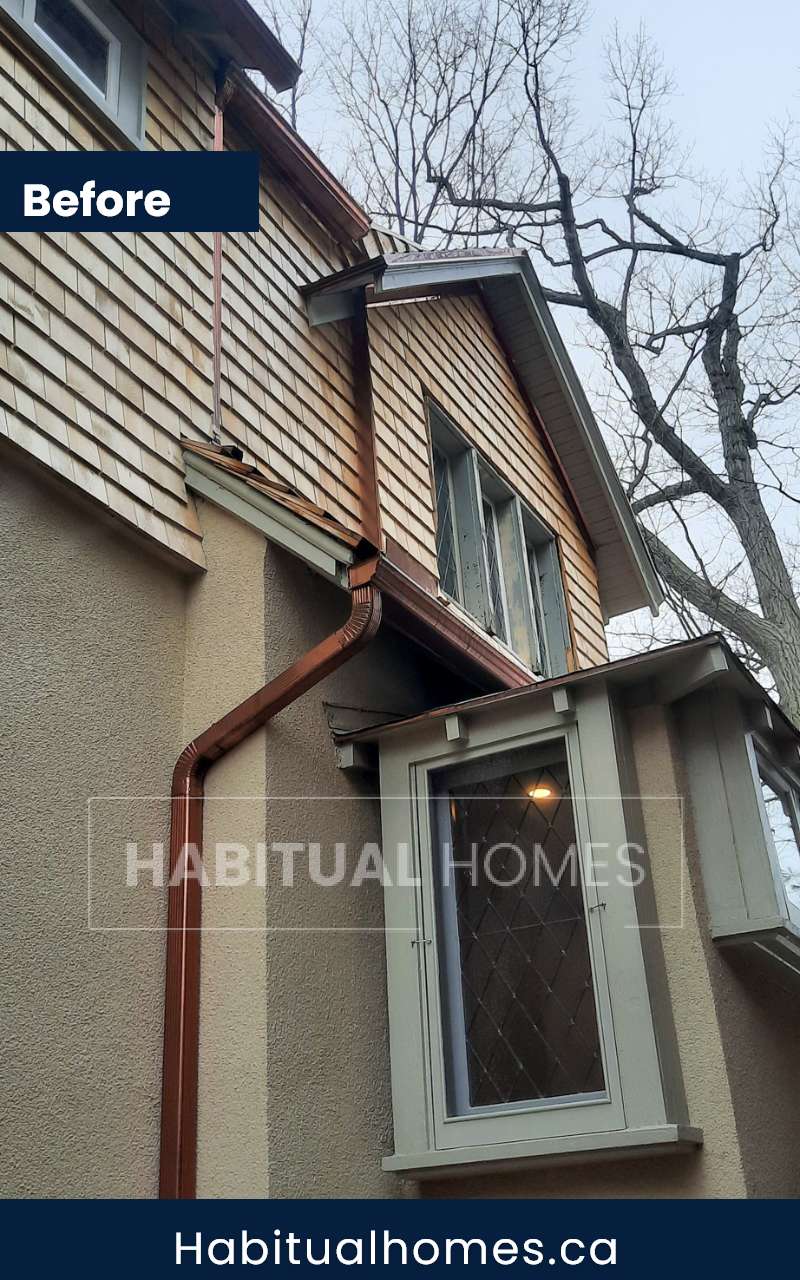
Before and After: Showcasing the Wooden Window Transformation
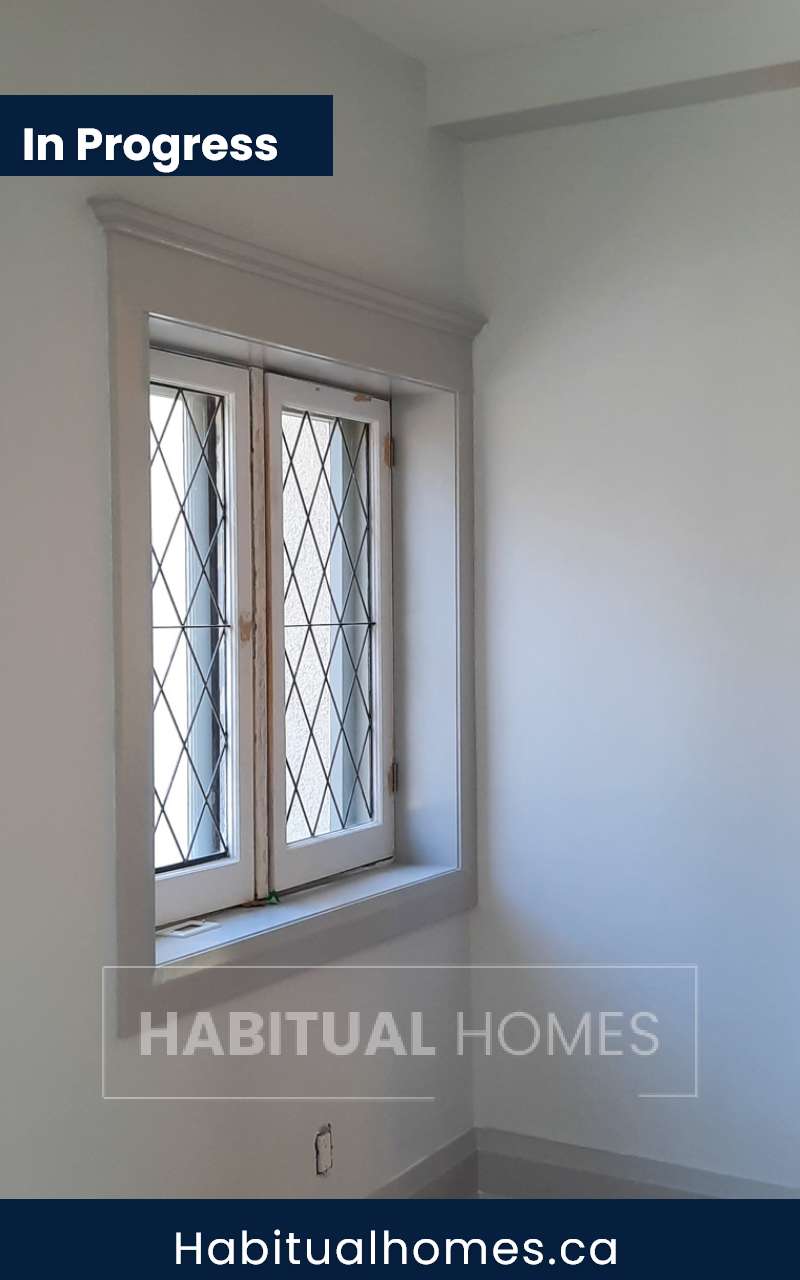
Now, we’d like to present the incredible transformation of these century-old wooden windows, giving you a glimpse of the dramatic difference our restoration process can make.
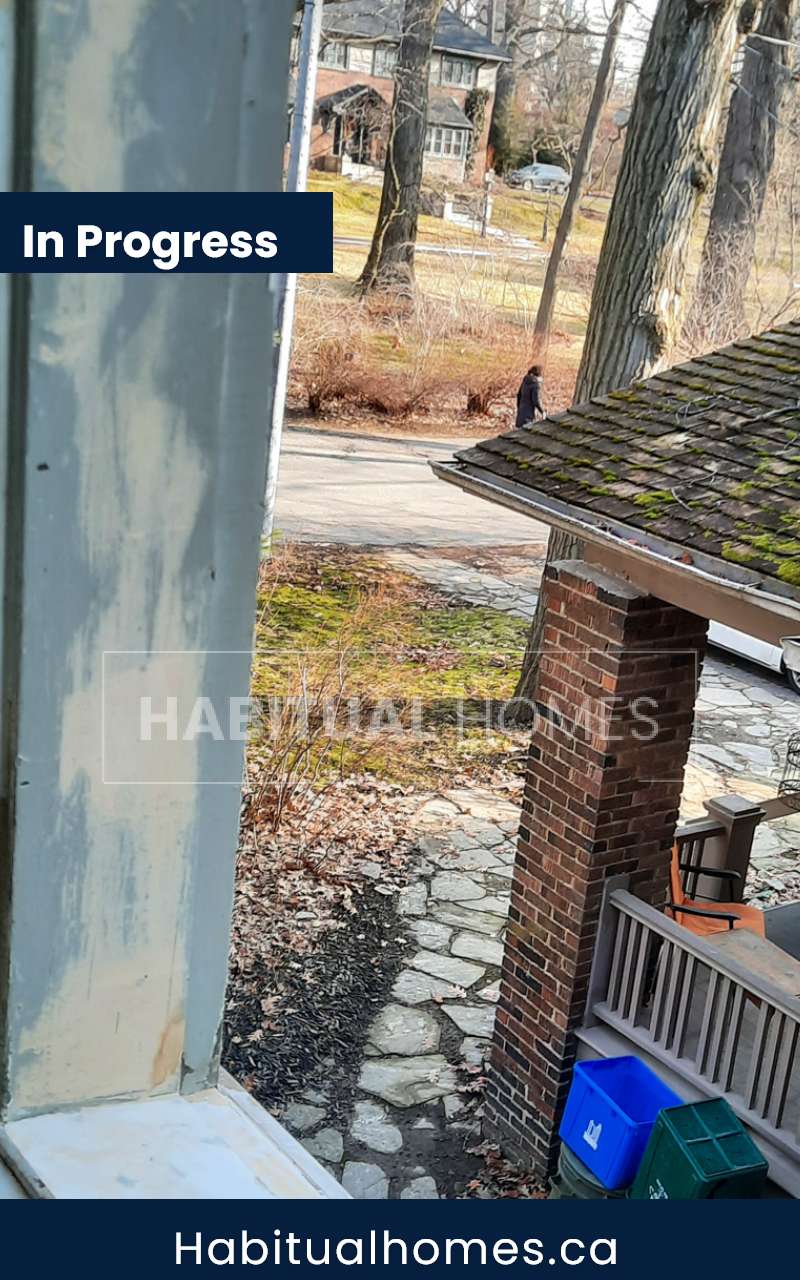
These before and after photos highlight the meticulous work and expertise that went into reviving the architectural charm of this Wychwood Park home.
Take a look at how we brought these windows back to life, preserving their timeless elegance and enhancing the house’s overall aesthetic.
Wychwood Park Historic Home Before Restoration
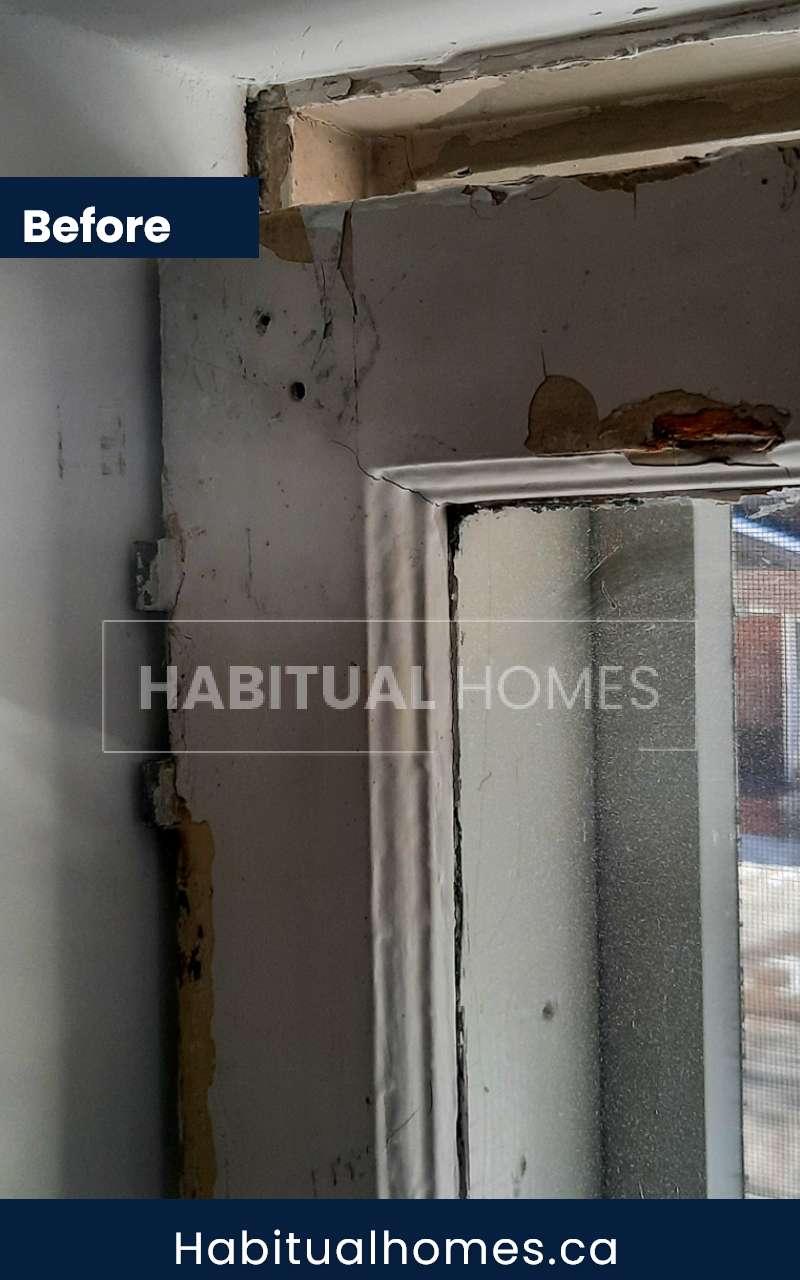
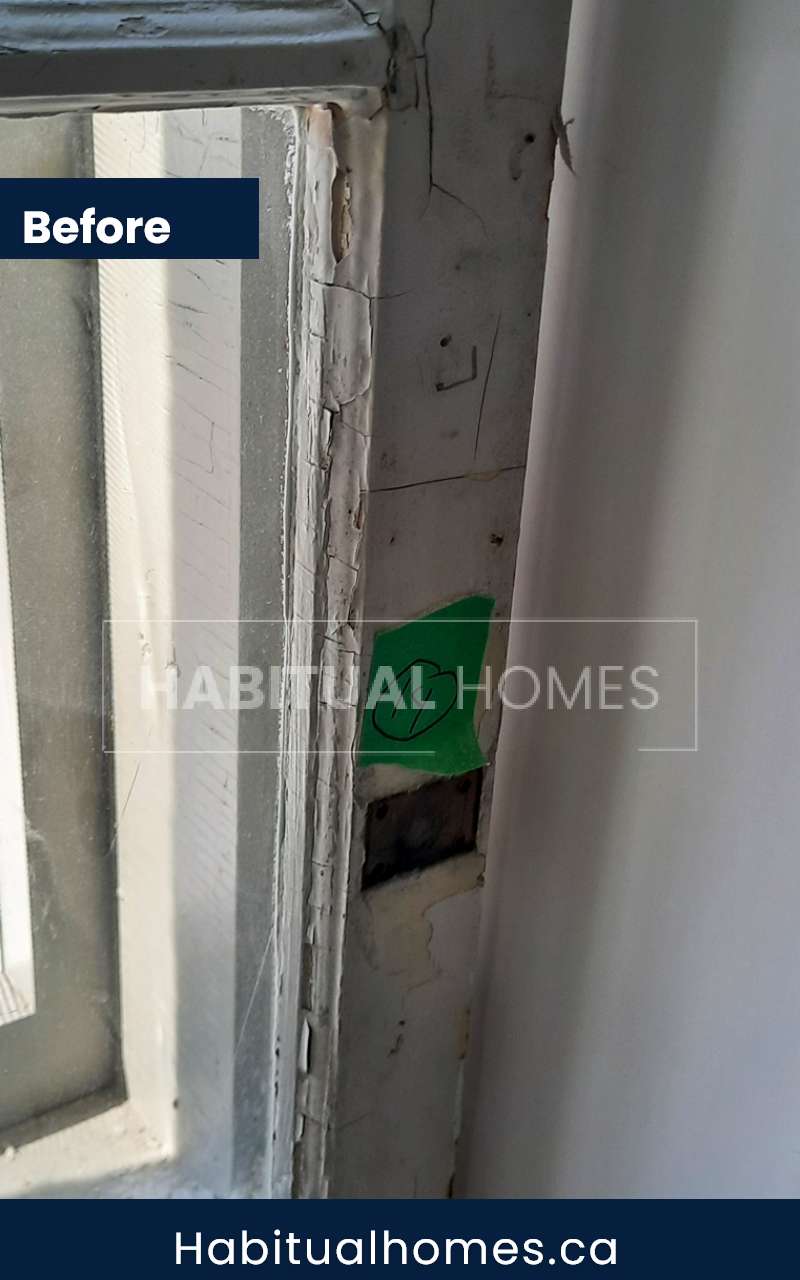
Wooden Window Restoration Process




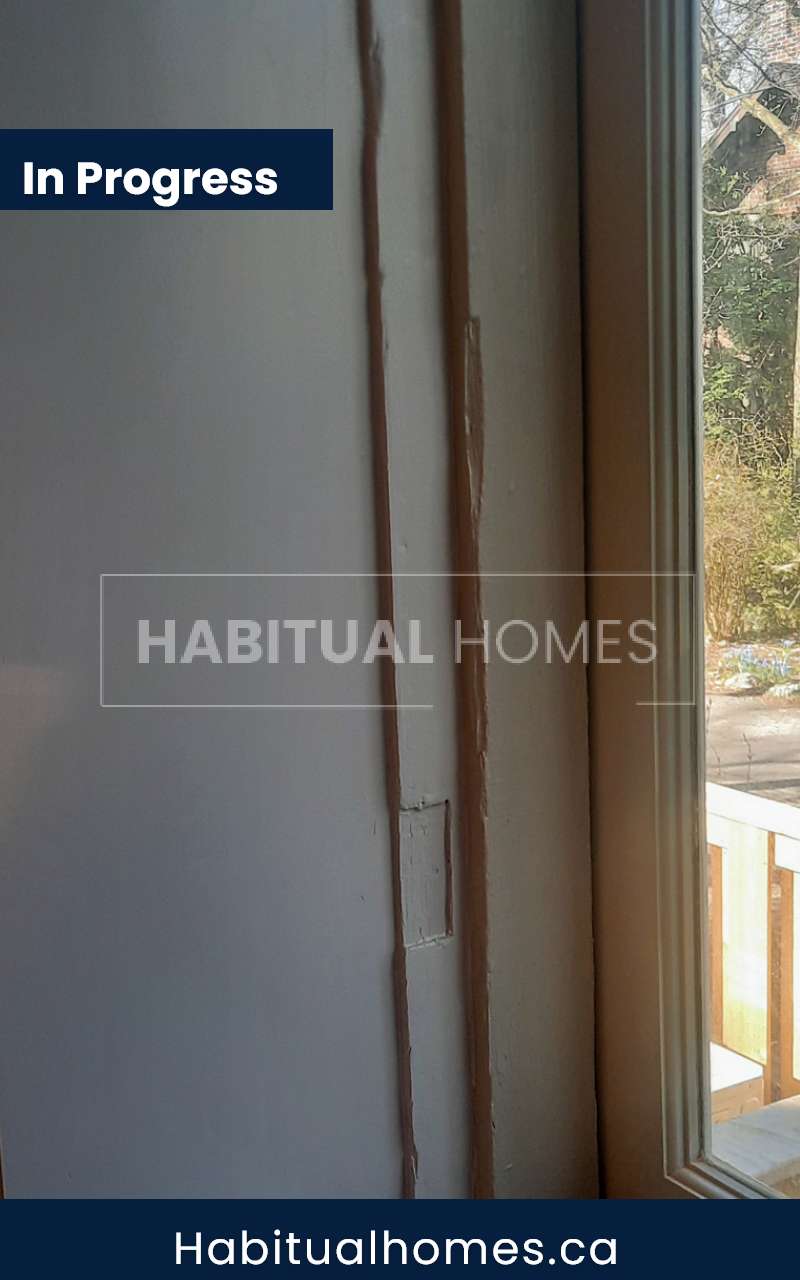


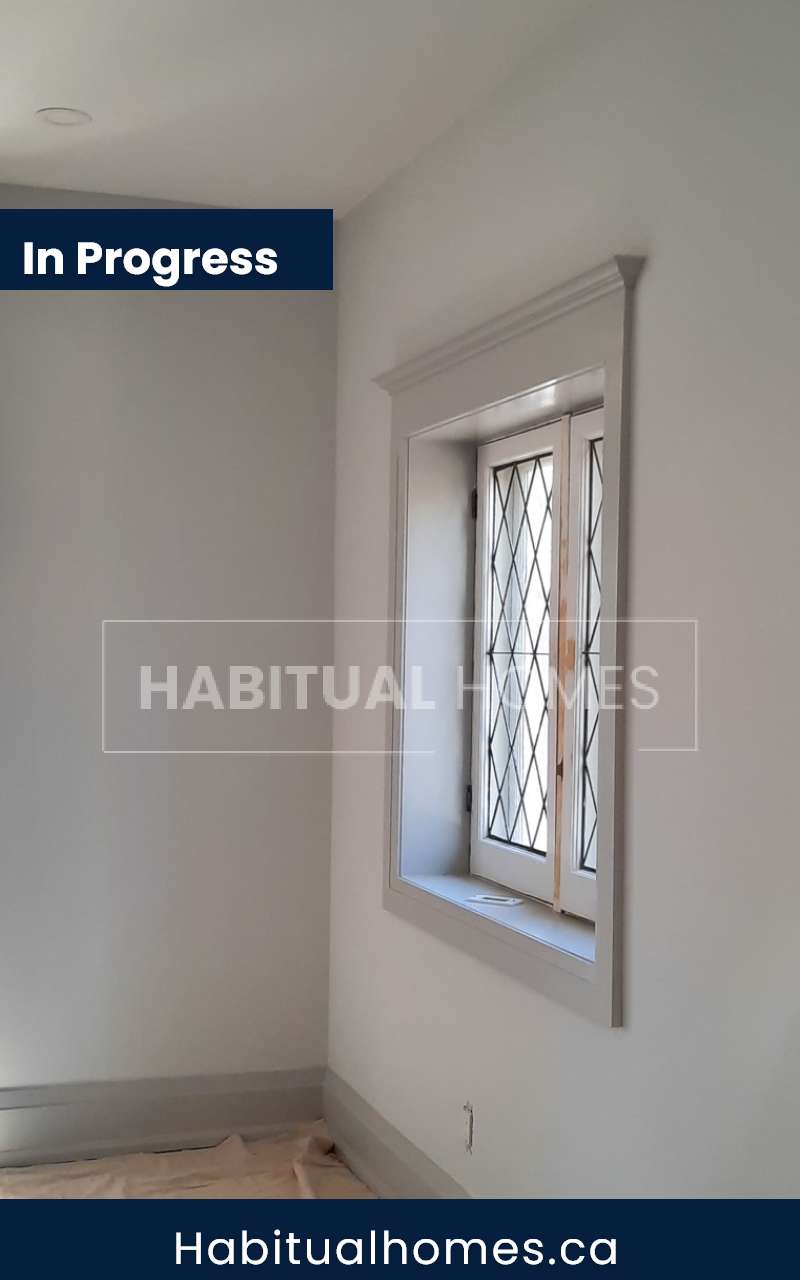
Restored Wooden Window Wychwood Park